

Major Takeaways
• Jesse Jackson transformed civil rights activism into political influence, reshaping national elections and public policy.
• His coalition building expanded participation across racial and economic lines.
• His legacy challenges future generations to continue pursuing equality rather than assuming it is already secured.
7 Powerful Ways Jesse Jackson Shaped Civil Rights, Politics, and Equality
By Urban City Podcast Digital News Desk• 8 min read
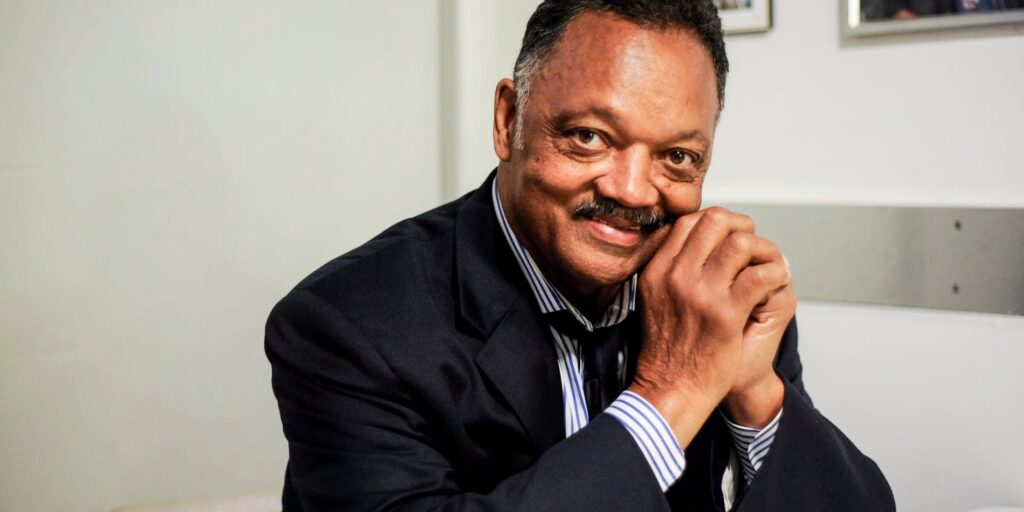
The United States lost one of its most recognizable and enduring civil rights figures when Jesse Jackson died on February 17, 2026, at the age of 84. His family confirmed he passed away peacefully surrounded by loved ones, closing a chapter on more than half a century of activism that influenced politics, culture, and global human rights.
For millions, Jackson was not simply a protest leader or political candidate. He was a relentless organizer who believed democracy worked best when everyone had a seat at the table. Rising from humble beginnings in Greenville, South Carolina, he became one of the most prominent civil rights voices in America after the turbulent era of the 1960s.
Born October 8, 1941, Jackson grew up in the segregated South and immersed himself in the Civil Rights Movement as a young college student. By 1965, he participated in the historic march from Selma to Montgomery, a turning point that helped push federal protections for Black voters.
A close associate and protégé of Martin Luther King Jr., Jackson worked within the Southern Christian Leadership Conference before launching his own initiatives focused on economic empowerment and corporate accountability.
From Movement Organizer to National Figure
After King’s assassination, Jackson emerged as a leading voice determined to continue the struggle for equality. He founded Operation PUSH in the early 1970s and later created the Rainbow PUSH Coalition, channeling grassroots energy into policy demands that pressured businesses and institutions to expand opportunity.
His message often blended moral urgency with practical economics. Jackson advocated for job creation, educational access, voting rights, and fair treatment across industries. His speeches, including the widely remembered refrain “Keep Hope Alive,” became rallying cries during moments of national tension.
Breaking Barriers in Presidential Politics
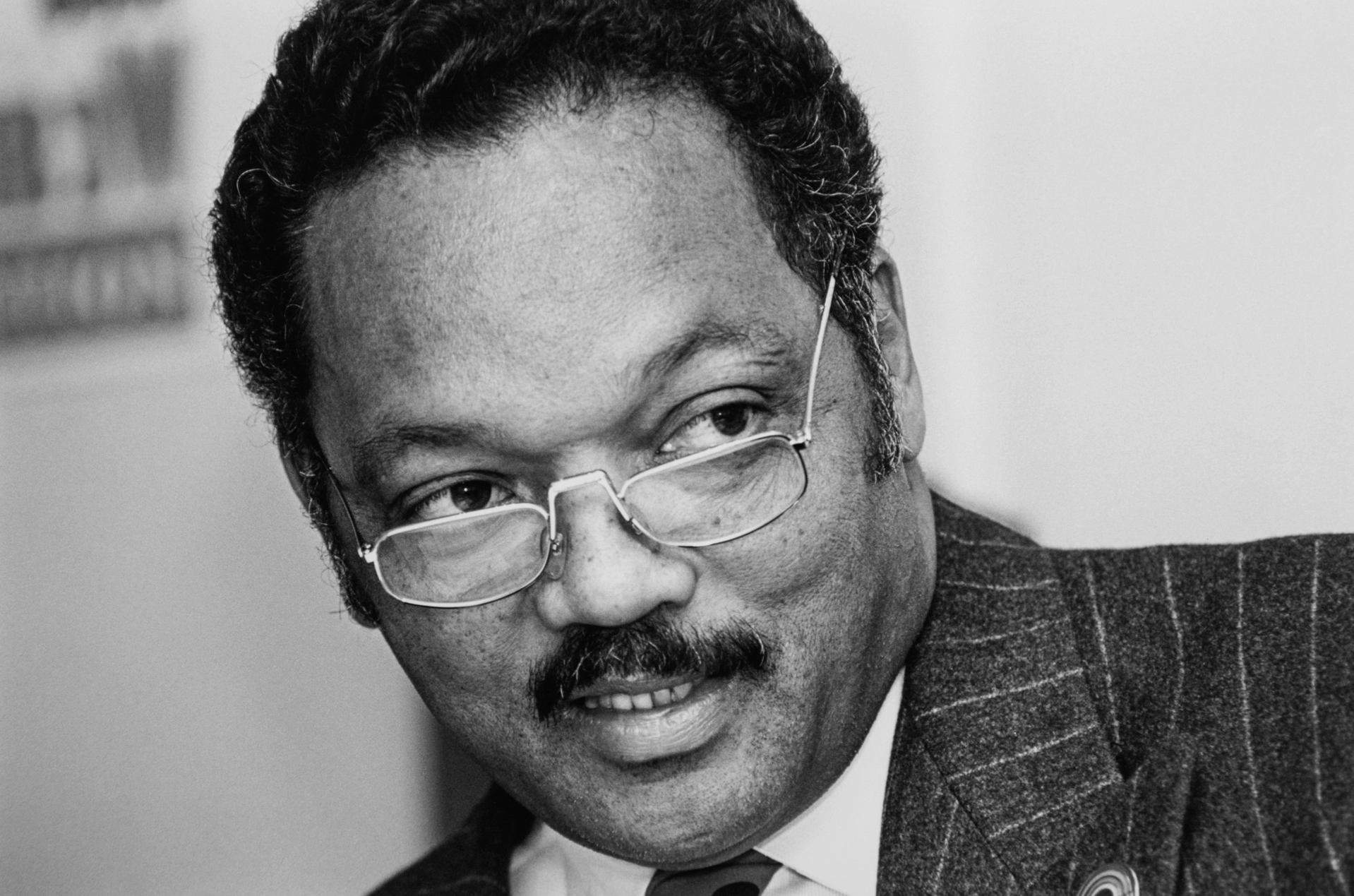
Jackson’s presidential campaigns in 1984 and 1988 reshaped Democratic politics by mobilizing diverse coalitions and dramatically expanding Black voter participation. Though he did not win the nomination, his campaigns proved that a multiracial alliance could compete on the national stage.
Political observers widely credit those campaigns with paving the way for future candidates of color and broadening the party’s platform on economic justice.
Diplomat, Negotiator, Bridge Builder
Jackson’s influence extended far beyond American elections. He participated in diplomatic efforts that helped secure the release of Americans held abroad and advocated for humanitarian causes across continents.
Whether speaking with world leaders or marching alongside workers, he cultivated a reputation as a bridge builder willing to step into tense situations when others hesitated.
Honors and Recognition
In 2000, President Bill Clinton awarded Jackson the Presidential Medal of Freedom, the nation’s highest civilian recognition, honoring decades of public service.
The award symbolized what many Americans already believed: that Jackson had permanently altered the country’s moral conversation about race, poverty, and participation.
Health Challenges and Final Years
Jackson faced significant health struggles later in life, including Parkinson’s disease and progressive supranuclear palsy, a rare neurological disorder affecting movement and balance.
Despite these obstacles, he remained publicly engaged, appearing at events and continuing to speak out against racial injustice well into his eighties.
His family described him as a servant leader devoted to uplifting the oppressed, the voiceless, and the overlooked around the world, urging supporters to honor his memory by continuing the fight for justice and equality.
A Complicated but Undeniable Impact
Like many transformational figures, Jackson’s career included criticism and controversy. Yet even critics often acknowledged his unmatched ability to command attention for overlooked communities.
He belonged to a generation that believed protest could bend the arc of history. More importantly, he proved that organizing could translate into measurable political power.
The End of an Era
Jackson’s death marks the passing of one of the last major leaders directly connected to the classical Civil Rights Movement. His life traced a line from segregated lunch counters to modern debates about equity and representation.
Public commemorations are expected in Chicago, a city that served as both his organizing base and symbolic home.
His legacy now shifts from speeches and marches into the realm of history books, classrooms, and future movements inspired by his work.
If there is a single lesson threaded through his life, it may be this: progress rarely arrives quietly. It is demanded, negotiated, and defended by people willing to step forward when the stakes are highest.
Jackson stepped forward again and again.
And because of that, American democracy looks different today than it did before he began.