6 min read
Major Takeaways
- Ida B. Wells was born into slavery in Mississippi in 1862 and rose to become a pioneering investigative journalist.
- Her reporting proved lynching was used to terrorize Black communities and punish Black economic success.
- A white mob destroyed her Memphis newspaper office in 1892, and she continued her crusade from Chicago.
- She helped found the NAACP, built the Alpha Suffrage Club and fought for Black women at the ballot box.
- Her work received a special Pulitzer citation in 2020 and still shapes investigative reporting today.
Ida B. Wells refused to let America lie about its own violence.
She counted the dead, named the excuses and printed the facts for the world to read.
At a time when Black life was treated as disposable, her pen became a weapon for justice.
Born Into Slavery and Raised to Learn
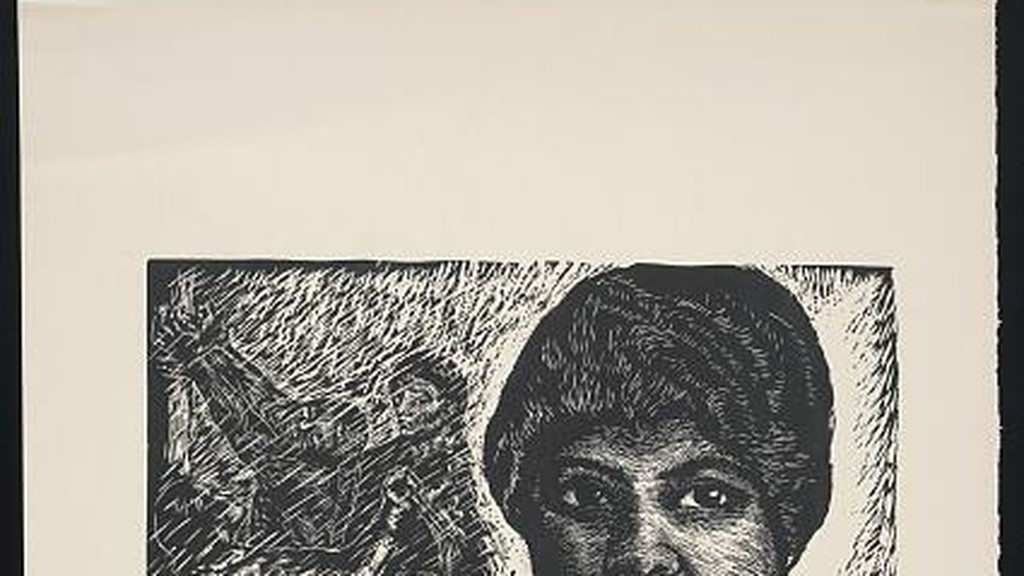
Ida Bell Wells was born on July 16, 1862 in Holly Springs, Mississippi.
She was born into slavery, about six months before the Emancipation Proclamation took effect.
Freedom came to her family while she was still an infant in arms.
Her parents valued education and faith and took part in the rebuilding work of Reconstruction.
She studied at Rust College in her hometown and prepared herself for teaching.
Then tragedy struck hard in the yellow fever epidemic of 1878.
Both of her parents died, along with her infant brother.
Wells was only sixteen years old, and the family needed her to survive.
She became a teacher and helped keep her younger siblings together.
That early burden shaped the discipline and courage that defined her public life.
A Train Seat and a Court Fight
Wells later moved to Memphis, Tennessee, where she taught school for better pay.
In 1884 she bought a first class train ticket and took her seat.
A conductor ordered her to move to the segregated car for Black passengers.
She refused, and she was forcibly removed from the train.
Wells sued the railroad company and won her case in circuit court.
The Tennessee Supreme Court later reversed that victory on appeal.
The loss taught her how often American law promised rights it would not protect.
She began writing about the experience, and Black newspapers took notice.
Writing under the pen name Iola, she found a voice that would not bend.
Memphis Gave Ida B. Wells Her Mission
Wells became editor and part owner of the Memphis Free Speech and Headlight.
She used the paper to challenge segregation and unequal treatment in plain language.
In 1891 she lost her teaching job after criticizing the poor conditions in segregated Black schools.
Journalism was no longer a side calling. It was becoming her life work.
Then came the murders that changed everything for her in March 1892.
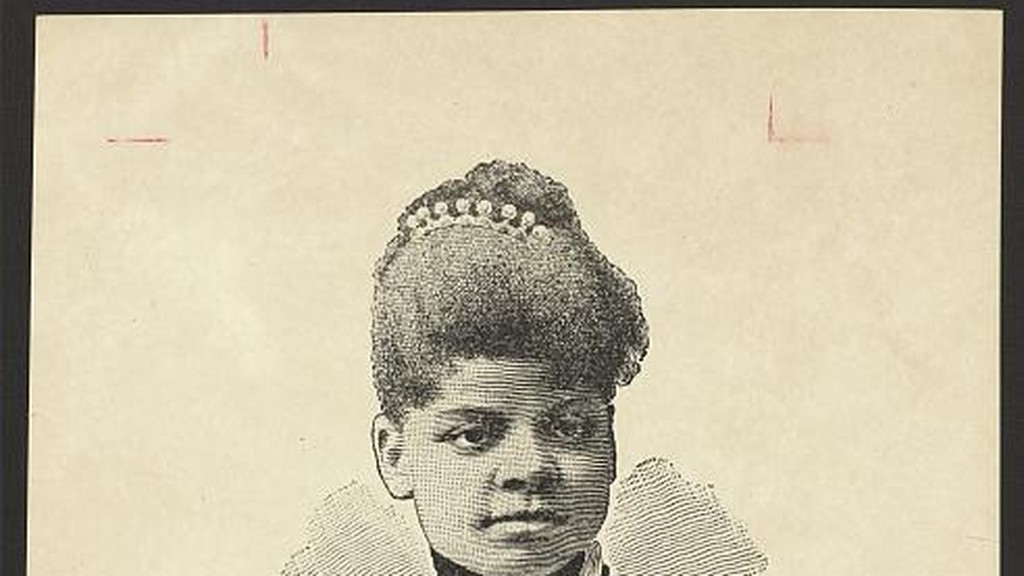
Thomas Moss, Calvin McDowell and Henry Stewart were lynched by a white mob in Memphis.
The three men were tied to the Peoples Grocery, a Black business competing with a white store.
Moss was her friend, and their success had drawn deadly resentment.
Wells investigated and saw the pattern clearly. Economic competition sat behind the violence.
She urged Black readers to save their money and leave a town that would not protect their lives.
More than six thousand Black people left Memphis after her call.
In May 1892 she challenged the claim that lynching protected white womanhood.
On May 27, 1892 a white mob destroyed the Free Speech office and its presses.
Wells was out of town, and she was threatened with harm if she returned.
Memphis had tried to silence her. Instead, it amplified her.
Ida B. Wells Put Lynching on Trial in Print
From New York and then Chicago, Wells turned reporting into a national crusade.
She traveled through the South and gathered names, dates, places and alleged offenses.
She studied white newspaper accounts and used their own records against their excuses.
Her 1892 pamphlet Southern Horrors exposed lynching as a tool of racial control.
She followed with A Red Record, a detailed study of lynching across the nation.
That work documented more than ten thousand Black people killed in the South between 1864 and 1894.
Her central finding was simple and devastating. Most victims had committed no proven crime.
Lynching punished Black voting strength, Black land, Black business and Black dignity.
She lectured across the United States and in Britain to build pressure for action.
Her method still matters. Count carefully, verify relentlessly and tell the world the facts.
Like Fannie Lou Hamer a generation later, Wells turned personal risk into public truth.
Chicago, Marriage and Building Institutions
Wells settled in Chicago and married attorney Ferdinand L. Barnett in 1895.
Together they raised four children while she kept writing, speaking and organizing.
In 1896 she helped form the National Association of Colored Women.
In 1909 she was a founding member of the NAACP.
She also built local institutions for Black migrants arriving in Chicago from the South.
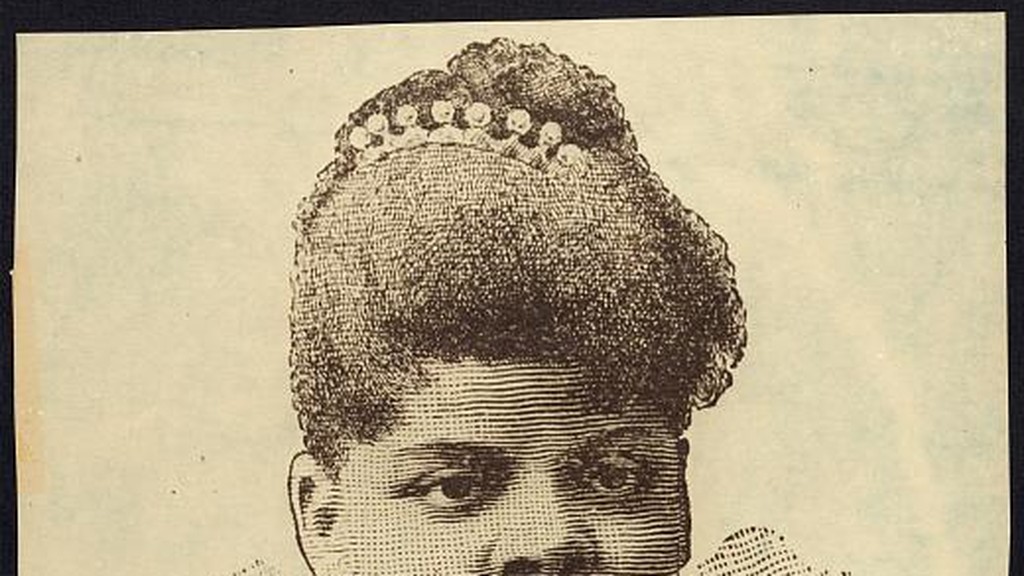
In January 1913 she founded the Alpha Suffrage Club in Chicago.
It was the first suffrage organization for Black women in Chicago.
That March she traveled to Washington for the national suffrage parade.
Organizers told Black women to march at the back of the procession.
Wells refused. She stepped into line with the Illinois delegation and marched with her state.
Her stand linked race and gender in one unmistakable public act.
Readers can see that same barrier breaking spirit in our feature on Shirley Chisholm.
In 1930 Wells ran for a seat in the Illinois state senate.
She did not win, but she had already changed what Black women could attempt in public life.
Why Ida B. Wells Still Matters Today
Wells died in Chicago on March 25, 1931 at the age of 68.
Her autobiography Crusade for Justice was published after her death, in 1970.
Recognition kept growing long after the nation had tried to forget her warnings.
In 2020 she received a special Pulitzer citation for her outstanding and courageous reporting on the horrific and vicious violence against African Americans during the era of lynching.
In 2016 journalists founded the Ida B. Wells Society for Investigative Reporting to train and mentor journalists of color.
Her long demand for federal action also echoes in modern law.
The Emmett Till Antilynching Act was signed on March 29, 2022 and made lynching a federal hate crime.
That law arrived more than a century after Wells began demanding federal protection.
For Black America, her story is both a warning and a blueprint.
She showed that documented truth can move a nation, even when power prefers silence.
She showed that Black women have always done the hard work of democracy.
And she showed that a free Black press is not a luxury. It is a lifeline.
Explore more stories in the series and across Urban City Podcast.