8 min read
Major Takeaways
- Democratic leader Hakeem Jeffries says his party is on the verge of taking back the House in the November 3 midterm elections.
- A Democratic majority would put Jeffries in line to become the first Black Speaker in American history when the new Congress elects its leader on January 3.
- Jeffries has campaigned in more than 50 cities this fall while Republicans defend one of the smallest House majorities in modern times.
- His promised opening agenda centers on lowering costs, restoring health care tax credits, reversing Medicaid cuts and holding the Trump administration accountable.
- A handful of progressive candidates have not committed to backing him, so a narrow majority could still turn the January speaker vote into a real test.
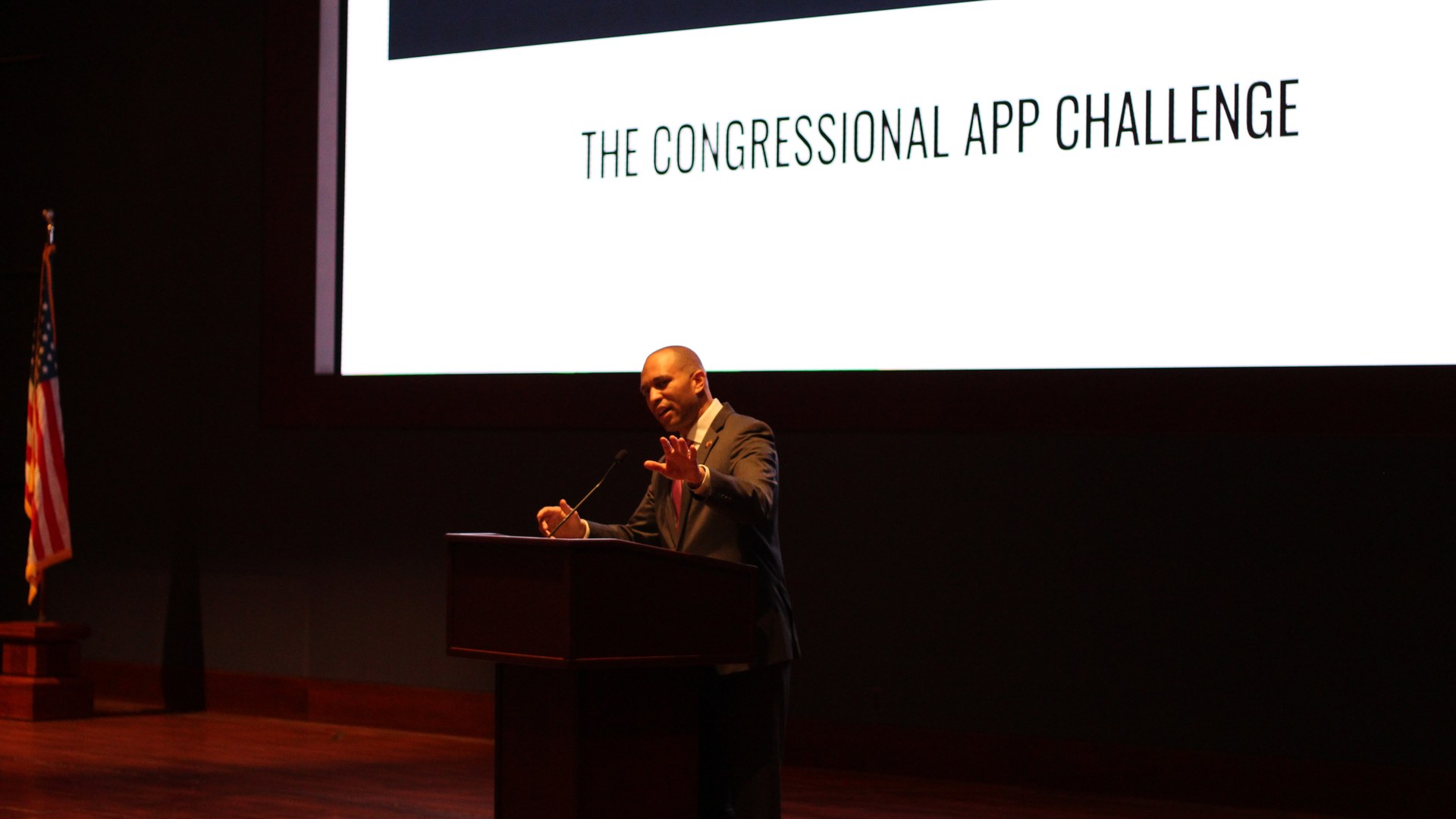
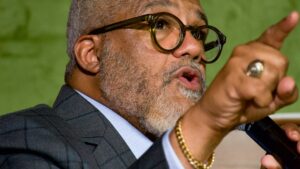
Twelve days before the midterm elections, the man who could become the first Black Speaker of the House stood in an old brick church in Toledo and talked about a storm.
Democratic leader Hakeem Jeffries had just sat through a Sunday service built around scripture and its guidance for calming a gathering storm.
Afterward, he made his read of the national moment plain.
“We’re on the verge of taking back control of the House,” Jeffries said in an interview.
“When this storm has passed, and it will, those of us who have served in the Congress during this time will be part of bringing about a better chapter in the United States of America,” he said.
“That’s the mission. And failure is not an option.”
1. A Campaign Running Through More Than 50 Cities
Jeffries has campaigned in more than 50 cities for House candidates this fall, crisscrossing a map that keeps widening into unexpected places.
Every seat in the House is on the ballot on November 3, and Republicans are defending a narrow majority.
Control of the chamber will be decided district by district, in communities far from the marble halls of Washington.
Toledo is one of those places, home to Marcy Kaptur, the longtime Democratic representative for the area.
Kaptur told her congregation that when she first ran for office, Shirley Chisholm was the only member of Congress who campaigned for her.
Now, she said, another Brooklyn voice is ready to lead.
“This man wants to do something for the people of this country,” Kaptur said.
After the service, church members gathered in the basement for a luncheon of chicken, greens, sweet potatoes and desserts.
Lorna McKinstry, 74, a retired police dispatcher, said she was hopeful the country could begin to end its divisions.
“I want us to be a United States of America,” she said.
2. Why the Gavel Would Make History
The Speaker of the House does far more than preside over debate.
The speaker shapes the House agenda, influences committee leadership and decides which legislation ever reaches the floor.
The office also stands second in the presidential line of succession, right behind the vice president.
Jeffries has already broken one barrier. He is the first Black lawmaker to lead a party in either chamber of Congress.
House Democrats chose him to succeed Nancy Pelosi as their leader, and he would be the first Democratic speaker since Pelosi last held the gavel in 2022.
Black representation in Congress has grown from the Reconstruction era to today, through generations of organizing, litigation and turnout.
It has never included the top elected officer of the House.
His rise also reflects the expanding influence of the Congressional Black Caucus inside the Democratic coalition.
None of it is guaranteed. Voters decide control of the chamber first, and the next House formally elects its speaker in January.
If Democrats win the majority and nominate him, Jeffries would still need the votes of a majority of lawmakers voting for a named candidate on the House floor.
3. Brooklyn Roots, Chisholm Ground
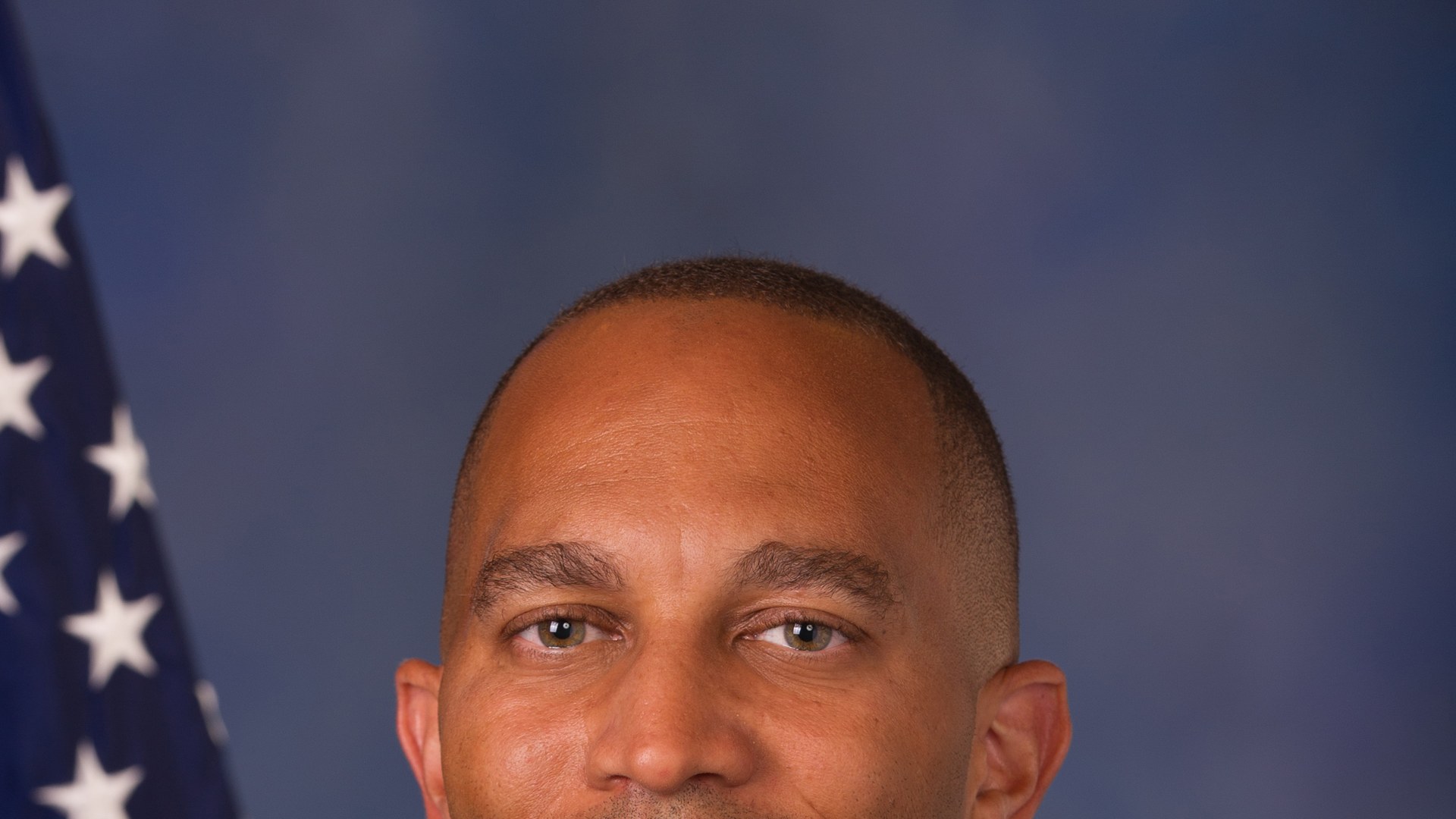
Jeffries was born in New York City, the son of a counselor and a social worker.
He was steeped in Brooklyn’s Cornerstone Baptist Church, and faith runs through the way he tells his own story.
“Faith and the community were always a central part of my journey,” he said.
He came of age in the middle of the crack cocaine epidemic, in years marked by community violence and lives lost far too early.
That upbringing, he said, built a desire to improve the quality of life for hardworking people who stayed in difficult circumstances and worked to turn things around.
A corporate lawyer by training, he studied at Binghamton, Georgetown and the New York University School of Law.
He lost his first two runs for office before winning a statehouse seat, then reached Congress in 2012.
He now represents parts of the same Brooklyn ground once held by Shirley Chisholm, the first Black woman elected to Congress.
He often sprinkles old school hip hop lyrics into his speeches, and he names a favorite without hesitation.
“‘Sky’s the Limit’ is one of my favorite songs from The Notorious B.I.G.,” he said, “because it really did track a journey from negativity to positivity and overcoming life’s adversity.”
4. The Fight He Has Already Waged
Jeffries never accepted the idea that voters handed Republicans a mandate in 2024.
Speaker Mike Johnson of Louisiana has governed with one of the smallest majorities in modern times, and Jeffries set out to win power back.
Democrats used the tools available to force votes that Republican leadership tried to avoid, on releasing the Jeffrey Epstein files and on halting the Iran war.
They voted against the Republican tax breaks and spending cuts bill, with Jeffries delivering a speech of more than eight hours that spotlighted cuts to Medicaid and to food assistance through SNAP.
At moments, it seemed Jeffries was setting the terms of the fight, including a government shutdown battle over the Affordable Care Act tax credits that millions of people rely on to buy health insurance.
Colleagues describe a deliberative style, calm by choice, focused on results rather than noise.
“What we’ve seen is he is quietly effective,” said Representative Brad Schneider of Illinois.
“Rather than chasing rabbits, what Leader Jeffries has kept the caucus doing is focused on accomplishment, success and a plan for our future.”
5. The Tests Waiting in January
The House speaker is elected when the new Congress convenes on January 3, and Jeffries will be tested almost immediately if Democrats take control.
Six candidates aligned with the Democratic Socialists of America and progressives have declined to back him, including Darializa Avila Chevalier and Claire Valdez of New York and Adam Hamawy of New Jersey.
Those holdouts could pose a real obstacle if Democrats hold a narrow majority similar to the one Johnson now manages.
Jeffries has been shoring up support, holding conversations with candidates poised to join the House in January, and he says he has spoken to all the incoming Democrats.
His style is that of a listener, a leader who jots down what colleagues say in meetings and builds consensus from the bottom up.
“Everybody’s got to chart their own path,” he said.
Two centrist Democrats recently bucked him and sided with Republicans to force difficult votes, including one condemning socialism.
Jeffries did not move quickly to punish them. He sent the matter to the caucus rules committee for review and told reporters he would not get out ahead of that process.
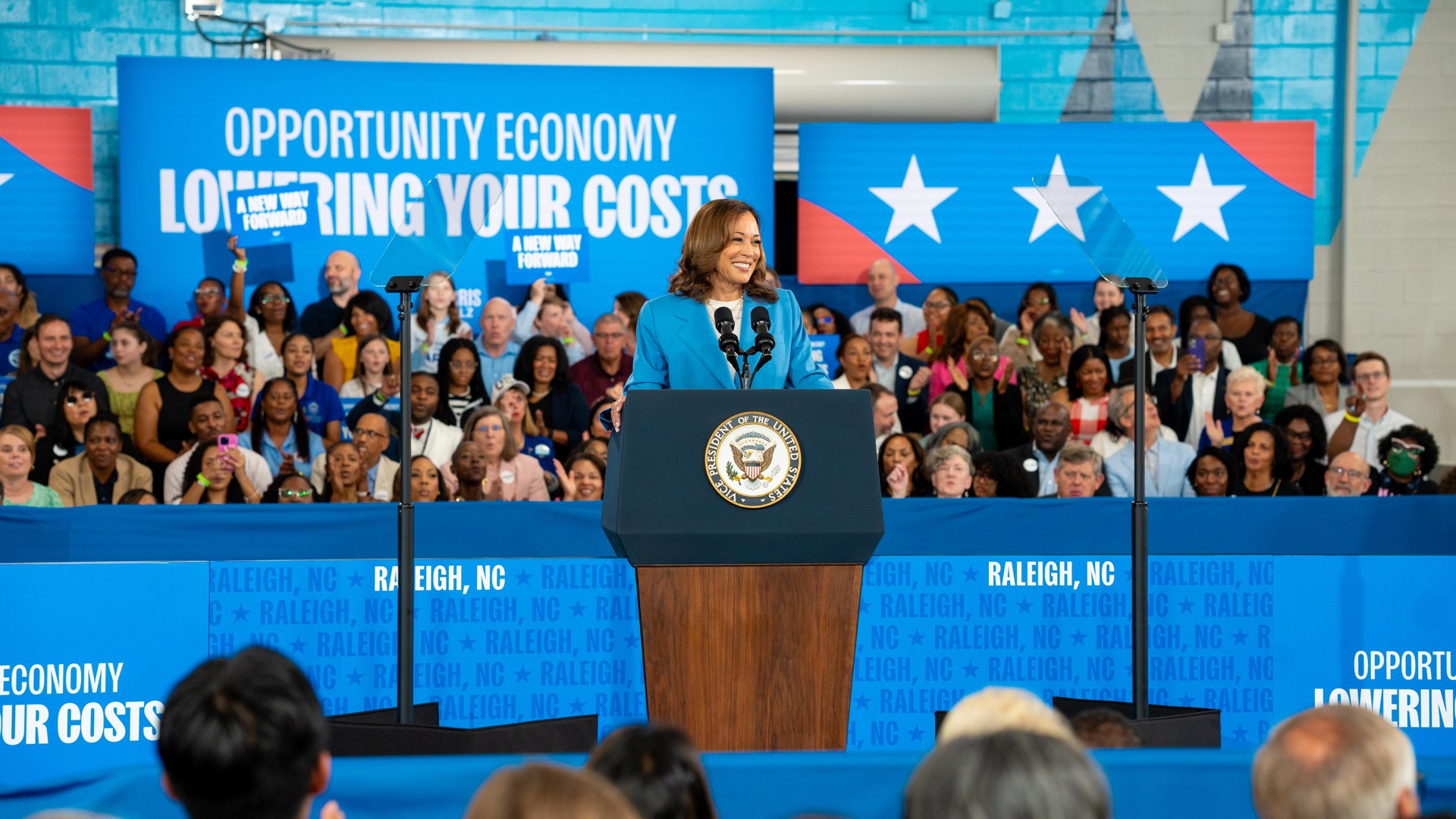
Former Democratic National Committee chairwoman Donna Brazile predicted in an October 5 opinion piece that Jeffries will be “able to corral the votes of both democratic socialists and mainstream House Democrats to pass smart legislation.”
Representative Greg Casar of Texas, who chairs the Congressional Progressive Caucus, offered a similar read on his leader.
“To his credit,” Casar said, “in these key moments and opportunities where we’ve been able to take action, we’ve surprised people.”
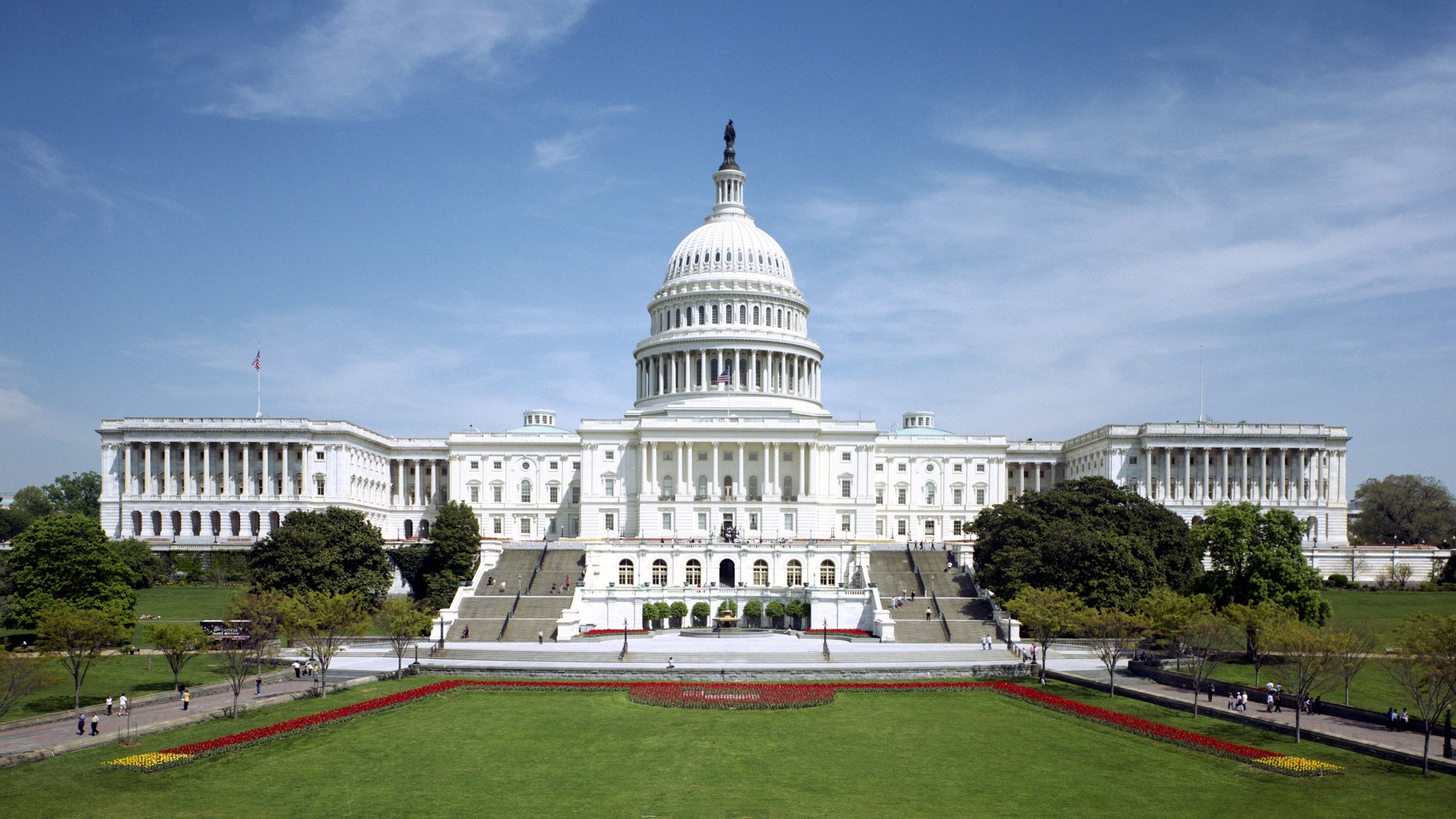
6. What a Jeffries Speakership Would Mean for Black America
Democrats are preparing an opening agenda for a new majority, focused on lowering the cost of living and conducting oversight of the Trump administration.
The plans center on restoring Affordable Care Act tax credits, reversing Medicaid cuts and increasing government accountability.
Jeffries frames the oversight mission in blunt terms, as a charge to “hold the crooks accountable.”
“On the other side of this election, I think what will unite House Democrats is the fact that we know things are broken in this country,” he said.
“We’ve got to do something transformational about the affordability crisis.”
That agenda lands in Black households with particular force. Health coverage, food assistance, rent and grocery prices are not abstractions in our communities.
They are the kitchen table math that decides whether a family gets ahead or falls behind.
A Black Speaker holding the gavel, second in line to the presidency, would also carry a weight no policy paper can measure.
It would tell every Black child watching that the highest rooms in American government are not closed to them.
First, though, comes November 3. Turnout in Black communities will help decide dozens of close districts, the same organizing energy now driving efforts like the NAACP and Harris push to mobilize Black voters this fall.
Those in Congress, Jeffries said, “have a responsibility to stop the madness from continuing to hurt everyday Americans, and chart a more hopeful path toward making this country the best version of herself.”
Whether he gets to lead that effort from the speaker’s chair now rests with the voters.
Read more in our Mississippi Senate race coverage and our Florida governor race coverage.