



Major Takeaways
• The DOJ released over three million Epstein related records under a new federal transparency law
• Most sensitive content was redacted to protect victims privacy and legal integrity
• The files reignite scrutiny over Epstein’s network government failures and accountability gaps
Inside the largest public disclosure ever tied to Jeffrey Epstein and what it means for victims the justice system and public trust
The United States Department of Justice has released more than three million pages of records connected to its investigations into Jeffrey Epstein marking the largest public disclosure of Epstein related materials in American history. The release follows years of public pressure legal challenges congressional scrutiny and widespread concern over how Epstein was investigated prosecuted and allowed to maintain power and influence for decades before his death in federal custody.
The disclosure stems from the Epstein Files Transparency Act a federal law passed to mandate the release of unclassified government records tied to Epstein his associates and the handling of his criminal cases. The law was designed to address growing public distrust surrounding Epstein’s connections to elite political business and social circles as well as questions about prosecutorial decisions that allowed him to avoid harsher consequences earlier in his legal history.
The released material includes investigative reports financial records emails travel logs interview transcripts court filings and digital media seized during federal investigations. These records span multiple years and include evidence gathered from Epstein’s personal devices properties and communications networks. Officials have stated that the purpose of the release is to provide transparency while balancing legal obligations to protect victims and individuals who were never charged with crimes.
Jeffrey Epstein was a wealthy financier who faced multiple accusations of sex trafficking and abuse involving underage girls. In 2019 he was arrested on federal charges and later died in jail while awaiting trial. His death intensified public skepticism and fueled conspiracy theories as well as renewed demands for accountability and disclosure. Epstein had previously entered a controversial plea deal in 2008 that allowed him to serve limited jail time and avoid federal prosecution despite serious allegations. That agreement later became a central symbol of perceived failures within the justice system.
The Department of Justice has stated that hundreds of legal professionals analysts and investigators worked to review millions of pages before release. The review process aimed to prevent the exposure of child sexual abuse material medical records privileged legal communications and identifying information for victims and witnesses. Large portions of the released records contain redactions intended to safeguard privacy and comply with federal law.
Officials emphasized that not all content in the records represents confirmed criminal evidence. Some documents contain investigative leads preliminary claims or references to individuals who were never charged. Authorities caution the public against drawing unsupported conclusions based solely on names appearing in the files noting that inclusion in investigative material does not imply guilt.
Among the most discussed elements of the release are records referencing Epstein’s travel activities financial transactions and network of social contacts. While the documents provide insight into the scale of his influence the Department of Justice has stated that the release does not introduce new criminal charges or publicly identify previously undisclosed suspects. Investigators maintain that any future prosecutions would require independent legal thresholds and evidence beyond what has been disclosed.
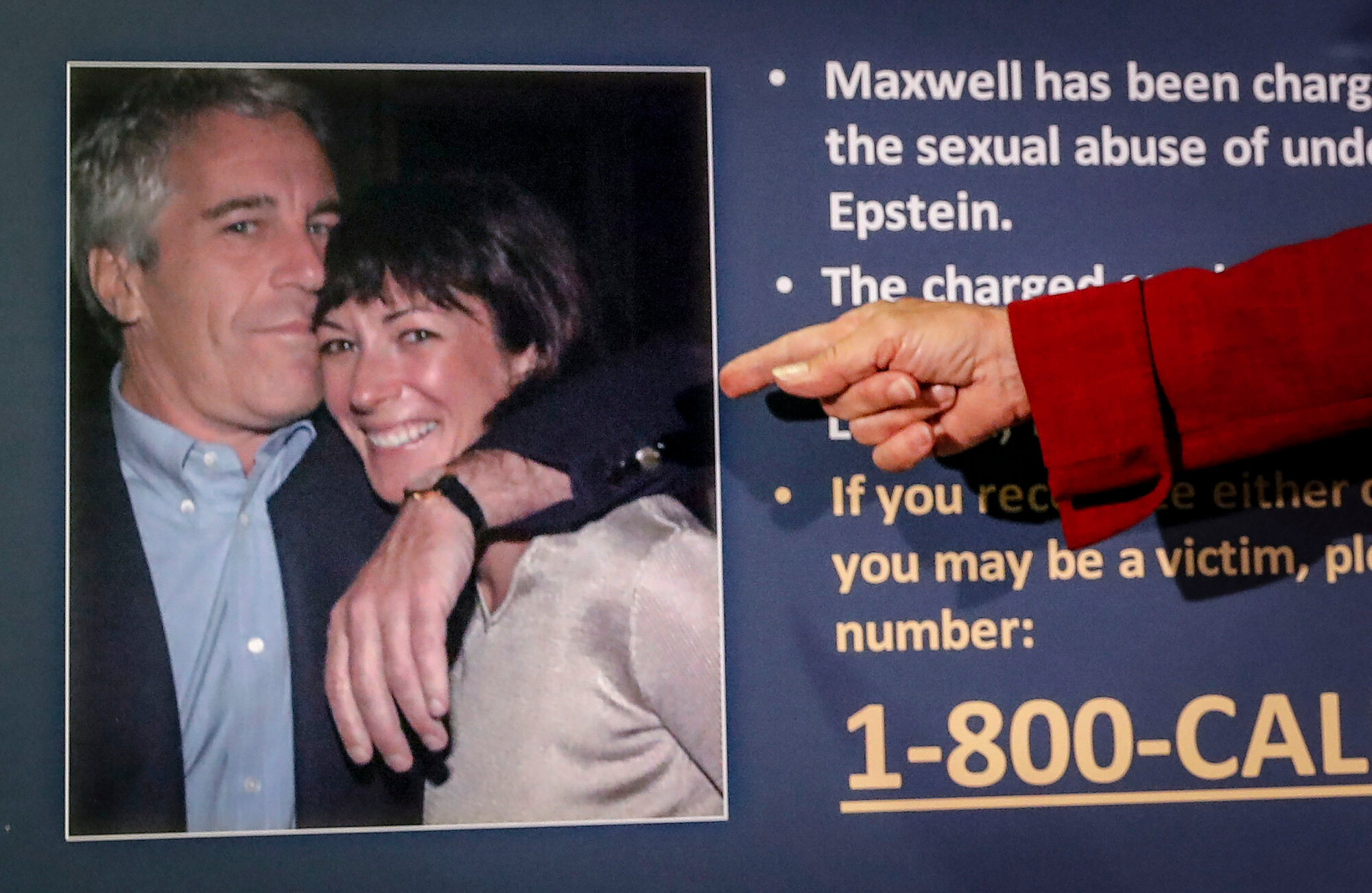
Ghislaine Maxwell Epstein’s longtime associate remains one of the most prominent figures tied to the case. She was convicted in federal court for her role in recruiting and abusing underage girls and is currently serving a prison sentence. Because of her public conviction her name appears in the records without the same level of redaction applied to other individuals.
Victim advocacy organizations have responded to the release with mixed reactions. Some view the disclosure as a long overdue step toward transparency while others warn that the publication of sensitive material may retraumatize survivors or expose them to public scrutiny. The Department of Justice has stated that it established channels for victims and legal representatives to report concerns or request additional privacy protections if necessary.
The release has also reignited public debate over institutional accountability including how law enforcement prosecutors and regulators handled Epstein’s case over time. Critics argue that Epstein benefited from wealth status and connections that shielded him from harsher legal consequences earlier in his criminal history. Supporters of the disclosure believe the records may help expose systemic failures and drive future reforms in how sex trafficking cases involving powerful individuals are investigated.
Members of Congress have called for continued oversight of the release process and some lawmakers have requested access to additional unredacted records under confidentiality restrictions. Legislators argue that transparency is necessary to rebuild public trust while ensuring that legal safeguards remain intact. The Department of Justice has stated that additional records may be released if newly identified materials qualify under the transparency law.
While the release represents an unprecedented volume of information officials stress that transparency alone does not resolve unanswered questions about Epstein’s broader network or institutional failures that allowed him to operate for years. Many of the documents reflect the complexity of large scale investigations where leads are explored but not always substantiated and where legal standards determine whether cases move forward.
The Epstein files serve as both a historical record and a reminder of the consequences of power abuse secrecy and delayed accountability. The disclosure underscores the need for stronger protections for victims more rigorous oversight of prosecutorial decisions and continued vigilance in cases involving exploitation and trafficking.
Although the Department of Justice maintains that it followed legal requirements in balancing transparency with privacy protections the public reaction continues to evolve. Journalists researchers advocacy groups and legal analysts are expected to examine the released materials for years to come. The scale of the release ensures that Epstein’s crimes his connections and the government’s response will remain a focal point in discussions about justice ethics and institutional reform.
Ultimately the release of more than three million Epstein related records represents a landmark moment in the pursuit of transparency surrounding one of the most notorious criminal cases of modern times. It reflects a broader effort to confront past failures provide answers where possible and reinforce the principle that no individual should be beyond the reach of accountability regardless of wealth or influence.