7 min read
Major Takeaways
Poll guardians are training in 40 states to watch polling places, ballot counting and certification.
More than 50,000 people have finished election or immigration enforcement training with one national network.
The NAACP says it has recruited more than 52,000 volunteers to defend voting rights in the midterms.
President Donald Trump said he will respect the results only if the elections are honest.
The Justice Department plans to send 1,000 observers nationwide, its largest such effort ever.
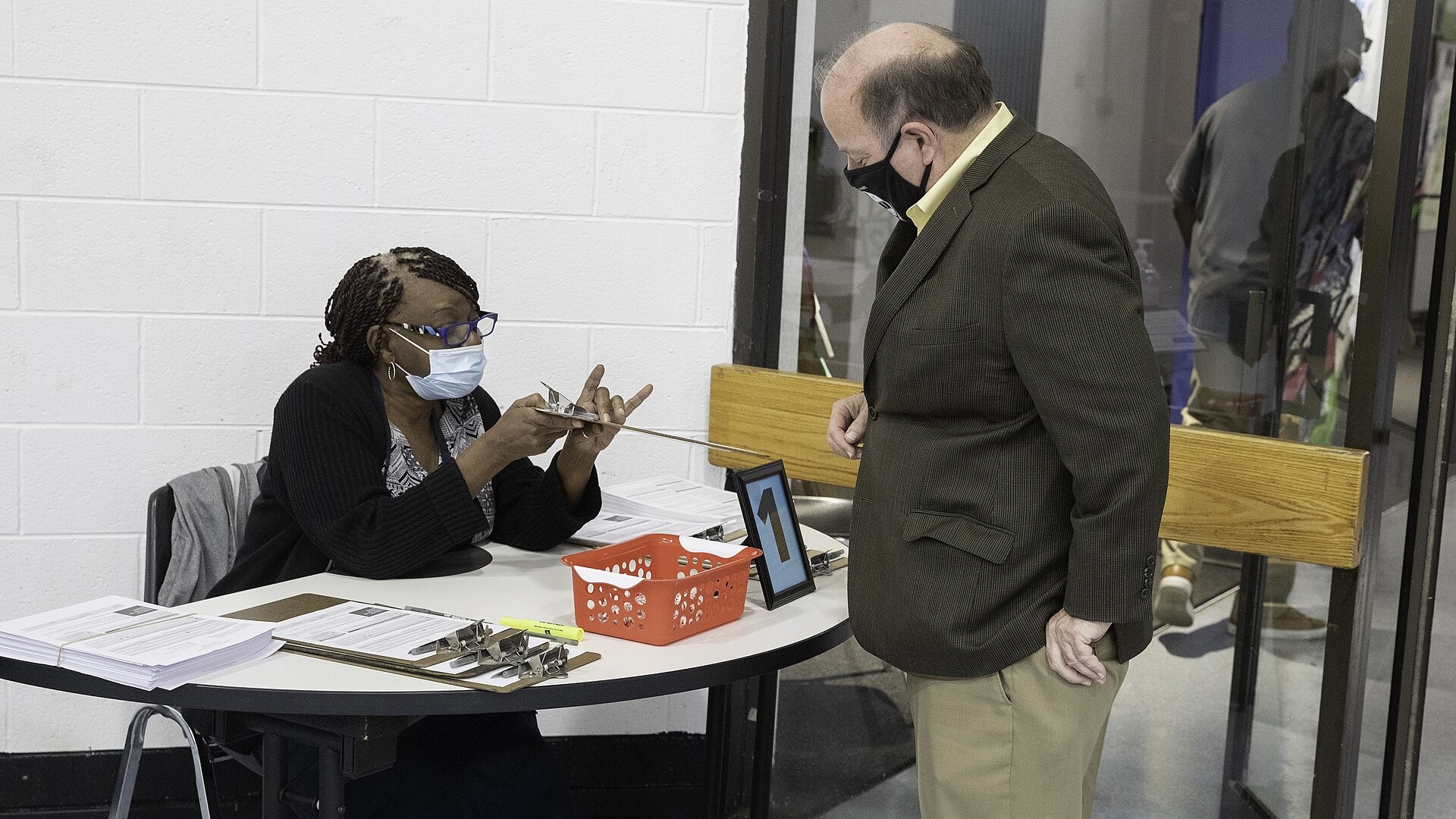
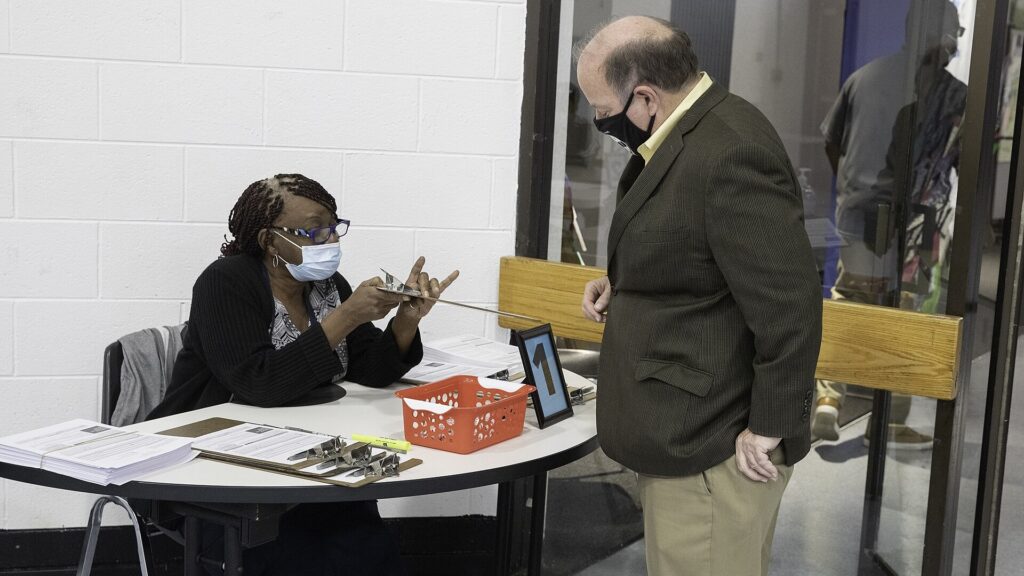
Poll guardians are quietly taking their posts across America this week.
They are not running for anything, and most voters will never learn their names.
Their job is to watch, to write down what they see and to call for help fast.
Six days before Election Day, that work has taken on a new urgency.
President Donald Trump has again put a condition on accepting the outcome.
Federal officials have not ruled out a presence near polling places.
And the groups that protect voters say they intend to be everywhere the vote is.
Poll Guardians Train for a Hard Week
The training effort spans dozens of groups, partisan and nonpartisan alike.
Zachary Mueller, a senior strategist at States at the Core, led one session in mid October.
About 200 people joined the video call to learn poll monitoring skills.
They learned how to document federal activity near polling places.
They also learned how to mobilize if officials dispute the results.
States at the Core began teaching people to document immigration enforcement about 18 months ago.
In May, the group expanded that training to cover polling places.
More than 50,000 people have now completed its election or immigration trainings.
Mueller put the reason in plain terms for his trainees.
“They’re telling us what they are going to do, and what they’re going to do is challenge the election results,” he said.
The Election Protection Coalition has built a parallel army of watchers.
The coalition includes Common Cause, State Voices and the NAACP.
It has run thousands of trainings in 40 states for poll guardians.
It also runs a nationwide hotline staffed by volunteers and legal staff.
Andrew Walchuk of Common Cause said the coalition is still accepting volunteers.
“There is a huge community of folks who are fighting back and are pushing back to make sure that people’s voices are heard,” Walchuk said.
Why Black Voters Know This Ground Well
Black voters do not need a lecture on what a watched poll can feel like.
Our grandparents voted under the eyes of sheriffs and registrars who wanted them gone.
The names have changed, but the chill of an official presence is familiar.
That history is why the guardians focus where they focus.
Walchuk said local groups will concentrate on places with past election problems.
They will also focus on communities targeted by the administration.
After Election Day, the volunteers will stay on for the count.
They will watch local certification in case either step is contested.
“We have faith in the people who are part of our communities and spend all year preparing to run effective elections,” Walchuk said.
“We want to have their backs,” he added.
The NAACP is building its own legal election protection operation.
The organization says it recruited more than 52,000 volunteers for the midterms.
That scale tells its own story about the level of concern.
Black turnout is already surging across the South in early voting.
Georgia voters can see that surge in the early voting numbers from this past week.
A vote that is cast still has to survive the count, and everyone in this fight knows it.
A Condition From the President
The guardians are preparing against a backdrop set at the very top.
Trump spoke with reporters on Tuesday at Joint Base Andrews in Maryland.
He was asked whether he would respect the results if Republicans lost Congress.
“I will, if they’re honest elections,” he answered.
He did not say what proof of honesty he would require.
Asked about working with Democrats, he pointed to his veto power.
“You have strong veto, and you end up working on deals,” he said.
NAACP President Derrick Johnson answered the condition directly.
“Donald Trump is afraid of voters making their voices heard,” Johnson said.
“We have no kings in America. We the people decide who leads this country,” he said.
White House spokeswoman Lauren Bis defended the administration record.
She said Trump has done more than any other president for free and fair elections.
She said the administration is prosecuting election crimes and protecting vulnerable voters.
The administration has also threatened election officials with criminal charges if noncitizens vote.
Its lawyers are fighting in court to set aside ballots in California.
That fight is the one over California mail ballots and a disputed federal list.
Federal immigration authorities are meanwhile carrying out mass arrests across the country.
Some United States citizens have been swept up in those arrests.
That is the fear organizers say now walks into the polling place with many voters.
What the Watchers Will Actually Do
The work on the ground is practical, local and patient.
In Ohio, the Buen Vecino Network has trained 2,500 people in recent months.
About 1,200 of them will serve as observers in major Ohio cities.
Others in the network coordinate rides to the polls and childcare for voters.
Lili Baiman, a naturalized citizen with the network, described the mission simply.
The observers want to be an extra layer of support for worried voters, she said.
In Tennessee, observers already staff 15 busy early voting sites in Davidson County.
On Election Day they plan to cover all 178 precincts in the county.
Jennifer Brinkman of Nashville Indivisible said volunteers are trained in election law.
They will document or report any activity they believe could intimidate voters.
“The goal is to make sure that every eligible voter that wants to vote is able to vote very safely without intimidation,” Brinkman said.
State Voices says more than 10,000 calls have already reached its voter hotline.
Organizers in Nevada have trained observers across the state.
Guardians will staff 300 polling locations in Michigan on Election Day.
More than 1,000 trained volunteers will be at the polls in North Carolina.
Some states will also field roving watchers at ballot drop boxes.

The Count After the Vote
The planning does not end when the polls close on November 3.
Trainings urged local organizers to prepare responses for November 4 through November 8.
If officials challenge results, responses could include street protests in some places.
They could also include news conferences defending local counts and election officials.
The Election Sabotage Response Network has lawyers standing by for disputes.
Staff and volunteers expect to stay engaged through certification and into January.
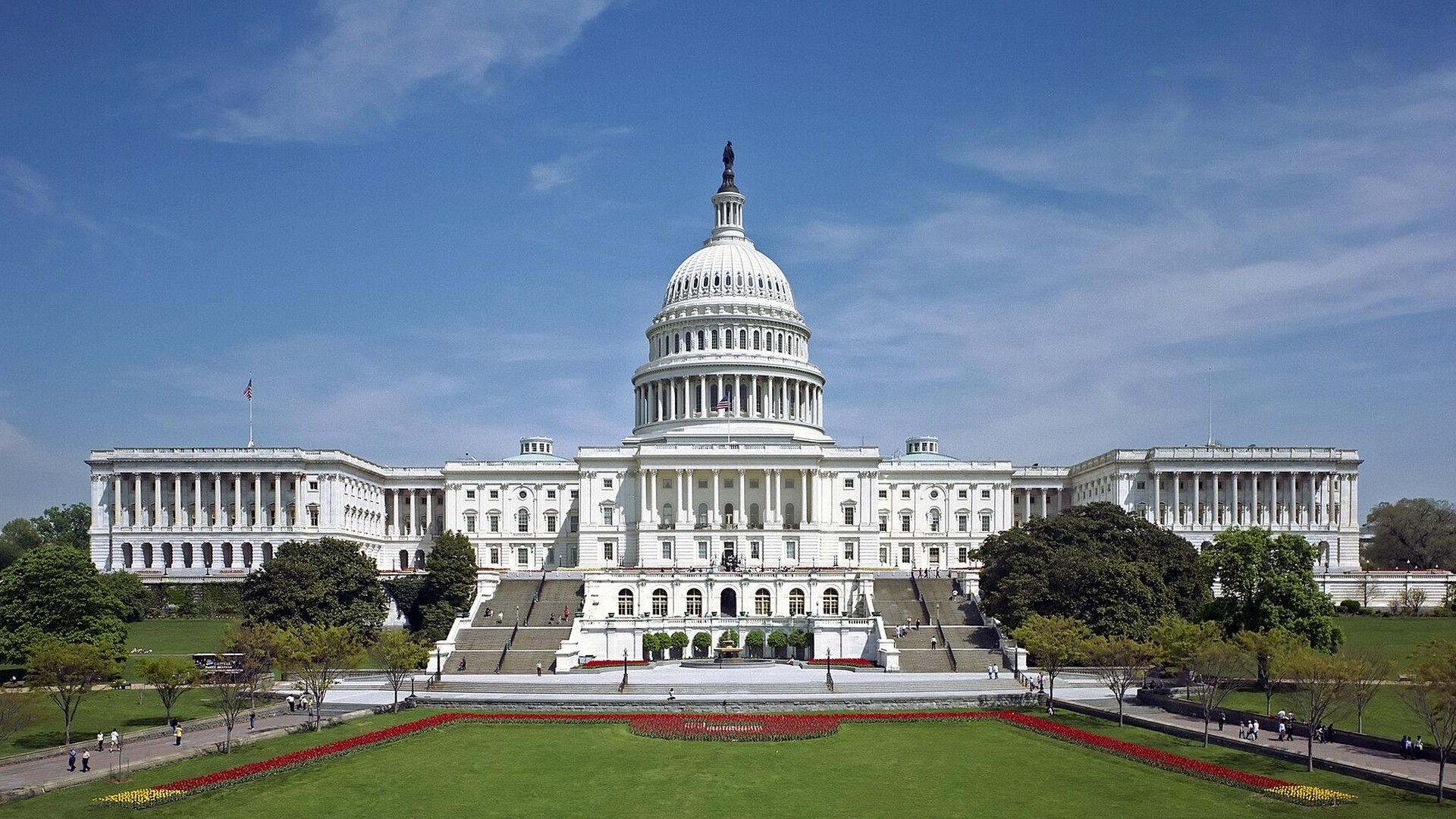
That is when Congress reviews the results in Washington.
The guardians will share space with official observers from several directions.
Harmeet Dhillon, who leads the Civil Rights Division, announced the observer plan last month.
The Justice Department will send 1,000 observers nationwide.
Dhillon called it the largest election monitoring effort in department history.
A record number of bipartisan congressional staff will also watch up to 45 close races.
Representative Joe Morelle said those staff will take contemporaneous notes for any contest.
All of this watching lands on an election already being fought in the courts.
In Louisiana, judges are weighing the fate of the last Black district in that state.
The lesson of this week is simple enough for any voter to carry.
Cast the ballot, and know that thousands of trained neighbors intend to guard it.