8 min read
Major Takeaways
- Madam C. J. Walker rose from cotton fields and wash tubs to build a national beauty company.
- She trained and paid thousands of Black women as agents, stylists, and teachers.
- Her factory in Indianapolis and her sales force stretched across the United States and beyond.
- She used her money for schools, civil rights, and the fight against lynching.
- Her model still speaks to Black founders who build wealth and open doors for others.
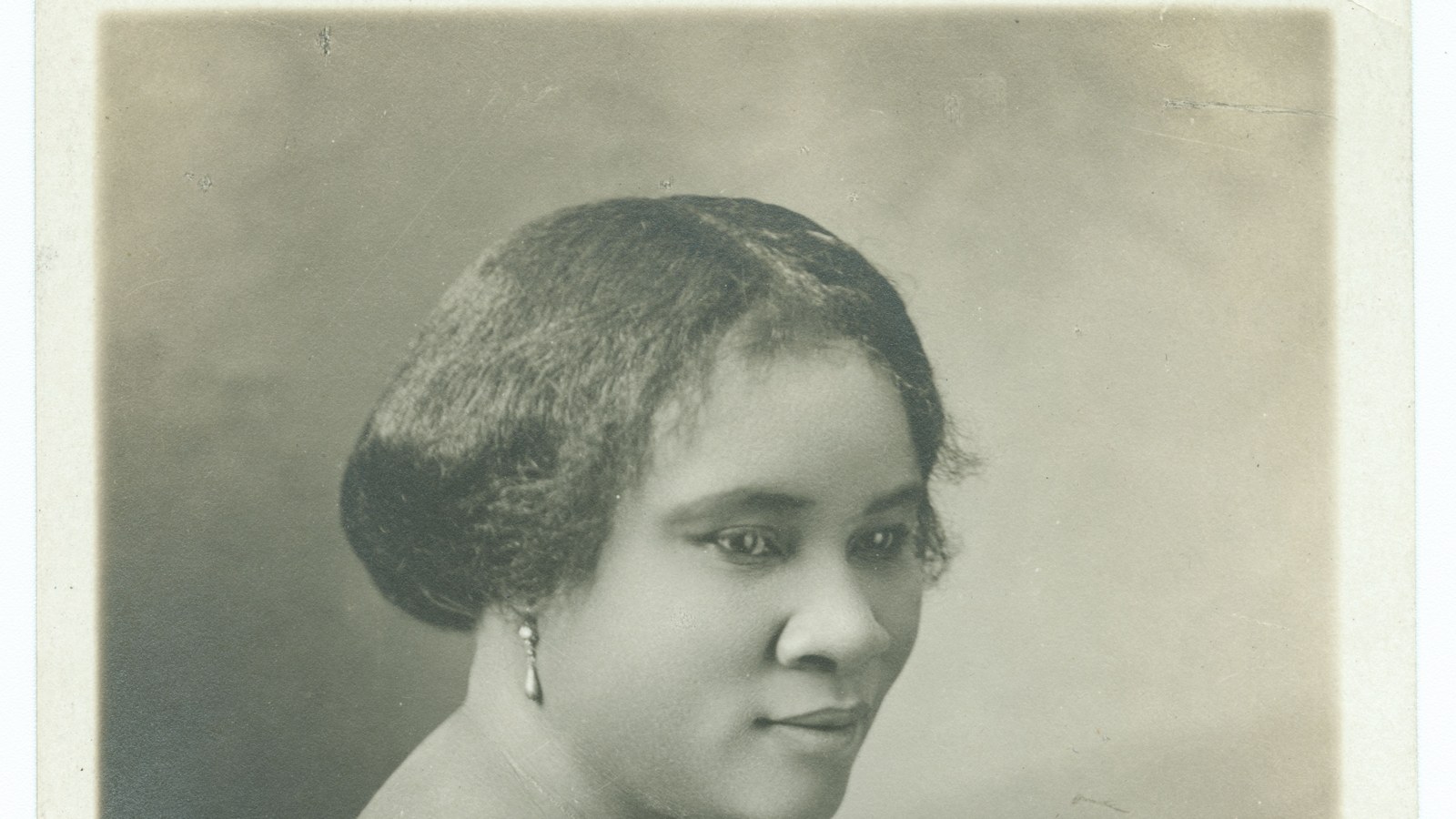
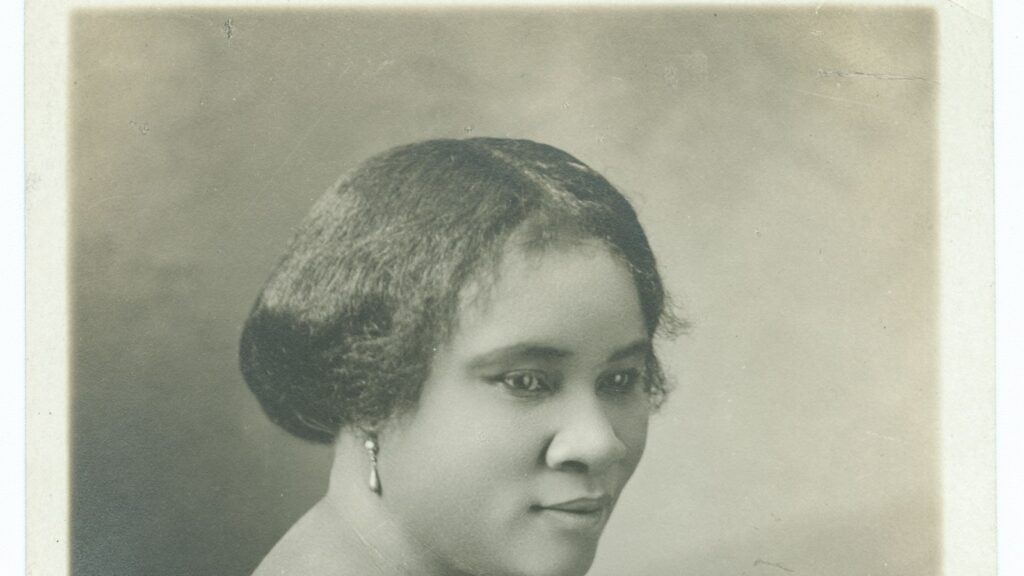
Madam C. J. Walker is recorded as the first female self made millionaire in America.
That label matters, but it does not tell the whole story.
Walker built more than a fortune.
She built jobs, training, pride, and a path to income for Black women shut out of most work.
Her life began in deep poverty in the rural South.
It ended in a mansion in New York, with her name on a factory and a movement.
A Child Born Free Into Hardship
She was born Sarah Breedlove on December 23, 1867, near Delta, Louisiana.
Her parents, Owen and Minerva Breedlove, had been enslaved on a Madison Parish plantation.
Sarah was the first child in her family born into freedom.
Freedom did not bring ease.
Both of her parents had died by the time she was seven years old.
She went to live with her older sister Louvenia and her brother in law.
She worked in cotton fields as a child.
To escape abuse in that home, she married Moses McWilliams at age fourteen.
She gave birth to her daughter Lelia, later known as A’Lelia Walker.
At age twenty, Sarah was a widow with a young child to raise alone.
She later summed up those years in plain words.
She said she came from the cotton fields of the South.
From there, she said, she was promoted to the wash tub and then to the kitchen.
From there, she promoted herself into business.
A Wash Tub Wage and a Painful Problem
Walker moved to St. Louis, where several of her brothers worked as barbers.
She worked as a washerwoman for as little as one dollar and fifty cents a day.
She did that work for years while she raised her daughter.
She wanted Lelia to receive the formal education she herself had been denied.
In the 1890s, Walker began to lose her hair from a scalp condition.
Such loss was common for women with limited access to clean water and care.
Her brothers gave her an early education in hair and scalp care.
She also sold products for Annie Turnbo Malone, another Black beauty entrepreneur.
Walker experimented with remedies of her own and prayed for a solution.
She said the formula came to her in a dream.
What followed was work, testing, and a product she could stand behind.
Madam C. J. Walker Turns a Formula Into a Company
In 1905, Walker moved to Denver to build her own line.
Family accounts place her starting cash at one dollar and twenty five cents.
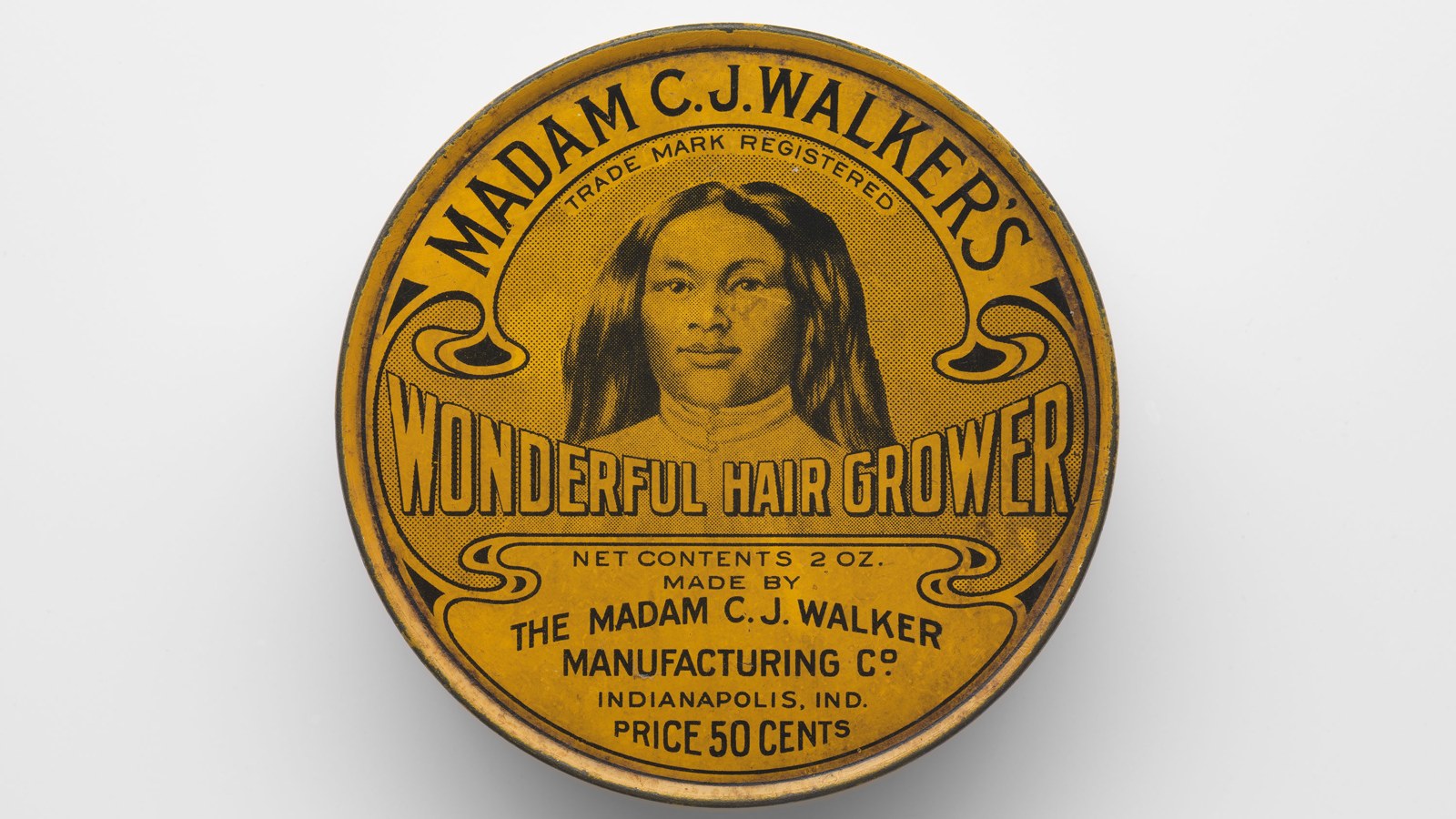
Her early star was Madam Walker Wonderful Hair Grower, a scalp treatment.
In 1906, she married Charles Joseph Walker, who worked in newspaper advertising.
She took a form of his name and became Madam C. J. Walker.
The word Madam gave her brand instant respect in an era that denied it to Black women.
She and her husband traveled and sold the Walker Method door to door.
Her daughter ran the growing mail order side of the business.
Ads in Black newspapers carried her face and her story across the country.
She was her own best proof, and customers could see her hair and her confidence.
Like the women in our feature on Mary McLeod Bethune Built a College and a Movement, she turned personal grit into an institution.
Indianapolis and a Workforce of Black Women
In 1908, Walker moved to Pittsburgh and opened a school for her stylists.
In 1910, she moved to Indianapolis and built a factory and headquarters.
That base housed her company, a beauty school, and a salon.
She invested ten thousand dollars to incorporate and kept full ownership of her stock.
Outside investors had not lined up for a Black woman founder.
So she funded the ground she stood on herself.
At the National Negro Business League, Booker T. Washington first kept her off the program.
On the final day, Walker rose and addressed the room anyway.
She told the crowd she had built her own factory on her own ground.
The next year, she returned as a scheduled speaker.
Her sales system did what that factory alone could not do.
Walker agents learned the Walker System in training programs across the country.
By 1919, she reported more than twenty thousand agents selling her products.
Other accounts place her broader workforce in the tens of thousands.
Agents earned real commissions and could support families on their own terms.
That independence echoes the story told in Pullman Porters and the Black middle class, where steady wages changed whole households.
Her products reached Central America and the Caribbean as well.
In 1917, she held a national convention for her agents.
She gave prizes to top sellers and to chapters that raised money for good causes.
The message was clear and repeated often.
Do not sit and wait for opportunity to arrive.
Get up and make it.
Wealth With a Job to Do
Walker sales passed five hundred thousand dollars in the final year of her life.
Her personal fortune was estimated at six hundred thousand to seven hundred thousand dollars at her death.
Ownership of her company and her properties pushed her total worth higher still.
She gave one thousand dollars to help build a Black YMCA in Indianapolis.
At the time, a gift of that size from a Black woman drew national attention.
She paid tuition for six Black students at Tuskegee Institute.
She gave five thousand dollars to the NAACP campaign against lynching.
That gift was the largest the campaign had received at that point.
She also gave the largest single gift to help preserve the Washington home of Frederick Douglass.
Schools, orphanages, and Black colleges across the South received her support.
Near the end of her life, she revised her will.
She directed two thirds of future net profits from her company to charity.
For Walker, profit and purpose were never separate ledgers.
Villa Lewaro and a Voice in Washington
In 1916, Walker moved to New York and joined her daughter in Harlem.
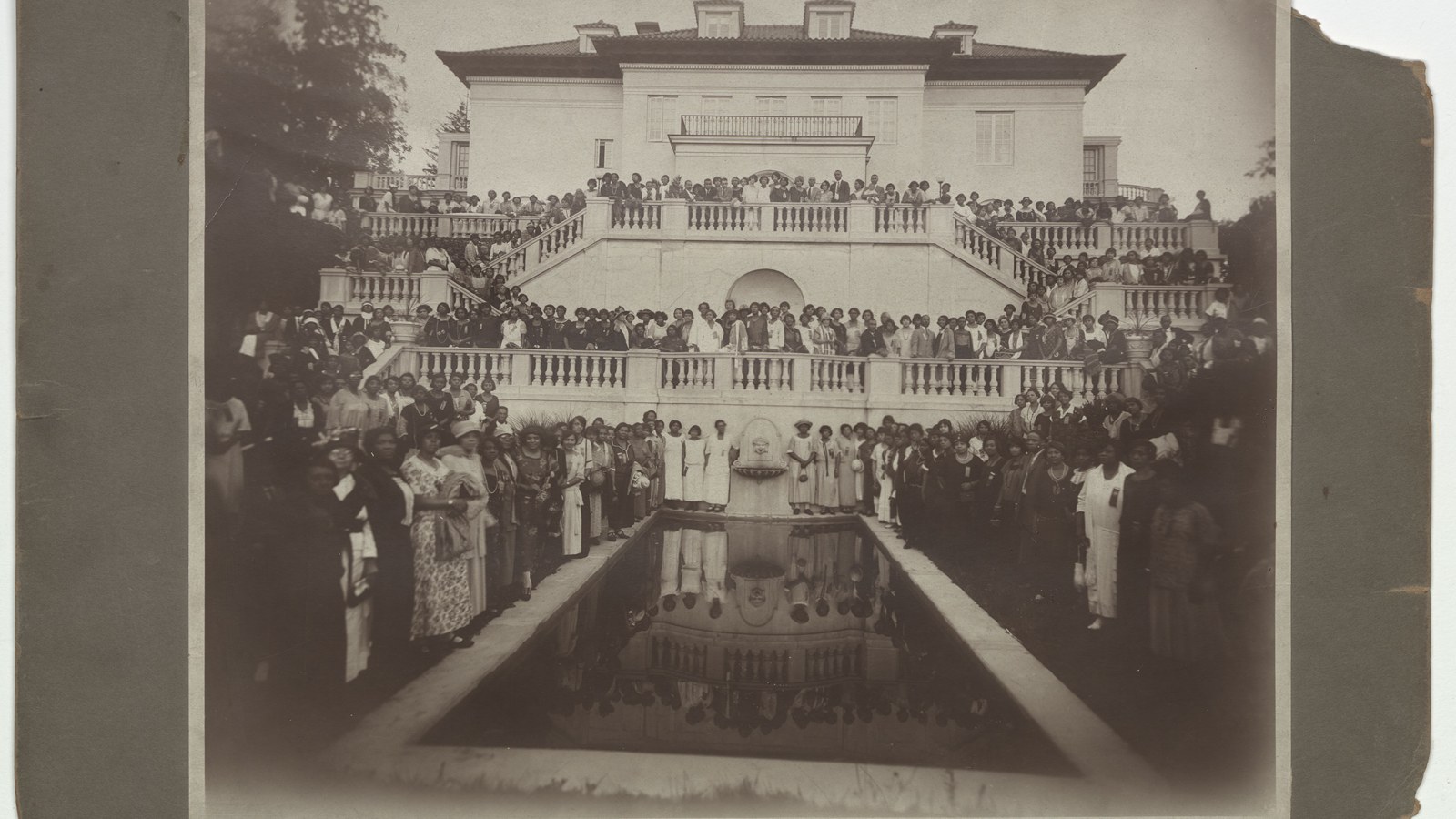
She built Villa Lewaro, her estate in Irvington, New York, on the Hudson River.
The home was designed by Vertner Woodson Tandy, a pioneering Black architect.
Its thirty rooms stood in a wealthy suburb near the estates of famous tycoons.
Walker used that address as proof of what Black business could achieve.
The estate later became a National Historic Landmark.
In Indianapolis, the Walker headquarters building she planned opened in December 1927.
It held offices, a theater, a school, a salon, a restaurant, and a ballroom.
It still stands as the Madame Walker Theatre Center.
Wealth did not move Walker away from the fight for rights.
In 1917, she traveled to the White House with other Harlem leaders.
The group asked President Woodrow Wilson to make lynching a federal crime.
Wilson did not meet with them that day.
Walker kept speaking, giving, and organizing anyway.
She died on May 25, 1919, at Villa Lewaro, at age fifty one.
The cause was complications from hypertension and kidney failure.
Shortly before her death, she said she wanted to live to help her race.
What Madam C. J. Walker Still Teaches Builders Today
Walker’s story lands with force in a moment full of Black women founders.
Many still face closed doors at banks and in investor rooms.
Many still build from small cash, loyal customers, and sheer endurance.
Walker shows the power of owning the brand, the factory, and the training.
She shows the power of paying other women well and teaching them to lead.
She shows that a business can carry a community agenda without apology.
Her name still lives on in products sold today under her brand.
It lives on in the Indianapolis theater that bears her name.
It lives on every time a founder refuses to wait for permission.
Explore more stories like this one at Urban City Podcast, where Black history stays part of the present tense.
Sarah Breedlove began life with almost nothing the world values.
She left behind a company, a trained workforce, and a standard for giving.
That is why Madam C. J. Walker still matters.
She did not only get rich.
She made room for thousands of Black women to earn, learn, and rise with her.