7 min read
Major Takeaways
- Louisiana Black voters are rallying to protect the last majority Black congressional district in the state.
- A three judge panel hears arguments in Shreveport on Tuesday October 27 at 10:30 a.m.
- The state wants the Callais case closed. The plaintiffs want it open to examine the 2nd District.
- Black voters made up 31.7 percent of all voters on the first day of early voting statewide.
- Early voting ends Tuesday October 27, and Election Day is Tuesday November 3.
Louisiana Black voters are heading into the most important court week of this election season.
A federal panel in Shreveport will decide whether a landmark redistricting case ends or grows.
At stake is the 2nd Congressional District held by Representative Troy Carter of New Orleans.
It is now the only majority Black congressional district left in Louisiana.
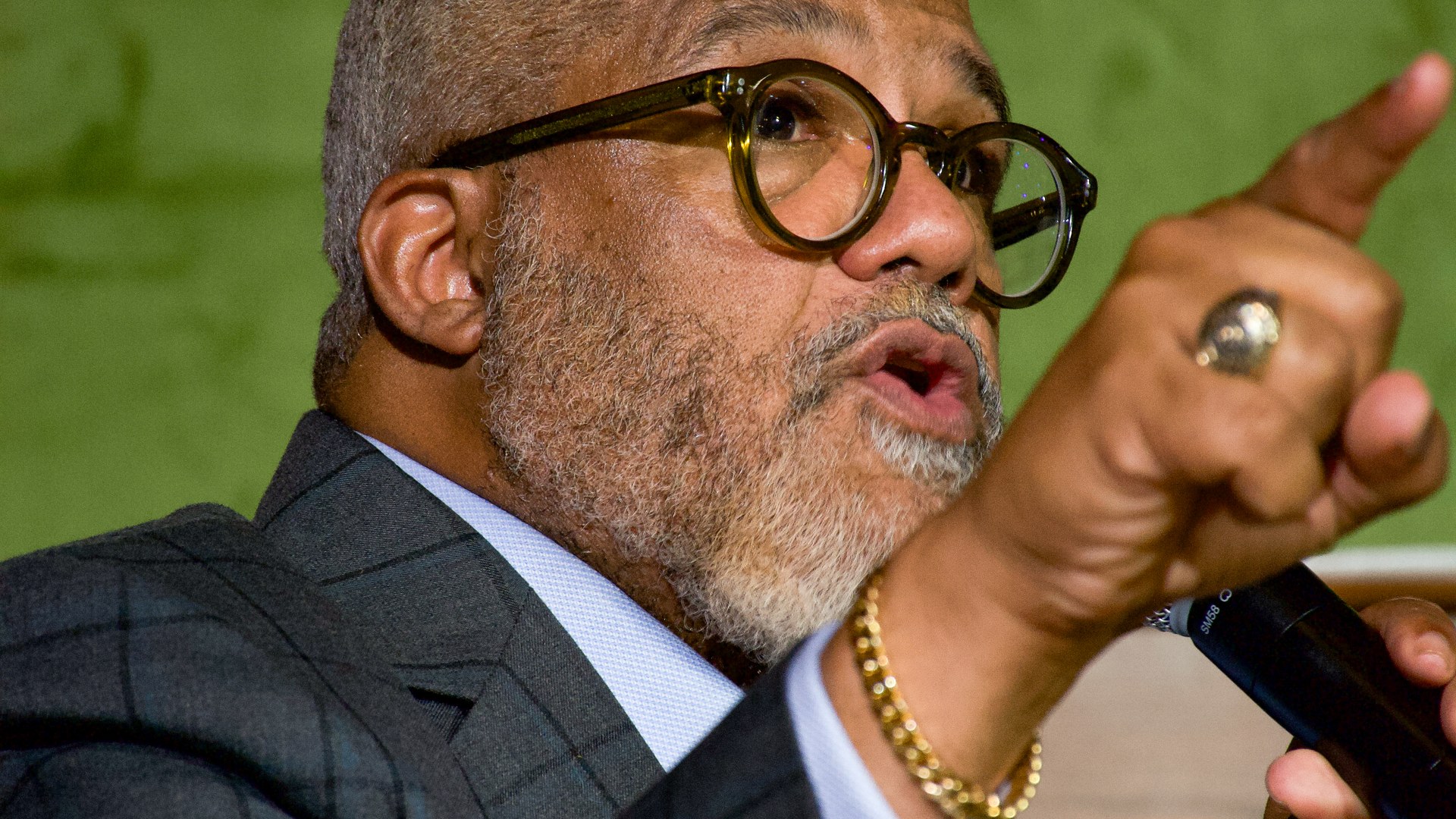
Representative Troy Carter speaking at Essence Festival of Culture in 2026. Photo: TheSingingPhotographer via Wikimedia Commons, CC BY SA 4.0
Louisiana Black voters face a court date in Shreveport
The hearing is set for Tuesday October 27 at 10:30 a.m. in federal court in Shreveport.
A three judge panel will hear the arguments in the case known as Louisiana v. Callais.
The panel includes former Fifth Circuit Chief Judge Carl E. Stewart of Shreveport.
District Judges David C. Joseph and Robert R. Summerhays complete the panel.
Attorney General Liz Murrill is expected to ask the panel to end the case for good.
Her filing argues the Legislature redrew the 6th District on May 29 to fix the violation.
She argues keeping the case open would waste judicial and party resources over the next year.
She also notes the plaintiffs own lawyers claimed complete success on all claims in a fee request.
The Callais plaintiffs see the case very differently and want it to stay open.
Their filings say the same logic that struck down the 6th District could apply to the 2nd.
Lead plaintiff Bert Callais was moved from the 6th District into the 2nd District by the new map.
His lawyers wrote that a case is not moot if it resolves some of but not all of the injury.
They wrote that the move leaves him in a potentially racially gerrymandered district.
If the case stays open, both sides must submit a proposed roadmap by December 15.
How Louisiana lost its second majority Black district
The Supreme Court decided Louisiana v. Callais on April 29 by a 6 to 3 vote.
Justice Samuel Alito wrote for the majority and Justice Elena Kagan dissented.
Justices Sonia Sotomayor and Ketanji Brown Jackson joined that dissent.
The court narrowed Section 2 of the Voting Rights Act in that ruling.
It held the Act did not require Louisiana to create an additional majority minority district.
Without that requirement, the court found no compelling interest justified the use of race.
The district at issue was the 6th District held by Representative Cleo Fields.
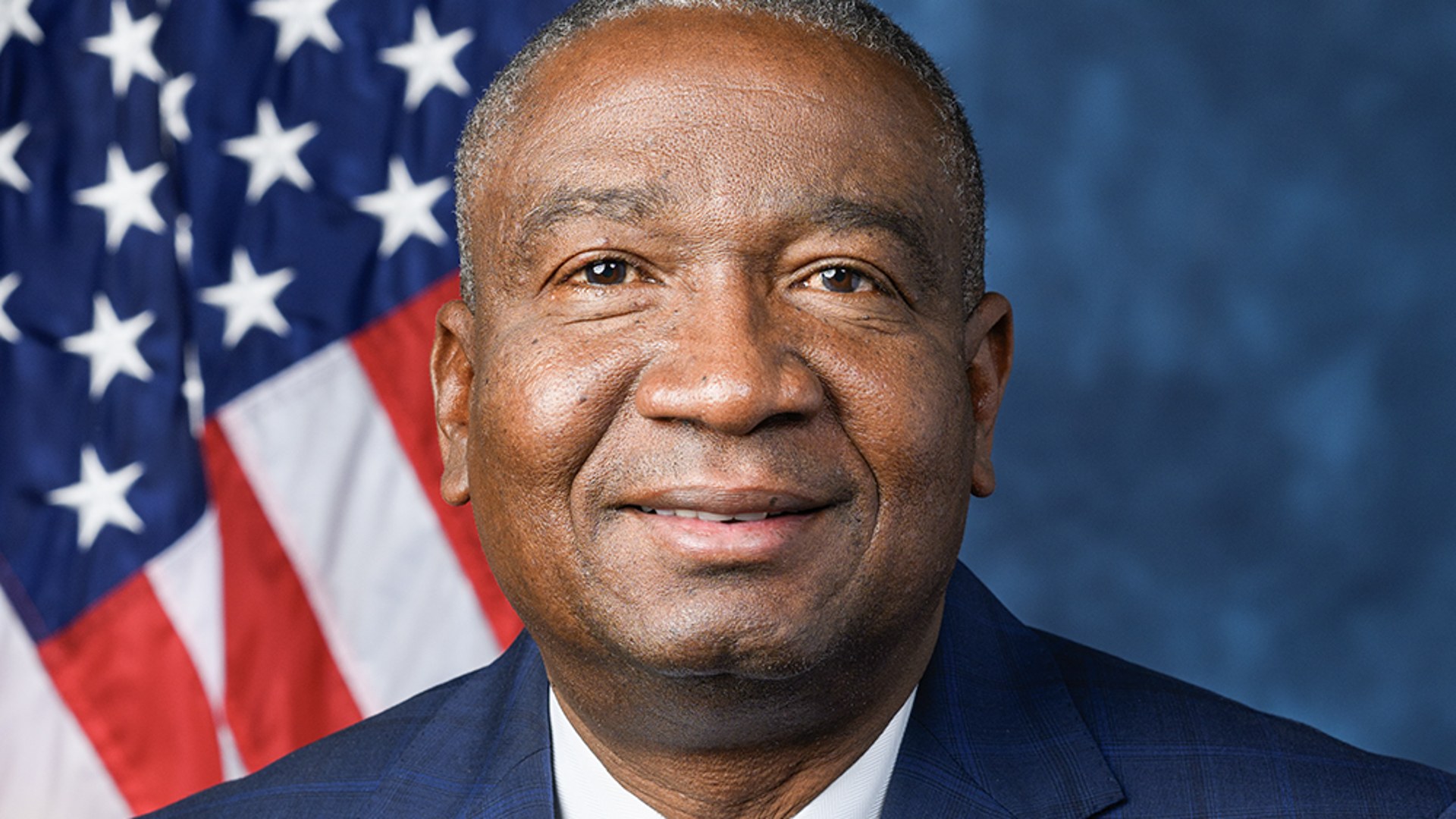
Representative Cleo Fields in his official portrait for the 119th Congress. Photo: Ike Hayman, House Creative Services via Wikimedia Commons, public domain
Lawmakers then replaced the map and the 6th District changed dramatically.
Its Black share fell from 53 percent to 25 percent under the new lines.
Fields announced he would run for his old state Senate seat instead.
The new map favors five white Republicans and one Black Democrat in the delegation.
The prior map sent four Republicans and two Democrats to the House.
Black residents make up about one third of the population of Louisiana.
White majorities in the state have never elected a Black candidate to Congress.
About 40 of the 140 minority majority districts in the nation were drawn because of the Voting Rights Act.
That law was enacted more than 60 years ago to secure minority representation.
Read more in our coverage of Justice Kagan warning that court rulings hurt Black voters.
Carter and advocates push back in plain language
Carter represents a district that runs along the Mississippi River from New Orleans to Baton Rouge.
Sixty percent of the registered voters in his district are Black.
He answered the new challenge with a sharp rebuke this month.
They will never stop in their quest for a return of Jim Crow, Carter said.
Ashley Shelton leads the Power Coalition for Equity and Justice in New Orleans.
She called the move against the last district particularly cruel in a recent discussion.
Shelton noted a practical reality that map drawers cannot escape in Louisiana.
She said there are too many Black people in the state for the plan to avoid unintended consequences.
If the 2nd District is redrawn, many of its voters would land in the 1st District.
That district is held by Representative Steve Scalise and only 12 percent of its registered voters are Black.
A broad coalition is organizing a Day of Action around the hearing on Tuesday.
The coalition includes the Legal Defense Fund and the ACLU of Louisiana.
It also includes the Power Coalition for Equity and Justice and Black Voters Matter.
Boots on the Ground rounds out the groups mobilizing supporters for Shreveport.
Supporters plan a press conference after the hearing with attorneys and coalition leaders.
The day closes with a community effort to lead participants to an early voting site nearby.
Our recent report on the NAACP and Kamala Harris teaming up to mobilize Black voters shows this same energy nationwide.
Black turnout is surging as early voting runs to October 27
Louisiana Black voters are not waiting on the courts to make their statement.
They turned out in big numbers on Tuesday October 20, the first day of early voting.
A total of 114,655 people voted that day across the state.
That was the third highest first day total since 2008.
Black voters were 31.7 percent of all voters on that first day.
Black voters are 31.3 percent of the full electorate in Louisiana.
That showing marked the second highest Black first day turnout since 2008.
Pollster John Couvillon tracked the numbers closely as they came in.
He found Black voters were 34.9 percent of people who voted in person on Tuesday.
They were 27.5 percent of the 52,500 mail ballots received that day.
Another 62,000 people voted in person on that first day.
Democrats were 45 percent of first day voters and Republicans were 39 percent.
Couvillon said he does not think the strong start was just a one day spike.
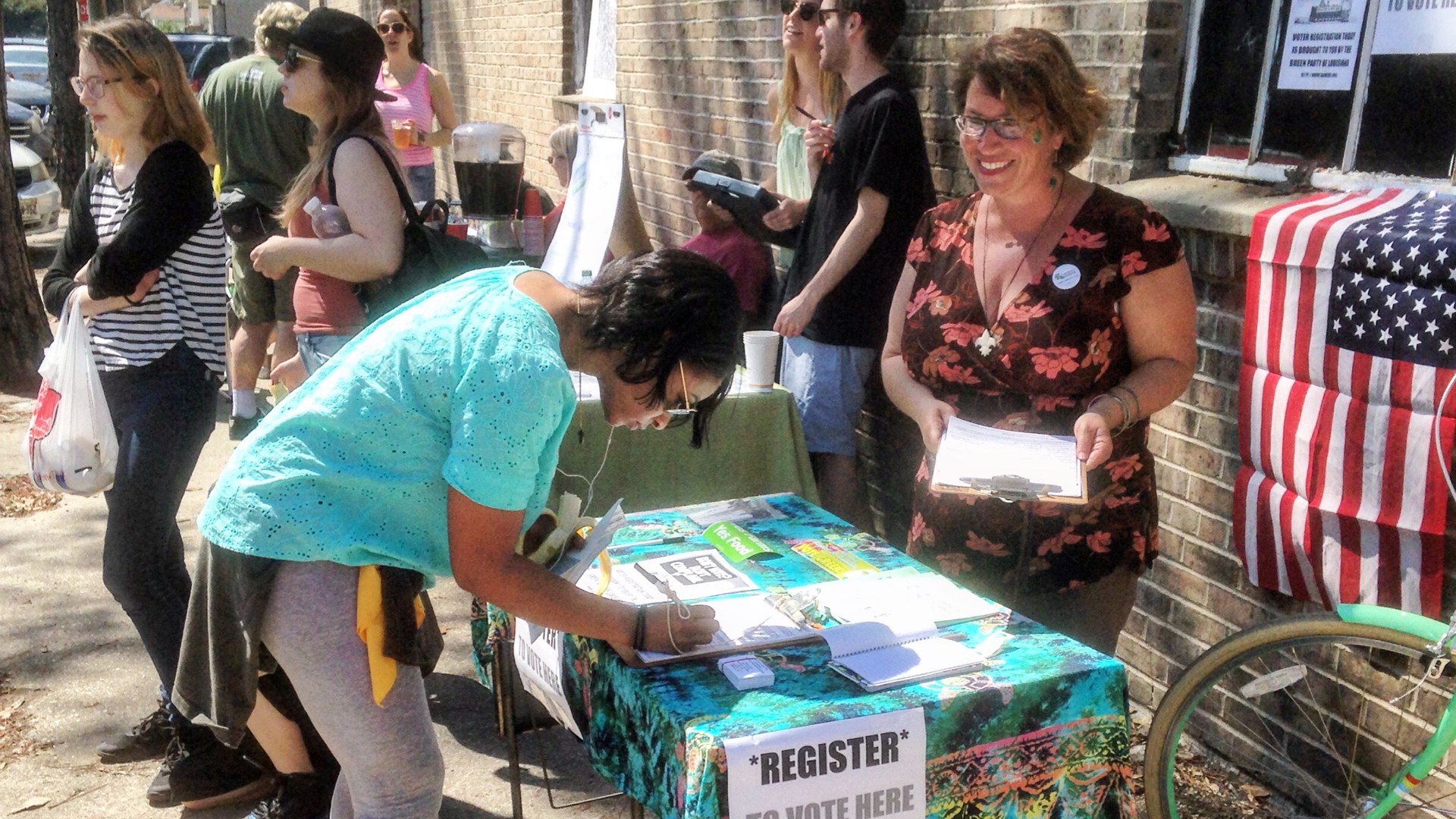
Residents at a voter registration drive in New Orleans. Photo: Bart Evers via Wikimedia Commons, CC BY 2.0
Early voting runs at 112 locations statewide from 8:30 a.m. to 6 p.m. each day.
It continues through Tuesday October 27, with no voting on Sunday.
Senate candidate Jamie Davis is a farmer from Tensas Parish on the ballot this fall.
He is trying to become the first Black person elected statewide in Louisiana in 150 years.
Operatives say his path needs 90 percent of the Black vote and strong Black turnout overall.
See all of our latest reporting in the News section at Urban City Podcast.
What happens next for representation in Louisiana
A dismissal on Tuesday would bring the current Callais case to an end.
It would not block separate future challenges to the congressional boundaries.
Keeping the case open would put the 2nd District itself under fresh examination.
No outcome in Shreveport will change the November 3 midterm elections this year.
The lines on the ballot this fall are already set for every Louisiana voter.
What is at stake is the map that comes after this election cycle ends.
That is why the hearing and the early voting line belong in the same story.
One decides who draws the lines and the other decides who shows up inside them.
For Black families in New Orleans, Baton Rouge, Shreveport and the river parishes, both matter deeply.
Congressional boundaries decide which communities vote together for a shared voice.
They decide which candidates must answer to those communities after Election Day.
They decide how effectively residents turn voting strength into real political influence.
Louisiana Black voters have already shown they plan to use that strength this fall.
Tuesday in Shreveport will show whether the courts let them keep the district built to hold it.