7 min read
Major Takeaways
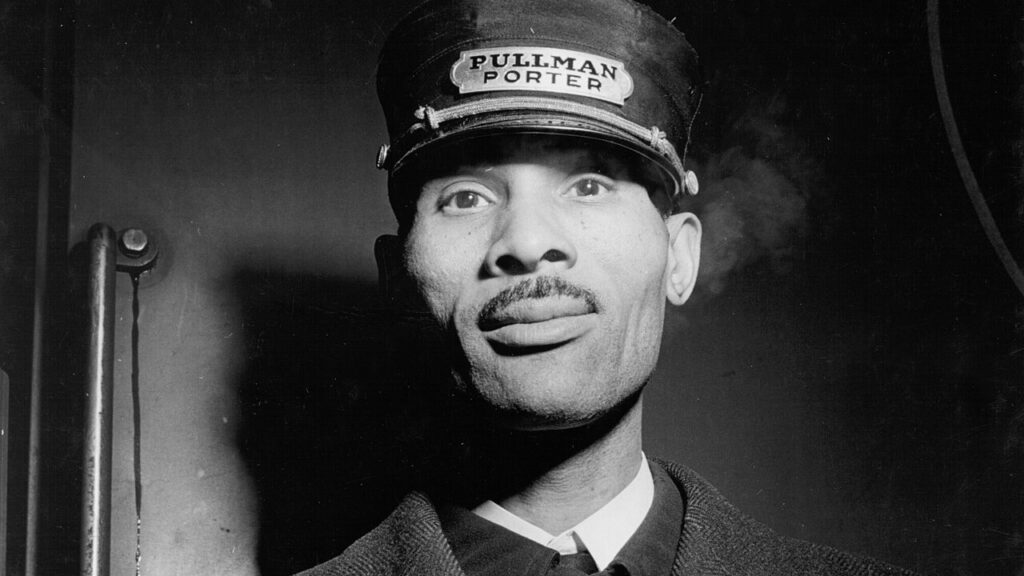
- Pullman Porters began work in 1867, just two years after slavery ended in the United States.
- They worked up to 400 hours a month for low pay and lived in large part on passenger tips.
- In 1925 they built the Brotherhood of Sleeping Car Porters under A. Philip Randolph.
- Their 1937 contract was the first pact between a Black union and a major American company.
- Porters carried news and ideas across the nation and helped lay groundwork for civil rights wins.
Pullman Porters turned one of the hardest jobs on the railroad into a ladder for Black families.
They served luxury cars by day and night while America denied them basic respect.
Their story is a labor story, a family story and a freedom story all at once.
Pullman Porters and a Job Born in 1867
In 1867 George Pullman started the Pullman Palace Car Company in Chicago.
His sleeping cars promised wealthy travelers comfort, fine service and rest on long trips.
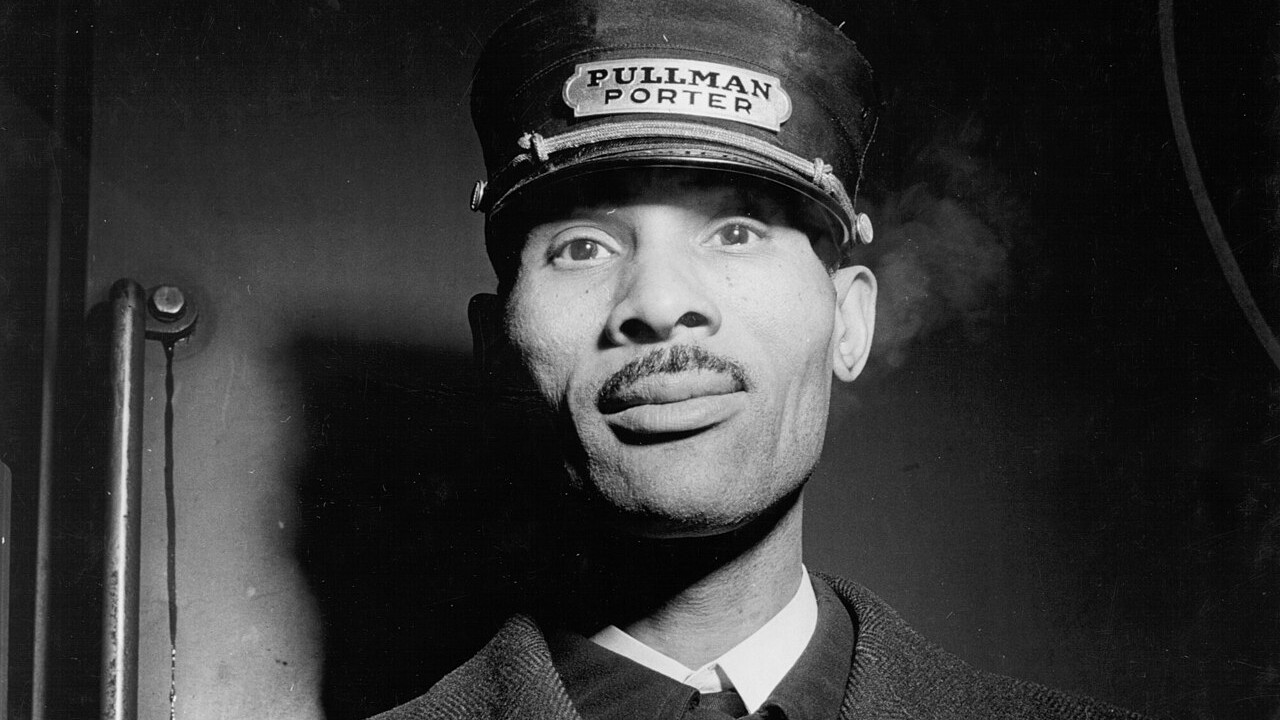
Pullman hired formerly enslaved Black men as porters for his luxury cars.
He believed they would be deferential and eager to serve white passengers.
That choice rested on racism, and it shaped the job from the very start.
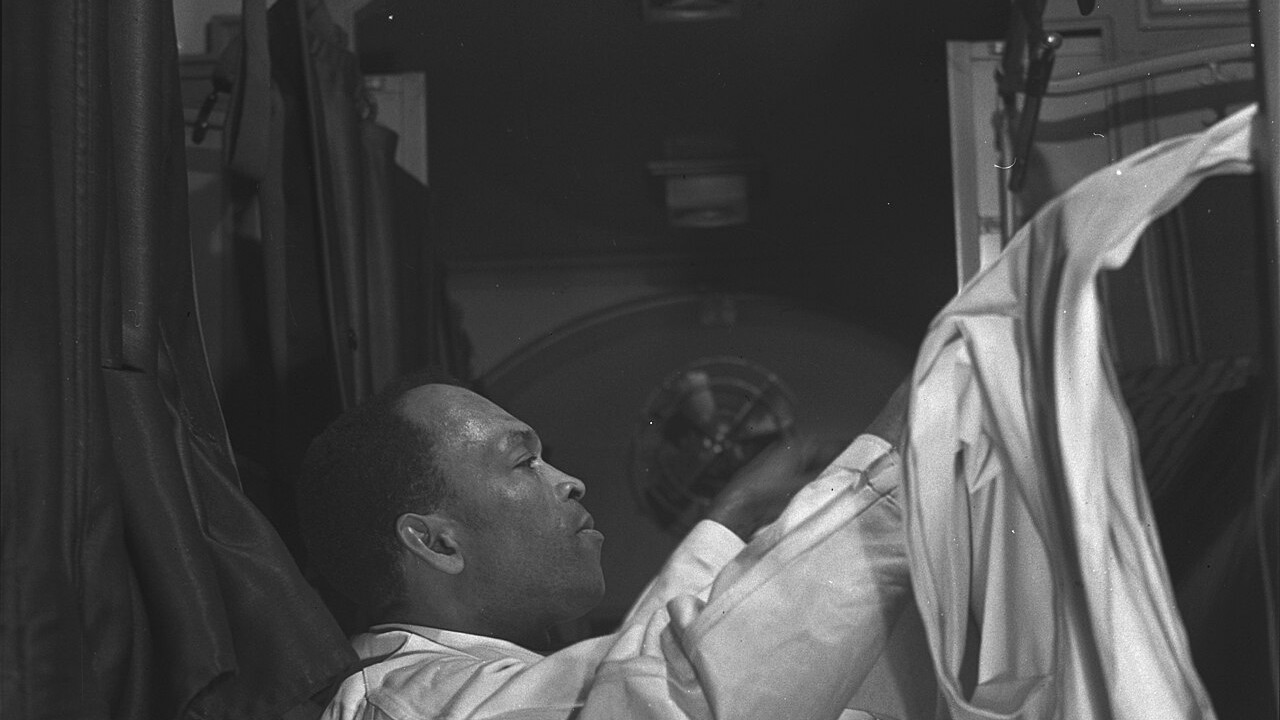
Porters made beds, carried baggage, served food and drinks and shined shoes.
They cared for passengers through the night and answered every call on the car.
Maids worked beside them on each train, usually one maid for a whole train.
Maids cared for children, helped sick passengers and attended to women travelers.
They also gave manicures and faced long hours with little rest or protection.
Work That Demanded Everything
Porters often worked up to 400 hours a month with little time off.
Their base pay was low, among the lowest paid of all train employees.
Tips filled the gap, so income depended on pleasing every passenger.
Porters bought their own uniforms and supplies out of their own wages.
Passengers often called every porter George, after the company founder.
Others called grown men boy, in a direct echo of slavery days.
Porters had to keep a pleasant face while absorbing racism and disrespect.
Yet the job was coveted and deeply respected in Black communities.
It paid more than most work open to Black men at the time.
It also offered travel at a time when most Black Americans could not travel freely.
By the 1920s the company employed about 12000 porters and 200 maids.
Pullman had become the largest single employer of Black workers in the nation.
Porters made up 44 percent of the Pullman rail car operations workforce.
A Union Built in Harlem in 1925
White rail unions had shut Black workers out for decades.
In the mid 1890s the American Railway Union organized Pullman workers but refused Black porters.
On August 25 1925 porters founded the Brotherhood of Sleeping Car Porters in New York City.
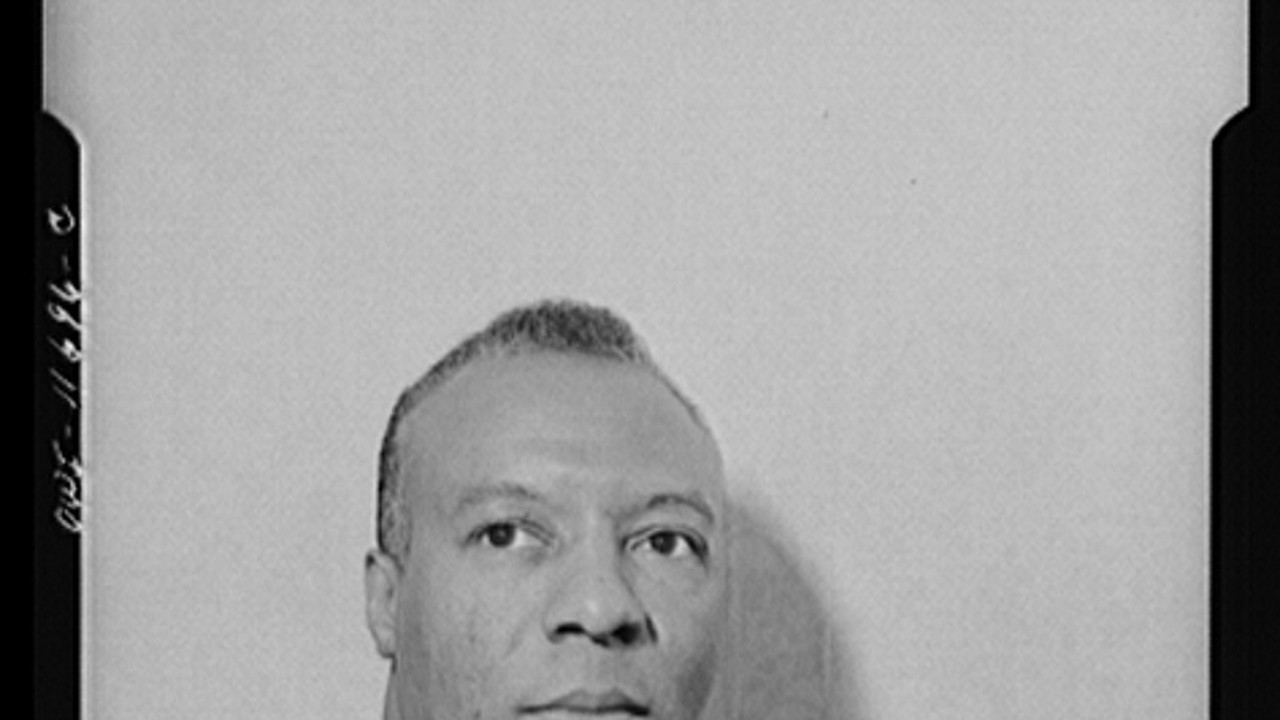
They chose A. Philip Randolph to lead the new union.
Randolph published The Messenger, a magazine of politics and culture in Harlem.
He did not work for Pullman, so the company could not fire him.
That freedom let him speak boldly where porters faced real risk.
The company fought back with pressure, spies and a rival company union.
Some Black leaders also feared the fight could cost prized jobs.
Still, porters and maids kept organizing in secret and in public.
Their motto captured the stakes in four plain words. Fight or be slaves.
The 1937 Contract That Made History
The fight took more than a decade of patience and discipline.
New federal labor law in the 1930s finally strengthened the porters hand.
In 1935 the Brotherhood won recognition as the voice of sleeping car porters.
That year it also became the first Black union to gain a charter from the American Federation of Labor.
In 1937 Pullman signed a contract with the Brotherhood at last.
It was the first agreement between a Black union and a major American company.
The pact raised wages and capped work at 240 hours a month.
Gains that followed included paid vacation days and a right to file grievances.
Porters on long trips gained a guarantee of 3 to 4 hours of sleep.
For Black America, the win proved organized workers could force a giant to bargain.
News and Ideas Rode the Rails
Porters did far more than serve passengers inside the cars.
They carried Black newspapers, music and ideas from city to countryside.
The Chicago Defender reached Southern readers in large part through porter hands.
White officials in parts of the South tried to ban that paper.
Porters still moved bundles by rail, and local readers passed each copy along.
Those pages urged families to seek jobs and dignity in the North.
In that way porters helped fuel the movement told in our Great Migration feature.
They also carried jazz and the blues into towns far from big city stages.
At home, porter wages helped families buy houses and build stable blocks.
Many saved so their children and grandchildren could attend college.
That next generation grew into a broad Black professional class across the nation.
Its ranks included figures in law, politics, journalism, music and sports.
From the Rails to the March
The Brotherhood trained organizers who later led fights far beyond the railroad.
Edgar D. Nixon led the Brotherhood chapter in Montgomery, Alabama.
After Rosa Parks was arrested in December 1955, Nixon helped start the bus boycott there.
Often away on porter runs, he enlisted a young minister named Martin Luther King Jr.
Randolph himself carried the labor fight straight to the White House.
In 1941 he threatened a mass march on Washington over defense job bias.
President Franklin D. Roosevelt answered on June 25 1941 with Executive Order 8802.
That order banned racial discrimination in defense industry hiring.
It also created the Fair Employment Practices Committee to enforce the ban.
More than two decades later Randolph helped lead the 1963 March on Washington for Jobs and Freedom.
The line from the sleeping car to that march is direct and clear.
Readers can trace a kindred press and protest tradition in our feature on Ida B. Wells.
Why Pullman Porters Still Matter Today
Passenger rail faded as cars and planes remade American travel.
Pullman ended its sleeping car service in 1969.
In 1978 the Brotherhood merged into a larger rail workers union.
Its lessons did not retire with the last sleeping car run.
Porters showed that dignity at work and racial justice belong in one fight.
They showed that service workers deserve set hours, fair pay and a grievance path.
Those questions still shape debates over tipped wages and gig work today.
They also showed how a steady job can build family wealth across generations.
Homes bought and degrees earned on porter pay still echo in Black families.
For readers today, their example is practical as much as it is proud.
Organize with patience. Protect one another. Refuse to accept less than dignity.
Explore more stories in this series and across Urban City Podcast.