7 min read
Major Takeaways
Midterm ad spending has passed 10 billion dollars, and Election Day is still more than two weeks away.
The flood of money is now the biggest story in the fight for Congress.
For Black voters, the question is simple. Will all that spending speak to real life, or just fill the screen?
- Ad spending for the 2026 cycle passed 10 billion dollars this week in aired ads and future reservations combined.
- The total has already passed the final totals of the last two cycles, which reached 9 billion dollars and 8.9 billion dollars.
- Senate races lead the flood, while 21 toss up House races have drawn 567.8 million dollars, an average of 27 million dollars each.
- Black voters say the economy and the cost of living drive this election, and a major survey finds 95 percent plan to vote.
- Strategists on both sides admit the spending now works like an arms race, where each side spends mainly to cancel the other side out.
Midterm Ad Spending Rewrites the Record Book
Tracking firm AdImpact reported on Wednesday that the 2025 to 2026 political cycle passed 10 billion dollars.
That figure counts ads that have already aired plus ads reserved through Election Day on November 3.
The firm projects the cycle will reach 11.6 billion dollars in total spending when the counting ends.
That projection includes 273 million dollars for radio alone, a lifeline for local stations across the country.
The pace has left earlier cycles behind. The 2019 to 2020 cycle finished at 9 billion dollars.
The 2021 to 2022 midterm cycle finished at 8.9 billion dollars, and this cycle passed both marks in October.
The 10 billion dollar figure covers ads only, across television, cable, digital, satellite and radio.
It does not count staff, offices, travel or the ground organizing that knocks on doors. Those costs add millions more.
Where the Money Is Flooding In
More than 3.8 billion dollars in ads have aired so far in House and Senate races alone.
That is 872.2 million dollars more than the same point in the 2024 cycle, with 837.7 million dollars still reserved.
Senate contests take about 61 percent of that congressional total, the largest share by far.
Across the eight Senate races rated competitive, advertisers have committed more than 1.5 billion dollars in spending and reservations.
Ohio leads the nation at 422.6 million dollars. Texas follows at 324.7 million dollars, then Maine at 199 million dollars.
Michigan stands at 191.9 million dollars and Iowa at 181.1 million dollars in the same Senate count.
House races tell the same story in smaller places. Twenty one toss up races average 27 million dollars per district.
The First District in North Carolina has drawn 41.3 million dollars, tied with a Florida district at the top of the House list.
That North Carolina district covers eastern Black Belt communities and is represented by Don Davis, who faces a harder map after redistricting.
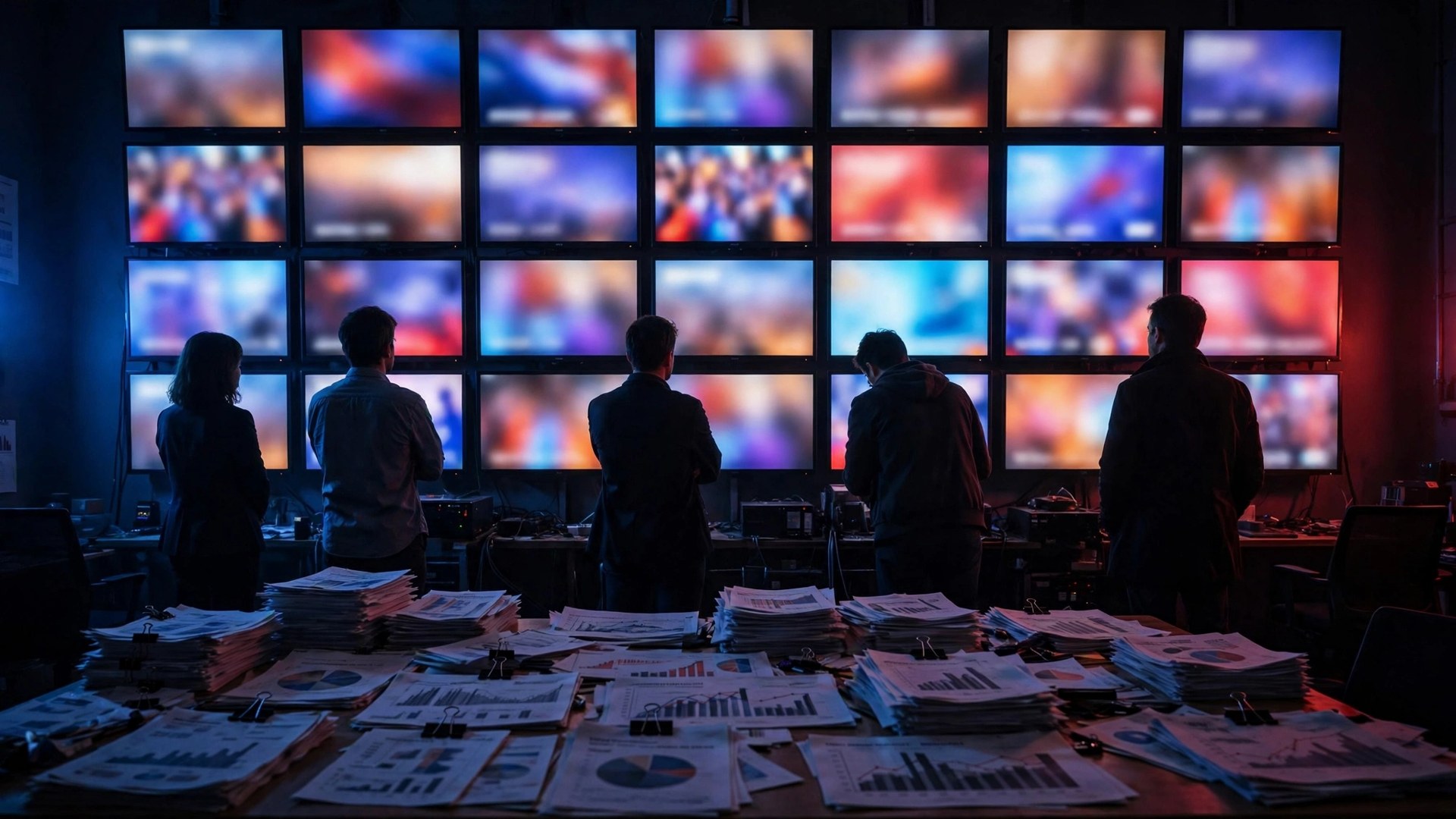
Money at that scale does not just buy ads. It buys repetition, and repetition shapes what voters think the election is about.
Why Black Voters Sit at the Center of This Fight
Both parties know Black turnout can decide close Senate and House races across the South and the Midwest.
That is why so much of this money lands in states where Black voters hold the balance, from North Carolina to Georgia to Michigan.
Georgia voters have already shown that energy at the polls. Read our coverage of the Georgia early voting record powered by Black voters for the full picture.
Yet the ads flooding those states chase a small slice of the electorate.
Analysts estimate that ten percent or less of voters are truly persuadable in this polarized moment.
The rest of the spending works to turn out loyal voters, tear down the other candidate, or simply match the other side dollar for dollar.
Republican strategist Mike Duhaime has said the point of much of this advertising is now to keep the other side from gaining an unchecked advantage.
That candor matters. It tells working families that billions flow not to inform them, but to neutralize the other team.
Ads Are Loud. Trust Is the Harder Problem.
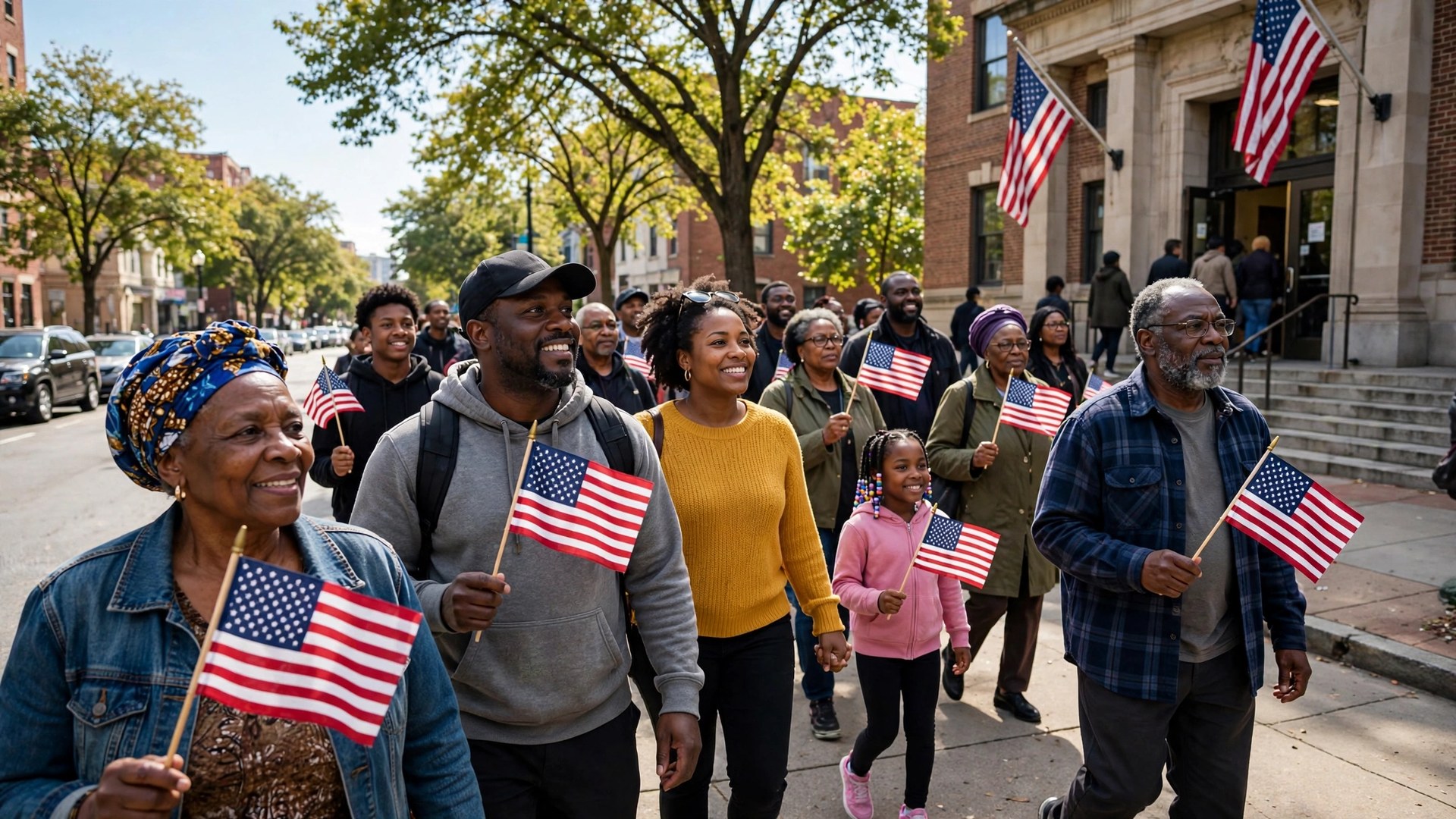
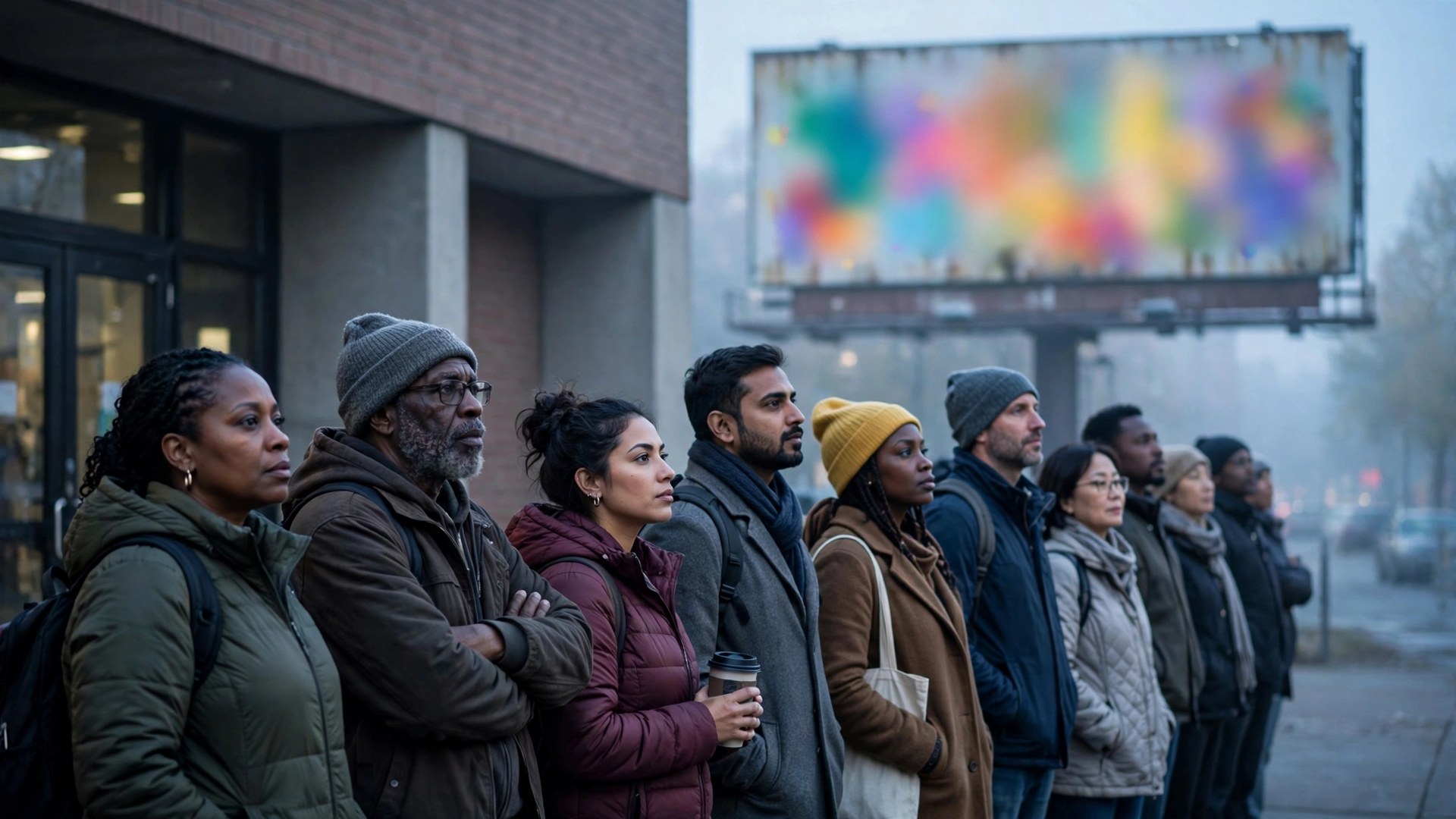
Early findings from the 2026 Black Census Project show a community ready to vote and deeply skeptical of the system asking for that vote.
The survey drew its first 6000 respondents from all 50 states and the District of Columbia.
Ninety five percent said they intend to vote in 2026, including 95 percent of respondents under the age of 30.
Only 3 percent said they trust the federal government. Twenty two percent said they trust Black elected officials.
Black Futures Lab executive director Kristin Powell put the stakes plainly. She said Black political power is more than a turnout number on Election Day.
The dreams respondents named were practical. Forty four percent dream of becoming free of debt.
Forty one percent dream of improving their physical health. Thirty five percent dream of earning more money.
Twenty five percent dream of safe and affordable housing, and 23 percent dream of owning a home.
Voters across the country give pollsters the same message. Their top issues are the economy and the cost of living.
Inflation is up. Gas prices have spiked since the start of the Iran war, and groceries cost a third more than they did in 2019.
Those pressures land hardest in Black households, where the same bills meet lower median wealth and thinner savings.
Our recent coverage of the ACA premium spike hitting Black families before the midterms shows how health costs sharpen that squeeze.
How the Money Flood Was Built
There are limits on what one person can give a campaign directly. There are no limits on giving to super PACs.
That opening comes from the Supreme Court decision in Citizens United in 2010, which freed corporations and wealthy donors to spend without a cap.
Super PACs can support or oppose candidates in public, but they cannot coordinate directly with campaigns.
In practice, the walls are thin and the checks are enormous. Elon Musk alone has given 276 million dollars to Republican groups since July.
George Soros has given more than 100 million dollars to support Democrats in this cycle.
When single donors can outspend whole communities, the definition of representation itself comes under strain.
Black communities have felt that strain before, in fights over voting rules where well funded legal teams worked to shrink access to the ballot.
Our reporting on the federal voter list fight in California shows how those battles still run alongside the ad wars.
What to Watch in the Final Two Weeks
Spending does not guarantee victory. Democrats spent more than Republicans in 2024 and still lost the biggest prize.
Midterms are different, though. Turnout falls, many House and Senate candidates start out little known, and ads can define them fast.
That is why the final two weeks matter so much in the districts where Black voters are concentrated and races sit within a few points.
Watch whether campaigns spend their last dollars on honest turnout work in Black neighborhoods, or on fear and noise aimed at a tiny persuadable slice.
Watch also whether the promises in the ads match the dreams Black voters named: lower debt, better health, higher pay and a home within reach.
Ten billion dollars can buy every screen in America. It cannot buy trust in a federal government that only 3 percent of Black survey respondents say they trust.
On November 3, the receipts get counted in ballots, not in ad buys. Black voters, organized and clear eyed, still hold receipts of their own.