5 min read
Major Takeaways
Duane “Keefe D” Davis was sentenced Tuesday to 40 years to life in prison for the 1996 murder of Tupac Shakur.
Davis, 63, was found guilty of first degree murder on August 31, becoming the only person ever charged in the killing.
Prosecutors built their case largely on Davis’s own words from interviews, documentaries, and his 2019 memoir.
Tupac’s sister and brother gave emotional statements in court before Judge Carli Kierny handed down the sentence.
Justice After 30 Years
On Tuesday, October 13, 2026, a Las Vegas courtroom finally closed one of the most painful chapters in hip hop history.
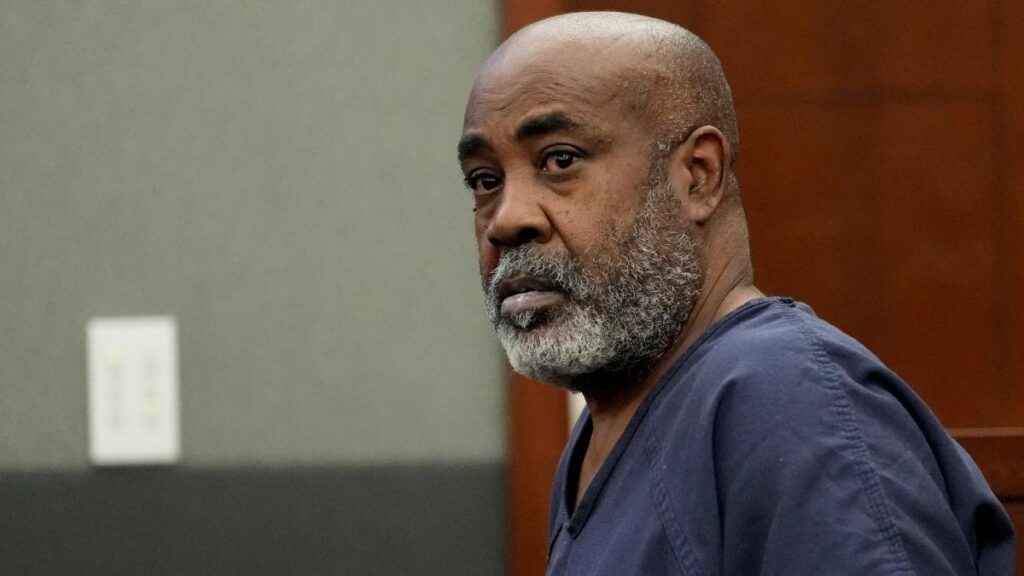
Duane “Keefe D” Davis, a former leader of the Southside Compton Crips, was sentenced to 40 years to life for orchestrating the drive by shooting that killed Tupac Shakur on September 7, 1996.
Davis received 731 days of credit for time already served.
He was 63 years old as he stood before Judge Carli Kierny to learn his fate.
For nearly three decades, Tupac’s murder stood as one of America’s most notorious unsolved cases.
No murder weapon was ever recovered. Witnesses stayed silent. Physical evidence faded with time.
Until Davis started talking.

His Own Words Sealed His Fate
Prosecutors did not have DNA. They did not have the gun. They did not have a cooperating eyewitness to the shooting itself.
What they had was Davis.
Over the years, Davis spoke openly in interviews, documentaries, and podcasts about his role in Tupac’s death.
He published a 2019 memoir recounting his version of events.
Prosecutors said that decision effectively destroyed his proffer agreement with police, in which he had shared information that could not be used against him in exchange for leniency on drug charges.
Judge Kierny ruled that Davis’s statements in his memoir and prior police interviews were admissible as evidence.
At trial, 24 prosecution witnesses and 3 defense witnesses testified over nine days.
The jury deliberated for less than three hours before finding Davis guilty of first degree murder with use of a deadly weapon.
Prosecutors never claimed Davis pulled the trigger. They argued he orchestrated the attack and supplied the gun.
Under Nevada law, that is enough for a murder conviction.

The Night That Changed Hip Hop
September 7, 1996. Las Vegas. Mike Tyson versus Bruce Seldon at the MGM Grand.
Earlier that night, Tupac and members of his entourage beat Davis’s nephew, Orlando “Baby Lane” Anderson, inside the casino.
The clash stemmed from bad blood between two Los Angeles area street gangs.
Davis led the South Side Compton Crips. Tupac, Marion “Suge” Knight, and Death Row Records were tied to Mob Piru.
Hours later, Tupac rode in the passenger seat of a black BMW driven by Knight.
A white Cadillac pulled alongside at a red light near the Las Vegas Strip. Shots erupted.
Tupac was hit multiple times. He died six days later on September 13, 1996. He was 25 years old.
Knight survived.
The question of who actually pulled the trigger has never been conclusively answered.
What This Means for Black America
Tupac Shakur was not just a rapper. He was a voice for a generation of young Black Americans who felt unseen.
His music spoke about poverty, police brutality, and survival with a honesty that mainstream America had never heard from a young Black man.
When he was killed at 25, at the absolute peak of his powers, it sent a shockwave through Black communities that still reverberates today.
His death also deepened the image of violence surrounding hip hop in the 1990s.
It fueled the East Coast versus West Coast feud that defined an era and cost more lives, including the Notorious B.I.G. six months later.
For 30 years, the lack of justice felt like confirmation that Black lives, even famous ones, did not get the same urgency from the system.
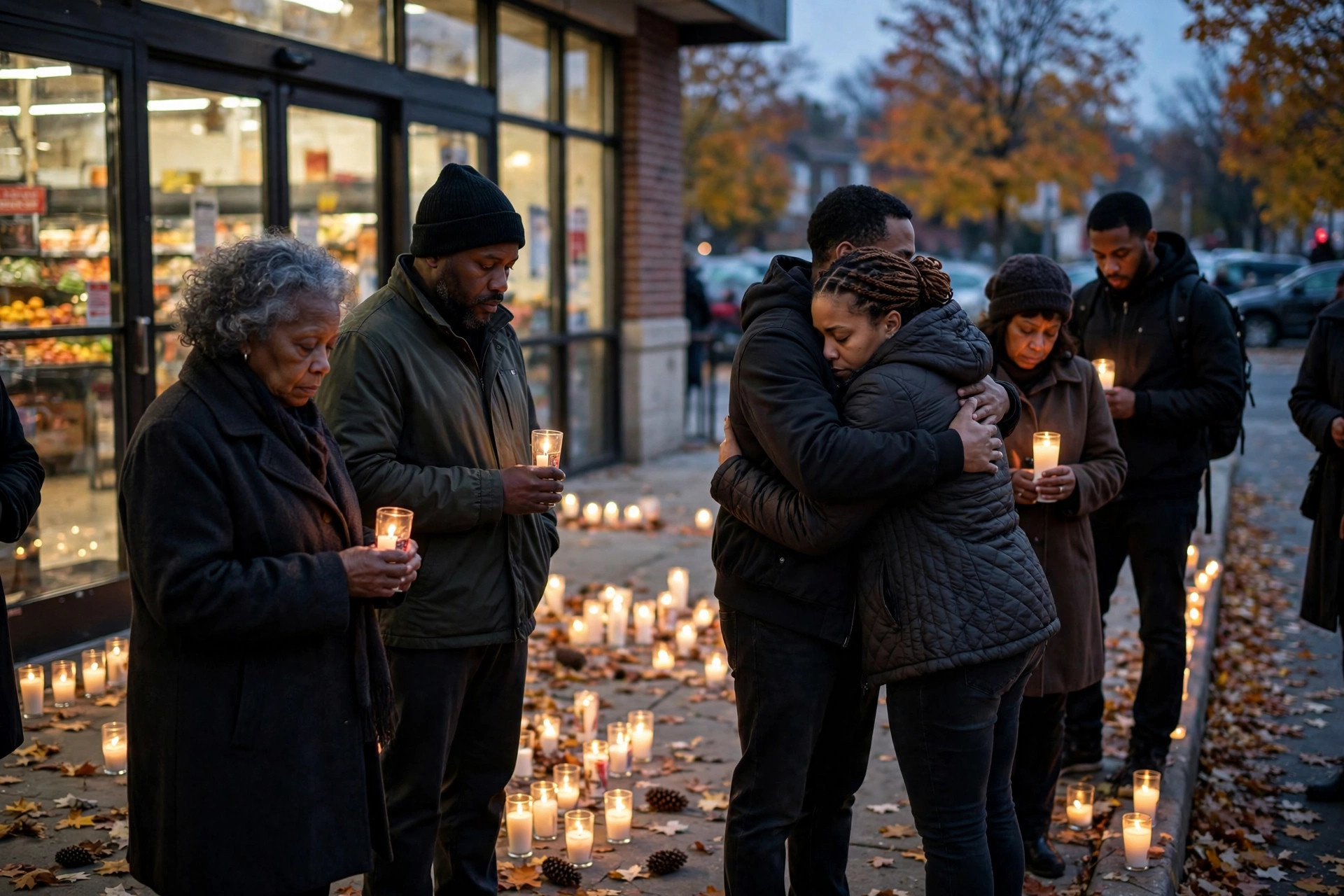
Today’s sentencing does not bring Tupac back. It does not undo three decades of pain.
But for his family, and for millions who loved him, it means the system finally said his life mattered enough to punish the man who took it.
The Family Speaks
Tupac’s sister Sekyiwa and brother Maurice were in court for the sentencing.
Sekyiwa told the court that losing her brother crippled the family emotionally and mentally for decades.
She said she has been hospitalized multiple times for depression and trauma.
She spoke about missing his laugh, his scars, even the way he ate.
She said Tupac was the masculine figure the family lost and never replaced.
Her brother Maurice spoke briefly but firmly.
Prosecutor Marc DiGiacomo asked the court for the maximum sentence.
He told the judge that Davis tried to profit from a killing he committed and did not deserve leniency.
Davis’s attorney Michael Sanft asked for 40 years and said they will appeal the conviction.
Davis himself said little. Asked if he had anything to add, he told the judge, “No I’m good.”
What Comes Next
Davis plans to appeal. His lawyer has argued prosecutors waited too long to bring the case.
That process could take years.
But for now, the only person ever charged in Tupac Shakur’s murder will spend the rest of his life behind bars.
Prosecutor DiGiacomo put it bluntly. Whatever sentence the court imposed, Davis is guaranteed to die in prison.
Thirty years. That is how long it took.
Justice delayed is justice denied, the saying goes. Today, for the Shakur family, it finally arrived.
Sources and Further Reading
Read the original reporting via CNN, Reuters, and the New York Post. For more on stories that shaped hip hop culture, see our entertainment coverage.