
Mardi Gras 2026: Joy, Flavor, and the Real Story Behind the Beads
By Urban City Digital News Desk• 5 min readEvery year, the world turns its attention to New Orleans for a celebration that is equal parts spectacle, history, and cultural declaration. Mardi Gras 2026 did not disappoint. Streets pulsed with music, parades rolled with theatrical precision, and millions gathered for an experience that continues to define American festival culture.
But let’s tell the truth the way Urban City readers expect it. Mardi Gras is not just glitter and brass bands. It is joy mixed with discipline, indulgence paired with tradition, and yes, moments of tension inside a gathering so massive it practically becomes its own temporary city.
A Tradition That Refuses to Age
Mardi Gras traces its roots back centuries through European Catholic traditions marking the final day before Lent. Over time, the celebration evolved into something unmistakably American and unmistakably Southern.
What makes New Orleans special is not simply that it hosts a large party. Plenty of cities throw festivals. What sets this one apart is cultural ownership. Generations of families build floats, sew costumes, rehearse marching routines, and organize social clubs known as krewes. This is inherited responsibility, not weekend entertainment.
From an Urban City perspective, that matters. Culture survives when people treat it like property worth protecting.
And in 2026, the turnout suggested that protection remains strong. Visitors packed hotels, restaurants ran at full capacity, and neighborhoods transformed into open air gathering spaces where locals and tourists stood shoulder to shoulder.
In an era where digital life often replaces real world connection, that kind of shared experience feels almost old fashioned in the best possible way.
The Fun: Organized Madness Done Right
Trying to describe Mardi Gras without smiling is nearly impossible. The atmosphere walks a tightrope between precision and chaos.
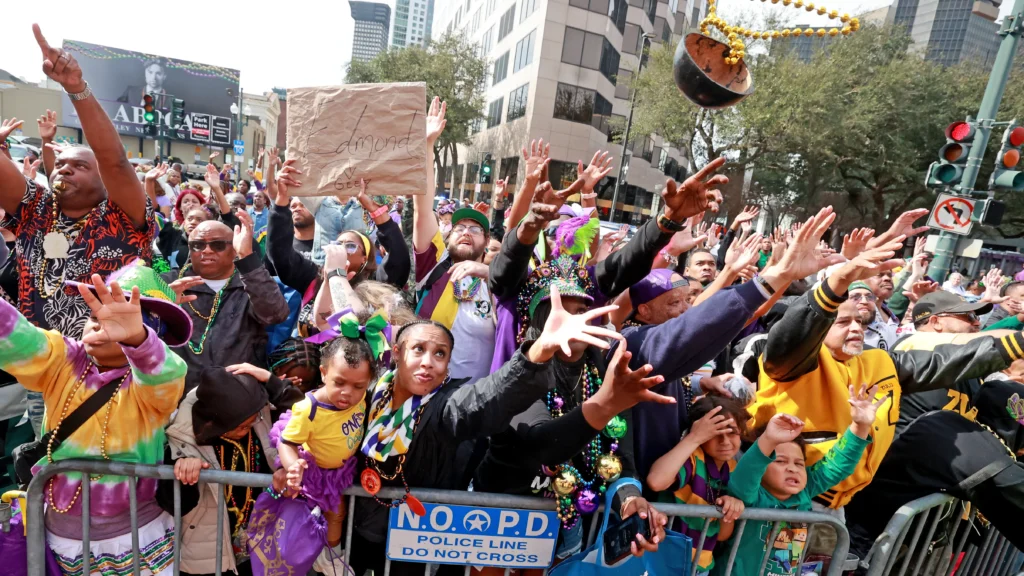
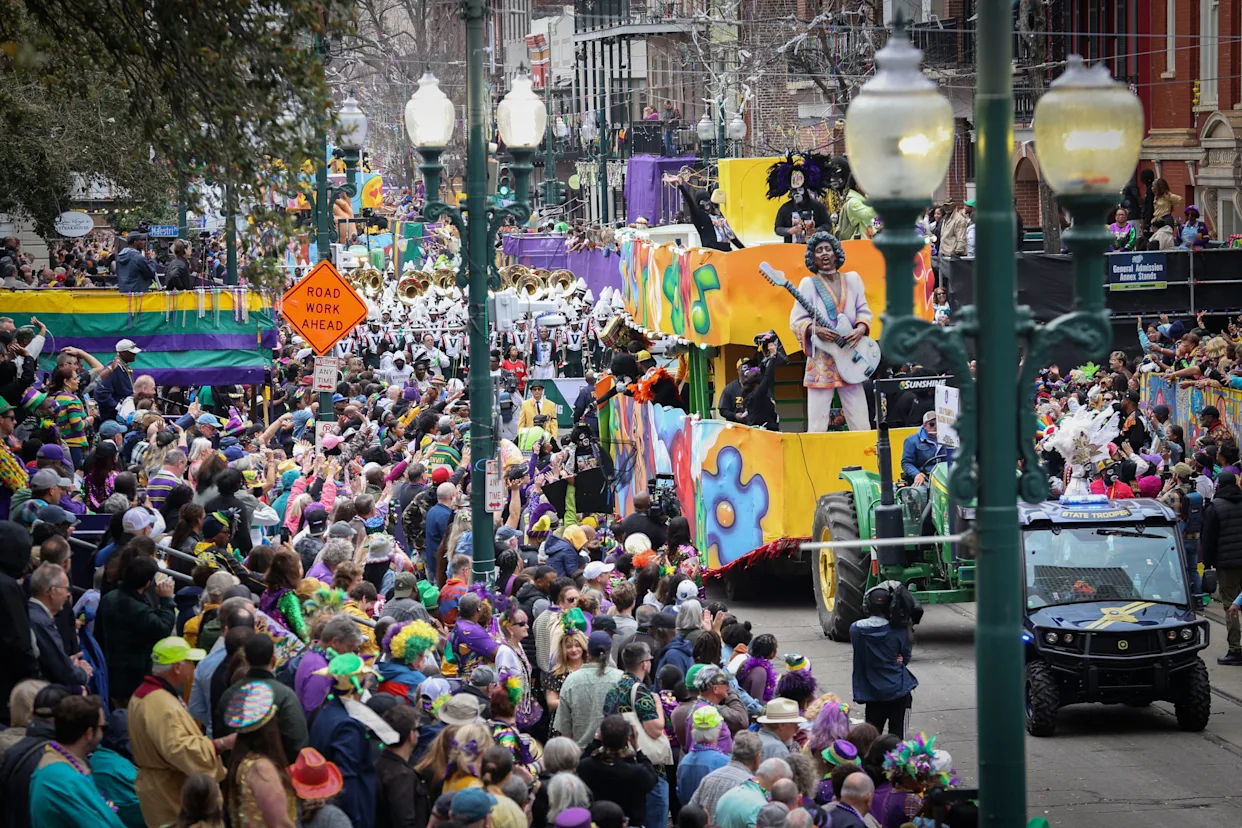
Parades moved through historic routes as riders tossed beads, cups, and trinkets into cheering crowds. Bands played everything from traditional jazz to modern hip hop rhythms. Street performers turned sidewalks into stages.
Then there are the traditions that sound ridiculous until you see them in person. One famous ritual involves greasing metal poles along balconies to stop partygoers from climbing them. Does it work perfectly? Of course not. Humans see a challenge and immediately want to defeat it. Some things never change.
Still, beneath the mischief sits a deeper civic value. Mardi Gras remains one of the few American gatherings where economic lines blur. Corporate executives stand next to service workers. College students laugh with retirees. Families claim sidewalk territory early in the morning like it is beachfront property.
That blending is not accidental. It is the result of a culture that still believes public celebration belongs to everyone.
The Food: Not a Side Attraction but the Main Event
If you attend Mardi Gras and forget to eat, you have committed a cultural crime.
Food in New Orleans is storytelling on a plate. Recipes carry African, Caribbean, French, and Spanish influences, each generation adding its own interpretation.
King cake remains the ceremonial centerpiece. Bright icing, hidden baby figurine, and endless debate about who makes the best one. Offices bring them in. Families argue over them. Friends pretend they will only take a small slice and then immediately return for another.
Beyond dessert, the city delivered its usual heavy hitters. Gumbo rich enough to feel like a warm blanket. Jambalaya layered with spice. Fried seafood that reminds you why the Gulf Coast has long been a culinary powerhouse.
But 2026 also hinted at a future minded shift. Sustainability became part of the conversation. For decades, plastic beads symbolized Mardi Gras while quietly creating environmental strain. This year saw broader adoption of biodegradable throws designed to break down naturally and reduce long term waste.
That is the sweet spot. Keep the tradition, lose the unnecessary damage.
Urban City takeaway: evolution is not betrayal. It is survival.
Security and Violence: The Conversation Nobody Wants but Everybody Needs
Here is where we lean forward and speak plainly.
When millions gather, risk shows up uninvited.
Officials approached Mardi Gras 2026 with visible seriousness. Multiple agencies coordinated crowd management plans, traffic control, and emergency readiness. Even the Louisiana National Guard supported security efforts, signaling just how large the operation has become.
Were there incidents? Yes.
There were reports of fights, aggressive behavior along parade routes, and arrests tied to disturbances. Some float riders were removed after unsafe conduct. Law enforcement responded quickly in several situations, reinforcing a clear message that celebration does not equal lawlessness.
Now let’s keep perspective. The overwhelming majority of attendees came to dance, eat, laugh, and create memories. But ignoring problems does not make them disappear.
Large scale festivals across America face the same question: how do you preserve freedom while maintaining safety?
Too much control suffocates the spirit. Too little invites chaos.
New Orleans continues to walk that line with the experience of a city that has been hosting massive crowds longer than most places have existed.
The Economic Engine Behind the Party
Let us talk dollars for a moment, because culture and commerce are longtime dance partners.
Mardi Gras is a financial heavyweight. Tourism revenue surges. Hospitality workers log marathon shifts. Drivers, musicians, food vendors, and retail shops all benefit from the influx.
For many small businesses, Carnival season helps carry the entire year.
That economic reality explains why the city invests heavily in infrastructure and planning. Mardi Gras is not just tradition. It is strategy.
From an Urban City lens, it also shows how cultural authenticity can drive serious economic power when protected instead of diluted.
The Deeper Cultural Meaning
Strip away the beads and what you find is ritual.
Mardi Gras represents release before restraint, joy before reflection. It is a reminder that celebration is not frivolous. It is human.
The festival reflects the layered identity of New Orleans itself. African rhythms. Caribbean energy. European pageantry. Southern resilience.
You can feel that history in the brass bands and see it in the craftsmanship of floats that take months to build.
More importantly, you see it in the people who return year after year not because it is trendy, but because it is theirs.
So What Did 2026 Mardi Gras Really Show Us?
It showed that tradition still has muscle.
It showed that modernization does not have to erase heritage.
It showed that safety must grow alongside scale.
And perhaps most importantly, it showed that communal joy still matters in a country that often feels fragmented.
Here is the honest Urban City read: Mardi Gras is not perfect. Never has been. Never will be. But perfection is not the goal. Continuity is.
As long as New Orleans keeps honoring the roots while adjusting to modern pressure, this celebration will remain more than a party.
It will remain a cultural statement.
Because when a city opens its streets to the world, it is doing more than hosting visitors. It is declaring who it is.
And if 2026 proved anything, it is this:
The music is still loud.
The food is still unforgettable.
The culture is still unshakable.
Mardi Gras is alive and well and not going anywhere!