7 min read
A post racing across social media this weekend carries a frightening claim in capital letters. The Pentagon and the FBI, it says, are calling on Americans and the rest of the nations of the world to stockpile supplies and prepare for a global catastrophe. Millions of people have seen it. Some of them are scared. So we checked it, piece by piece.
The short answer is this. The military plan at the center of the post is real. The order to citizens is not. No federal agency has told American families to stockpile anything, and the FBI has issued no such warning at all.
Major Takeaways
- The Pentagon plan shown in the clip is real, and it covers military bases, not American homes.
- No federal agency has ordered citizens to stockpile supplies for a global catastrophe.
- The FBI part of the claim traces back to a former official speaking for himself on his own podcast.
- Federal guidance for households has not changed. It still calls for a few days of food and water.
- The television segment in the post first aired in late October. It is being recycled as breaking news.
The Claim That Is Everywhere
The post is built around a screenshot from a television news broadcast. The words on the screen read Pentagon Preparing for Possible Doomsday Scenarios, with a second banner about the Pentagon updating its doomsday plan. That segment is real. It aired in the final week of October, and it described updated Pentagon planning for a catastrophic war.
What happened next is how these posts work. In the middle of November, the clip was cut loose from its date, topped with new words in capital letters, and pushed back out as an urgent alert. The added words, the part claiming the Pentagon and the FBI are telling citizens everywhere to stockpile supplies, never appear in the broadcast. They were written by whoever reposted it.
What Is Real: A Plan Called Fortress
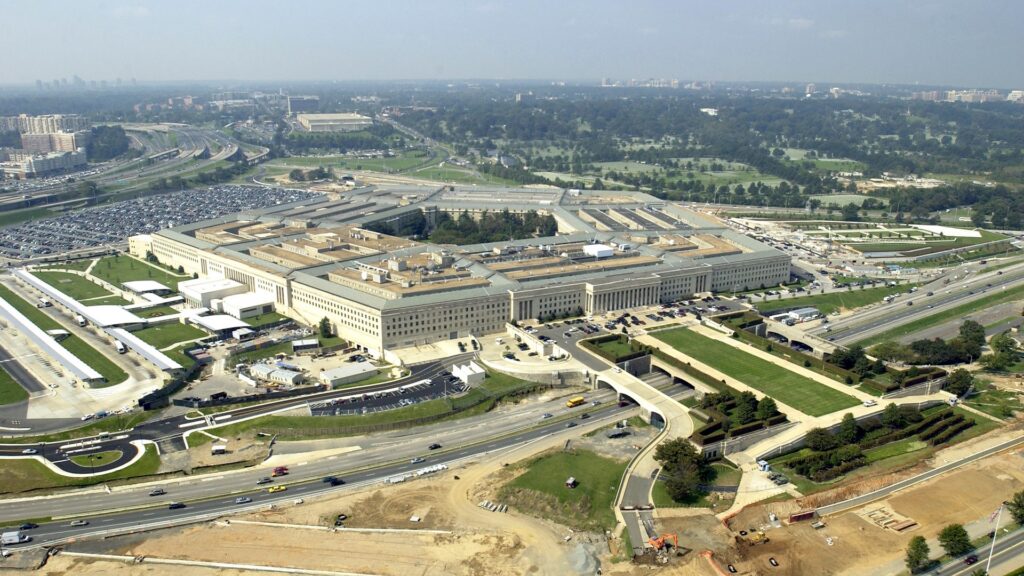
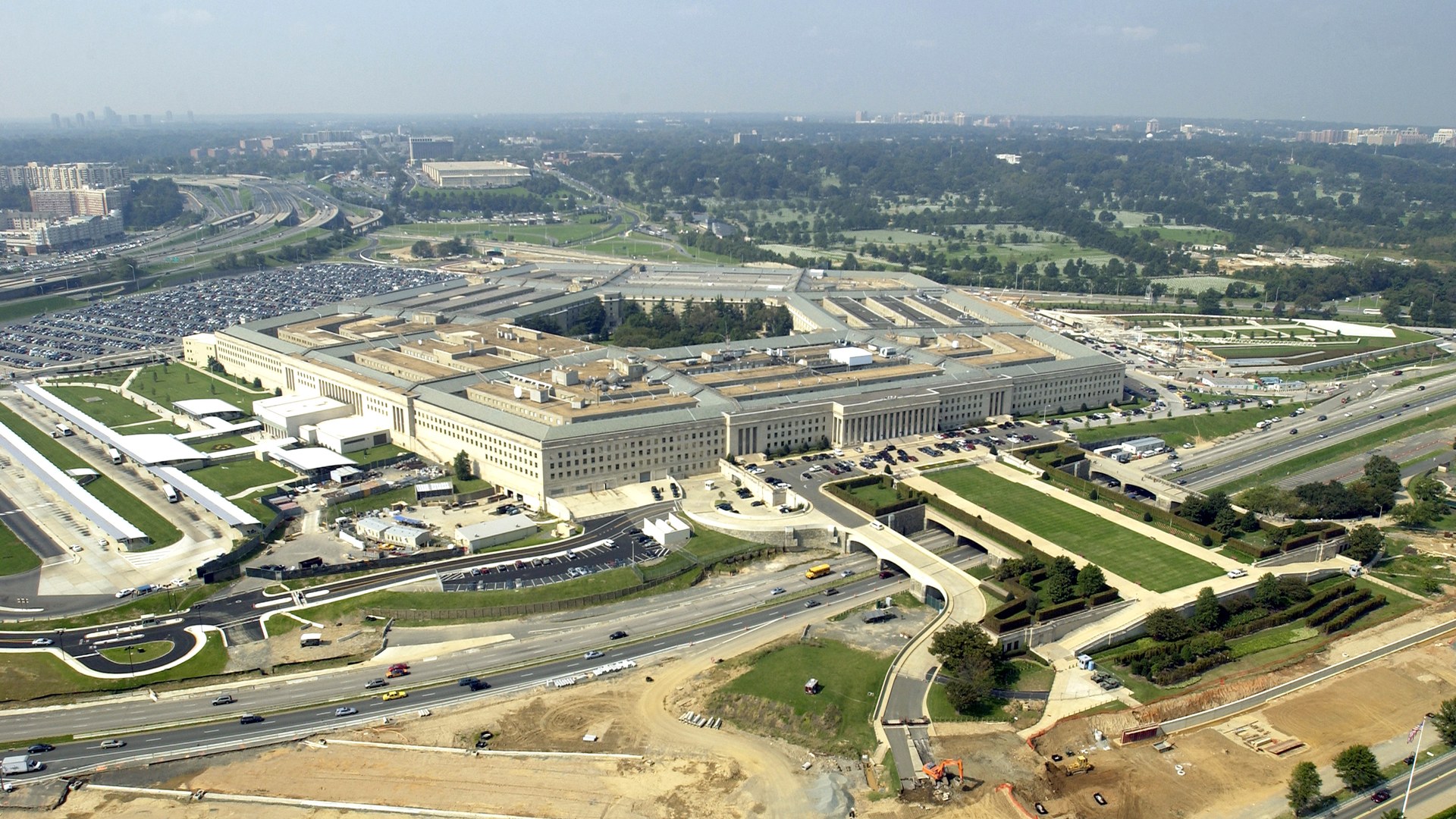
On September 30, the secretary of defense formally established an initiative called Fortress, short for Federal Operations for Resilience, Troop Resources, Energy, Supply, and Survivability. Its goal is stark. Every major military installation in the continental United States should be able to keep its essential operations running for at least 90 days with no help from the civilian world around it. No grid power. No city water. No fuel deliveries. No working supply chains.
The planning behind it reaches for portable nuclear reactors and microgrids to keep bases powered, stockpiles of fuel, ammunition, medicine, critical minerals and spare parts, and communications that keep working even if satellites and GPS are knocked out. Civilian factories would be expected to convert to wartime production. It is a multibillion dollar ambition, and by the Pentagon’s own account it is in its early stages, with costs and timelines still being worked out.

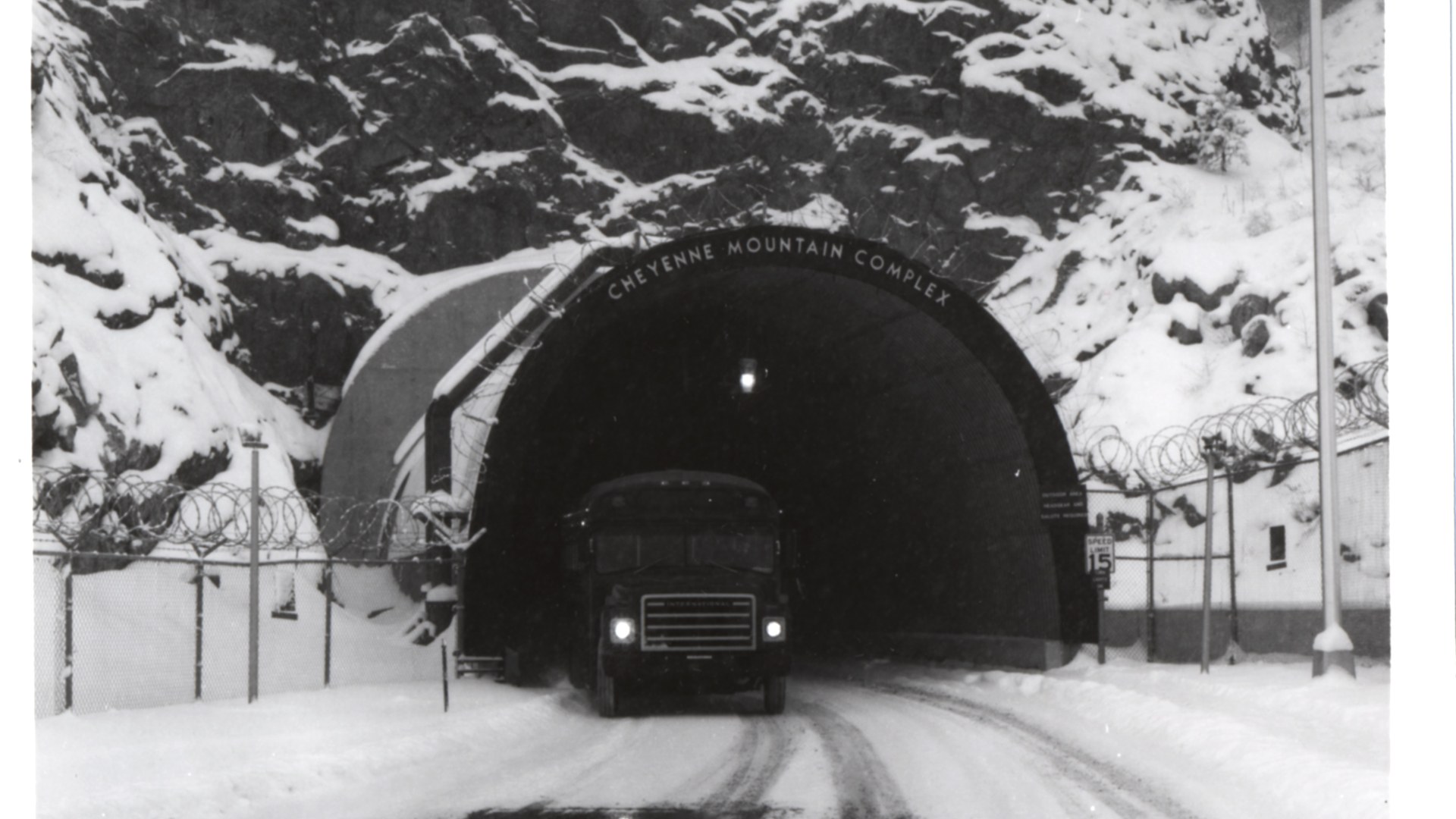
The doomsday label has a long history. For decades the federal government has maintained continuity plans meant to keep it functioning through a catastrophe, from the bunkers of Cheyenne Mountain in Colorado to the E-4B Nightwatch, the flying command post built to direct a war from the sky. What is new in Fortress is the shift in focus. The old plans protected leaders. This one tries to keep entire bases fighting through a long war in which the American homeland itself is under attack, most likely through cyber operations against power and water systems.
That threat is documented. Federal agencies have warned for two years that Chinese state hackers, in campaigns known as Volt Typhoon and Salt Typhoon, are already inside American infrastructure. Planning for the worst is the Pentagon’s job. A plan is not a prediction, and it is not a warning that anything is about to happen.

What Is Invented: The Stockpile Order
Now the part that is not true. Neither the Pentagon nor the FBI has urged citizens to stockpile supplies for a global catastrophe. There is no directive, no announcement, no alert. The 90 day figure in the viral post belongs to military bases. It was never guidance for households.
The FBI thread traces back to one man speaking for himself. Dan Bongino, who served as the bureau’s deputy director before returning to media, told listeners of his podcast in late October that families should keep 30 days of food and water on hand in case of cyberattacks or grid failures. People are free to take that advice or leave it. But a former official’s opinion on his own show is not an FBI order, and dressing it up as one is how a podcast comment became a national scare.
The actual federal guidance for households has not changed. Ready.gov, the government preparedness site, still advises every family to keep several days of nonperishable food and one gallon of water per person per day, along with medications, flashlights and a plan. It is the same advice offered for hurricanes and winter storms for years.
Some versions of the post point overseas, and there is a real thread there too. Britain launched a national readiness campaign in October. The European Union adopted a strategy asking households to manage on their own for 72 hours. Sweden and Finland sent preparedness booklets to homes back in 2024. Different countries, different years, different reasons, mostly storms, outages and the war in Ukraine. Stitched into one post, routine advice from many governments gets dressed up as a single secret warning. No government has tied its advice to any date, and the only event scheduled for November 17, a date some versions of the rumor keep circling, is a routine one minute test of the American emergency alert system.
Why This One Spread So Fast
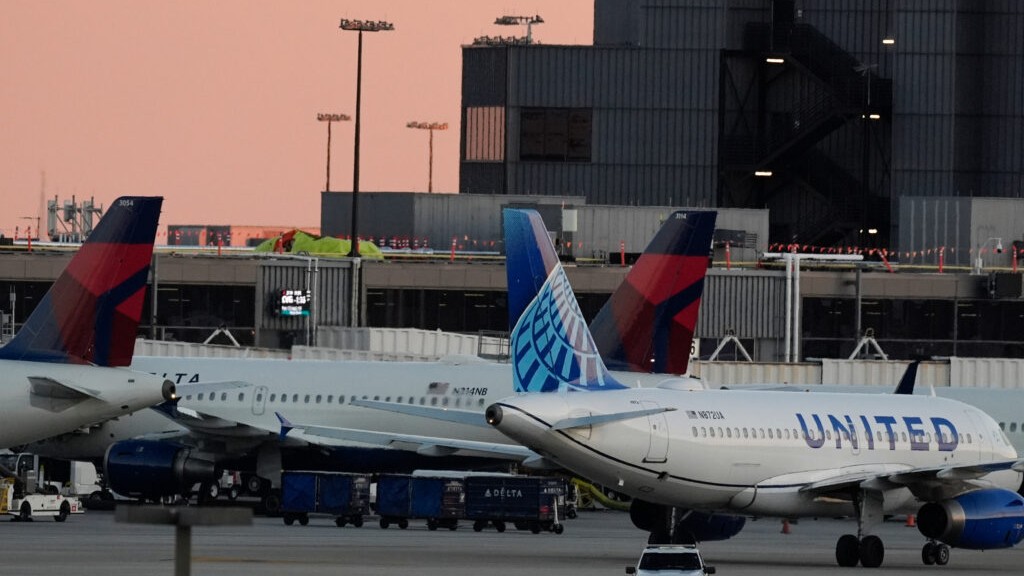
The post landed in a news cycle built to make it believable. On Friday, a communications failure forced a nationwide ground stop that froze every flight in America. A global software outage hit the same week. And on Thursday, President Trump sits down with the leaders of China and Russia for the first joint nuclear summit in history. When the real headlines already sound like a disaster movie, a fake one does not have to work hard.
What Preparedness Really Looks Like for Us
None of this means Black families should shrug off being ready. Our history argues the opposite. When Hurricane Katrina drowned New Orleans in 2005, it was Black neighborhoods that waited longest for rescue, for buses, for help that came days late or not at all. The lesson our grandparents took from that was not panic. It was self reliance.
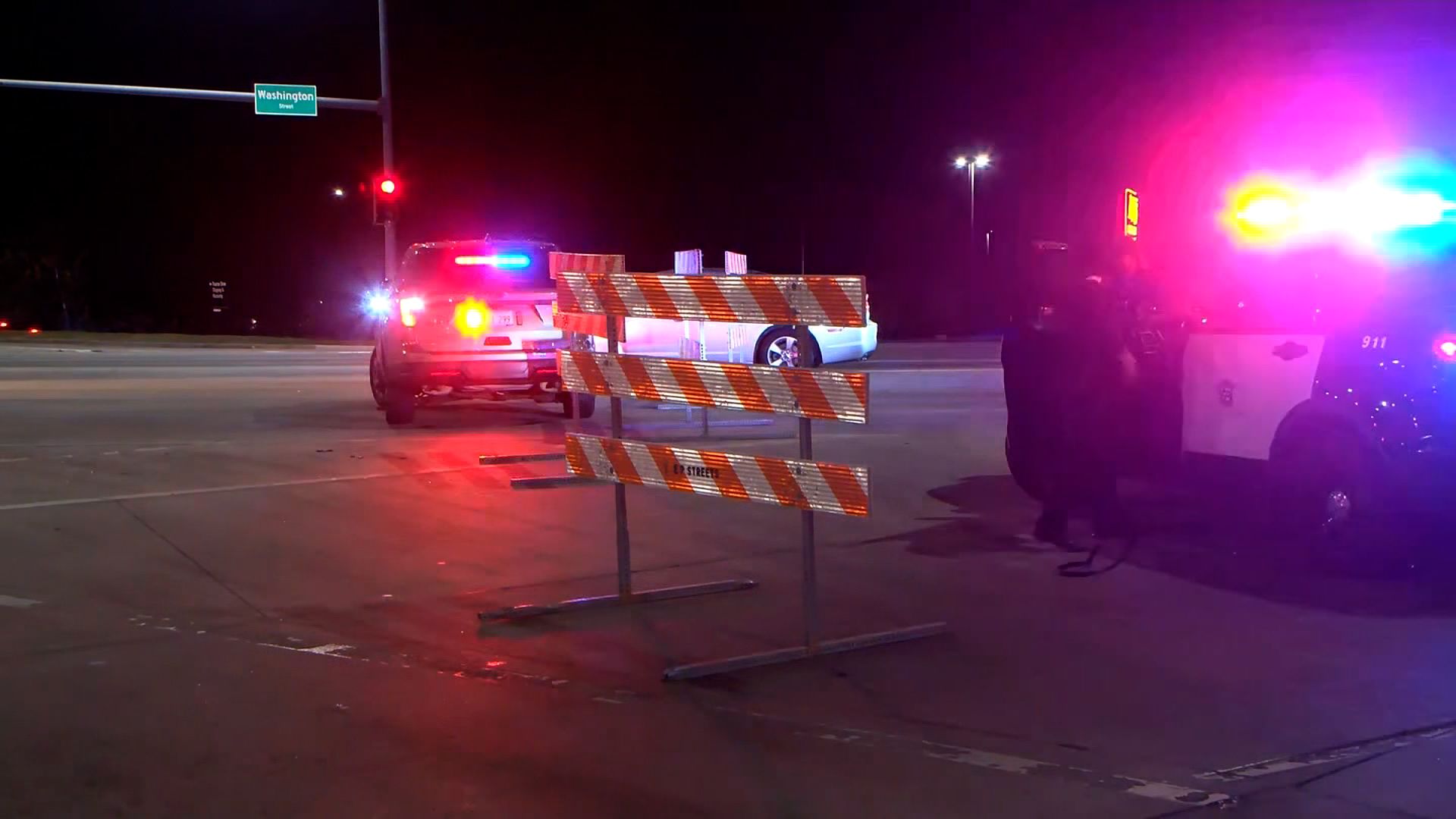
Emergencies that empty a neighborhood are not hypothetical, either. This week, thousands of people in Peoria, Illinois were ordered out of their homes after a bomb was found at an ethanol plant, and most had hours, not weeks, to grab what mattered.
So build the kit, slowly and cheaply. Water. Food your family actually eats. Medicines. Copies of your documents. A plan for the elders on your street. Do it because history says our communities are too often last in line when help is handed out, not because a viral post told you the world ends on Tuesday. It does not. The Pentagon is planning, the way it always has. Nobody in Washington has ordered you to do anything.