5 min read
Major Takeaways
Hall died Tuesday in Dallas at age 91, surrounded by loved ones, her family announced on Wednesday.
She taught in Dallas public schools for 27 years before she acted full time.
Her turn as Josephine Big Mama Joseph in Soul Food made her the grandmother of a generation of Black moviegoers.
She won an NAACP Image Award for Soul Food and a Jury Prize at the Cannes Film Festival for The Ladykillers.
Dallas honors her name through the Texas Film Hall of Fame and the Irma P. Hall Black Theatre Awards.
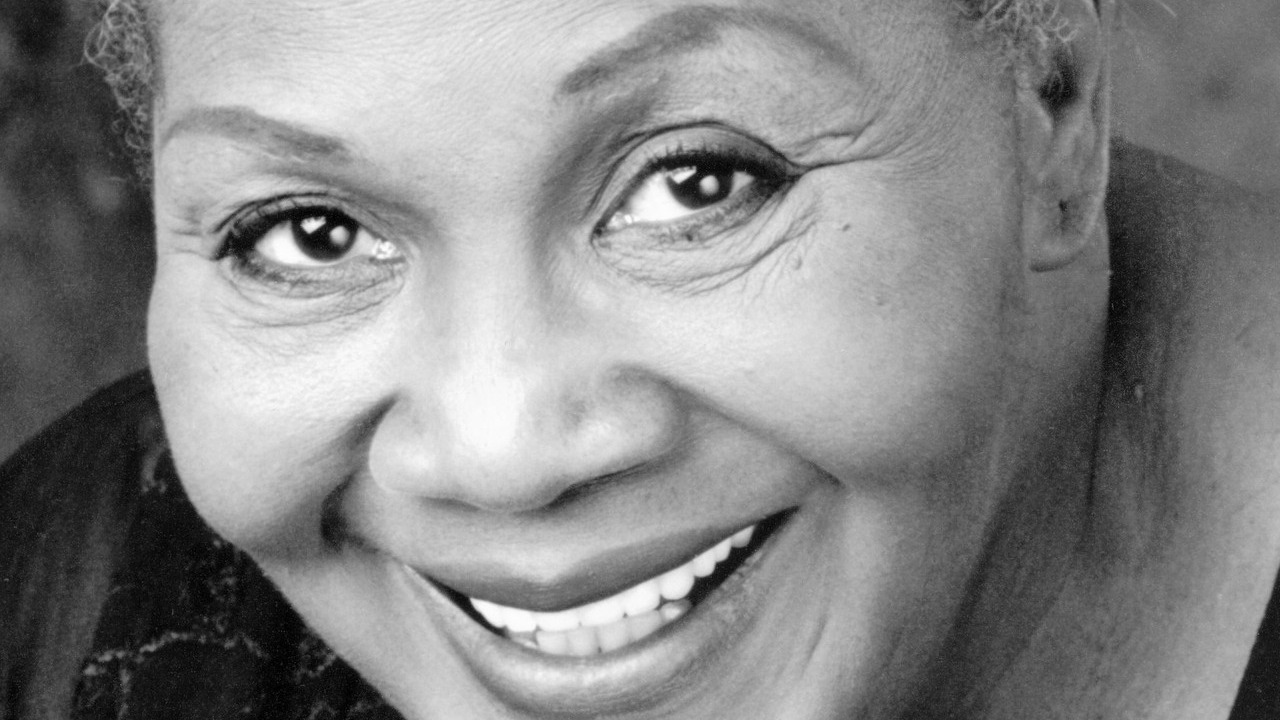
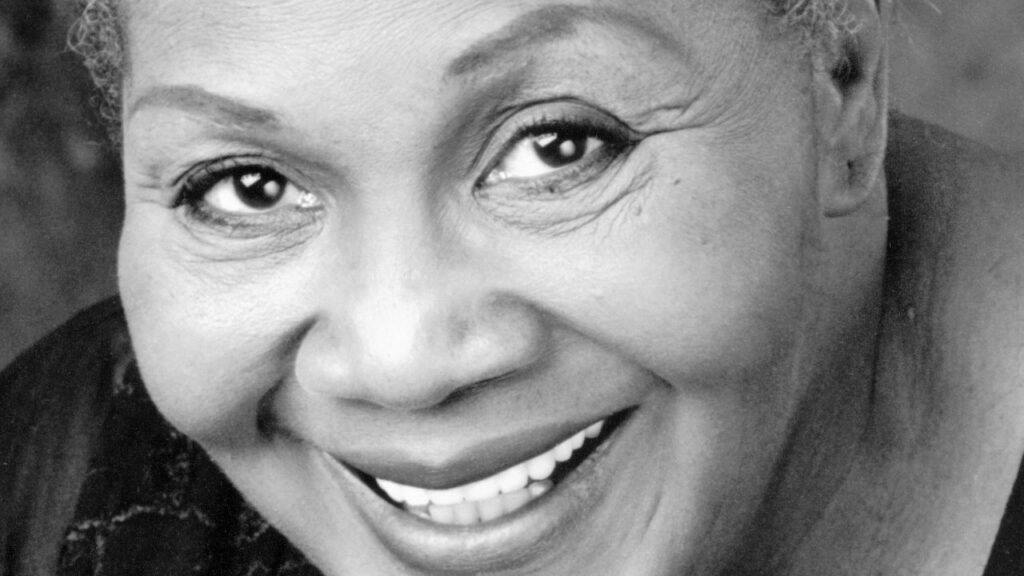
Irma P. Hall, the Dallas schoolteacher who became the matriarch of Black cinema as Big Mama in Soul Food, died Tuesday in Dallas. She was 91.
Her family announced her death on Wednesday and said she passed surrounded by loved ones.
The family asked for privacy as they grieve and said details about memorial services will be shared at a later time.
No cause of death was given. What the family offered instead was thanks for an outpouring of love from fans, friends and colleagues around the world.
Raised on Poetry in Beaumont and Chicago
She was born Irma Dolores Player on June 3, 1935 in Beaumont, Texas.
Her father played the saxophone and her mother worked as a hospital administrator, and the family later raised her in Chicago.
She came back to Texas for college and attended Texas College in Tyler, a school that later honored its graduate with an honorary doctorate.
After graduation she walked into a classroom instead of onto a stage. For 27 years she taught English and foreign languages to Dallas schoolchildren.
A Poetry Reading Changed Everything
Director Raymond St. Jacques discovered her at a poetry reading in Dallas and saw on sight what her students had always known.
He cast her in his 1973 film Book of Numbers, and a second calling began.
She kept teaching while the roles grew, and she helped build Black theatre at home as a founder of the Dallas Minority Repertory Theatre.
Her breakout arrived at age 60, when she starred opposite Robert Duvall and James Earl Jones in A Family Thing in 1996.
James Earl Jones later said fate brought her to the production, and that she overwhelmed everyone with her gift for long, winding stories.
Big Mama Fed a Generation
In 1997 she played Josephine Joseph, known to everyone simply as Big Mama, in Soul Food.
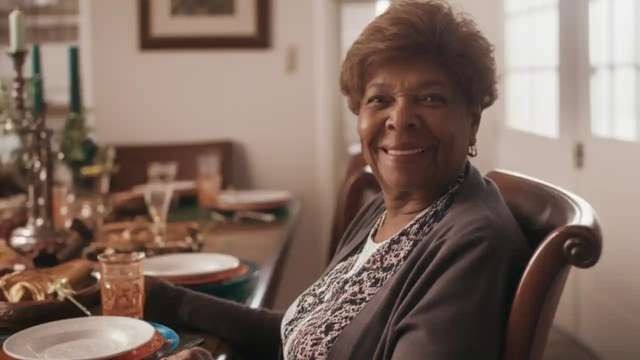
Her Sunday dinners held together three grown daughters played by Vanessa Williams, Vivica A. Fox and Nia Long.
The performance earned her the NAACP Image Award for Outstanding Supporting Actress in a Motion Picture.
She returned as Mama Joe in the Soul Food television series, carrying that kitchen table wisdom into living rooms week after week.
Boyz II Men recorded A Song for Mama with her character in mind, and the song became an anthem for mothers and grandmothers everywhere.
For Black audiences, Big Mama was never just a role. She was the woman who prayed over the food, settled the arguments and guarded every family secret.
Cannes Called Her Name
In 2004 she starred opposite Tom Hanks in The Ladykillers as Marva Munson, a churchgoing widow who stays one step ahead of a gang of thieves.
The Cannes Film Festival awarded her a Jury Prize for the performance, a rare honor that carried a Dallas classroom teacher onto the biggest stage in world cinema.
Her credits stretch across Midnight in the Garden of Good and Evil, Beloved, Patch Adams, Collateral and Meet the Browns.
She worked steadily for five decades, usually as the elder whose few lines carried the whole moral weight of a film.
A Church Mother in Dallas
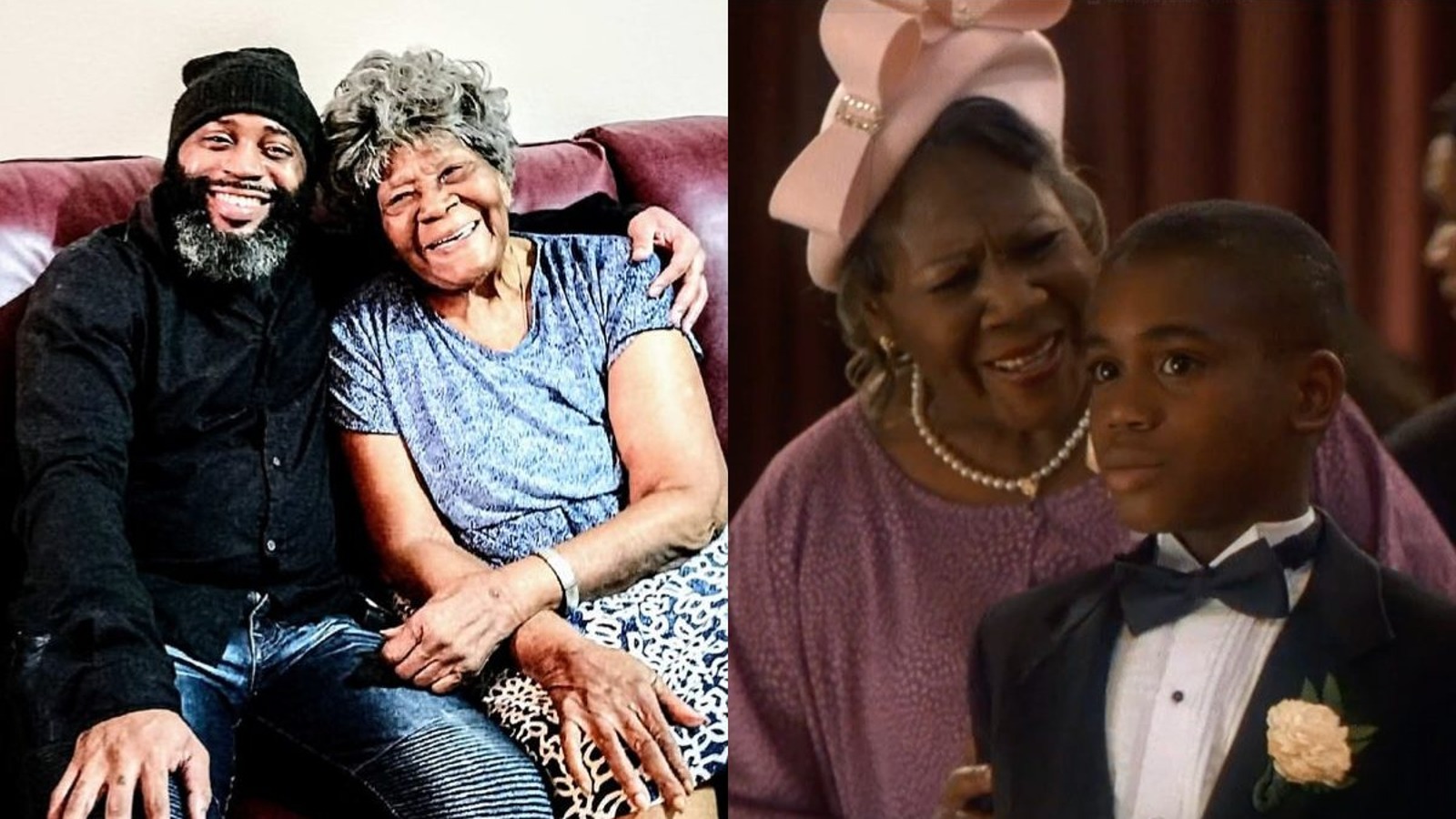
Hall was a longtime member of Inspiring Body of Christ Church in Dallas, where she served as a Church Mother.
Her pastor, Rickie G. Rush, had once been one of her students in a Dallas classroom.
Rush said she has “taken her final bow on the stage of life and stepped into eternity.”
Texas placed her in its Film Hall of Fame, and Dallas named the Irma P. Hall Black Theatre Awards for her, lifting new generations of Black stage artists in her hometown.
Her daughter, Irma Hall Crayton, summed up the journey in a single sentence.
“She started as a teacher in the classroom but ended up being a teacher to the world.”
The Table She Set
Her family described her as “a beloved actress, author, poet, educator, and public speaker” whose legacy will continue to inspire generations to come.
She started later than almost anyone in her profession and outlasted nearly all of them, proof that a gift does not expire while it waits to be used.
Her story belongs beside the other Black legends we honor in our Entertainment coverage, from the Ebony Power 100 gala to Tyler Perry Week in Atlanta.
Rest well, Big Mama. The table you set is still feeding people.