7 min read
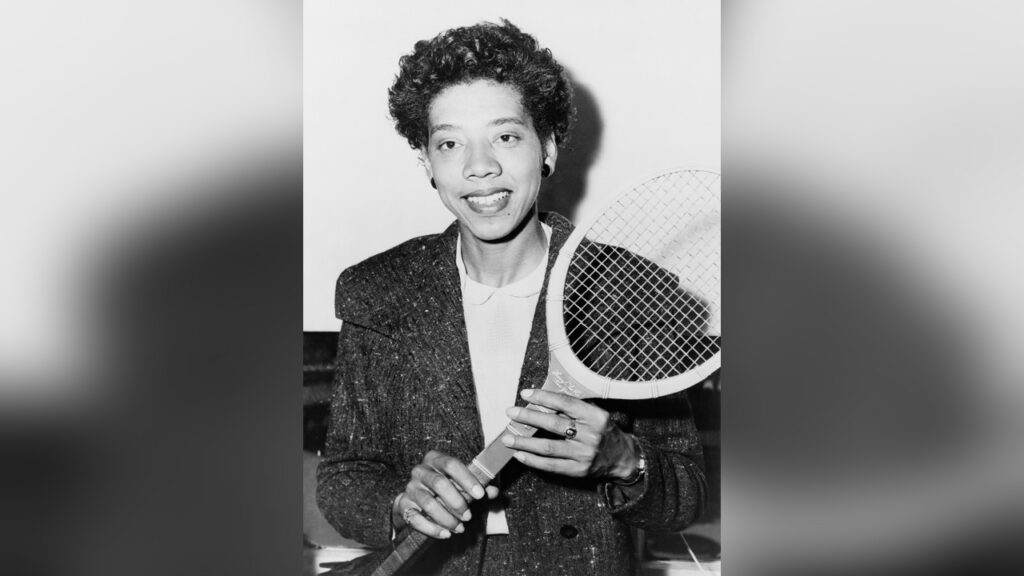
Althea Gibson walked onto the grass at Forest Hills in August 1950 and changed American sports forever.
No Black player had ever competed at the national tennis championships on that ground.
She arrived as a sharecropper daughter from South Carolina by way of Harlem.
Within eight years she ruled the entire sport, collecting 11 Grand Slam titles.
Her story is the story of a door forced open by talent, patience, and nerve.
Major Takeaways
- Althea Gibson became the first Black player to compete at the United States Nationals in 1950.
- She won the French Championships in 1956, the first Grand Slam singles title ever won by a Black athlete.
- She won Wimbledon and the United States Nationals in both 1957 and 1958, finishing with 11 Grand Slam titles.
- She later broke the color line in professional golf as the first Black player on the LPGA Tour.
- Her statue stands at the United States Open, and her portrait reached a United States quarter in 2025.
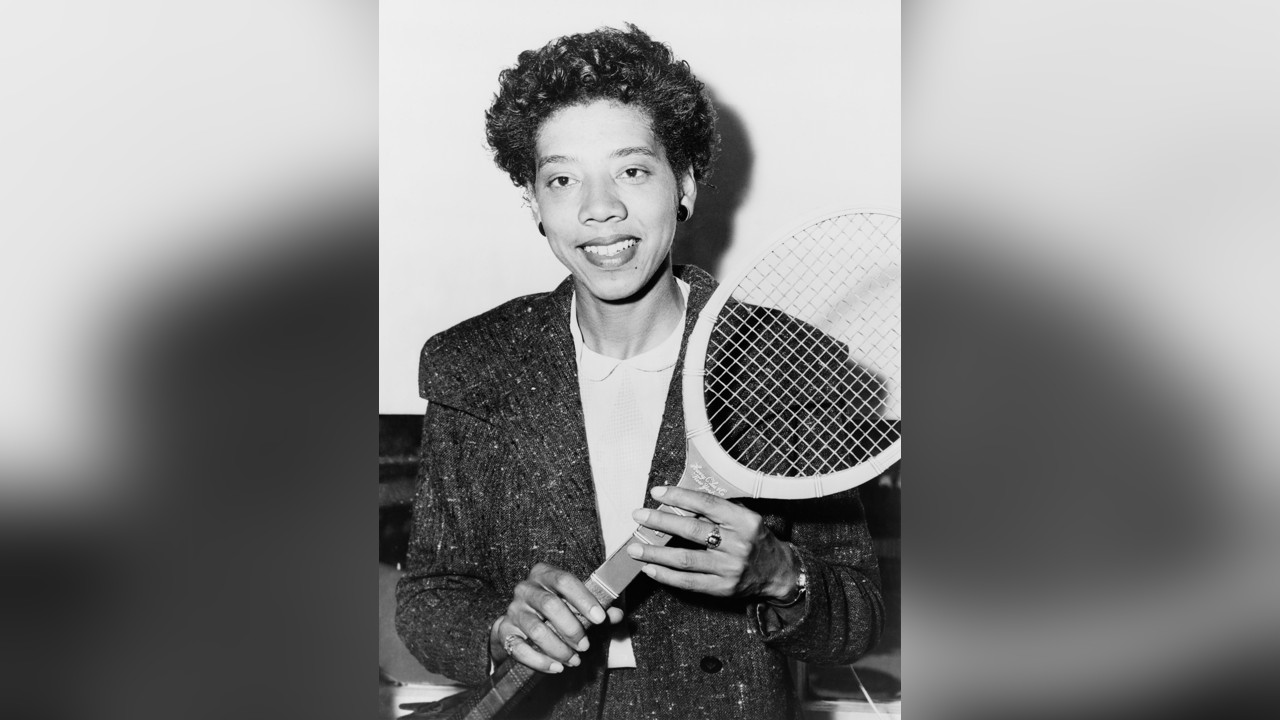
Photo by Fred Palumbo for the New York World Telegram and Sun, Library of Congress, public domain via Wikimedia Commons
Althea Gibson Grew Up Between a Cotton Farm and Harlem
Althea Neale Gibson was born on August 25, 1927, in the town of Silver in Clarendon County, South Carolina.
Her parents, Daniel and Annie Bell Gibson, worked as sharecroppers on a cotton farm.
When Althea was three years old, the family moved north to Harlem in New York City.
The move placed her inside one of the richest Black communities in the nation.
Harlem gave her crowded sidewalks, public playgrounds, and a fierce love of competition.
School held little interest for her, and she often skipped classes as a girl.
Sports were different. Sports made complete sense to her from the very start.
She first starred at paddle tennis on the playgrounds near her home.
At age twelve she won the New York City paddle tennis championship for girls.
A Police Athletic League coach named Buddy Walker noticed her power and quickness.
Walker took her to the Harlem River Tennis Courts and put a real racket in her hands.
Black Tennis Built Her Game When White Tennis Would Not
Gibson found her tennis home at the Cosmopolitan Tennis Club in Harlem.
Members of the club chipped in to pay for her junior membership and her lessons.
Her first coach, Frederick Johnson, shaped the attacking style that defined her career.
She stood five feet eleven inches tall, with a booming serve and bold net play.
Segregation barred her from the biggest events in American tennis.
So she conquered the circuit that Black America built for itself.
The American Tennis Association was the oldest Black sports organization in the country.
Gibson won its national singles title in 1947 and then held it for ten straight years.
Two Black physicians, Dr. Hubert Eaton and Dr. Robert Johnson, saw her rare gift.
Johnson became her mentor and built a development program for Black junior players.
Eaton welcomed her into his home in Wilmington, North Carolina, so she could finish school.
She graduated from high school there and earned a scholarship to Florida A and M University.
She later completed her degree while her tennis career was already rising.
Alice Marble Spoke Up and the Door Cracked Open
By 1950 Gibson had beaten every player Black tennis could put in front of her.
Yet the national championships still required invitations from clubs that excluded Black players.
Former champion Alice Marble broke the silence inside the white tennis establishment.
Marble wrote that if Gibson represented a challenge, the top players should meet it on the courts.
The pressure worked. Gibson received entry into the Eastern Grass Court Championships.
Weeks later she reached the United States Nationals at Forest Hills.
In August 1950 she became the first Black player ever to compete in that event.
She won her first match and then pushed champion Louise Brough across three sets.
A violent storm halted that match before Brough finally closed it out the next day.
The result hardly mattered. The color line in American tennis had been crossed.
Readers who love barrier breakers can also meet Bessie Coleman, the first Black woman pilot, in this same series.
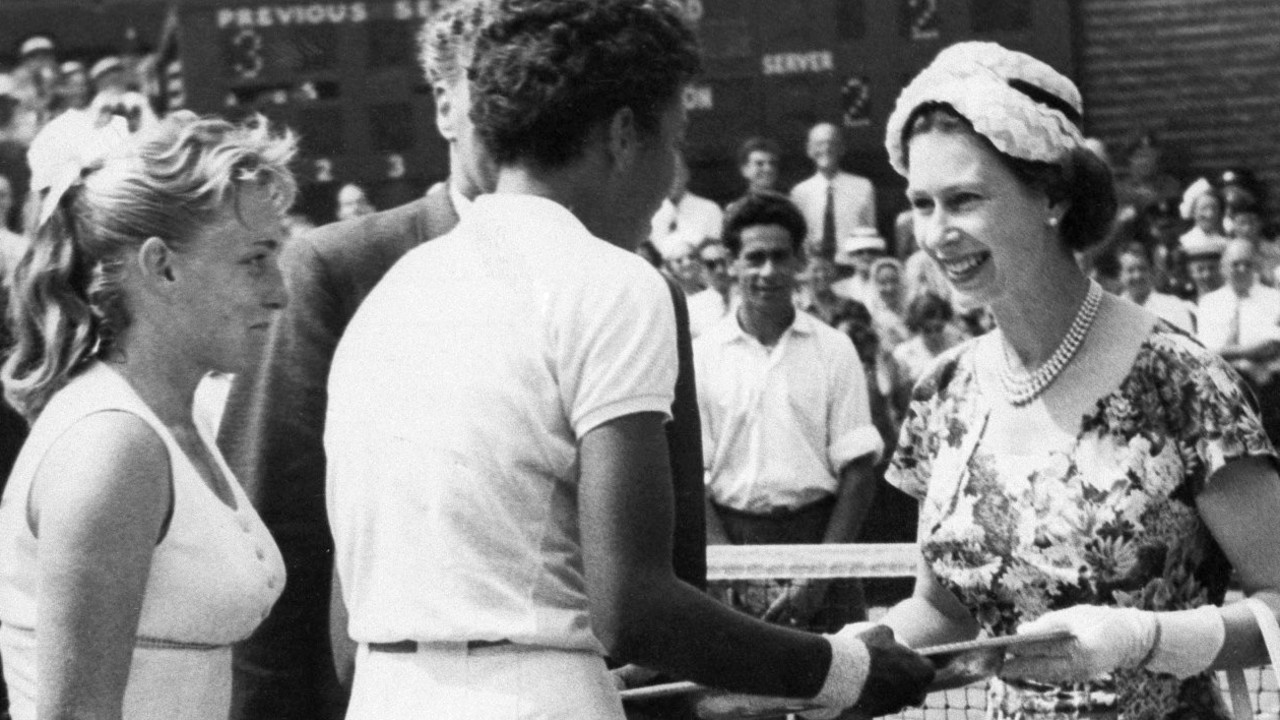
Photo by Associated Press, public domain via Wikimedia Commons
Paris, London, and New York Fell in Three Straight Years
In 1951 Gibson won her first international title in Jamaica and debuted at Wimbledon.
Progress came slowly for five seasons as she learned the world game.
Then came May 1956 in Paris, and everything changed at once.
Gibson beat Angela Mortimer to win the French Championships singles crown.
She became the first Black athlete in history to win a Grand Slam title.
She added the French doubles title beside Angela Buxton that same spring.
In 1957 she reached the very summit of the sport.
She beat Darlene Hard to win Wimbledon, the first Black champion in its long history.
Queen Elizabeth the Second personally presented her trophy, another first for a champion.
Weeks later she won the United States Nationals and took that trophy from Vice President Richard Nixon.
New York City welcomed its champion home with a parade down Broadway.
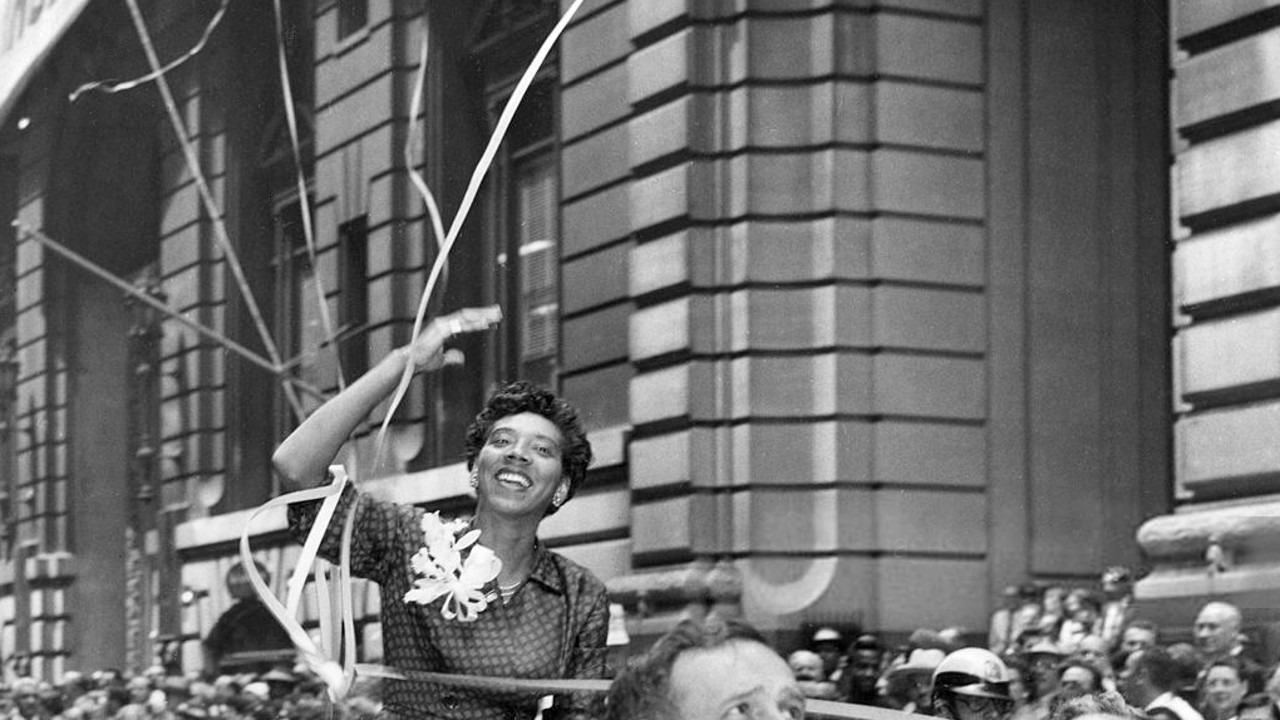
Photo by Newspress Photo for The Detroit Tribune, public domain via Wikimedia Commons
In 1958 she simply did it all again.
She defended her Wimbledon crown against Angela Mortimer.
She defended her United States Nationals crown against Darlene Hard.
Her final count stood at five Grand Slam singles titles and six more in doubles play.
The Associated Press named her Female Athlete of the Year in both 1957 and 1958.
She ranked as the number one player in the world in 1957.
She also became the first Black woman pictured on the covers of Time and Sports Illustrated.
The Titles Piled Up but the Prize Money Never Came
Tennis in her era called itself an amateur sport, and amateurs played for trophies alone.
Gibson won everything the game offered and still struggled to pay her bills.
In 1958 she walked away from amateur tennis at the peak of her powers.
She toured with paid exhibition matches before Harlem Globetrotters games.
She recorded a jazz album and sang on national television.
She even acted in a 1959 western film called The Horse Soldiers.
Her 1958 autobiography carried a title that said everything about her drive.
It was called I Always Wanted to Be Somebody.
That hunger connects her to other giants in this series, including Dr. Charles Drew and the blood bank he built.
Althea Gibson Broke a Second Barrier on the Golf Course
Most legends would have rested after conquering one segregated sport.
Gibson picked up golf clubs and went after another one.
In 1964 she joined the LPGA Tour as its first Black player.
She competed in 171 tour events across fourteen seasons.
She never won a golf tournament, and she never hid from that fact.
Her presence alone cracked open a sport guarded by country club wealth.
Every Black golfer who followed walked through a gate she had pushed first.
The International Tennis Hall of Fame inducted her in 1971.
She died on September 28, 2003, in East Orange, New Jersey, at age 76.
Why Althea Gibson Still Stands at the Center of the Game
Every Black champion in tennis carries a piece of her story onto the court.
Arthur Ashe, Zina Garrison, Venus Williams, and Serena Williams all followed her path.
Serena won her first major in 1999, a full 41 years after Gibson last ruled.
Sloane Stephens and Coco Gauff have since lifted the United States Open trophy as well.
In 2019 a statue of Gibson was unveiled outside Arthur Ashe Stadium in New York.
In 2025 the United States Open celebrated 75 years since her barrier breaking debut.
That same year her portrait entered circulation on a United States quarter.
The quarter closed the American Women Quarters Program as its final honoree.
Gibson once said she always wanted to be somebody.
She became far more than that for every athlete who came after her.
She became the proof that the gate was never locked by talent, only by custom.
Keep exploring Black history features and daily coverage at Urban City Podcast.