7 min read
Major Takeaways
- About 426000 full time federal workers left the government in 18 months, nearly one in five of the workforce the administration inherited.
- Black federal employment fell about 30 percent from late 2024 to late 2025, while employment for other groups fell about 4 percent.
- Of 93 workers named on a public DEI watchlist, 28 are still unemployed, and 23 of those 28 workers are Black.
- The man behind the watchlist says his group feels joy that the listed workers cannot find jobs.
- Black workers held about 19 percent of federal jobs in the last official count, and those jobs have long built the Black middle class.
Black federal workers are carrying the heaviest losses from the largest federal workforce exodus in generations.
About 426000 full time civilian employees left the government during the first 18 months of the current administration.
That is nearly one in five of the roughly 2.2 million workers on the federal payroll when the term began.
The pace far outran recent history.
About one in seven workers left during the prior administration, and about one in eight left during the first term of the current president.
For Black families, the numbers cut much deeper than the headline.
Black Federal Workers Fell at Seven Times the Rate
The last official racial count of the federal workforce came in September 2024.
Black employees held about 428000 federal jobs at that point.
That was about 19 percent of the entire workforce, well above the Black share of the national population.
The administration has since stopped releasing the workforce data by race that the government published for decades.
Survey based estimates tell the story the official tables no longer show.
Black federal employment fell about 30 percent from late 2024 to late 2025.
Employment for other groups fell about 4 percent over the same span.
Measured across the first nine months of 2026 against the same months of 2024, Black employment was still down about 20 percent.
White employment was down about 4 percent, while Hispanic employment rose about 6 percent.
Planning documents from the government efficiency effort show the pattern was visible from the start.
More than half of the workers in offices marked for closure in one planning document were Black.
The plan listed 225 offices for possible closure and weighed dismissal, leave, and reassignment for the people inside them.
Of roughly 200 jobs tied to diversity and equity work and marked for elimination, more than 100 were held by Black employees.
That was about double the number held by White workers.
One Month Alone Saw 121000 People Walk Out
Most of the people who left were not fired outright.
About 85 percent resigned or retired, many through incentive offers that urged workers to leave while they could choose the terms.
Roughly 32000 full time workers were fired directly.
The single biggest wave came in September 2025, when about 121000 people left in one month.
That was the month deferred resignation and early retirement offers took full effect.
After new hires are counted, the workforce shrank by about 255000 people, a drop of about 12 percent.
Office of Personnel Management Director Scott Kupor has said the vast majority of people who left did so voluntarily.
Workers and their advocates answer that an offer made under threat of losing everything is not much of a choice.
The 2025 offer warned employees who stayed that the administration could not promise the certainty of their jobs.
Agencies later laid off more than 10000 additional workers through formal reduction plans by January 2026.
A Watchlist That Still Follows 93 Names
For one small group of workers, the damage did not end when the paychecks stopped.
In early 2025, the American Accountability Foundation published a public website it called a DEI watchlist.
The site profiled 93 federal employees with photos, salaries, and work histories.
It described them as behind the scenes bureaucrats who push divisive agendas.
About two thirds of the people named on the list are Black.
Today, 50 of the 93 remain in government and 15 have found private sector jobs.
The other 28 are still unemployed, and 23 of those 28 workers are Black.
Counted another way, two thirds of the listed workers who left government have yet to find new work.
Tom Jones, president of the foundation, welcomed that news in plain language.
He wrote that his group could not overstate its joy that the listed workers now appear unemployable.
He added that the only regret was lacking the time and resources to profile more workers.
Asked about the racial gap in who found work, Jones answered that hiring managers sound racist and called that very disappointing.
Some listed workers also faced harassment at home, including unwanted food orders sent to their doors for cash payment.
One worker told a colleague that the senders want you to know they know where you live.
Dia Harris Sent 560 Applications and Fills Grocery Orders
Dia Harris, 53, was the first chief equity officer at the Administration for Children and Families.
The agency oversees Head Start, the same program Harris attended as a child raised by a single mother.
He was fired in 2025 despite strong performance reviews.
Since then he has sent more than 560 job applications.
Today he assembles online grocery orders at a Maryland grocery store for 16 dollars an hour.
He has been drawing on his retirement savings to cover his house payments.
The watchlist page about him was still the first result when anyone searched his name, more than a year after he left.
One recruiter told him a federal contractor would likely not hire him because the company probably supports the watch list.
Another prospective employer confided that the list made him unhirable.
Kiana Atkins, a former National Institutes of Health employee, put the loss in one sentence.
They demonized my work, she said. They took away my livelihood.
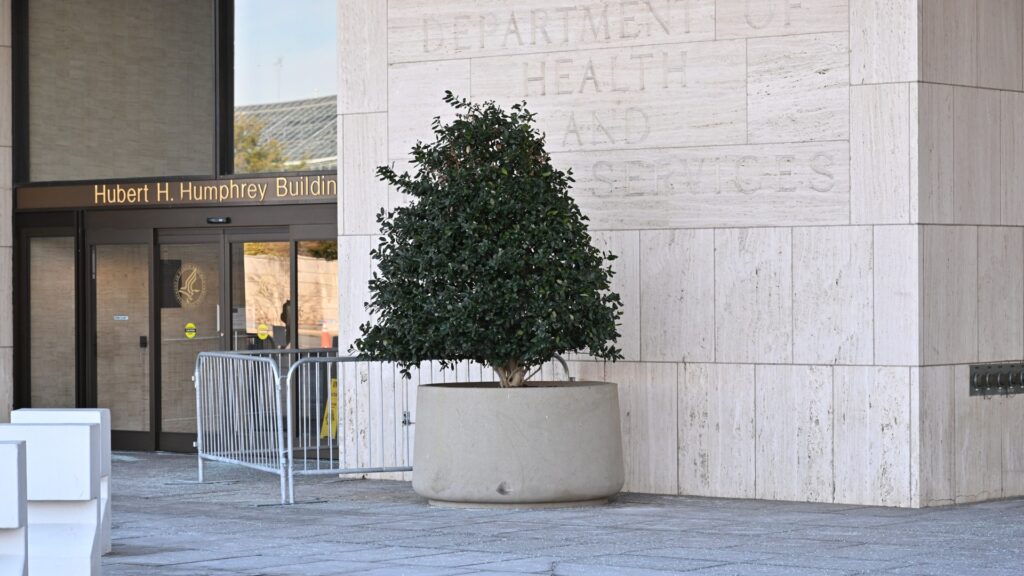
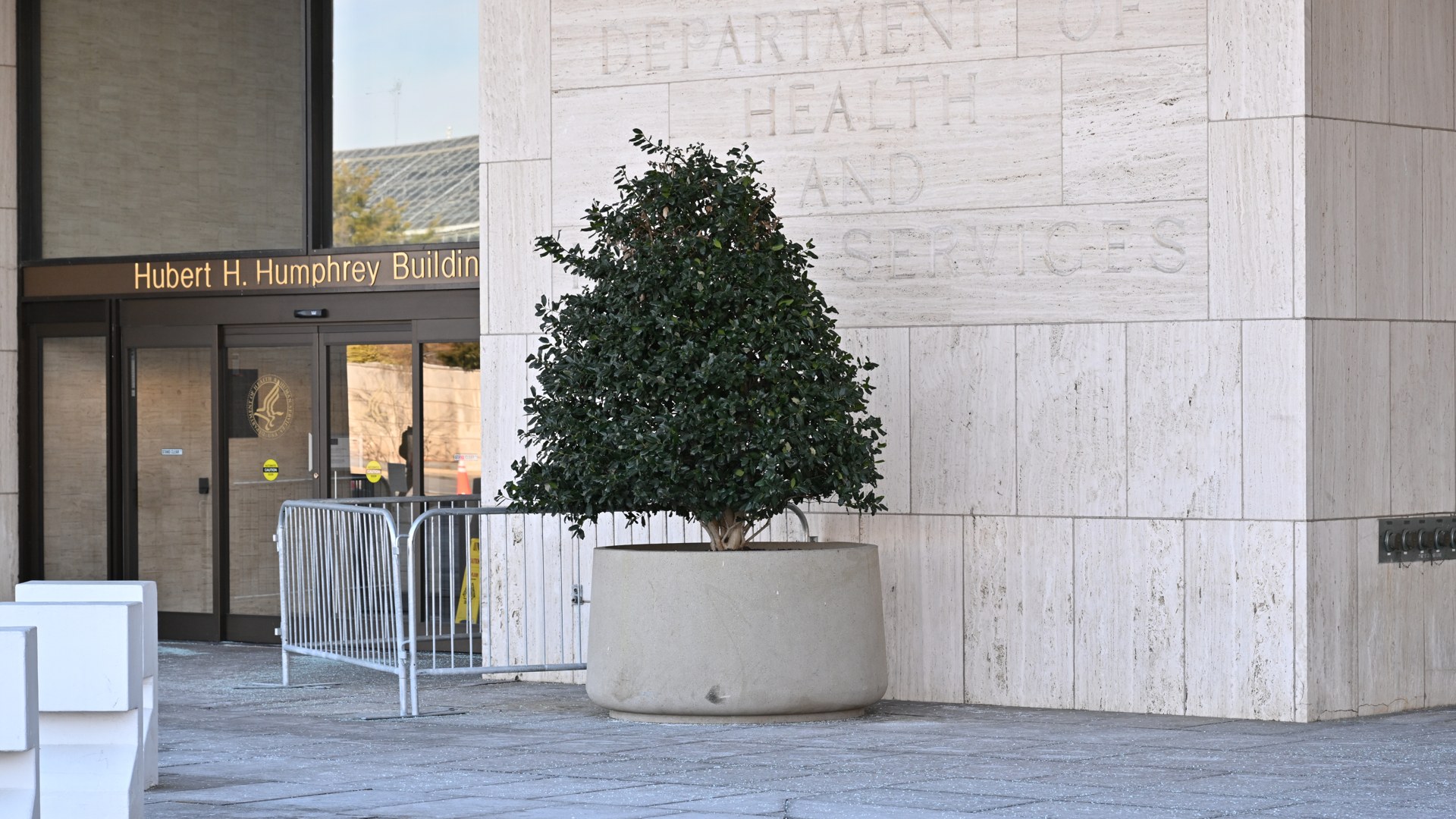
A spokesperson for the Department of Health and Human Services said the agency is acting in line with the presidential executive order and all applicable federal law.

Why This Reaches Far Beyond Washington
Federal employment has been one of the most reliable ladders into the Black middle class for generations.
Federal hiring and promotion rules gave Black workers a fairer shot than much of the private economy offered.
Black workers made up about 36 percent of the staff at both the housing department and the education department in 2024.
When those jobs vanish at this scale, the loss spreads into mortgages, tuition, church pews, and family support networks.
The wider job market shows the strain.
The Black unemployment rate stood at 7.0 percent in September 2026.
That was up from 6.2 percent in January 2025 and nearly double the 3.6 percent rate for White workers.
Government auditors also found agencies spent about 6.7 billion dollars in 2025 paying workers who had taken deferred resignation and sat on paid leave.
The savings promised from the exodus remain in dispute, while the careers lost are not.
Read more in our News coverage, follow the races that will shape the next Congress on the UCP Election Tracker, and see how earlier benefit changes hit family budgets in our report on new SNAP purchase limits.
The workers on that watchlist are still sending applications.
The question now is whether any employer, agency, or court will give them a fair way back.