8 min read
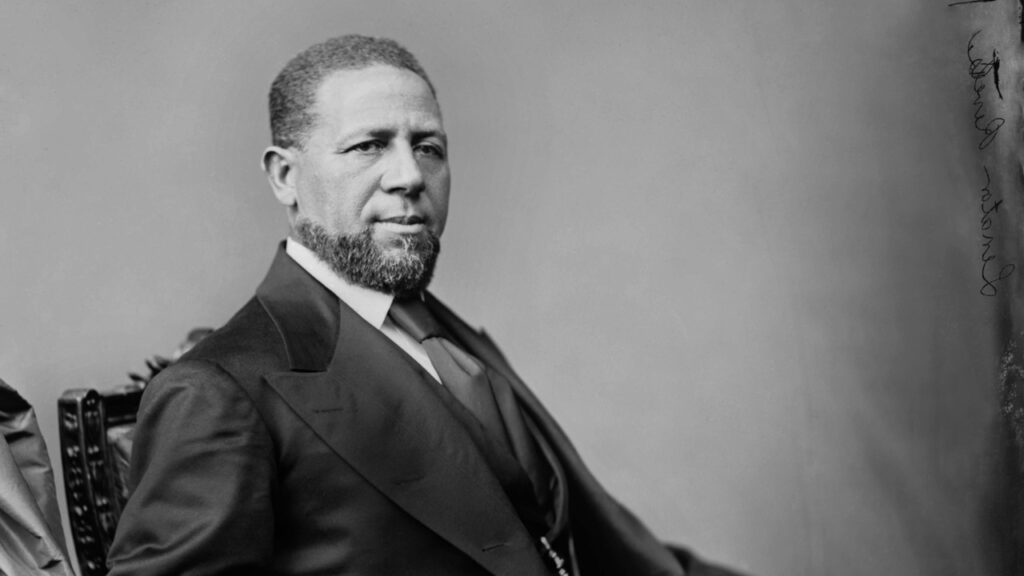
On Election Day in Mississippi, voters are choosing a United States senator. The first Black man to ever hold such a seat won his right here in this state.
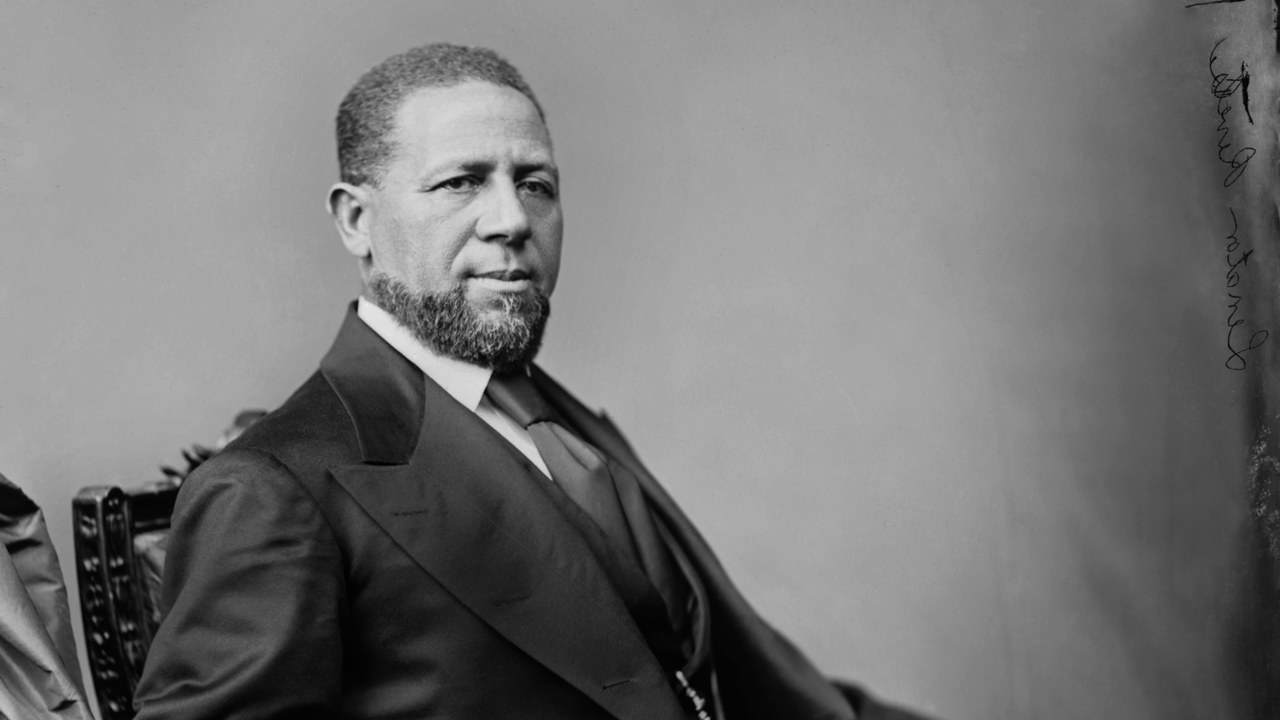
His name was Hiram Revels. In February 1870, Revels walked into the Senate chamber in Washington and took an oath no Black American had ever taken.
The galleries burst into applause as he entered. Everyone in that room knew they were watching American history change in real time.
Major Takeaways
- Hiram Rhodes Revels was born free in Fayetteville, North Carolina, on September 27, 1827.
- He was a minister, a teacher, and a Civil War chaplain before he entered politics in Mississippi.
- On January 20, 1870, the Mississippi legislature elected him to the United States Senate by a vote of 85 to 15.
- Revels took the oath of office on February 25, 1870, days after the Fifteenth Amendment became law.
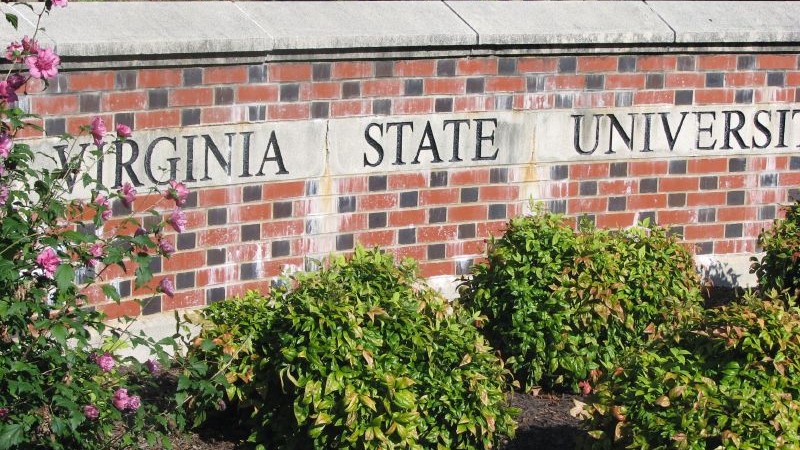
- After the Senate, he became the first president of the school now known as Alcorn State University.
Born Free in a Slave State
Hiram Rhodes Revels was born on September 27, 1827, in Fayetteville, North Carolina. His parents were free people, and his father worked as a Baptist preacher.
Freedom on paper did not mean an easy road. North Carolina placed tight limits on the schooling of free Black children.
Revels still found his way to an education. He learned first at a school run by a free Black woman in his hometown.
He worked as a barber and as a teacher while he studied. Then he traveled north to attend seminaries in Indiana and Ohio.
In 1845 he was ordained as a minister in the African Methodist Episcopal Church. The pulpit became his training ground for public life.
For years Revels preached across state lines, serving Black congregations in the North and the South. He also quietly helped enslaved people who were running toward freedom.
In Missouri, the law barred free Black people from settling in the state at all. Revels went anyway to pastor a church in St. Louis, and he was briefly jailed for preaching to Black people.
A Chaplain in the Civil War
When the Civil War began in 1861, Revels was pastoring in Baltimore. He soon turned his organizing gifts toward the Union cause.
Revels helped raise two regiments of Black soldiers in Maryland. He then served as a chaplain with Black troops in Mississippi, including the fighting around Vicksburg.
He also built schools for people stepping out of slavery. In St. Louis he opened a school for freedpeople while the war still raged.
When the guns fell silent, Revels settled in Natchez, Mississippi, in 1866. He served as a presiding elder in his church and founded schools for Black youth.
Natchez trusted the new preacher quickly. In 1868 he won his first public office, a seat as an alderman in the town.
A year later, Mississippi voters sent him to the state senate in Jackson. He was one of 35 Black lawmakers elected to the Mississippi legislature that year.
The Vote That Made History
Mississippi had no senators in Washington at all. Its two seats had stood empty since 1861, when the state left the Union for the Confederacy.
Under the rules of that era, state legislatures chose United States senators. The new Mississippi legislature took up the task in January 1870.
Black legislators pressed a bold claim. One of the two seats, they argued, should go to a Black man.
Revels himself later explained their thinking. Such an election would land what he called a weakening blow against color line prejudice.
Revels had opened the legislative session with a prayer that moved the whole chamber. His colleagues settled on him for the shorter of the two terms.
After three days and seven ballots, the legislature voted on January 20, 1870. Revels won the seat by a margin of 85 to 15.
Days later, on February 3, the Fifteenth Amendment was ratified. It barred any state from denying the vote because of race, color, or previous condition of servitude.
The timing gave Revels a title that has followed him ever since. The abolitionist Wendell Phillips called him the Fifteenth Amendment in flesh and blood.
They Tried to Keep Him Out
Revels arrived in Washington on January 30, 1870. He could not yet take his seat, because Mississippi itself had not been readmitted to the Union.
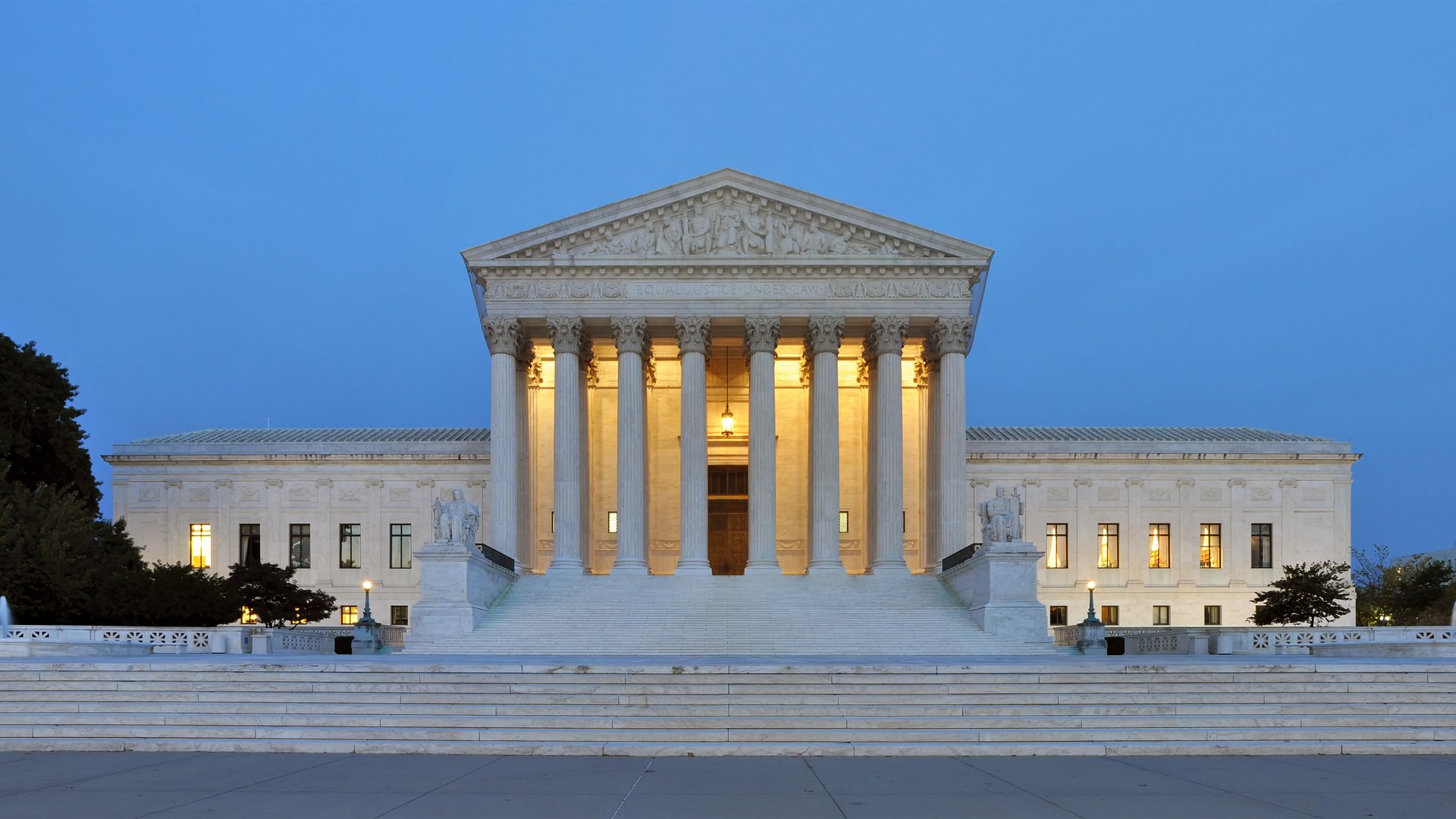
That step came on February 23. Then the real fight began, as three senators moved to block the first Black man ever sent to their chamber.
Their argument reached back to the Dred Scott decision of 1857. That ruling had declared that people of African descent could not be citizens of the United States.
Because senators must hold citizenship for nine years, the challengers claimed Revels fell short. They counted his citizenship from the civil rights law of 1866 at the earliest.
Revels and his allies answered with simple facts. The Fourteenth Amendment had overturned Dred Scott, and Revels had voted in Ohio long before the Civil War.
Senator Charles Sumner of Massachusetts rose to close the debate. His words still ring across the centuries.
All men are created equal, says the great Declaration, and now a great act attests to this verity. Today we make the Declaration a reality.
The Senate voted 48 to 8 to seat him. On February 25, 1870, Hiram Revels took the oath of office as a senator from Mississippi.
One Short Year, Fully Spent
Revels knew his term would end in March 1871. He refused to waste a single month of it.
Three weeks after his swearing in, he rose for his first major speech. He defended Black lawmakers in Georgia who had been elected and then thrown out of their own legislature.
He reminded the Senate what Black Americans had given the nation in its darkest hour. Many of my race, he said, sleep in the countless graves of the South.
Congress heard him. The Georgia lawmakers were returned to their seats, a direct win for the young senator from Mississippi.
Revels carried petitions from freedpeople across the South into the chamber. He pushed to end segregation in the schools of the District of Columbia.
He also fought for his state as a whole. He asked Congress to fund levees along the Mississippi River and argued that cotton country deserved federal investment.
When Black mechanics in Baltimore faced discrimination at a federal navy yard, Revels pressed their case. He won them a fair hearing and real relief.
He even argued for grace toward former Confederates who would honor the law. A representative of the state, irrespective of color, was how he described his own duty.
The President of Alcorn
When his Senate term closed on March 3, 1871, President Ulysses Grant offered Revels federal posts in Washington. Revels turned them down and went home to Mississippi.
He had a school to build. Revels became the first president of Alcorn University, the first land grant school for Black students in the United States.
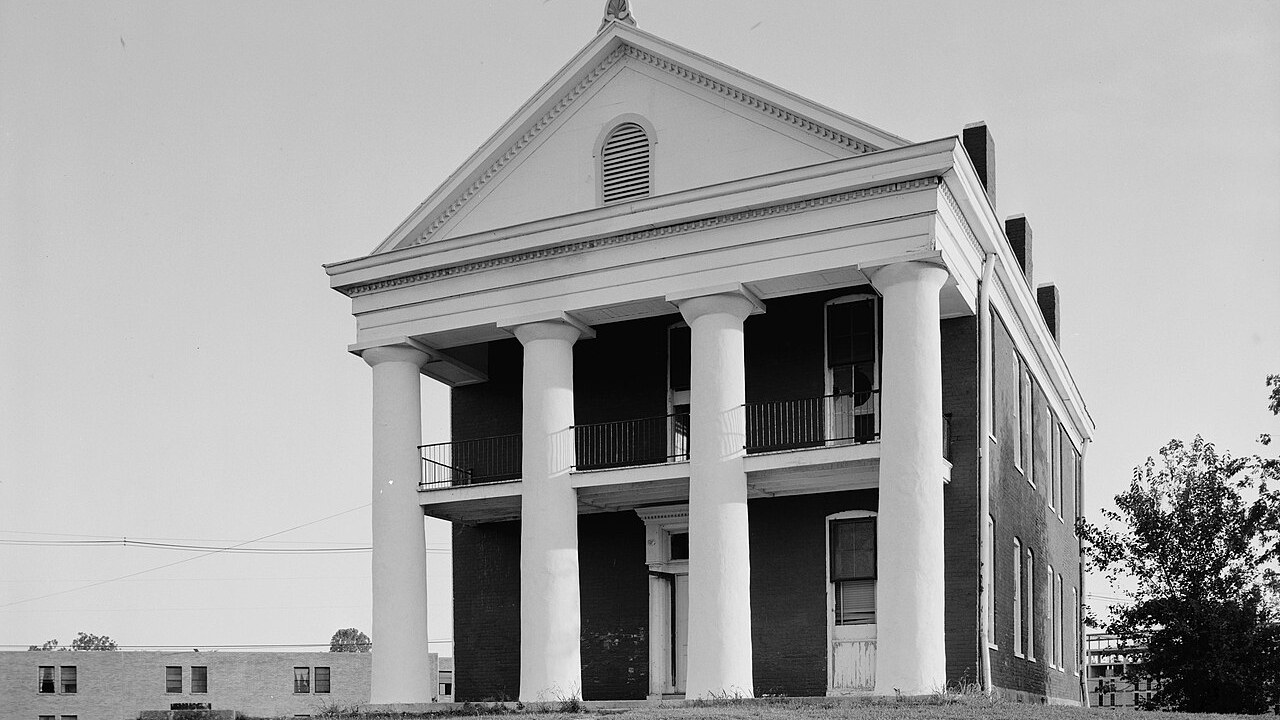
The college sat in Claiborne County and carries the name Alcorn State University today. Generations of Black Mississippians have passed through the doors he opened there.
Revels also served his state once more in 1873. When Secretary of State James Lynch died suddenly, Revels stepped in to fill the office.
He returned to the Alcorn presidency in 1876 and served until 1882. He spent his final years preaching and teaching theology at Shaw College, now Rust College, in Holly Springs.
Revels died on January 16, 1901, at a church conference in Aberdeen, Mississippi. He was 73 years old and still in service to the end.
Why Hiram Revels Still Matters
The door Revels opened did not stay open on its own. After Reconstruction fell, Mississippi wrote new laws to push Black voters away from the polls.
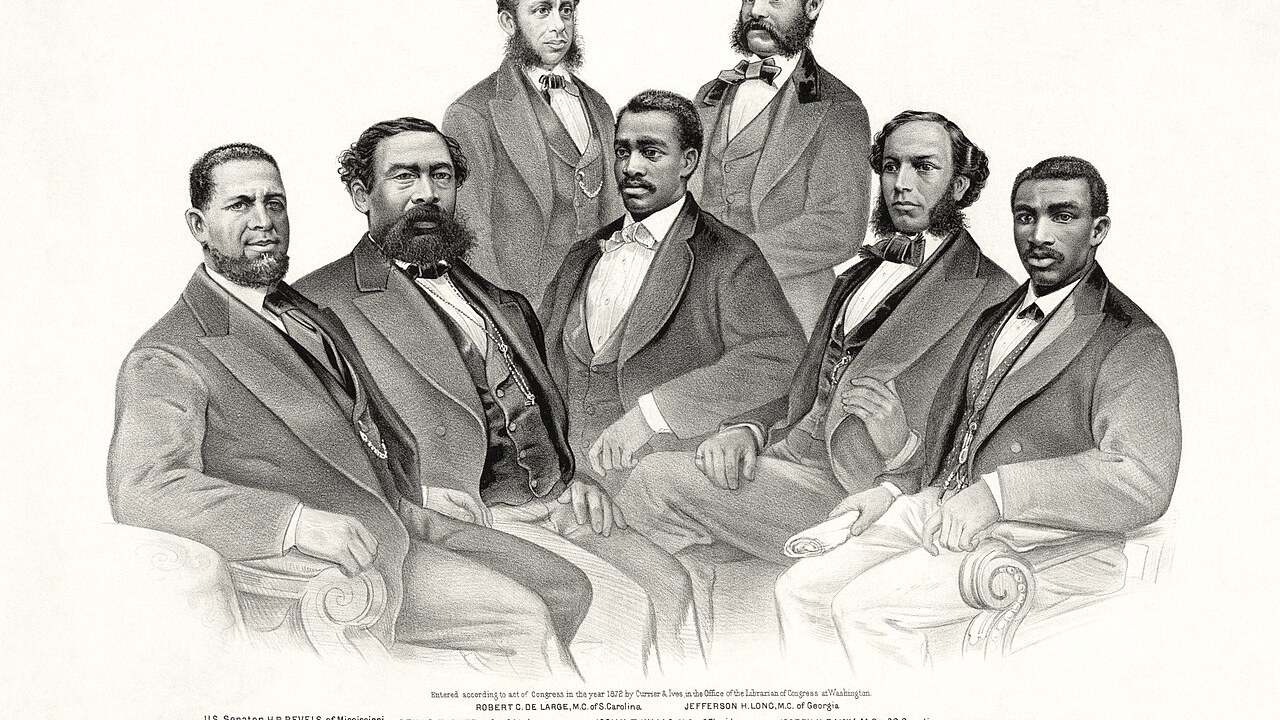
Only one other Black senator has ever followed him from this state. Blanche Bruce won a full term in 1874, and Mississippi has sent no Black senator to Washington since Bruce left office in 1881.
That long silence is exactly why this story belongs in front of readers today. Every ballot cast in Mississippi today moves through ground that Revels consecrated.
He proved that a man born under the shadow of slavery could govern a state that once denied his humanity. He did it with a prayer, a ballot count, and one crowded year of work.
Our Black in the Day series also tells how Robert Smalls sailed a Confederate ship to freedom and how Harriet Tubman freed hundreds along the Combahee River. Find those stories and more at Urban City Podcast.