7 min read
Major Takeaways
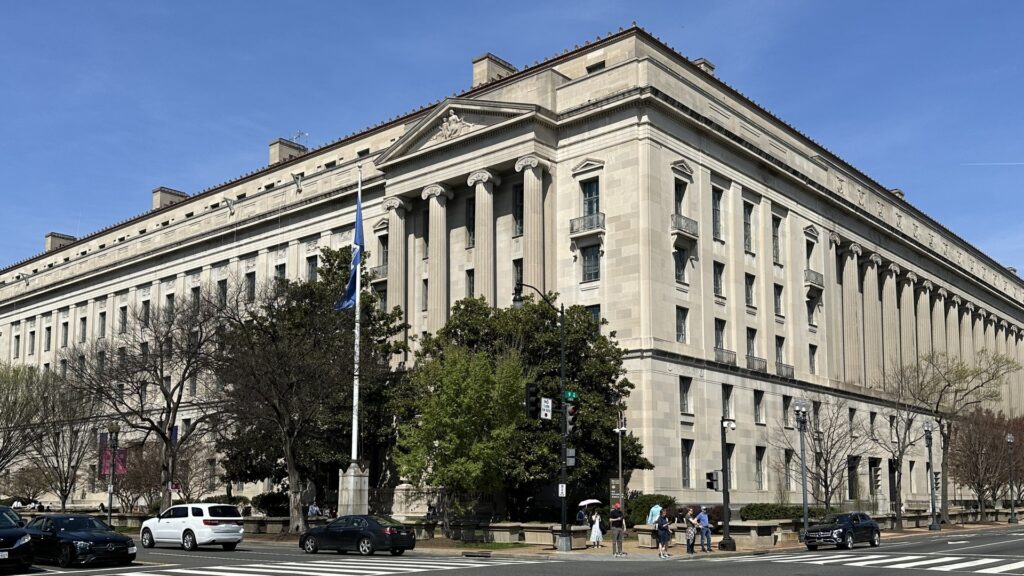
- The Justice Department charged 63 people in 15 states with voting crimes one day before Election Day.
- The department is sending 1000 election monitors to all 50 states in its largest effort in history.
- Civil rights groups sued over the plan and are sending their own teams to stand with voters.
- Every person charged is presumed innocent, and monitors cannot stop anyone from voting.
Black voters heading to the polls on Election Day are doing so under the largest federal election watch in American history.
The Justice Department released its full list of monitor locations on Tuesday morning.
One day earlier, the department announced criminal charges against 63 people across 15 states.
The two moves landed within hours of each other.
Together they frame the central tension of this Election Day.
Federal officials say they are protecting the vote.
Voting rights groups say the scale and the timing could scare eligible voters away.
63 People Charged in 15 States
The charges announced on Monday involve illegal voting, fraudulent voter registration, and false claims of United States citizenship.
The cases reach Arkansas, California, Georgia, Maryland, Missouri, Nevada, New Jersey, New Mexico, and New York.
North Carolina, Pennsylvania, Tennessee, Texas, Utah, and Wisconsin complete the list of 15 states.
Four of the 63 people were described by the department as being in the country illegally.
Others include lawful permanent residents who are still not eligible to vote in federal elections.
Attorney General Todd Blanche called the announcement the largest surge of voter fraud arrests since President Donald Trump returned to office.
Blanche said the defendants allegedly took advantage of the trust of the American people.
He said they flouted the laws that govern the elections of this nation.
The department says 195 noncitizens across 25 states have been charged in the past nine weeks alone.
The total charged with voting related offenses since the current administration began now stands at 239.
One Case Reaches Back to 2008
Prosecutors say one defendant registered to vote in 2008 and kept voting for years.
Elizabeth Margaret Crudup is a 52 year old Kenyan national and a lawful permanent resident.
She is charged with falsely claiming citizenship and with illegally voting.
The department says she cast ballots in nine general elections between 2008 and 2024.
In Georgia, prosecutors charged a 64 year old Mexican national with making a false claim of citizenship to vote.
In North Carolina, 18 people were charged in the same announcement.
In California, prosecutors added six cases and brought the state total in similar cases to 34.
Federal law sets penalties of up to one year in prison for voting by a noncitizen.
Falsely claiming citizenship to vote carries up to five years in prison.
Every charge is an allegation and not a finding of guilt.
Every defendant is presumed innocent unless proven guilty beyond a reasonable doubt in court.
Election Monitors Head to All 50 States
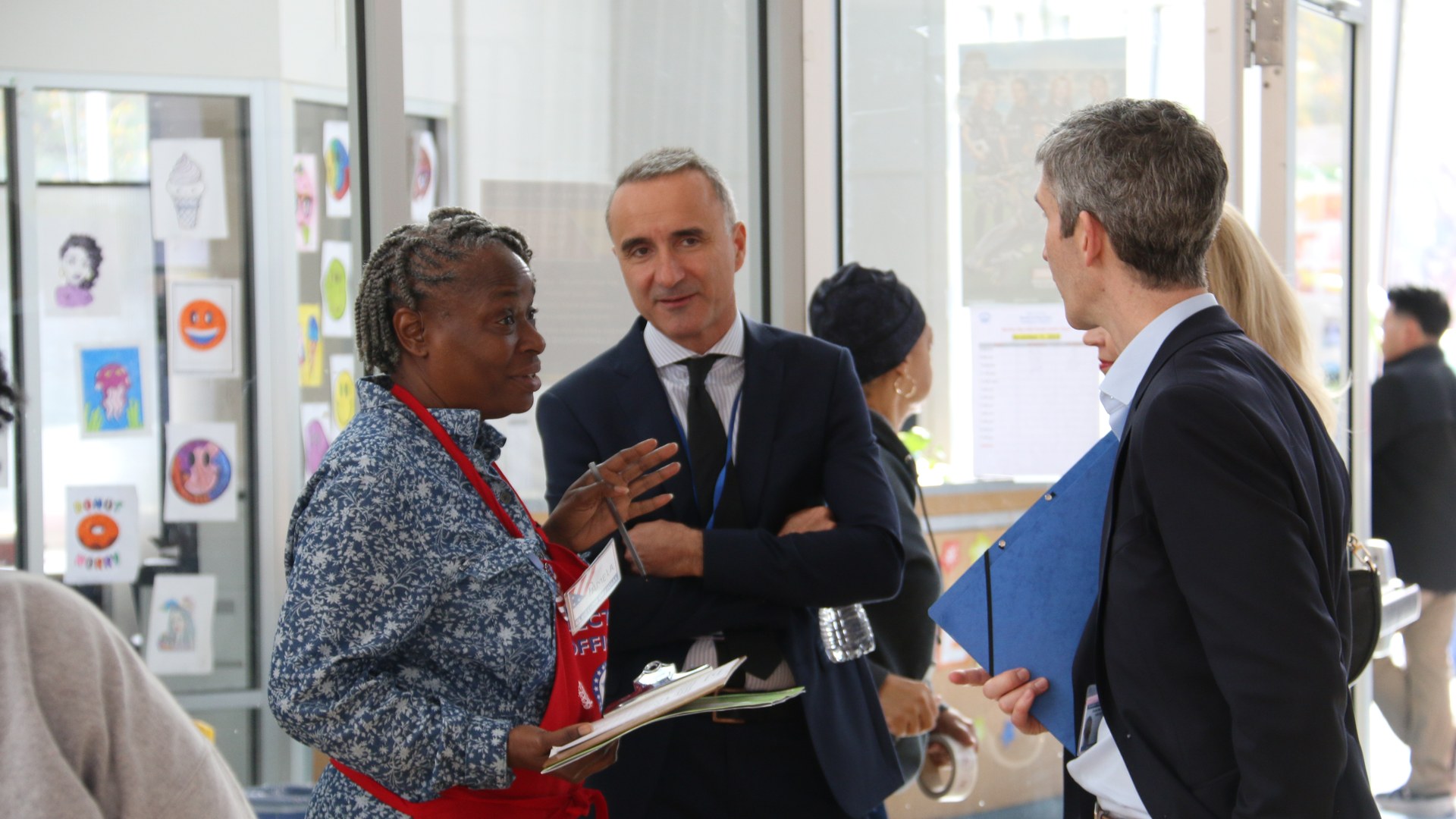
On Tuesday morning the department named the cities and counties receiving its 1000 election monitors.
The department called the deployment the largest monitoring effort in its history.
The number is roughly triple the count from the last midterm election.
Assistant Attorney General Harmeet Dhillon said election integrity has been one of the top priorities of this administration.
The department said its priorities include areas with a history of voter access problems.
It also named places with competitive races that could become targets of voter intimidation.
In Georgia, monitors are assigned to Cobb, DeKalb, Fulton, Gwinnett, Chatham, and Bibb counties.
In Michigan, the list includes Detroit, Flint, Grand Rapids, Lansing, and Dearborn.
In Texas, monitors are assigned to Harris, Dallas, Bexar, Waller, Blanco, Bowie, and Nueces counties.
Ohio will see monitors in Cuyahoga, Franklin, and Medina counties.
Many of those places are home to large Black populations whose votes will decide close races.
Follow the results as they come in on the UCP Election Tracker through the night.
What Monitors Can and Cannot Do
The department says its monitors will check for compliance with federal voting rights laws.
That work sits inside the Civil Rights Division of the department.
Monitors observe and document. They do not run the polling place.
They cannot conduct investigations on the spot.
They cannot stop anyone from voting.
Some state and local laws allow election officials to keep federal monitors outside the voting room itself.
Several states issued fresh guidance to poll workers about those limits before polls opened.
The department is asking anyone with a question or a complaint to call 800 253 3931.
Voters can also write to VEMW@usdoj.gov with election concerns.
President Trump added to the pressure on October 26.
He promised rewards of 1 million dollars for information leading to the arrest and conviction of people committing voter fraud.
Civil Rights Groups Answer With Their Own Teams
The NAACP and Advancement Project sued in October to block parts of the federal plan.
The lawsuit says the department intends to use criminal prosecutors and law enforcement personnel as monitors.
It argues that the focus on voter fraud claims could intimidate voters at the polls.
A federal court denied the request for a temporary restraining order.
The case itself is continuing in court.
Advancement Project is now sending its own monitors to Washington and six states.
Its teams in Indiana will stand in Lake County alongside about 24 federal monitors assigned there.
Hani Mirza leads the Power and Democracy Program at Advancement Project.
Mirza said the teams are serving as a resource for voters.
He said they are flagging systemic voting issues and teaching voters about voter protection.
Executive Director Carmen Daugherty put the mission in plain words.
She said every eligible voter has the right to cast a ballot freely, without fear or interference.
She said voters should know they are not alone.
Why This Lands Hard in Black Communities
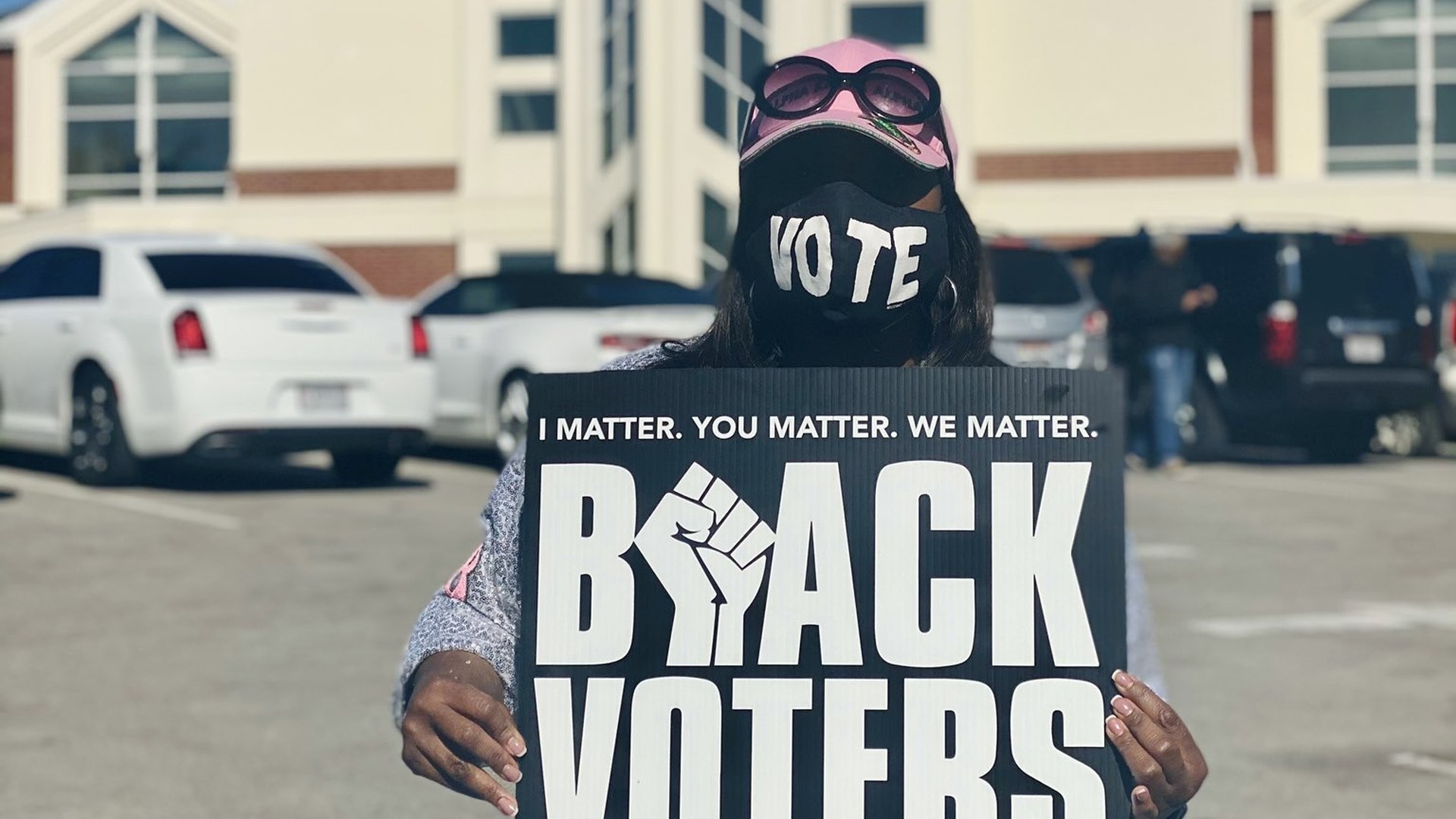
Federal election monitoring was built to document discrimination against Black voters.
For generations, that history made a federal presence at the polls a form of protection.
This year the same tool arrives tied to fraud prosecutions and reward offers.
That shift is what worries voting rights advocates the most.
Naturalized citizens and voters with accents or foreign sounding names fear being questioned.
Eligible voters who hear about arrests may decide the risk of trouble is not worth the trip.
Supporters of the deployment answer that clean rolls and visible oversight build public confidence.
They say honest voters have nothing to fear from an observer with a clipboard.
Both arguments now meet at the polling place door.
The scale of the Black vote this year raises the stakes of that meeting.
Black voters cast about 32 percent of the early vote in Georgia and about 22 percent in North Carolina.
Read how this Election Day is already making history in our look at the historic firsts for Black candidates.
Catch up on every top story in the UCP News section as results roll in.
Know Your Rights Before You Reach the Front of the Line
An observer at your polling place cannot ask you to prove anything before you vote.
Only poll workers run the check in process, and challenges follow state law.
If your eligibility is challenged, ask a poll worker about a provisional ballot.
If you are in line when polls close, stay in line. You still have the right to vote.
If you feel intimidated, tell a poll worker and call the federal hotline at 800 253 3931.
The court fights over these cases and this monitoring program will run for months.
The ballots cast today will be counted tonight.
For Black voters, the instruction from every side of this fight ends up the same.
Show up, cast the ballot, and make them count it.