8 min read
Major Takeaways
- About 1,000 Justice Department monitors will be sent to polling places in all 50 states on Tuesday, a deployment far larger than the one in 2022.
- A court filing confirmed the monitors will include staff from drug enforcement, firearms and prison agencies, alongside Justice Department lawyers and criminal prosecutors.
- The NAACP has sued to block the plan, calling it voter intimidation, and election officials in Kentucky, Indiana, Arkansas, Minnesota and Wyoming have told the federal teams to stay outside the polls.
- The department says its monitors are unarmed, cannot make arrests and will not question voters about citizenship at the polls. Federal law bars armed federal personnel at voting sites and makes voter intimidation a crime.
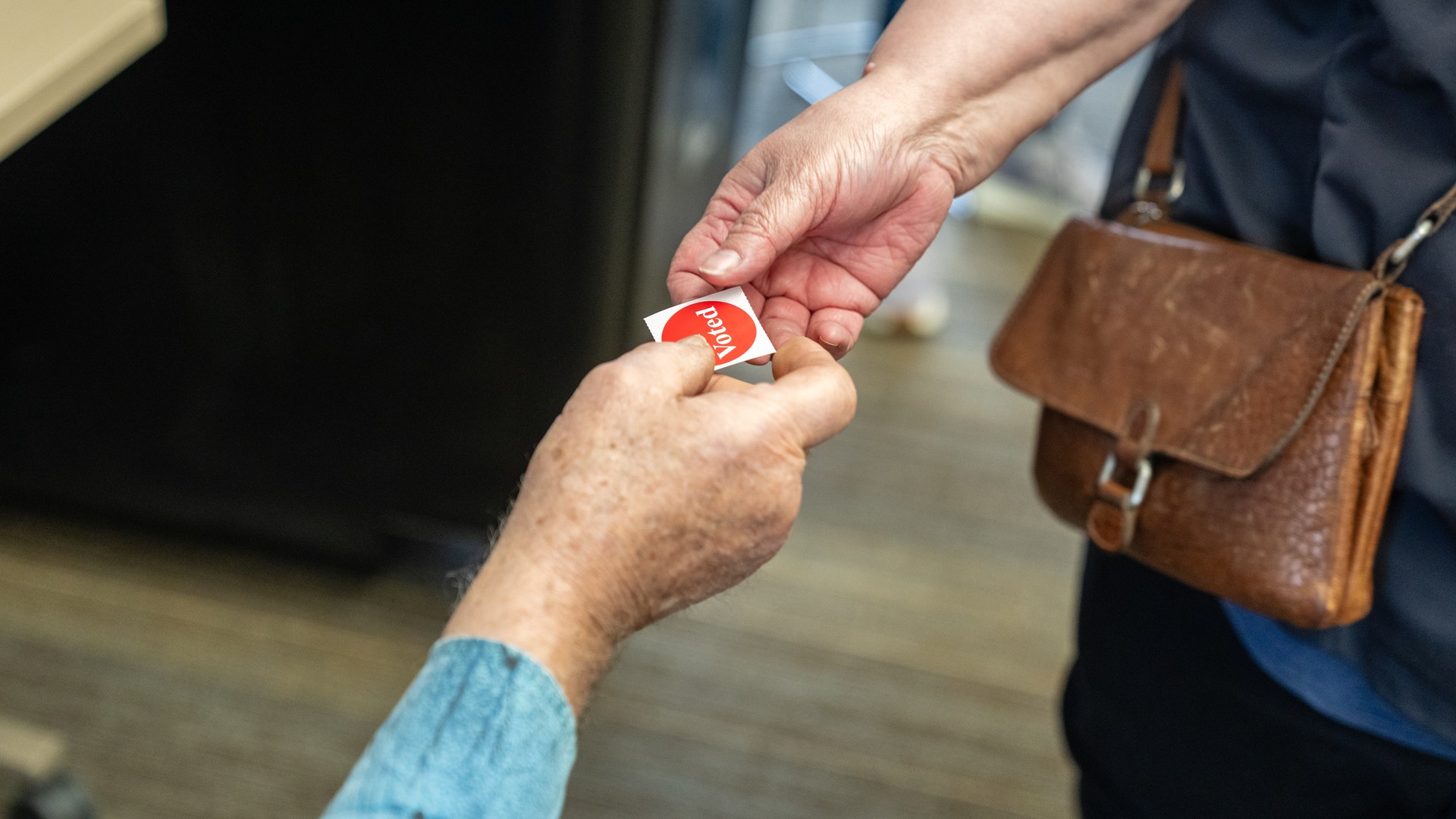
When polls open on Tuesday morning, many Black voters will find someone new standing nearby. The Justice Department is sending about 1,000 federal monitors to polling places in every state, a record federal presence at the polls.
The department says the federal monitors will protect the vote and make sure only citizens cast ballots. Voting rights advocates hear something very different in that mission, and they have gone to court to stop it.
For Black communities, the stakes are plain. The Civil Rights Division has sent observers into American elections since the 1960s to make sure no voter is blocked because of race. This year, that same division arrives with criminal prosecutors in its ranks.
A Deployment That Dwarfs 2022
In the 2022 midterms, the department sent 289 monitors to 64 jurisdictions in 24 states. Those teams were largely civil rights experts, and many local officials called them partners.
This year, Assistant Attorney General Harmeet Dhillon has promised about 1,000 monitors. Attorney General Todd Blanche has said there could be even more, spread across every state.
The department still has not said exactly where they are going. Officials have said the full list of counties will be released only on Election Day itself.
Much of what the public knows about the plan surfaced only because the NAACP sued for records under the Freedom of Information Act.
Who Will Be Standing at the Polls
A Justice Department court filing last week confirmed who some of these monitors are. The teams will include employees of the Drug Enforcement Administration, the Bureau of Alcohol, Tobacco, Firearms and Explosives and the Federal Bureau of Prisons, plus one employee of Customs and Border Protection.
The department says agents of the FBI and ICE will not be among them. It says the monitors will be unarmed and cannot make arrests.
Under the department rules, monitors may speak with voters only outside the polling place, and only after those voters have cast a ballot. Voters do not have to stop and talk.
Spokeswoman Kiersten Pels said the department is prioritizing places required to provide language assistance, places with little election observation data and places under consent decrees from earlier election problems.
Pels also said monitors will not question voters about their citizenship status at the polls. She added that if monitors uncover evidence of noncitizens voting, in her words, we will use it.
In Adams County, Colorado, Clerk Josh Zygielbaum said he was told the monitors headed to his polling sites are criminal prosecutors, a first for this program. Zygielbaum runs elections for about 554,000 residents near Denver.
He was blunt about the visit. “We’ve never had any complaints. We’ve never had any charges filed. We’ve never been under investigation. There’s never been any reason for the DOJ to come in here and monitor,” Zygielbaum said. “It’s almost as if they’re coming here to scrutinize the voter.”
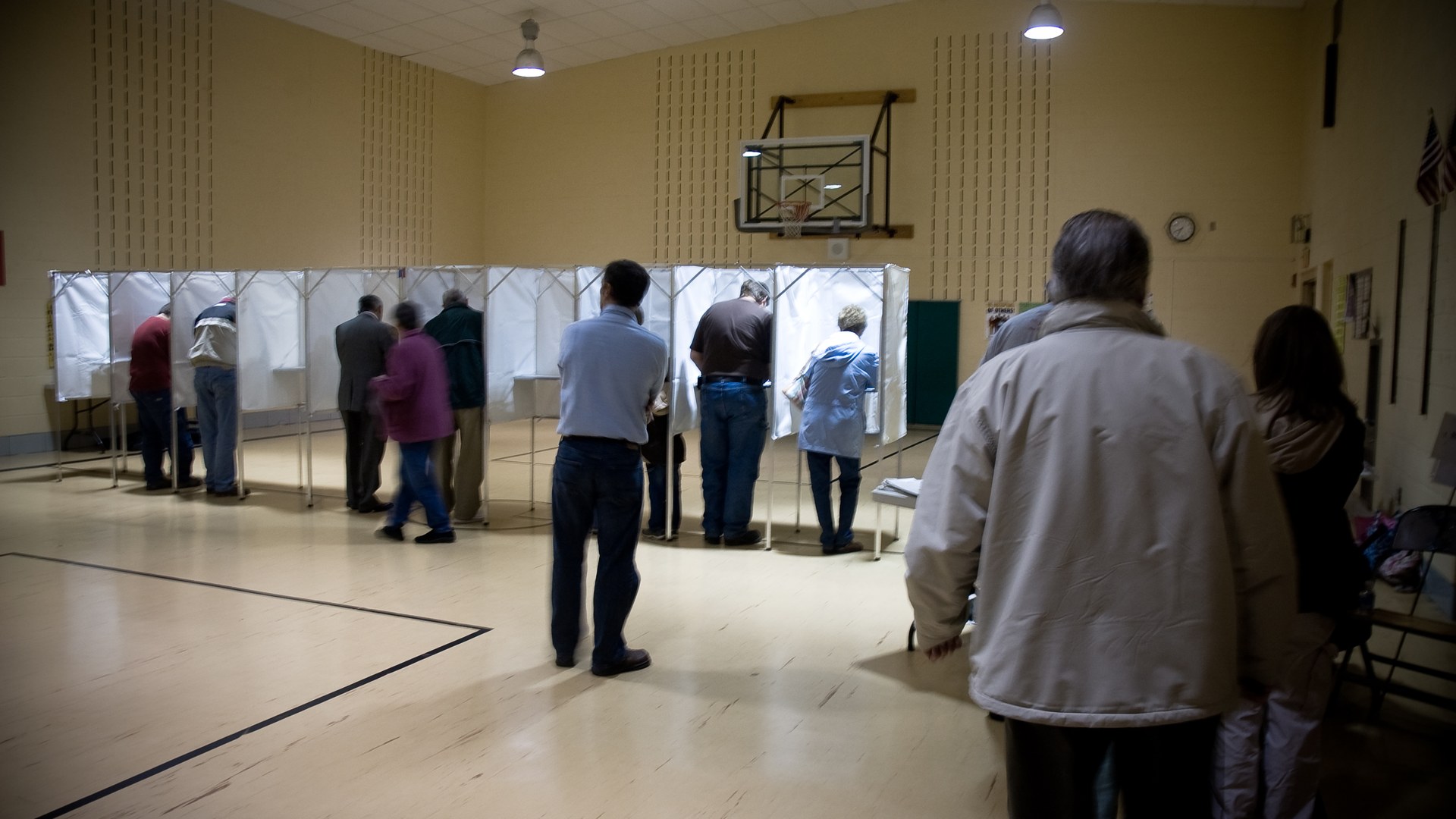
Counties Are Drawing Their Own Lines
Election officials in several states have read their own laws and told the federal teams exactly where they may stand.
In Kentucky, officials in Jefferson County and Fayette County told the department its monitors may not enter polling places. The state Republican secretary of state agreed the monitors will stand outside.
Indiana officials said the same for Marion County and Lake County. In Arkansas, the Washington County Election Commission voted unanimously to keep the monitors outside.
During the August primaries, Hennepin County in Minnesota refused to let monitors inside its polling places. The federal teams stayed outside a 100 foot boundary set by state law.
Wyoming had not seen a federal observer at its polls in at least 40 years before monitors appeared at its August primary. Republican Governor Mark Gordon called that appearance irregular and a bit aggressive, and he asked for a state investigation.
Laramie County Clerk Debra Lee said the observers there agreed to wear county issued badges. They also agreed to stay at least 100 feet from the polls if they want to interview voters.
The Constitution leaves election administration largely to the states. That is why the rules for observers change from state to state, and even from county to county.
The NAACP Takes the Fight to Court
The NAACP has sued to stop the monitoring. The organization argues the department lacks the authority to enforce state and county voting rules, including checking whether voters are citizens.
“Defendants have twisted the Poll Monitoring Program into a tool to pursue baseless allegations of widespread voter fraud,” the NAACP wrote in its lawsuit.
The suit says voters reasonably fear facing wrongful surveillance, investigation, or prosecution for exercising their right to vote. It points to the first time use of criminal prosecutors and the unprecedented scale of the deployment.
A separate NAACP records lawsuit is led by Kristen Clarke. She ran the Civil Rights Division from 2021 to 2025 and now serves as the general counsel of the NAACP.
The deployment follows a summer in which the Civil Rights Division sent letters to election officials in every state. The letters threatened legal action against officials who knowingly allowed noncitizens to vote or to remain on the voter rolls.
President Donald Trump has claimed for years, without evidence, that noncitizen voting is rampant. On October 26, he promised rewards of 1 million dollars for information leading to the arrest and conviction of people who commit voter fraud.
The fear itself carries a cost. A national survey of 5,016 adults taken in early September found that 40 percent thought it likely that federal immigration officers would be at polling places in their area.
Only 49 percent of those adults said they expect the midterms to be free and fair. A voter who expects trouble at the polls may decide to stay home, and a vote never cast cannot be recovered.
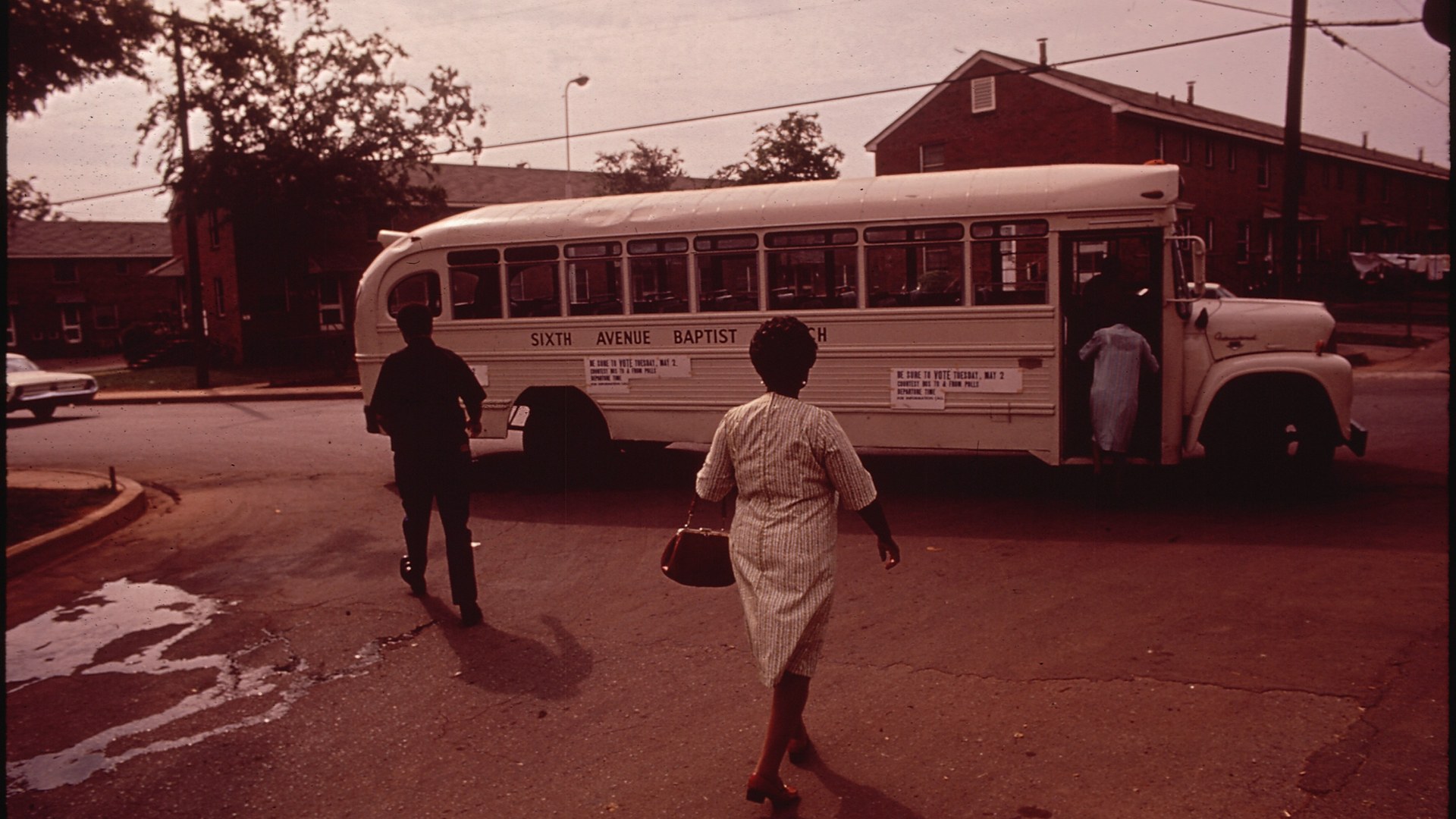
What Black Voters Should Know About Federal Monitors
Know this before Tuesday. By the department’s own account, monitors may not question you about your citizenship at the polls.
Federal law makes it a crime for federal officials to send armed personnel to any place where an election is being held. Another federal law makes voter intimidation punishable by up to a year in prison.
Speaking with a monitor outside after you vote is voluntary. If anyone interferes with your vote, report it to your local election officials on the spot, because they run the room.
Democratic state parties say they are sending thousands of trained volunteers, called Democracy Protectors, to polling places across the country. Their promise is that every voter has someone in their corner.
Turnout is already rewriting the story of this election. Black early voting surged across the South in the final week, and Mississippi voters can read exactly how Election Day works before they head out.
Our ancestors were watched at the polls by men who wanted them gone. They voted anyway. Stay with Urban City Podcast through Election Day, and when your polling place opens on Tuesday, be in line.