
8 min read
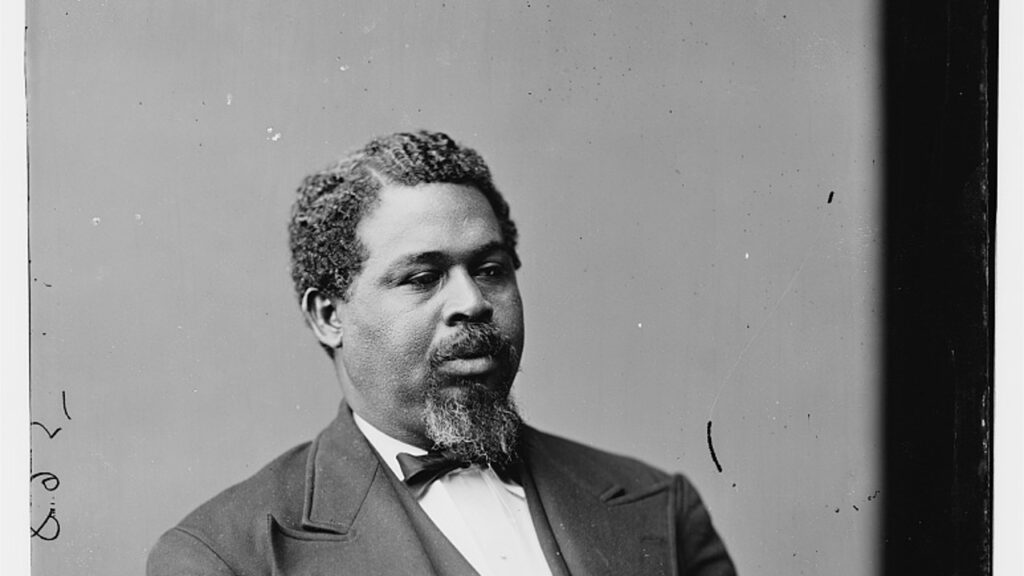
Robert Smalls pulled off one of the boldest freedom runs in American history, and he did it behind the wheel of a Confederate warship.
In May 1862, Smalls was an enslaved pilot working the waters of Charleston Harbor. By sunrise on May 13, he had delivered the steamer Planter straight to the United States Navy.
Sixteen enslaved people rode that ship into freedom. Smalls then spent the rest of his life fighting to make that freedom real for everybody.
Major Takeaways
- Robert Smalls was born enslaved in Beaufort, South Carolina, on April 5, 1839.
- On May 13, 1862, he sailed the Confederate steamer Planter past Fort Sumter and into freedom.
- He became captain of the Planter and fought in seventeen battles during the Civil War.
- Smalls helped write public education into the South Carolina constitution and served five terms in Congress.
- A national park in his home county and a Navy ship now carry his name and his story.
A Boy Enslaved in Beaufort
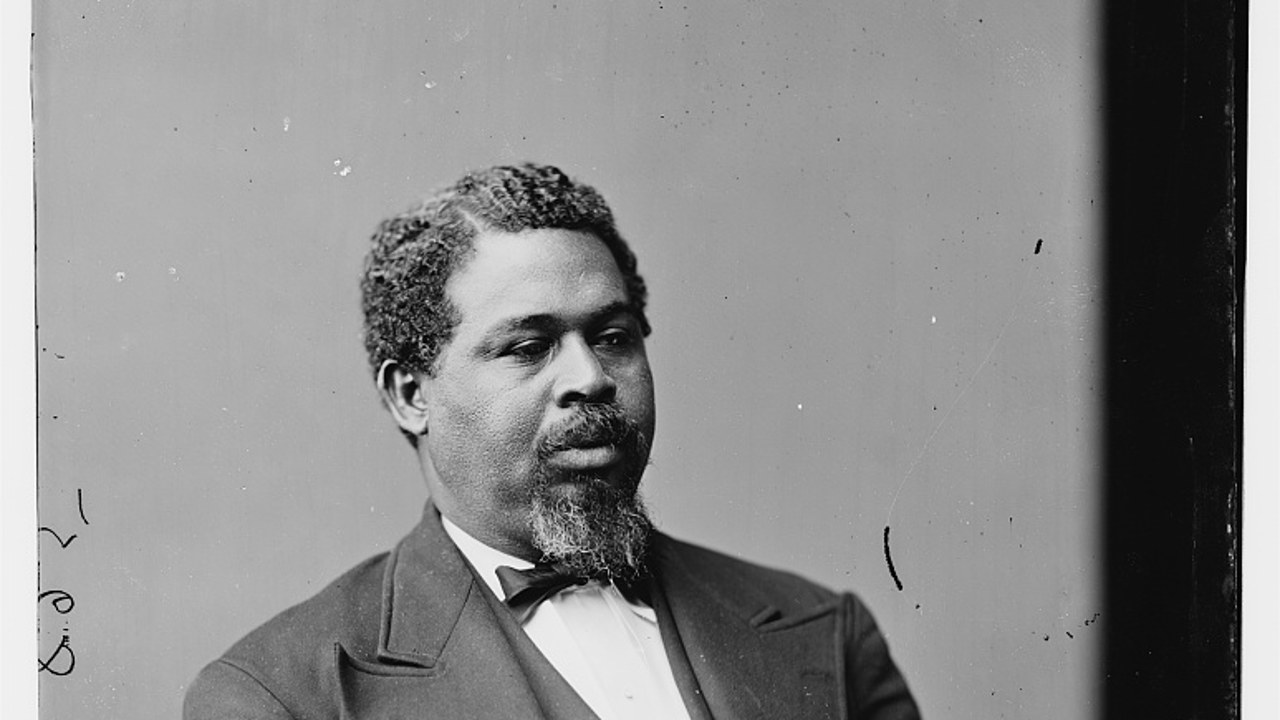
Smalls was born on April 5, 1839, in Beaufort, South Carolina. His mother, Lydia Polite, was enslaved in the home of Henry McKee.
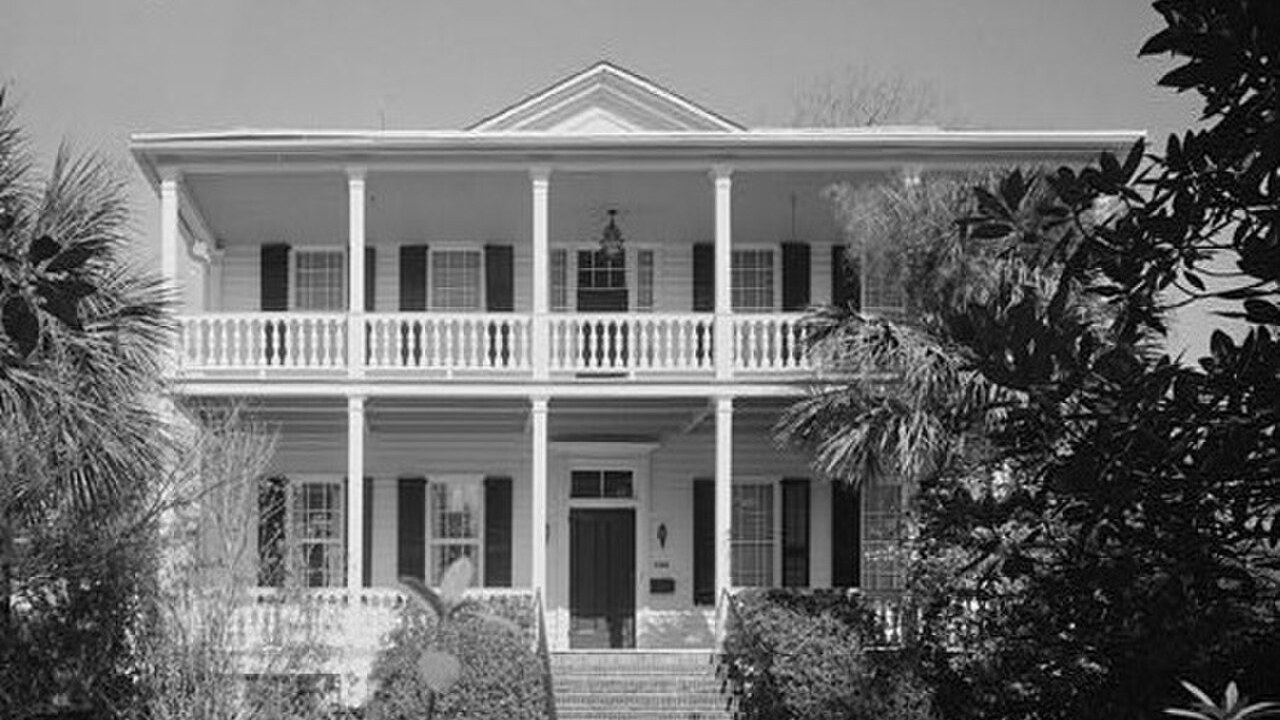
The family lived in a small cabin behind the McKee house at 511 Prince Street. That address would follow Smalls for the rest of his life.
At age twelve, McKee sent the boy to Charleston to be hired out for wages. Every dollar Smalls earned belonged to the man who claimed to own him.
He worked first as a waiter in a hotel. Then he moved to the docks, where the real education of Robert Smalls began.
On the Charleston waterfront, Smalls learned rigging, sails, and the tricky waters of the harbor. Few men alive knew those channels better than he did.
Around 1856, he married Hannah Jones, an enslaved woman in Charleston. Their marriage had no standing under South Carolina law, a fact that weighed on them daily.
The couple had two children, Elizabeth and Robert Junior. Smalls knew his family could be taken and sold at any moment, as so many enslaved families were.
The Night Robert Smalls Took the Planter
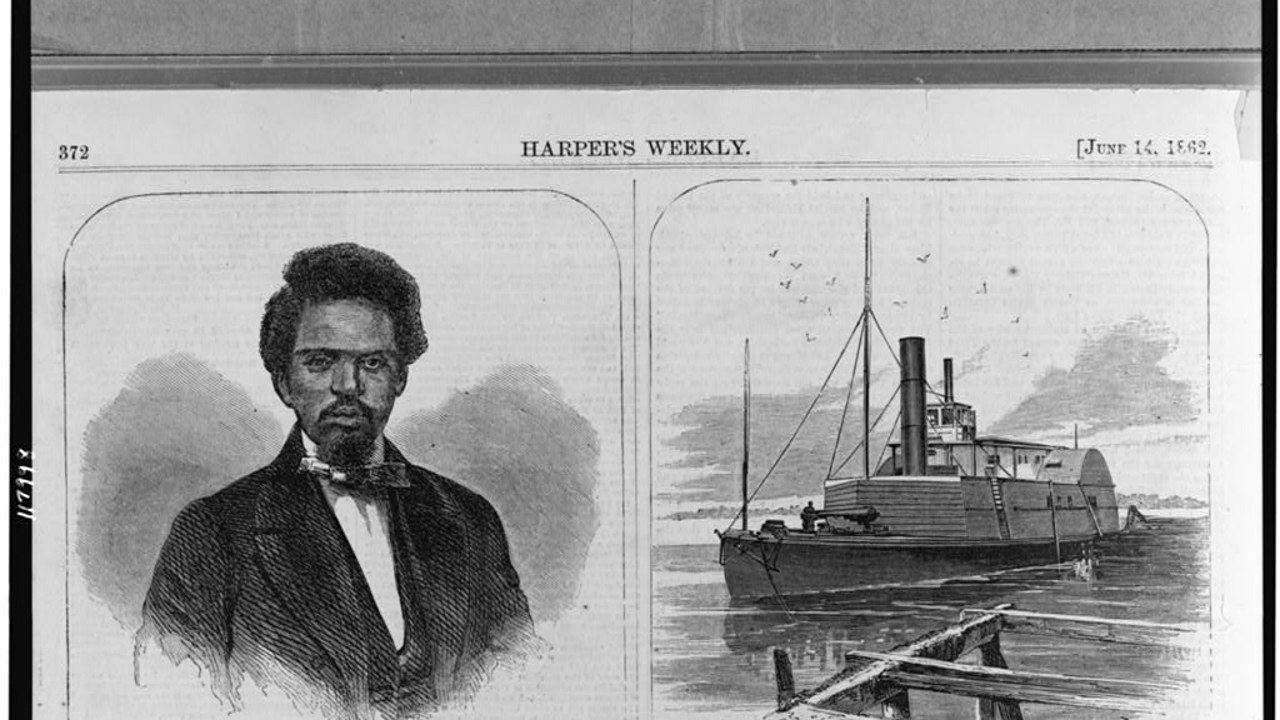
When the Civil War began, the Confederacy put the Planter to work as an armed transport ship. The vessel carried guns and ammunition between the forts guarding Charleston.
Smalls served aboard her as a pilot. The white officers trusted his hands on the wheel, even as the law still held him as property.
He and the enslaved crewmen quietly shaped a plan. If the officers ever left the ship in their hands, they would take her out to the Union blockade.
The chance came on the night of May 12, 1862. The captain and the white crewmen went ashore in Charleston and stayed there for the night.
Around three in the morning, Smalls and his crew fired up the boilers. The Planter slipped away from the dock in the dark.
The ship stopped at a nearby wharf to collect the waiting families. Wives and children climbed aboard, risking their lives to be free.
Smalls pulled on the same style of straw hat the captain wore, hiding his face, and took the wheel himself. At each Confederate checkpoint, he gave the proper whistle signals.
The Planter steamed past Fort Sumter and Fort Moultrie and out toward the open sea. Clear of the harbor guns, the crew lowered the Confederate flags.
In their place, the crew raised a white bedsheet as a flag of surrender. The Planter then pulled alongside the Union ship Onward.
Smalls raised his hat and called out his famous greeting to the officers on deck.
Good morning, sir! I have brought you some of the old United States guns, sir!
Sixteen enslaved people were free. The Union also gained a valuable ship, its guns, a Confederate code book, and a pilot who knew every inch of Charleston Harbor.
Captain Smalls Goes to War
Freedom did not end the fight for Smalls. He put his knowledge of the coast to work for the United States Navy.
He served as a pilot aboard Union vessels in the waters around Charleston. In April 1863, the ironclad Keokuk sank under enemy fire, and Smalls was injured in the action.
In December 1863, Smalls was given command of the Planter as her captain. The man who had taken the ship out of bondage now led her in open service.
He fought in seventeen battles before the war closed. When the fighting ended in April 1865, Smalls was aboard the Planter in Charleston Harbor, a free man on the ship that set him free.
Smalls also lobbied for the enlistment of Black soldiers during the war. He believed men who fought for the nation could never again be denied a place in it.
He Bought the House of the Man Who Enslaved Him
Congress awarded prize money to Smalls and his crew for delivering the Planter. Smalls took his share and made a purchase that stunned Beaufort.
In January 1864, at a tax auction, he bought the Prince Street mansion of Henry McKee. The house where he was born enslaved now belonged to Robert Smalls.
His family would hold that house for generations. Years later, when the widowed Mrs. McKee fell ill, Smalls let her live in the house as well.
Smalls also went into business for his community. He opened a store serving freedpeople in Beaufort with his partner Richard Gleaves.
Five Terms in Congress
Politics came next, and Smalls treated it as the same fight by other means. In 1864 he served as a delegate to the Republican National Convention.
That same year in Philadelphia, he was arrested for riding in a segregated streetcar. He helped organize a boycott, and city transit was desegregated three years later.
In 1868, Smalls sat in the convention that wrote a new South Carolina constitution. He pushed hard to make public education a core promise of that document.
Voters sent him to the state House that year and to the state Senate in 1872. In 1874, Beaufort sent him to the United States Congress.
He served five terms in the House between 1875 and 1887. His cause there was simple to state and hard to win: full citizenship and equal rights for Black Americans.
He fought segregation in the armed forces, on the railroads, and in restaurants. He did this while armed groups threatened him and his supporters at election after election.
In 1895, South Carolina rewrote its constitution again, this time to strip Black men of the vote. Smalls stood at that convention and spoke against the plan.
After Congress, he served two decades as Collector of Customs at the port of Beaufort. He held federal office in the heart of the Jim Crow South and stood his ground.
Congress also settled an old debt in 1900. Lawmakers voted him five thousand dollars for the taking of the Planter, nearly four decades after the fact.
Why Robert Smalls Still Matters
Smalls died on February 23, 1915, in Beaufort. He was buried at Tabernacle Baptist Church, a short walk from the house he bought on Prince Street.
For much of the century that followed, his story faded from the national telling. The people who built Jim Crow had no use for a hero like Robert Smalls.
Beaufort never fully forgot him. Local leaders pushed for years to protect the places tied to his life and to the Reconstruction era he helped build.
In 2017, the federal government established a national monument in Beaufort County honoring that era. Today the Reconstruction Era National Historical Park tells his story blocks from his home and his grave.
In 2023, the Navy renamed a guided missile cruiser in his honor. The ship once called Chancellorsville now sails as the USS Robert Smalls.
His life answers a question our country still argues about today. What can people build when freedom finally reaches their hands?
Smalls answered with schools written into a state constitution. He answered with ballots cast under threat and with a house bought back on Prince Street.
Our Black in the Day series also tells how Harriet Tubman freed hundreds along the Combahee River and how Katherine Johnson helped send America to space. Find those stories and more at Urban City Podcast.