

Major Takeaways
1. Epstein Wasn’t an Individual Failure—It Was a Systemic One
The renewed focus on Epstein-related photographs underscores how elite protection, institutional silence, and media deflection allowed a global trafficking operation to exist in plain sight. The real scandal isn’t just who was connected it’s why accountability keeps stopping at the same convenient point.
2. Trump’s Focus on Clinton Is Strategic, Not Accidental
By centering Bill Clinton in the Epstein conversation, Donald Trump narrows the narrative, transforms systemic failure into partisan theater, and redirects scrutiny away from broader elite accountability. It’s a political tactic designed to control the camera, not uncover the truth.
3. Venezuela Isn’t About Drugs—It’s About Oil and Power
The U.S. seizure of a vessel near Venezuela reflects a long-standing geopolitical reality: Venezuela’s vast oil reserves make it a permanent target of U.S. pressure. Despite official framing, energy dominance not narcotics remains the primary driver behind America’s fixation.
This is Denise Myles with Big Back Politics Live! on the Urban City Podcast Network, urbancitypodcast.com, and The Urban City Podcast app. Good morning, good afternoon, good evening wherever you’re listening from because today we’re stepping into one of those political moments where the headlines look disconnected, but the power underneath them is absolutely aligned, and if you blink, you miss the real story.
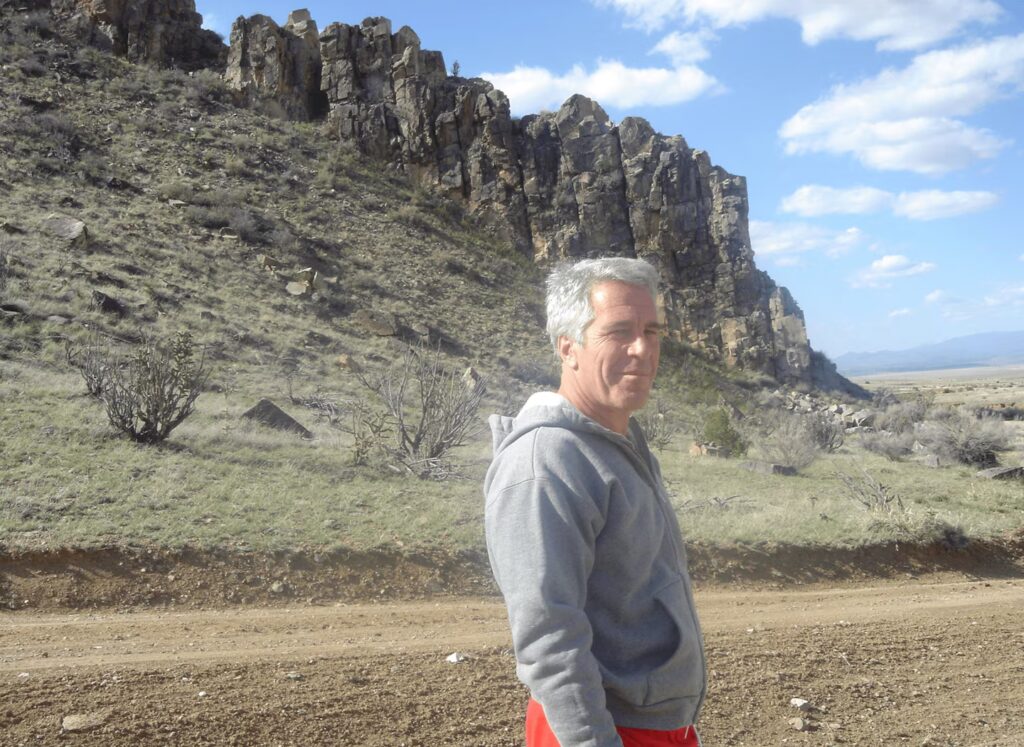
Right now, three narratives are dominating different corners of the news cycle: the first batch of Jeffrey Epstein related photos entering public discussion, Donald Trump aggressively redirecting attention toward Bill Clinton in the Epstein files, and the United States seizing a vessel in international waters off the coast of Venezuela.
On the surface, these stories look separate. In reality, they’re about the same thing: control, distraction, and who gets to shape the narrative while the rest of us argue about personalities. Let’s start with Epstein, because Epstein is the wound this country never allowed to heal. Jeffrey Epstein is dead, but the system that protected him is very much alive. For years, Americans have been told to move on, to accept that justice was served, to believe that the story ended in a jail cell.
BUT, justice doesn’t end when the most convenient defendant dies. Justice begins when the network around him is exposed, and that’s why the release and discussion of Epstein-related photographs matters more than any list of names ever could. Names can be denied. Testimony can be attacked. Memories can be questioned. But images do something different. They collapse plausible deniability. They force the public to confront proximity, access, repetition, and familiarity. Yall know I gotta quote my mentor Joe Madison on this too, Power must ALWAYS be challenged! Hell with this degree of evil, how could he?!
His operation required logistics, transportation, financial services, legal shielding, and, most importantly, political indifference across borders. That doesn’t happen accidentally. That happens when systems decide certain people are untouchable. And that’s where this story gets dangerous, because once you accept that Epstein was enabled, you have to ask who enabled him and why. Now here’s where Donald Trump enters the frame, and let’s be very clear!
Trump did not accidentally make Bill Clinton the focal point of the Epstein conversation. This was a deliberate political move, and anyone pretending otherwise is either naïve or dishonest. Trump understands media cycles better than most news editors and investigative reporters. He understands that the public doesn’t consume investigations; it consumes conflict. By centering Clinton whose association with Epstein through documented travel and social proximity is already well known Trump accomplishes several things at once. He reframes Epstein as a Democratic scandal, he activates old partisan muscle memory, he drags the narrative backward instead of forward, and he ensures the conversation becomes about who’s worse rather than who’s accountable.
Bill Clinton is the perfect target because he’s no longer in office, he’s already controversial, and for many Americans, his moral credibility was settled decades ago. But here’s the trick: narrowing the focus to Clinton protects the system that allowed Epstein to operate in the first place. Epstein was not a blue problem or a red problem. He was an elite problem. The moment this becomes partisan theater, accountability dies quietly in the corner. Trump knows that. Clinton’s critics know that. And the political class benefits from that confusion. This is also where the media comes in, and yes, we need to talk about media complicity, because this sleight of hand only works if it’s amplified.
Cable news thrives on familiar villains and predictable outrage. Yall should know this by now! They’ve been doing it for decades!!! A Clinton-versus-Trump framing delivers ratings, clicks, and viral segments. What it doesn’t deliver is clarity. Very few outlets are willing to ask the harder questions: why Epstein received extraordinary legal protection, how intelligence agencies intersected with his operation, why financial institutions continued servicing him after red flags were raised, and why political leaders across multiple administrations failed to intervene. Those questions require time, documents, and courage, and they don’t fit neatly into a three-minute panel argument. So instead, we get spectacle, and spectacle is the currency of power.
Now let’s pivot to Venezuela, because while America is busy arguing about Epstein and Clinton, the United States quietly escalated its posture by seizing a vessel in international waters off the coast of Venezuela. Publicly, this action is framed as law enforcement, often tied to sanctions enforcement, trafficking allegations, or national security concerns. On paper, it sounds routine. In reality, seizing a vessel in international waters is a serious geopolitical signal. It’s not just about Venezuela. It’s about energy markets, regional alliances, and global competitors who are watching closely. This didn’t happen in a vacuum. It happened during continued volatility in global oil markets, renewed interest in alternative energy suppliers, and shifting power dynamics across Latin America. Historically, Venezuela has not been treated by Washington primarily as a drug problem.
It has been treated as an oil problem, and that distinction matters. Now I’m going to be very clear and show yall how the bullshit go! Label this for what it is: this next part is MY opinion. I’m just saying, Donald Trump’s fixation on Venezuela has far less to do with drugs than it does with oil. Yes, drug trafficking exists. Yes, corruption exists. But they are NOT the driver. Oil is the driver. Come yall! WAKE UP! Stevie and Ray can see this 10 miles of the coast of the “Gulf of America”. (say with sarcasm)
Venezuela sits on one of the largest proven oil reserves on the planet, and that fact alone guarantees it will never be ignored by the United States, regardless of who is in the White House. Under Trump, Venezuela was framed as a rogue state, a criminal enterprise, a destabilizing force, but those labels conveniently justify actions that pressure energy markets, isolate competitors, and signal control over supply routes. Trump’s political brand thrives on strongman posturing, and Venezuela has always been an easy target: economically vulnerable, diplomatically isolated, and resource-rich. Calling it a drug issue plays well on cable news. Calling it an oil issue tells the truth. And this is where all of these stories collide, because Epstein, Trump, Clinton, and Venezuela are not separate chapters they’re part of the same book about narrative control. Epstein exposes how elites avoid accountability. Trump weaponizes that exposure selectively. Venezuela demonstrates how power is enforced internationally. And the media stitches it all together without interrogating motive. In every case, the public is invited to argue about individuals instead of systems. That is not an accident. History tells us what comes next. More Epstein material will emerge slowly and selectively. Political figures will continue redirecting blame. Venezuela will remain a pressure point as global energy demands intensify. And the public will be encouraged to fight each other instead of demanding transparency. Unless something changes. And that something is not another press conference or another viral argument. It’s sustained skepticism. It’s refusing to accept narrowed narratives. It’s asking who benefits every single time the story shifts. Epstein did not operate alone. Power does not act without motive. Oil does not move without strategy. And distractions do not happen by accident. If the truth were harmless, it wouldn’t need to be buried. This is Denise Myles with Big Back Politics Live! on the Urban City Podcast Network, urbancitypodcast.com, and The Urban City Podcast app.