8 min read
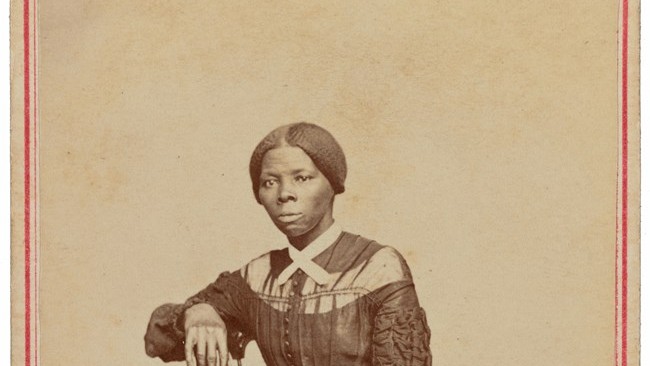
Harriet Tubman had already escaped slavery herself. She had also gone back for her people again and again.
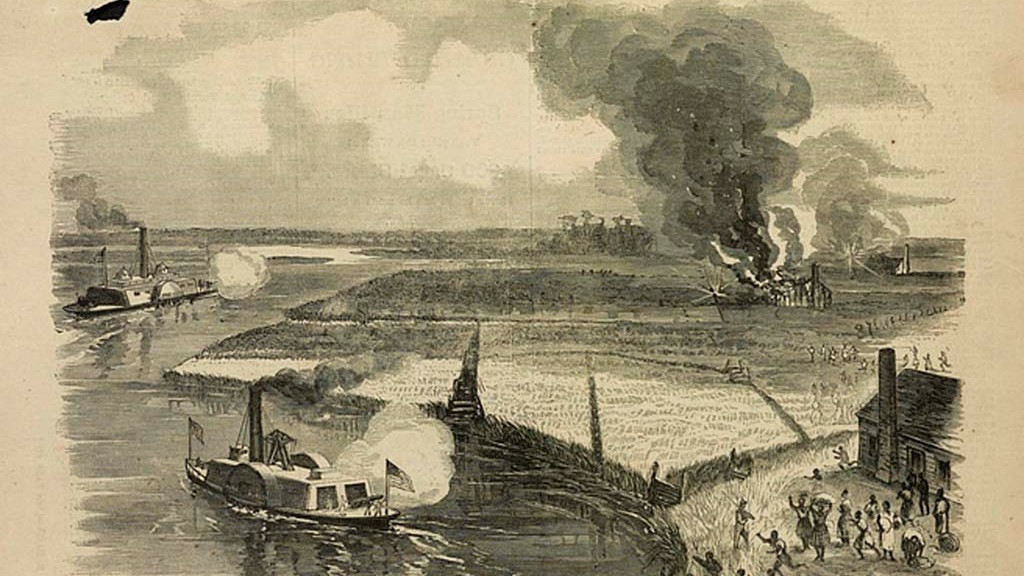
On the night of June 1, 1863, she did something even bolder. She helped lead an armed raid up the Combahee River in South Carolina.
By the next morning, more than 750 enslaved people were free. Black soldiers had struck seven rice plantations along the river.
A woman born into bondage had led a major military operation. It remains one of the boldest freedom missions in American history.
Major Takeaways
- Harriet Tubman escaped slavery in Maryland in 1849 and returned about 13 times to guide family and friends to freedom.
- Her spy network mapped Confederate mines and positions along the Combahee River before the raid began.
- On June 1 and 2, 1863, Black Union soldiers freed more than 750 enslaved people and destroyed seven plantations.
- Tubman became the first woman to lead a major military operation in the United States.
- Maryland honored her military service in 2024 with a posthumous commission as a brigadier general.
A Child of Maryland Who Refused to Bow
Harriet Tubman was born into slavery in 1822. Her parents, Ben and Rit Ross, named her Araminta.
She grew up on the Eastern Shore of Maryland. Enslaved children there worked in fields, homes and timber woods.
At about age 13, she refused to help capture a man fleeing slavery. An enslaver threw a heavy weight at the man and missed.
The weight struck Tubman in the head instead. It fractured her skull and left her with pain and seizures for life.
She carried that injury through every mission that followed. It never stopped her from going back into danger.
In 1844, she married John Tubman, a free Black man. She took the name Harriet around that time.
Five years later, her enslaver died and sale loomed. In the fall of 1849, she fled north alone to Philadelphia.
The Conductor Who Never Lost a Passenger
Freedom did not end her work in Maryland. She vowed to return for the family and friends she left behind.
Over the next decade, she made about 13 trips south. She guided about 70 people out of slavery to freedom.
She also shared directions with about 70 more people. Those travelers used her guidance to escape on their own.
She knew the wharves, fields and woods of the Shore. She read the stars and used secret networks of Black communication.
Abolitionist William Lloyd Garrison called her Moses. The name stuck because she led her people toward a promised land.
She later said she never lost a passenger. Every person who trusted her guidance reached freedom alive.
For Black families then and now, that record matters. She treated every life behind her as worth the risk.
South Carolina Called Her to a New Mission
When the Civil War began, Tubman offered her skills to the Union cause. She believed freedom would require a fight.
In early 1862, she traveled to Beaufort, South Carolina. Union forces held the Sea Islands around Port Royal Sound.
She first served as a cook and a nurse. She cared for Black soldiers and newly freed civilians in crowded camps.
Her gift for healing the sick became widely known. Soldiers and families sought her care across the district.
Soon, army leaders saw a sharper talent in her. Working with Major General David Hunter, she began scouting behind Confederate lines.
She built a network of spies, scouts and pilots. Enslaved and free Black people trusted her in ways they trusted few others.
Her recruits gathered word on Confederate troops and supplies. They also learned where enslaved people still labored along the Combahee.
Intelligence Built the Combahee River Raid
The Combahee River runs about 40 miles through rice country. Its plantations fed and funded the Confederate war effort.
The people enslaved there called themselves Combee. That was their Gullah name for the river community they built under bondage.
Confederate forces had planted mines in the river. Those hidden torpedoes could sink any gunboat that entered blind.
Enslaved boatmen and freedom seekers knew those waters best. They carried quiet word about mine locations to Tubman and the army.
One of her recruits, William Plowden, scouted the river by night. He and eight men returned with word on bridges and enemy guards.
A freedom seeker named Francis Izzard also reached Beaufort in May 1863. He shared locations of mines and Confederate positions.
Piece by piece, the plan came together. Tubman insisted that Colonel James Montgomery lead the expedition up the river.
One Night on the River Freed More Than 750
On June 1, 1863, three gunboats left Beaufort at night. About 300 Black soldiers rode aboard with Tubman and Montgomery.
The soldiers belonged to the 2nd South Carolina Infantry. The regiment was built largely from men who had escaped slavery.
Men of the 3rd Rhode Island Heavy Artillery joined them. Their boats were the John Adams, the Harriet A. Weed and the Sentinel.
The Sentinel ran aground along the route north. Its soldiers shifted to the other boats and the mission pressed on.
At dawn on June 2, the gunboats reached Fields Point. Confederate soldiers fled at the sight of Black troops arriving.
Troops secured ground at Tar Bluff and held the line. Cannon fire from the Harriet A. Weed scattered a Confederate attack.
Along the river, soldiers destroyed plantation homes and rice mills. They also wrecked a cotton gin and a sawmill.
Seven plantations fell in a matter of hours. Enslaved people in the rice fields heard the boats and ran toward freedom.
Some ran through the fields carrying their children. Others swam toward the gunboats waiting at the river bank.
Tubman helped organize the rush to safety. She spread word to nearby plantations that freedom had arrived at last.
By the return to Beaufort, more than 750 people were free. The raid had claimed not a single Union life.
Freedom Turned Quickly Into Service
Freedom did not scatter the Combee people for long. Many settled in camps around Beaufort, including Camp Saxton.
In the days after the raid, Tubman kept recruiting. More than 150 newly freed men joined the 2nd South Carolina regiment.
Men who had been property at sunrise became soldiers by choice. They took up arms for a freedom they meant to keep.
The raid also cut deep into the Confederate economy. It destroyed stored rice, cotton, food and weapons along the river.
Newspapers across the North celebrated her role. Her fame grew, yet her pay from the army stayed painfully small.
She spent later war years nursing wounded soldiers. She also worked on missions with Black regiments in the region.
When the war ended, she returned to Auburn, New York. She had bought a home there from William Seward in 1859.
A Nation Slow to Honor Its Own Soldier
After the war, Tubman fought for women and their right to vote. She spoke beside leading suffragists across the North.
She also opened the Harriet Tubman Home for the Aged. It sheltered older Black people who had nowhere else to turn.
For decades, she pressed the government for fair pay. Her three years of war service had earned her very little.
In 1899, Congress raised her pension to 20 dollars a month. The award honored her work as a nurse, not as a scout.
She died in 1913 at her Auburn home. She was buried with military honors at Fort Hill Cemetery.
The full honor took far longer to arrive. On Veterans Day in 2024, Maryland made her a brigadier general.
The Maryland National Guard granted the posthumous commission. Her descendant Tina Wyatt accepted the honor in her name.
In June 2024, Beaufort unveiled a monument to Tubman and the 2nd South Carolina soldiers. It stands near Tabernacle Baptist Church.
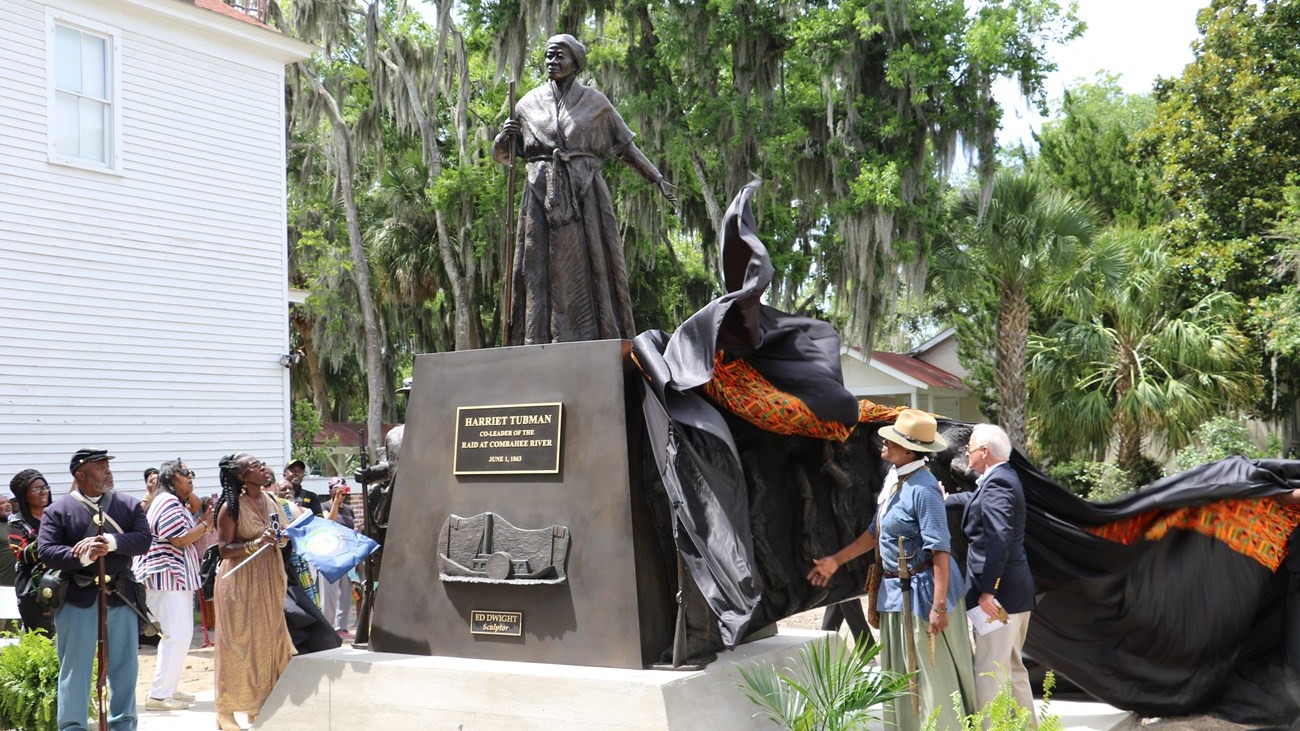
Why the Combahee Raid Still Speaks Today
A century after the raid, Black feminists chose its river for their name. The Combahee River Collective carried her mission into a new era.
The Harriet Tubman Bridge now crosses the river at the old ferry site. Travelers on Highway 17 pass over ground she helped free.
Many Combee families returned to the river after the war. Their descendants still shape Gullah Geechee culture along the Lowcountry coast.
Her story keeps company with other giants in this series. Read about Madam C. J. Walker and her empire of Black women workers.
Then meet Matthew Henson, the Black explorer written out of his own triumph. More Black history lives every day at Urban City Podcast.
Tubman teaches a hard and hopeful lesson. Freedom rarely arrives on its own, and it never stays without defenders.
She was enslaved, injured, unpaid and overlooked for years. She still mapped the river, led the boats and brought her people home.