7 min read
Major Takeaways
- Cost of living leads everything. In the survey, 72 percent of all respondents placed it among their top three voting issues.
- Lower energy costs drew 89 percent support as a candidate priority. Reducing air and water pollution drew 86 percent, and addressing climate change drew 82 percent.
- Among Black voters alone, 74 percent placed cost of living among their top three issues and only 9 percent placed climate change there.
- Data centers worry voters. Overall, 79 percent said they fear the facilities will drive up energy costs for regular households.
- Clean energy was the top answer for lowering costs at 42 percent. Expanding oil and gas drilling through fracking drew only 15 percent.
A new Black voters climate poll carries a clear message for every candidate still making a closing pitch. Black voters care deeply about climate and pollution, but they judge both through the bills arriving at their doors.
The survey reached 2,003 Black and Latino registered voters across seven battleground states. Those states are Arizona, Georgia, Michigan, Nevada, North Carolina, Ohio and Pennsylvania.
Interviewers spoke with voters from September 24 to October 10. Seven in ten respondents said they are likely to vote in the November midterms.
The firm behind the survey reported a margin of error of 2.53 percentage points for the full sample. The results deserve attention because these states could decide control of Congress.
What the Black Voters Climate Poll Really Says
At first glance, climate change looks like a minor concern in the rankings. Only 10 percent of all respondents placed it among their top three voting issues, and only 7 percent placed air and water pollution there.
Healthcare access came second at 42 percent. Discrimination came third at 30 percent, a reminder that fair treatment remains a daily political concern.
The picture changed completely when voters rated what candidates should prioritize. Large majorities demanded action on energy costs, pollution and climate all at once.
That gap is the whole story. Voters have not tuned out the climate fight, and one leader behind the survey said so plainly.
“Black and Latino voters have not tuned out climate. They see it in their power bills and in the air they breathe,” Andrea Cristina Mercado said.
Mercado leads the Climate Equity Action Fund, one of the groups that commissioned the survey. Her point matches what Black families have said for generations about the air near their homes.
Bills Come First at the Kitchen Table
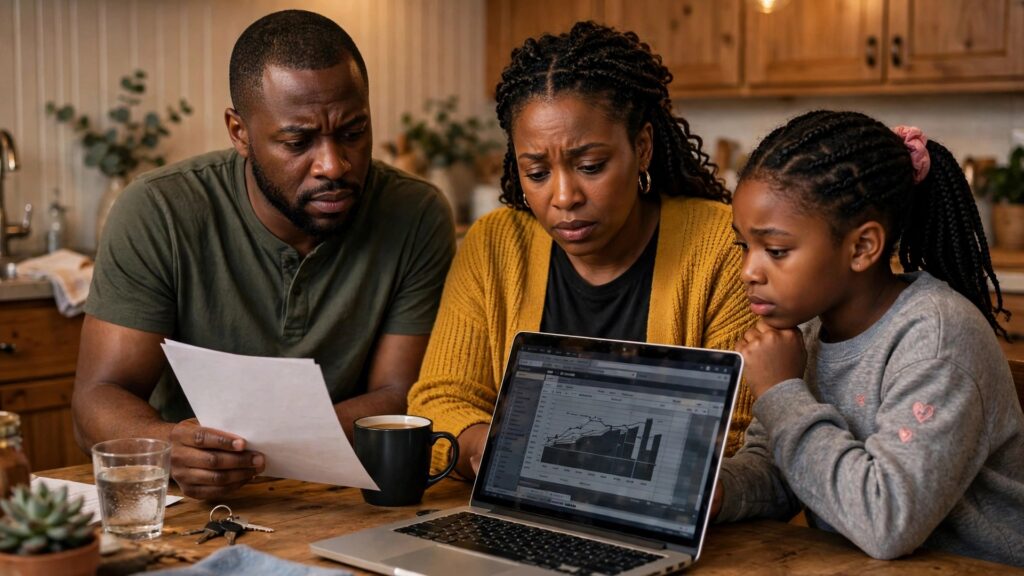
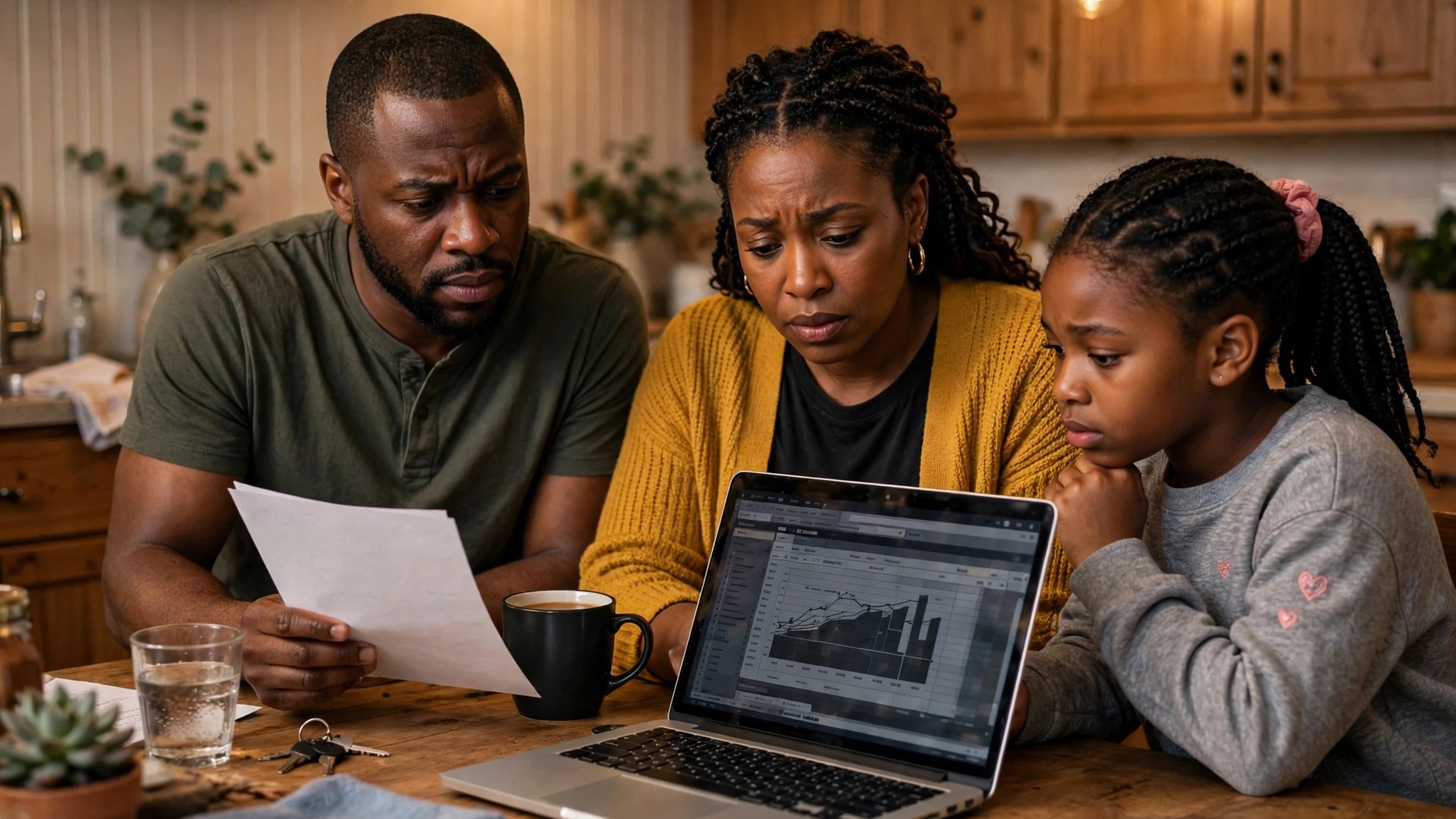
For many Black voters, the climate debate begins with a simple problem. Food, rent and light bills must be paid before any family can think about long range policy.
Elijah Lee is 18 and preparing to vote in his first midterm election. He grew up in Roanoke Rapids, North Carolina, and went to school beside a paper mill that filled the air with pollution.
Lee now lives in Virginia, where data centers are expanding fast. He worries that the growth promised around those facilities will not reach young people like him.
His view captures the tension in the numbers. He ranks climate policy among his top concerns, yet he understands why a parent facing high prices might rank it lower.
That pressure is not abstract for Black households this fall. Our recent coverage of cost of living stress reshaping Black life showed the same squeeze from another national survey.
Analyst Erica Tebbs said the problem is not convincing Black voters that environmental threats exist. The doubt, she said, is whether elected officials will respond and whether a vote will bring real change at home.
Clean Air and Safe Water Are Not Side Issues
Concern about pollution ran wide and deep in the survey. Among respondents asked about safe drinking water, 85 percent expressed concern.
About 84 percent said the same about having safe air to breathe. Another 85 percent expressed concern about having food that is safe to eat.
Roughly two thirds of those asked were very concerned about each of those dangers. These are not distant fears for communities that have lived beside plants, highways and aging water systems.
Black communities have carried a heavy share of that burden for decades. Flood risk, asthma and heat all land harder in neighborhoods that received less investment and less protection.
The survey also found strength across party lines among Black voters. Even among Black Republicans, 79 percent said it was important for candidates to prioritize addressing climate change.
Data Centers Put a New Price on Progress
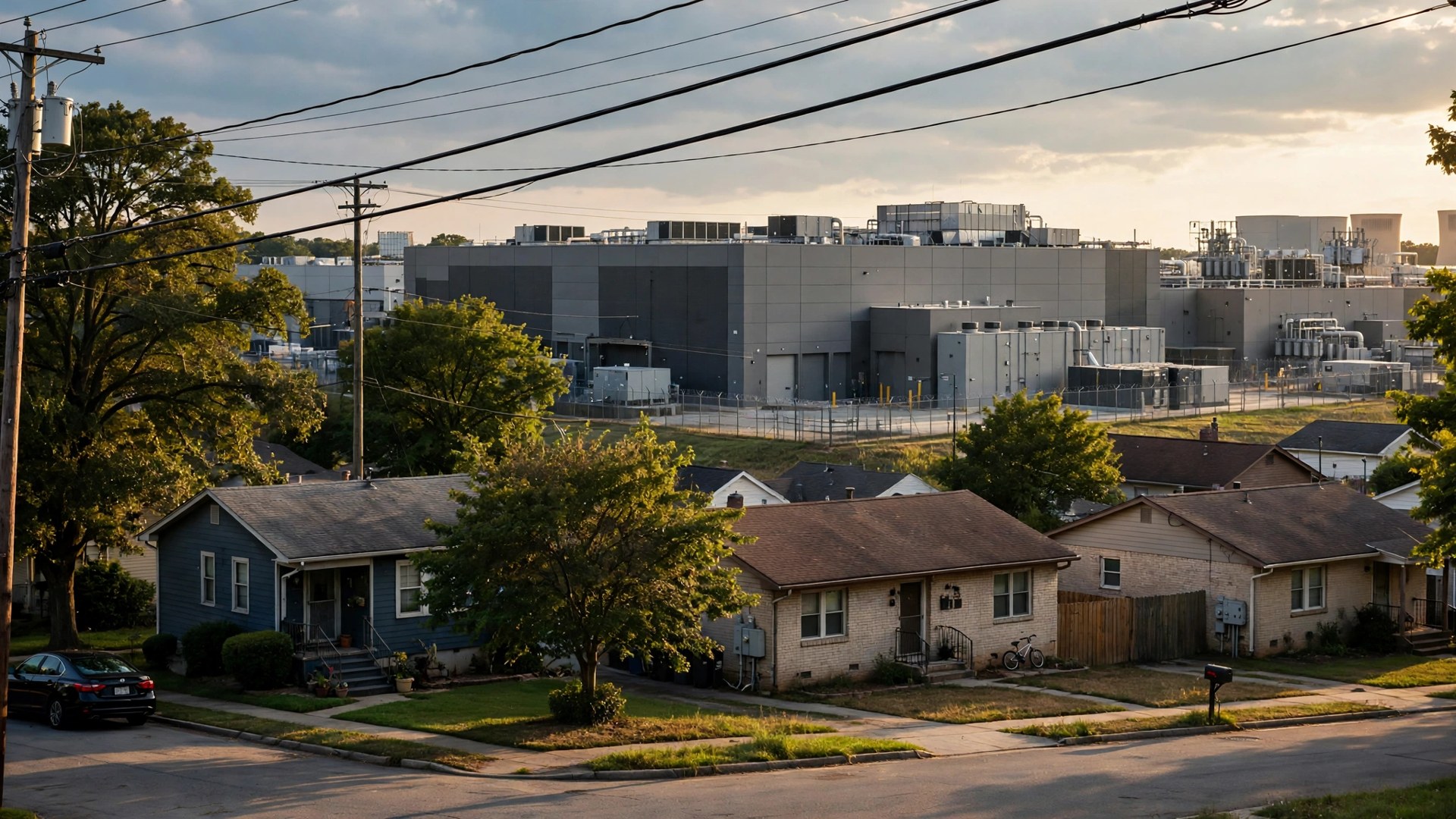
Data centers have become the newest front in this fight. Among respondents asked about the facilities, 79 percent were concerned they would drive up energy costs, including 54 percent who were very concerned.
Separately, 18 percent placed artificial intelligence and data centers among their top three voting issues. That is a striking number for an issue that barely registered in past midterm campaigns.
Black voters also doubted promises of protection. Respondents heard about a proposal requiring data center companies to pay for the electricity they use instead of passing costs to consumers.
Even with that protection described, 52 percent of Black voters still expected data centers to raise electricity costs for regular Americans. The skepticism reflects experience with projects that arrive with tax breaks and leave residents holding the bill.
Field organizers say these facilities now bring residents into energy debates in a new way. Families ask what a plant will mean for their bills, their air and the value of their homes.
Who Voters Blame and What Could Lower Bills
Voters placed blame for high energy costs most often on President Donald Trump. He was named by 48 percent as one of the two parties most responsible, more than any other choice.
Republican elected officials followed at 20 percent. The federal government drew 19 percent and utility companies drew 15 percent.
Asked which policies would do the most to cut energy costs, 42 percent chose producing more clean energy such as solar and wind. Only 15 percent chose expanding domestic oil and gas production through fracking, and respondents could pick up to two answers.
Most voters also see the stakes of this election clearly. Overall, 64 percent said the midterm outcome would have a big or moderate impact on federal climate policy.
Another 68 percent said federal climate policy has a big or moderate impact on their own lives and communities. For Black voters, national policy is personal policy.
The Closing Pitch Black Voters Are Asking For
The survey tested messages meant to motivate voting, and the strongest one was direct. It stressed clean drinking water, safe food and safe air while criticizing politicians for allowing corporations to pollute.
That message earned high motivation scores from 58 percent of respondents. By the end of the survey, the share placing climate change among their top three issues had more than doubled.
The share placing air and water pollution among their top priorities more than doubled as well. The lesson is that voters respond when climate talk sounds like kitchen table talk.
Hope and doubt sit side by side in these answers. Among Black voters, 45 percent said people working together through voting, petitions and boycotts could hold government and corporations accountable.
Yet nearly half of all respondents feared that powerful interests and wealthy corporations would always block real progress. Candidates who want Black support in the final days must answer that doubt with plans, not slogans.
Control of the House could turn on battlegrounds in this very survey, which is why our coverage of the path toward a first Black House Speaker matters so much this week.
Election Day is November 3, and early voting is already moving in several of these states. Black voters are saying the planet and the paycheck are the same fight, and they want leaders who finally treat them that way.
Follow the rest of our midterm coverage at Urban City Podcast as the final stretch unfolds.