5 min read
Major Takeaways
Benjamin Banneker was born free in Maryland in 1731 and taught himself mathematics and astronomy with borrowed books.
He built a wooden clock that kept time for decades, predicted a solar eclipse in 1789 and helped survey the District of Columbia in 1791.
His almanacs ran from 1792 to 1797, and his 1791 letter to Thomas Jefferson used the Declaration of Independence to challenge slavery.
Benjamin Banneker was born free on November 9, 1731, outside Baltimore in Maryland. He grew up on his family farm in a colony where most Black people lived in bondage.
He had little formal schooling. He attended a small Quaker schoolhouse at times, but most of his learning came from books he borrowed and studied on his own.
That hunger for knowledge would make him one of the first great Black intellectuals in American history. It would also put his brilliance in direct conflict with slavery.
The Wooden Clock That Made His Name
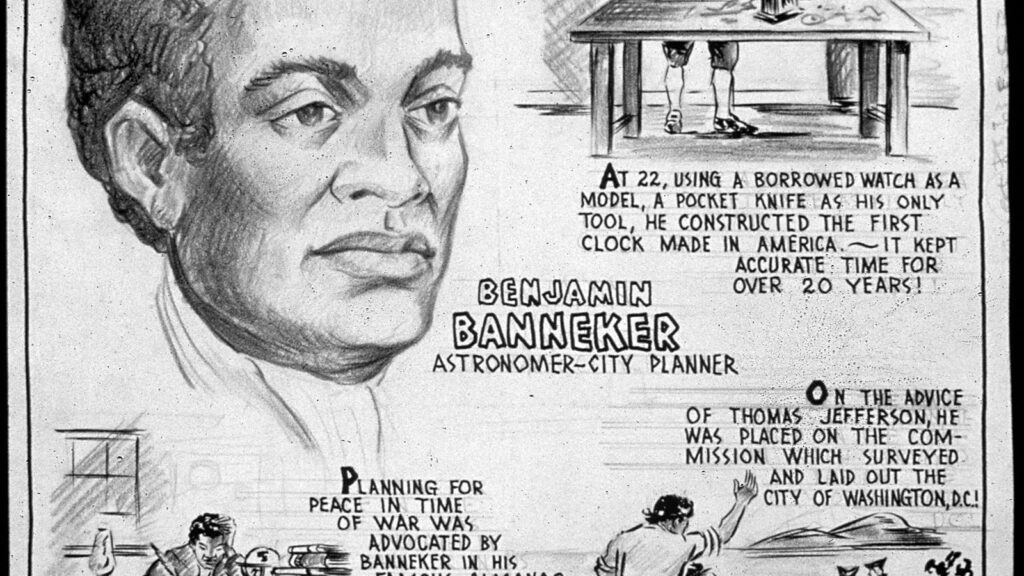
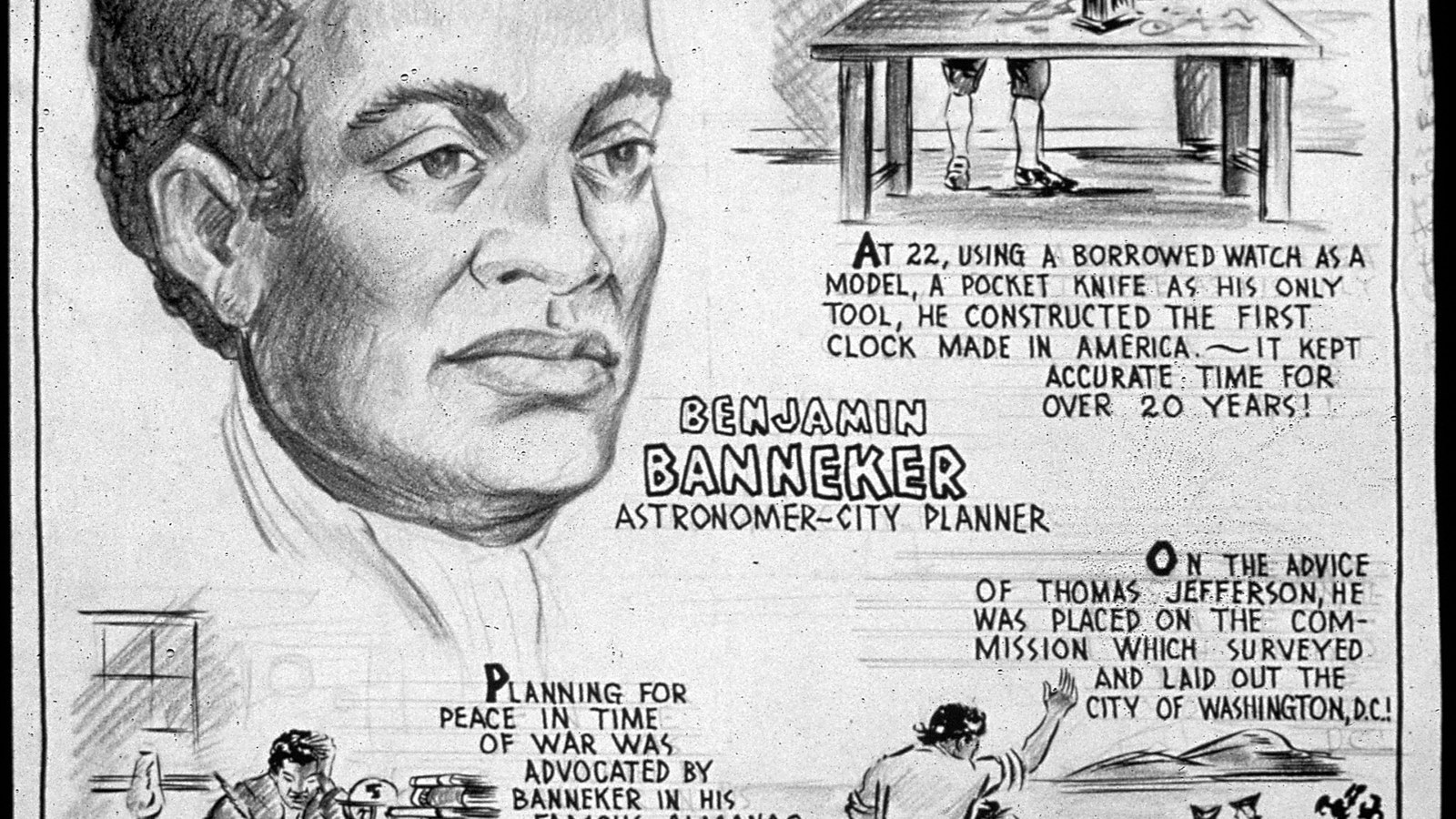
As a young man, Banneker borrowed a pocket watch and studied how it worked. He then carved a clock entirely out of wood with his own hands.
The clock was the first of its kind built in America. It ran continuously and kept accurate time for decades, long after most experts would have expected it to fail.
Word of the clock spread across Maryland. Neighbors who had doubted what a Black farmer could do now came to see the machine he had built from curiosity and patience.
Benjamin Banneker Read the Sky
Later in life, Banneker turned to astronomy. With borrowed books and instruments, he taught himself to track the sun, the moon and the planets with remarkable precision.
In 1789 his calculations allowed him to forecast a solar eclipse. His prediction proved more accurate than the work of better known mathematicians and astronomers of his day.
That eclipse changed how people saw him. A man with almost no formal education had read the sky more clearly than trained scholars, and he had done it while farming.
Helping to Survey the New Capital
In 1791 Banneker joined the team led by Andrew Ellicott that surveyed the original boundaries of the District of Columbia. His job was to make the astronomical observations the survey required.
The work helped lay out the ground for the new federal capital. A free Black man was using science to help draw the map of the nation that held his people in chains.
His role on the survey remains one of the most striking facts of the founding era. The capital of the United States carries his labor in its very boundaries.
The Almanacs That Spoke to Farmers and Presidents
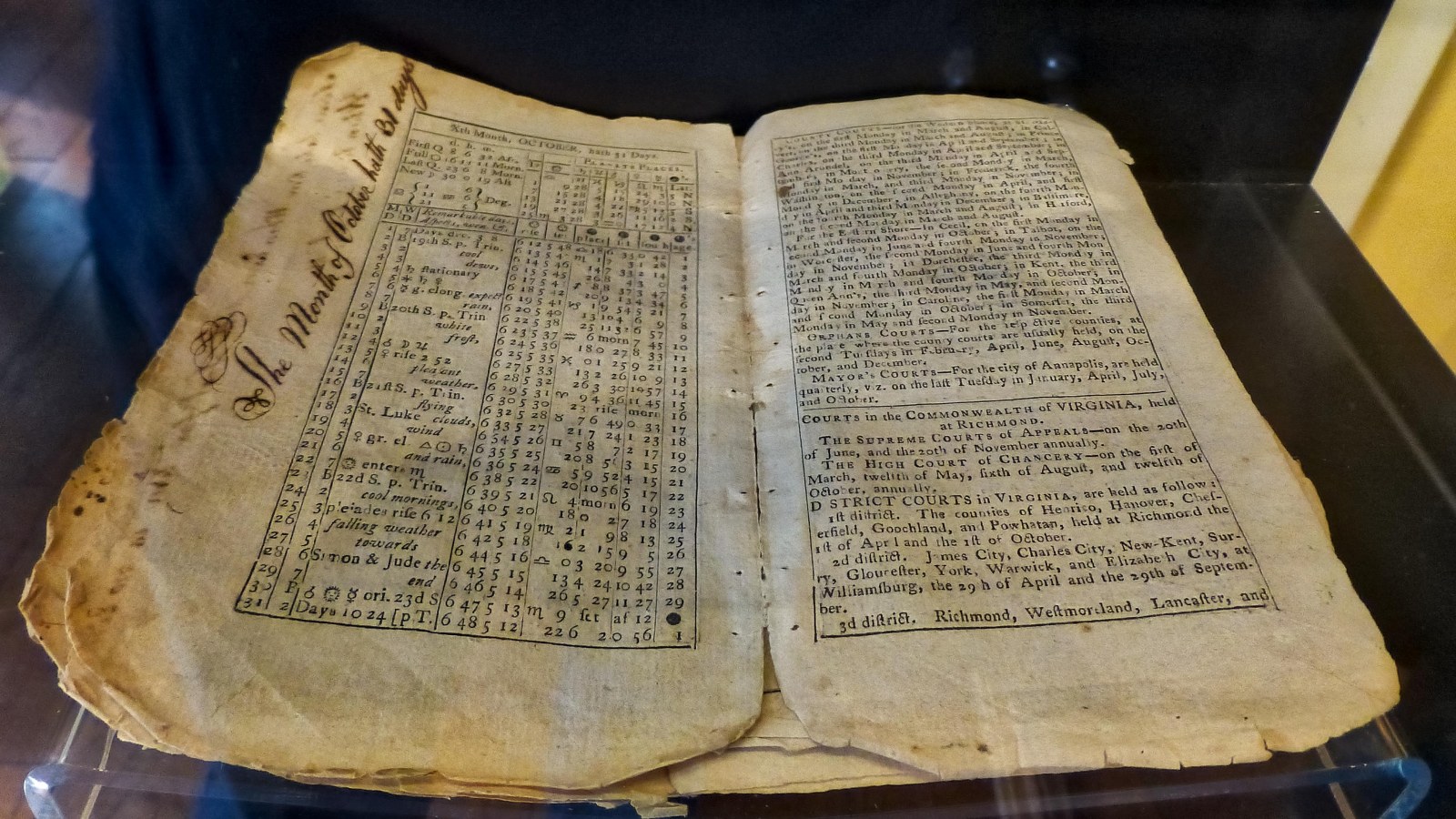
Banneker began publishing almanacs in 1792 and continued through 1797. They carried tide tables, weather guidance, eclipse predictions and essays for readers across the region.
Farmers relied on his calculations to plan their work. At the same time, the almanacs carried a quieter message, because every page proved Black intellect in print.
Abolitionists embraced the almanacs for that reason. Each edition was evidence that the racist claims of Black inferiority could not survive contact with his work.
The Letter That Confronted Thomas Jefferson
On August 19, 1791, Banneker sent Thomas Jefferson a handwritten copy of his almanac work. Jefferson was secretary of state and the author of the Declaration of Independence.
In his letter, Banneker quoted the promise that all men are created equal. He then charged Jefferson with detaining his brethren in captivity through fraud and violence.
It was a bold act. An enslaver was being judged by his own words, in writing, by a Black man whose almanac sat enclosed as proof of the argument.
Jefferson replied on August 30, 1791. He praised the almanac and said he was sending it to the Academy of Sciences in Paris as evidence of Black talent.
The exchange was printed in the 1793 almanac and reprinted for decades. It became one of the most famous early arguments for racial equality in American letters.
A Mind That Never Stopped Working
In his final years, Banneker kept studying. He published a treatise on bees and worked out a mathematical study of the cycle of the seventeen year locust.
He also wrote in support of the movement against slavery. Science and freedom were never separate pursuits for him, because each one testified against the lies of his age.
Banneker died in October 1806. On the day of his burial, his farmhouse burned to the ground, and the fire destroyed his famous wooden clock and many of his papers.
Why Benjamin Banneker Matters Right Now
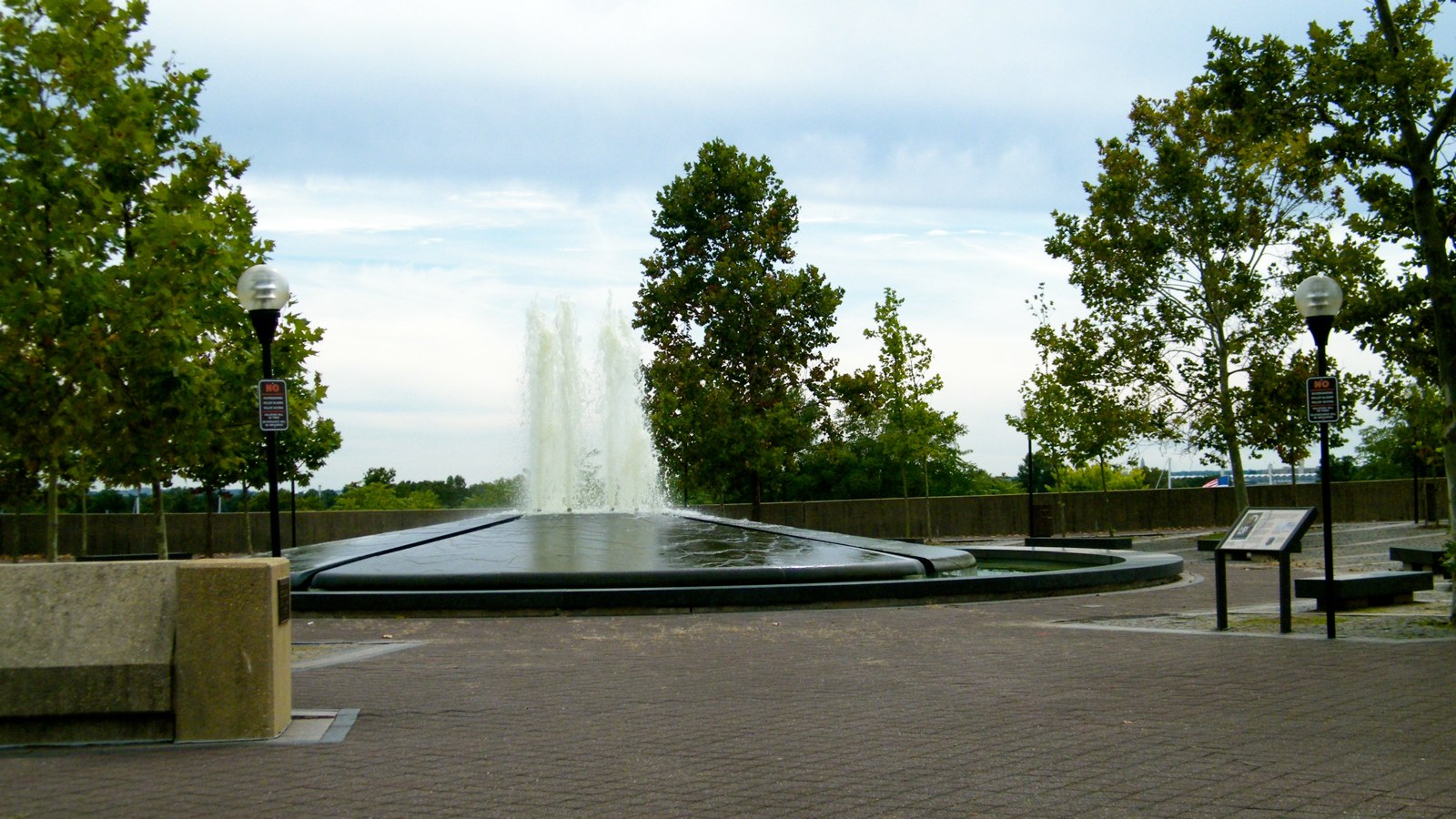
Today his name lives on schools, parks and a memorial landscape in the capital he helped survey. Students who walk into classrooms bearing his name inherit his standard.
His story speaks directly to Black families investing in science, math and engineering today. He shows what Black brilliance builds even when doors stay closed and resources stay scarce.
He also left a model for using excellence as argument. Banneker did not only demand equality in words, he published the calculations that made denial look foolish.
Nearly three centuries after his birth, the lesson holds. Learn the craft, master the evidence, and speak the truth to power in a voice it cannot dismiss.
Read more in our Black history series, including Mary McLeod Bethune Built a College and a Movement and Pullman Porters and the Black middle class. Explore more stories at Urban City Podcast.
Photo credits: National Archives portrait of Benjamin Banneker, public domain. Benjamin Banneker Historical Park and Museum photo via Wikimedia Commons, CC BY 2.0. Benjamin Banneker Park photo by Sarah Stierch, CC BY 4.0.