7 min read
Major Takeaways
- National Democrats filed a voter rolls lawsuit on October 20 in federal court in Washington against President Donald Trump and his administration.
- The complaint says threats to jail election officials who count lawful ballots violate Section 11(b) of the Voting Rights Act.
- Nevada officials say all 185 voters the administration confirmed as suspected noncitizens are in fact citizens, and California was pressed to set aside ballots from more than 20000 voters.
- Election Day is November 3, and no judge or hearing date had been reported as of Wednesday morning.
A voter rolls lawsuit now sits at the center of the final stretch of the 2026 midterms.
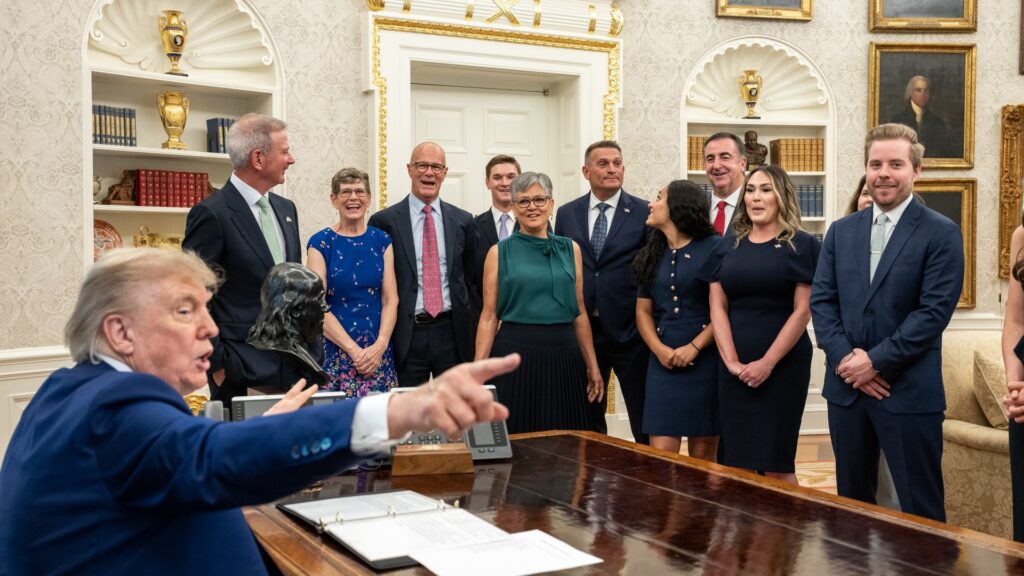
National Democrats sued President Donald Trump on Tuesday, October 20.
The case asks a federal court to block threats against the people who run our elections.
It also asks the court to stop pressure on states to remove registered voters from the rolls.
For Black voters, this fight is about far more than paperwork.
It is about whether lawful ballots get counted without fear hanging over the count.
It is about whether lists built on shaky data can push citizens aside in the final days.
Thirteen days remain before Election Day on November 3.
Every name wrongly flagged in those thirteen days is a vote at risk.
1. Voter Rolls Lawsuit Names The President And His Agencies
The case was filed in the United States District Court for the District of Columbia.
It is listed as DSCC v. Trump, case number 1:26 cv 03674.
The plaintiffs are the Democratic Senatorial Campaign Committee and the Democratic Congressional Campaign Committee.
The Democratic Governors Association and the Nevada State Democratic Party also joined the case.
Senate leader Chuck Schumer of New York is a plaintiff.
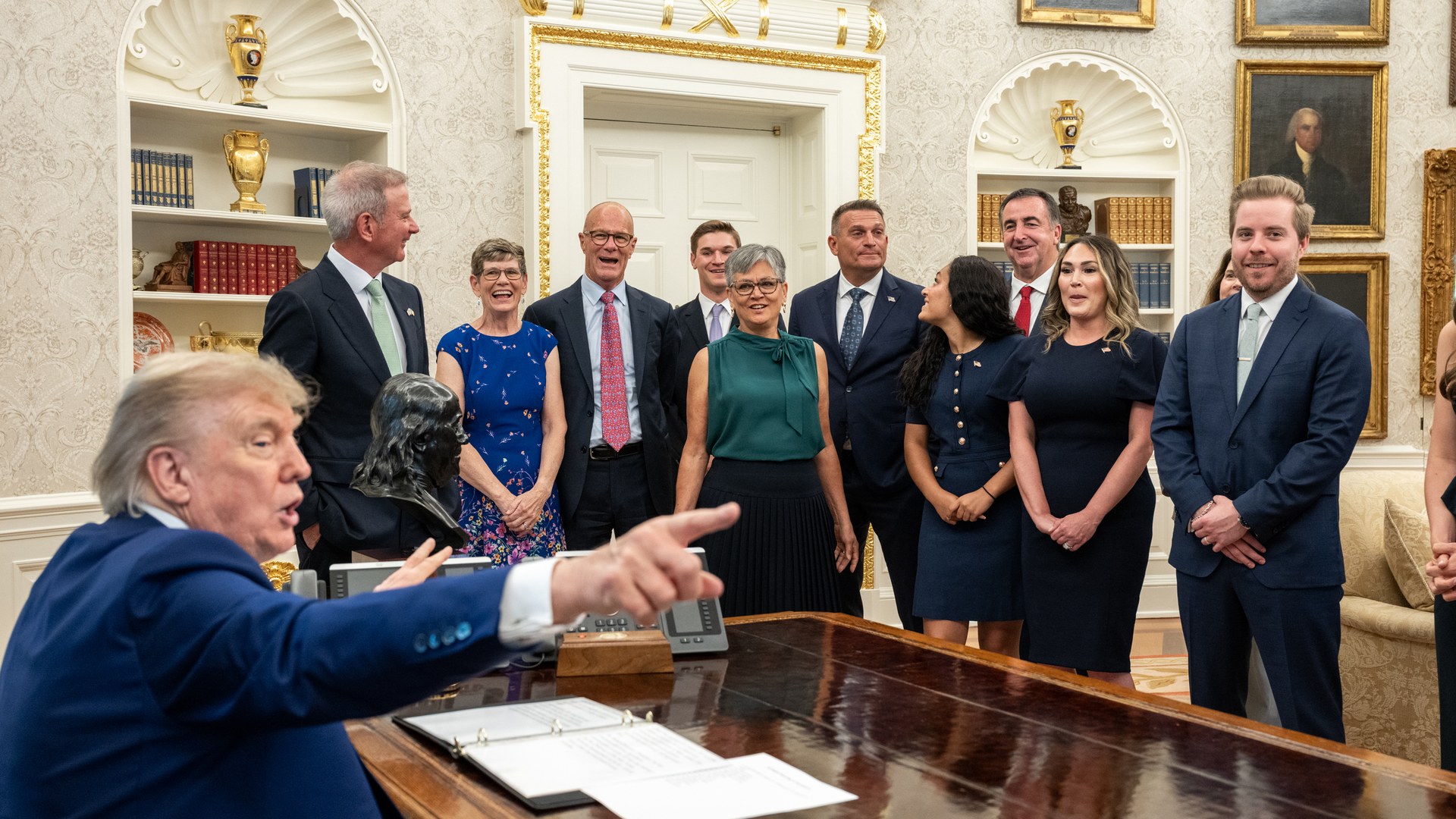
House leader Hakeem Jeffries of New York is a plaintiff as well.
A California voter named Erick Jose Jimenez joined the suit too.
Jimenez became a naturalized citizen in 2006.
He says he fears being wrongly flagged as a noncitizen.
The defendants include Attorney General Todd Blanche.
Homeland Security Secretary Markwayne Mullin is also named.
The Justice Department and the Department of Homeland Security are named as agencies.
The complaint calls the effort an attempt to unlawfully federalize elections.
States have traditionally held the job of running elections in this country.
The complaint notes that Trump has called on Republicans to nationalize the voting.
2. California Ballots Became The Flashpoint
The flashpoint came in California just one week before the filing.
The Justice Department sued California and Los Angeles County in that earlier fight.
Election officials there had refused to set aside ballots from 20000 voters.
The administration claimed those voters were noncitizens without verifying the claim.
On October 13 the department sent letters to Secretary of State Shirley Weber.
A letter also went to Los Angeles County Registrar Dean Logan.
The letters demanded that ballots be refused or segregated and not counted.
Officials were told to review a thumb drive of names within 48 hours.
Los Angeles County checked a sample of the list it received.
More than a quarter of the sampled entries raised a basic problem.
Those voters had listed a place of birth inside the United States.
On October 16 Trump shared the department letter on social media.
His own comment warned that officials would go to jail for a long period of time.
The complaint treats that warning as part of a pattern of intimidation.
It says the pattern is meant to frighten officials into complying with unlawful demands.
3. Nevada Numbers Collapsed Under Scrutiny
Nevada tells an even sharper story about the quality of the data.
Federal officials first claimed 15903 potential noncitizens sat on the Nevada rolls.
That claim later narrowed to 185 voters described as confirmed noncitizens.
Nevada officials then checked their own records on all 185 names.
The state says every one of those 185 voters is a citizen.
The complaint says the federal side offered nothing of substance to suggest otherwise.
Secretary of State Cisco Aguilar accused the department of trying to intimidate officials into compliance.
Texas offers a third warning about lists built from federal databases.
Texas used a federal database to identify 2724 potential noncitizen voters last year.
More than twenty percent of those people were later confirmed to be citizens.
The database at issue was built to verify eligibility for government benefits.
It was not built to decide who belongs on a voter roll.
When the data is wrong this often, the burden lands on lawful voters.
They must prove what their registration already says is true.
4. Why Black Voters Hear This Threat Differently
Black voters have heard versions of this story for generations.
The Voting Rights Act became law in 1965 after a long and costly struggle.
Section 11(b) of that law bans intimidation, threats, and coercion around voting.
It covers people who vote and people who urge or aid others to vote.
The complaint argues that election officials are aiding voters when they do their jobs.
Mailing ballots, staffing polling places, and counting votes all aid the act of voting.
Threatening those officials with prison therefore threatens the voters they serve.
That logic reaches deep into Black communities across this country.
Our poll workers are often our neighbors, elders, and church members.
Our voters include naturalized citizens and families with deep roots alike.
A purge list with a high error rate does not fall evenly on everyone.
It falls hardest where names, records, and paperwork have long been contested.
Fear does not need to stop every voter to change an outcome.
It only needs to slow lines, chill workers, and seed doubt about the count.
That is why this case matters in Detroit, Atlanta, Jackson, and Houston at once.
5. What The Lawsuit Asks The Court To Do
The suit makes four claims in total.
Three of them rest on the Constitution itself.
The first says the president is acting beyond his power under the Elections Clause.
That clause gives states and Congress the job of running elections.
The second claim rests on the Tenth Amendment split between federal and state power.
The third says the administration is commandeering state officials to carry out federal policy.
The Constitution forbids that kind of commandeering.
The fourth claim rests on Section 11(b) of the Voting Rights Act.
The plaintiffs ask the court to declare the threats unlawful.
They ask the court to bar more threats against election officials.
They also ask the court to bar forced purges and withheld ballots.
The complaint does not include a separate request for an emergency order.
No judge or hearing date had been reported as of Wednesday morning.
Neither the White House nor the Justice Department immediately answered requests for comment.
The allegations are claims in a complaint, and the administration has not yet answered in court.
A separate case filed on September 24 seeks to block armed federal agents at polling places.
6. What Voters Should Do In The Final Days
Election Day is Tuesday, November 3.
Early voting is already underway in states across the country.
The complaint also cites an October 19 video from a federal prosecutor in Texas.
It says the video threatened to hunt down and prosecute voters and local officials.
That date was the first day of early voting in Texas.
The practical lesson for voters is simple and urgent.
Check your registration now, before any list can surprise you at the polls.
Vote early where your state allows it, and keep your proof of registration close.
If your name is questioned at the polls, you have the right to cast a provisional ballot.
Ask for that ballot, cast it, and follow the steps to confirm it counts.
Black voters have never waited for perfect conditions to exercise this right.
We vote with the courts watching, with the lists challenged, and with history in mind.
This lawsuit will test whether the Voting Rights Act still guards the count itself.
The next ruling in Washington will matter, but turnout will matter just as much.
Read more in our Florida governor race coverage and our Georgia governor race coverage, and visit Urban City Podcast for more stories.