7 min read
Mary McLeod Bethune started with almost nothing and built institutions that still stand today.
A school. A college. A national council for Black women. A seat of power inside the federal government.
Her life answers a question our community still asks. How do you build lasting power when the doors start out closed?
Bethune never waited for permission. She built the door, then held it open for generations behind her.
Major Takeaways
- Mary McLeod Bethune opened a school for Black girls in Daytona Beach in 1904 with five students and one dollar and fifty cents to her name.
- That school grew into Bethune Cookman University, and Bethune became the first Black woman to serve as a college president in the South.
- In 1935 she founded the National Council of Negro Women, uniting Black womens organizations into one national political voice.
- President Franklin Roosevelt named her Director of the Division of Negro Affairs in 1936, making her the first Black woman to head a federal agency.
- In 2022 her statue entered National Statuary Hall at the United States Capitol, the first statue of a Black American chosen by a state.
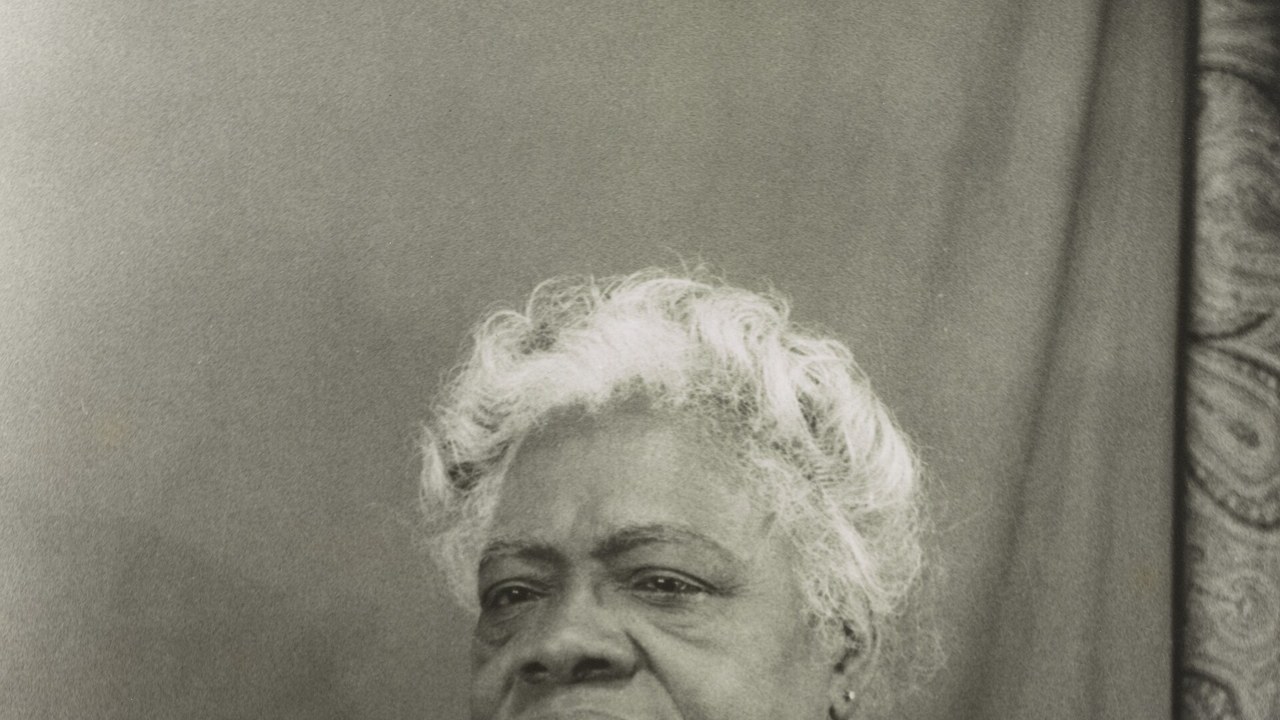
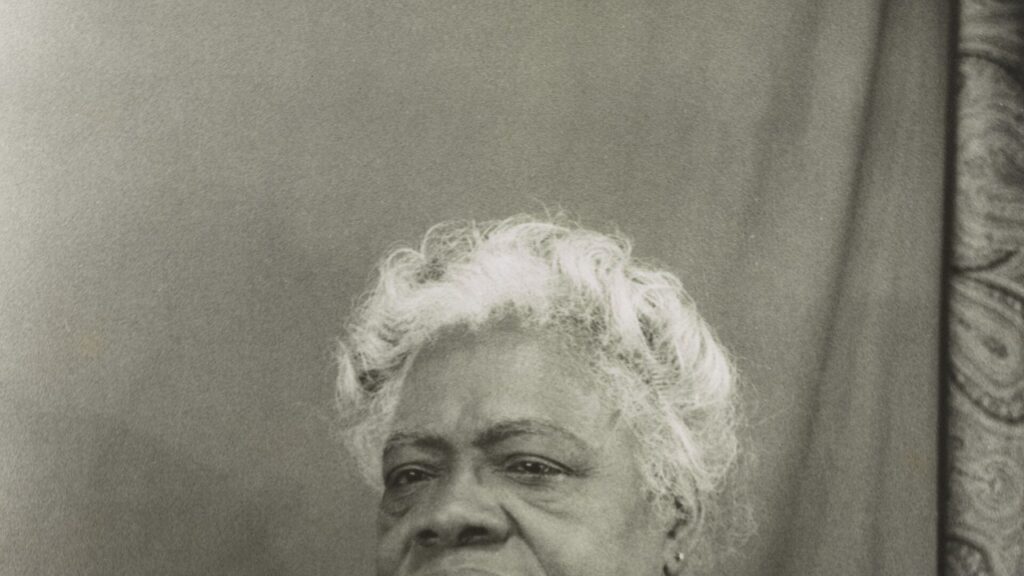
Photo by Carl Van Vechten, Library of Congress, public domain.
A Child of Freedom Who Chose School
Mary Jane McLeod was born on July 10, 1875 in Mayesville, South Carolina.
She was the fifteenth of seventeen children. Her parents had been enslaved before emancipation set them free.
The family worked the land as sharecroppers. Young Mary picked cotton alongside her brothers and sisters.
When a mission school opened nearby, she seized a rare chance. Education was uncommon for Black children in the rural South then.
That classroom changed her direction. She came to believe learning was the surest path to freedom and dignity.
Her studies took her to Scotia Seminary in North Carolina. She later studied at a bible institute in Chicago.
Her training prepared her for missionary work abroad. She never sailed overseas, and her mission field became home.
She taught in Georgia and South Carolina. In Sumter in 1898 she married fellow teacher Albertus Bethune.
Within a year their son Albert was born. Teaching, faith, and family now shaped one clear calling.
Mary McLeod Bethune Built a School From Almost Nothing
Bethune heard about a growing Black community in Daytona Beach, Florida. Railroad and hotel workers there had daughters who needed schooling.
On October 3, 1904 she opened the Daytona Literary and Industrial Training School for Negro Girls.
She started with five girls, plus her own son. She had one dollar and fifty cents, faith in God, and belief in her people.
Families paid what tuition they could. Bethune raised the rest through baking, speaking, and relentless community fundraising.
The school kept growing. Lessons covered reading and writing alongside trades, homemaking skills, and strict lessons in self respect.
In 1923 her school merged with the Cookman Institute for men in Jacksonville. A larger college was born from that union.
In 1931 the school gained accreditation and took the name Bethune Cookman College. Bethune served as its president.
It was one of very few schools below the Mason Dixon line where Black students could earn more than a high school diploma.
Today that seed is Bethune Cookman University in Daytona Beach. It enrolls thousands of students on the ground she secured.
Readers can see that same build from nothing spirit honored in our look at Ida B. Wells and her fearless journalism.
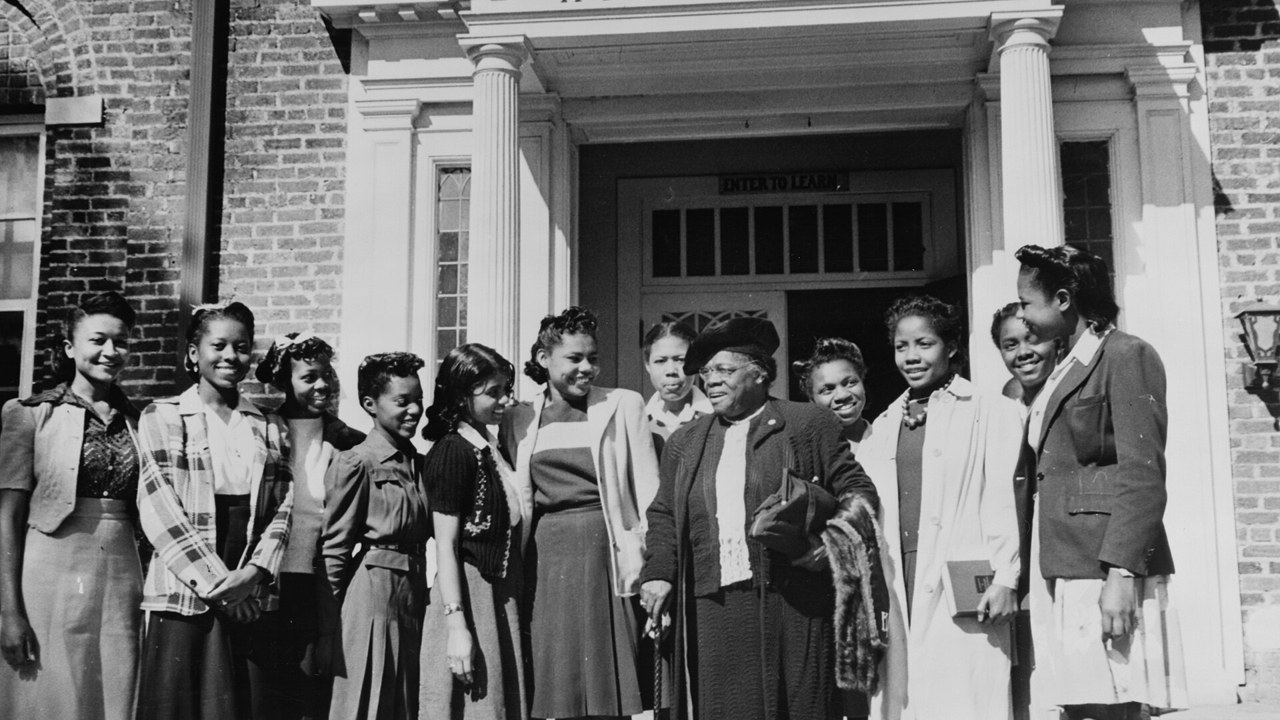
Photo by Gordon Parks, Library of Congress, public domain.
Organizing Black Women Into National Power
Bethune understood early that one school was not enough. Black women needed organized power at the national level.
She rose through the Black womens club movement. That movement tackled segregated schools, child health, and the right to vote.
In 1924 the National Association of Colored Women elected her its eighth national president. The association counted about ten thousand members.
She strengthened its fundraising and its communication. More importantly, she sharpened its purpose toward social change.
On December 5, 1935 she founded the National Council of Negro Women in New York. She was elected its first president unanimously.
The council united national Black womens organizations under one roof. Under her leadership its reach grew to about 850000 members.
She led the council until 1949. Its headquarters in Washington became a command center for Black womens advocacy.
That organizing model still echoes today. The council says more than four million members and supporters continue the work she began.
Her belief was simple. United women could demand what divided voices could not win alone.
Inside the Roosevelt White House
National prominence brought presidential attention. Bethune advised Presidents Calvin Coolidge and Herbert Hoover through appointments to federal commissions.
Her greatest influence came under President Franklin D. Roosevelt. She also built a close friendship with First Lady Eleanor Roosevelt.
In 1935 Roosevelt asked her to serve as a special advisor to the National Youth Administration.
One year later he created a division for her to lead. At age sixty one she became Director of the Division of Negro Affairs.
The appointment made history. Bethune became the first Black woman to head a federal agency.
She held the post until 1943. She used it to steer jobs, training, and education funds toward Black youth.
She also gathered Black federal officials into the Federal Council on Negro Affairs. The press called that circle the Black Cabinet.
From that table she pressed the New Deal to serve Black families fairly. Access, funding, and appointments all moved through her hands.
In 1944 she helped found the United Negro College Fund. That fund still raises scholarship support for students at Black colleges.
Her Washington rise connects directly to the path later honored in our feature on Shirley Chisholm and her barrier breaking career.
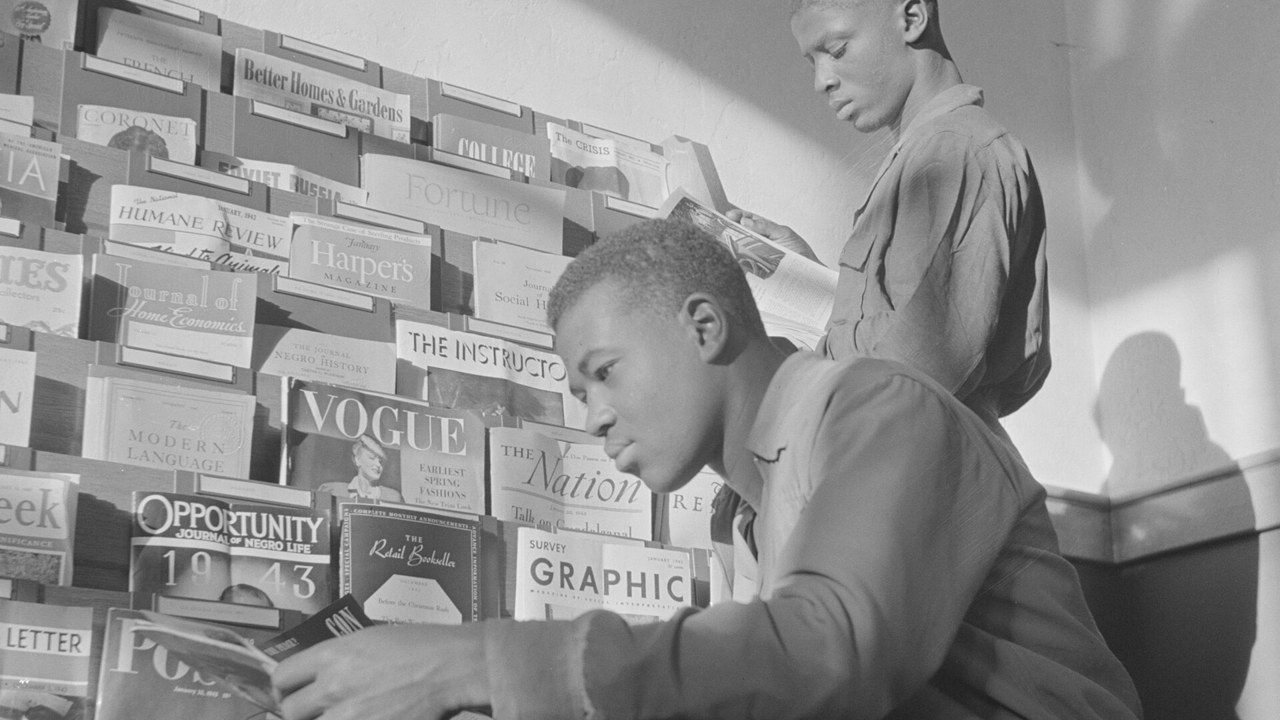
Photo by Gordon Parks, Library of Congress, public domain.
A Voice for Black Women on the World Stage
During World War Two she advised President Harry S. Truman. She fought for Black women to serve in the womens Army corps and in naval service.
She served as a consultant to the United Nations. She was also honored by the governments of Haiti and Liberia.
She served as a vice president of the NAACP. Her weekly columns ran in leading Black newspapers across the country.
She also invested in Black business. She helped found a life insurance company in Florida and bought beach property for Black families.
In her last will she named the legacy she wanted to leave her people. Love. Hope. A thirst for education.
She retired as college president in 1947 and as council president in 1949. Daytona Beach remained her home and her base.
Bethune died on May 18, 1955 at her home on campus. She is buried on the grounds of the school she founded.
Editorial tributes poured in from around the world. The girl once denied schooling had become a global figure.
Why Her Blueprint Still Matters Today
Honors followed for decades. She entered the National Womens Hall of Fame in 1973.
In 1974 a memorial to her rose in Lincoln Park in Washington. It was the first memorial in a public park in the capital to honor a Black American and a woman.
In 1985 the Postal Service placed her on a stamp. She became the second Black woman so honored, after Harriet Tubman.
Then came a first no one can take away. On July 13, 2022 her statue was unveiled in National Statuary Hall at the Capitol.
Florida chose her as one of its two statues. She became the first Black American represented in that collection by a state.
Her statue replaced one of a Confederate general. Sculptor Nilda Comas carved her in marble, holding a black rose and a walking stick.
Words carved with the statue carry her charge to us all. Invest in the human soul. Who knows, it might be a diamond in the rough.
For Black families today her blueprint stays practical. Fund the school. Organize the women. Claim the seat at the table.
Explore more stories in this series and across the site at Urban City Podcast.
Mary McLeod Bethune proved a dollar and a half can become a university. What we build together can outlive every barrier in front of it.