6 min read
Major Takeaways
- The NAACP filed suit on October 16 in federal court in Washington to block the Justice Department plan for more than 1000 poll monitors.
- The suit says the plan would intimidate voters and is already chilling Black turnout as early voting runs across the country.
- The Justice Department answered Monday that its routine monitoring is meant to ensure compliance with federal law, not to scare voters.
- Plaintiffs want an injunction, a full list of targeted places, and a court report on how monitors will deploy and train.
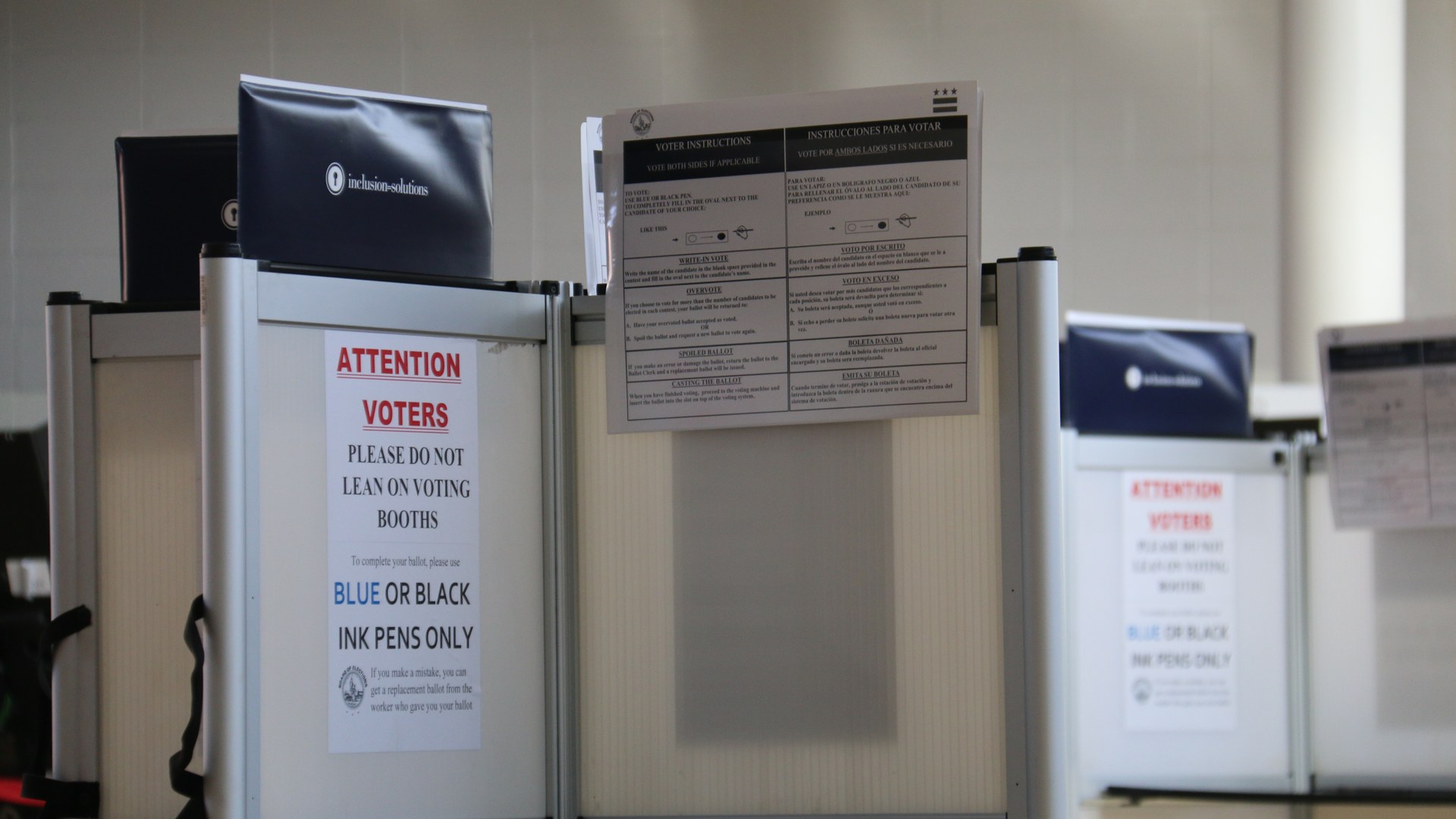
The NAACP poll monitors fight is now in federal court, and the clock is loud.
Early voting is already underway in state after state.
Election Day falls on November 3, and control of Congress is on the line.
Into that moment, the Justice Department plans to send more than 1000 monitors to polling places nationwide.
The NAACP says that plan is not protection. The group says it is intimidation.
Three voters from Arizona, Texas and Florida joined the NAACP as plaintiffs in the case.
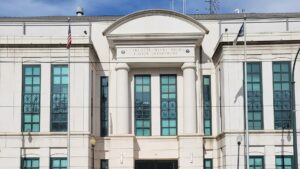
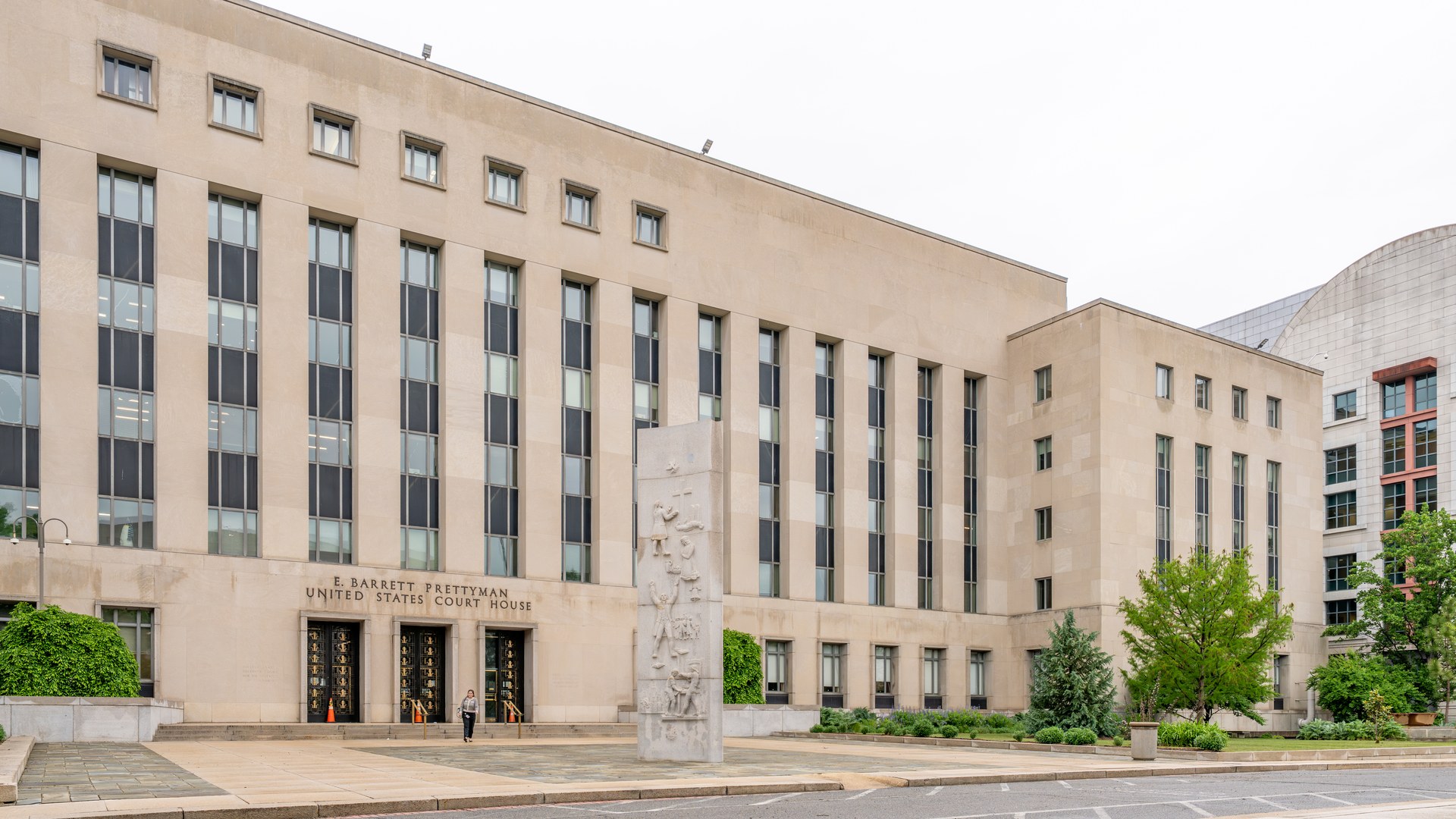
The case was filed in the United States District Court for the District of Columbia.
It is listed as NAACP v. Blanche.
1. What The NAACP Poll Monitors Lawsuit Asks
The complaint cites Section 11(b) of the Voting Rights Act of 1965.
That section bars intimidation of voters.
The suit says that protection exists to prevent precisely the kind of intimidation the department has engaged in through its Poll Monitoring Program and related statements and actions.
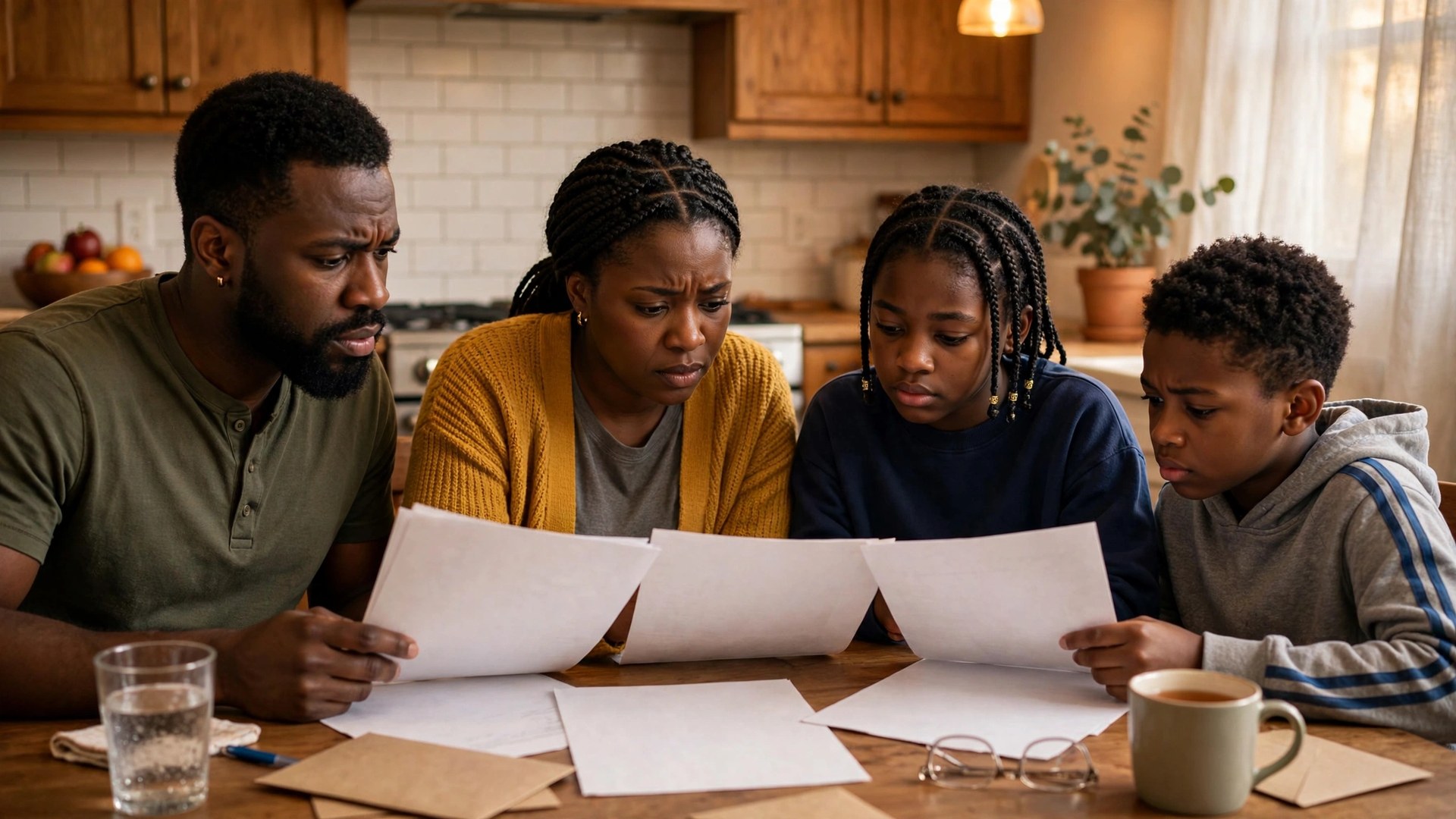
Plaintiffs say they reasonably fear legal repercussions for voting.
They also fear repercussions for aiding others to vote.
The NAACP asks a judge for an injunction against the plan as designed.
The group also asks the court to require a report from the department.
That report would explain how monitors will be deployed and how they will be trained.
And the suit demands a complete list of the specific jurisdictions targeted for monitoring.
That last demand matters. Without a list, voters cannot judge where the federal presence will land.
Communities cannot prepare. Organizers cannot answer basic questions from worried neighbors.
2. Protection In The Past, Pressure In The Present
The NAACP draws a sharp line between past practice and the current plan.
Federal monitors have gone to polling places before. That history is not the dispute.
In the past, the suit says, efforts were limited and carefully proscribed.
Their purpose was assessing compliance with federal civil rights laws.
Monitors were described as carefully trained observers. They watched whether election workers respected the right to cast a ballot.
The current plan, the complaint argues, carries a different mission.
It quotes public statements by Attorney General Todd Blanche and Assistant Attorney General Harmeet Dhillon.
In those statements, both officials spoke of sending monitors out with an explicit mission to root out voter fraud.
The NAACP calls those fraud claims unsupported.
The complaint puts its core charge in one sentence.
There is no federal statute that gives Defendants the authority to turn polling places into interrogation rooms, the NAACP said.
A limited and neutral monitoring effort, the group added, is not what the Justice Department is planning this year.
3. Why Black Voters Hear An Old Warning
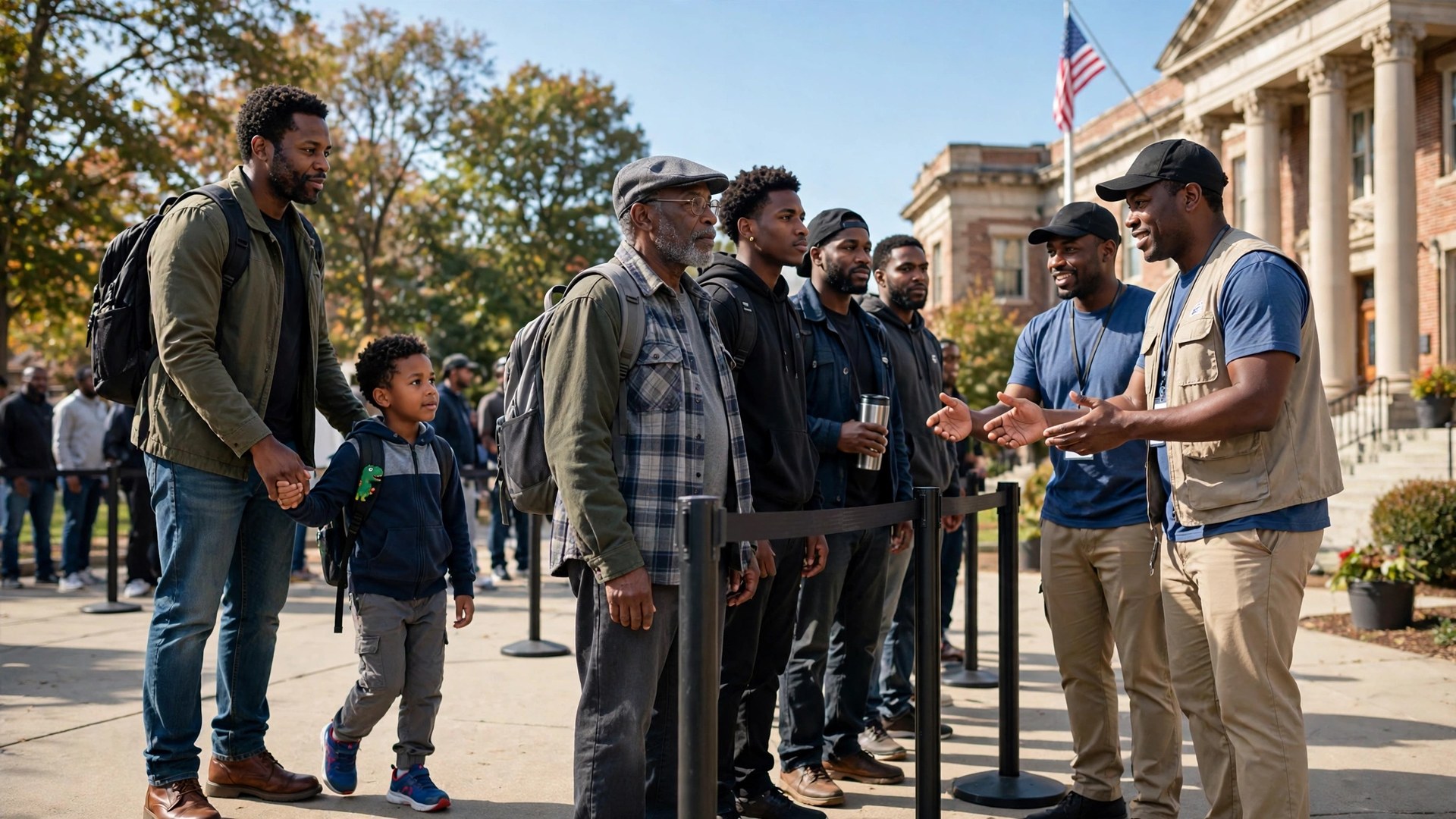
For Black voters, a uniform or a badge near the ballot box carries history.
The suit says Black voters in particular have expressed concern about the department plans.
Members across the country, the complaint says, believe the conduct is already having a chilling effect.
That phrase matters in real life. A chilling effect does not need a locked door.
It can sound like a question at the door of a polling place.
It can look like a stranger taking notes while a grandmother signs in.
Carmen Daugherty leads the Advancement Project, whose lawyers are involved in the case.
The Voting Rights Act exists to protect voters from exactly this kind of intimidation, including by the DOJ, Daugherty said.
Generations of Black and brown voters faced down sheriffs and poll taxes to cast a ballot, so we know intimidation when we see it, she said.
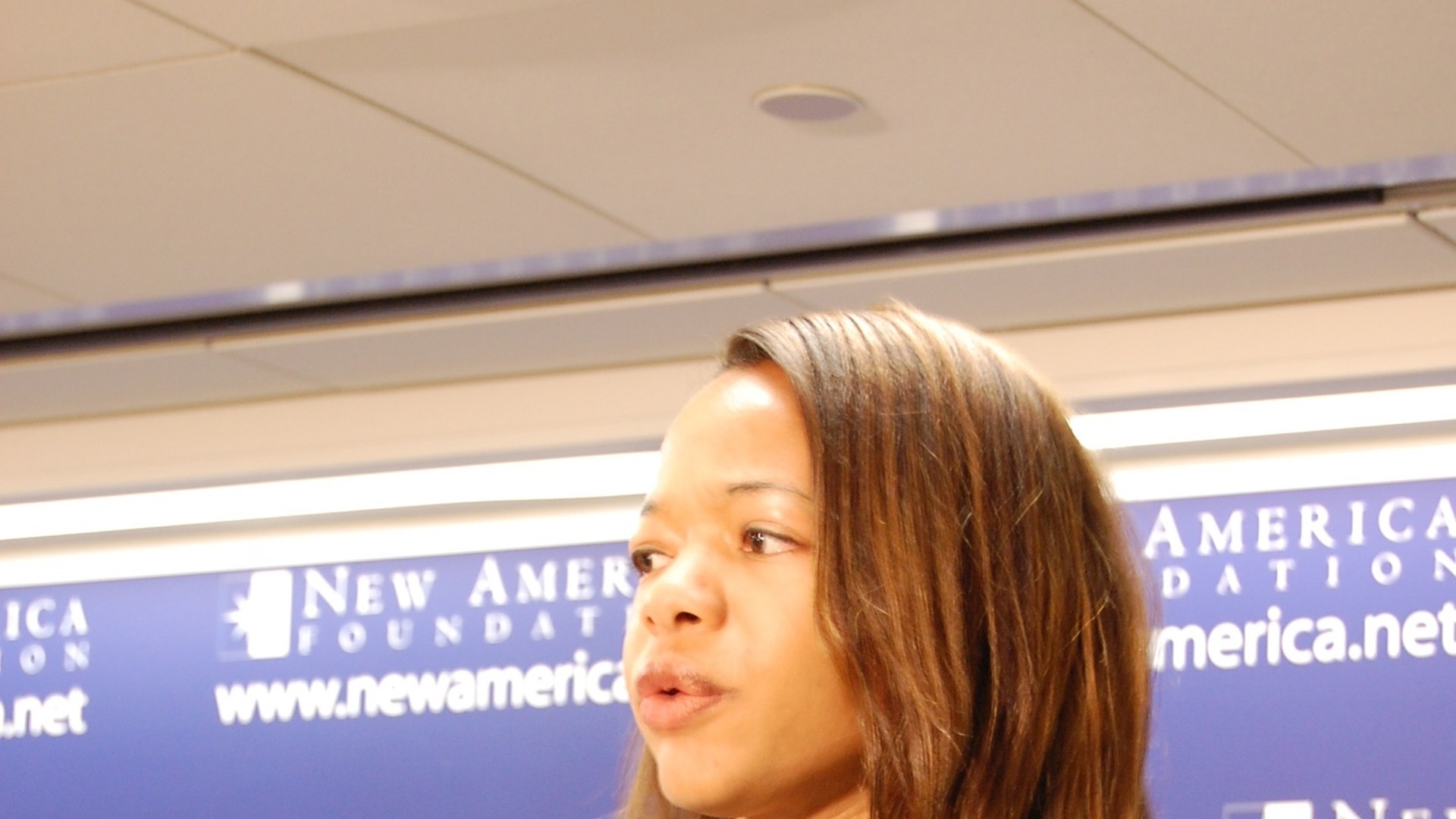
NAACP General Counsel Kristen Clarke made the same point in plain words.
Voter intimidation has no place in our democracy, Clarke said.
She accused the department of abusing its power to discourage people from voting and to disrupt the election process.
The NAACP is represented by its own lawyers and by the Advancement Project.
4. The Justice Department Answered On Monday
The department did not stay silent. Its answer arrived on Monday, October 19.
A Justice Department spokesperson called the suit built on a foundation of unwarranted fear and baseless speculation.
DOJ routine monitoring of elections is not an effort to intimidate voters, the spokesperson said.
It is meant, the department says, to ensure compliance with federal law.
That clash is now the whole case in miniature.
One side sees federal eyes as a guardrail for civil rights.
The other side sees the same eyes, at this scale and with this stated mission, as a threat.
The department announced the general election monitoring plan back in August.
Before that announcement, it had already sent monitors to primaries in several states, including Michigan and Minnesota.
The scale sets this year apart. Past efforts were smaller. This one tops 1000 people nationwide.
5. A Warning Sign From Wyoming And What Comes Next
The complaint also points far from the South for its evidence.
Wyoming Governor Mark Gordon is a Republican. He still blasted the federal monitors in his state primary.
Gordon described their behavior as aggressive and irregular.
When a Republican governor uses those words about a Republican administration, the concern is harder to wave away as partisan noise.
This is also not the first courtroom fight between the NAACP and the department over the monitors.
The group earlier sued for records about the plan, seeking details on authority, locations and training.
Now the fight has moved from records to the deployment itself.
A judge will decide whether the plan can proceed as announced, proceed with conditions, or stop.
No ruling has been announced yet. Early voting, meanwhile, does not pause for litigation.
Every day the case sits undecided is a day voters walk into polling places without knowing who will be watching, or why.
For Black communities, the practical advice from organizers stays steady.
Make a voting plan. Know your polling place. Bring the identification your state requires.
Vote early if your state allows it, and help elders in your family do the same.
The court will settle the law. The turnout, as always, is up to us.
Read more in our News coverage, see our report on Black Man Voter Day, and visit Urban City Podcast for more stories.