7 min read
Major Takeaways
- The Justice Department opened a DC jail investigation on Monday into whether conditions there violate the constitutional rights of people in custody.
- Investigators will examine excessive force, medical care, safety, sanitation and nutrition across Department of Corrections facilities in the District.
- About 89.2 percent of people in Department of Corrections custody in April 2025 were Black, in a city where Black residents are about 45 percent of the population.
- The District auditor warned in May 2025 that deaths in custody ran more than 3.5 times the national average and urged that the jail be replaced.
- The department says it has reached no conclusions yet, and the work runs under the Civil Rights of Institutionalized Persons Act.
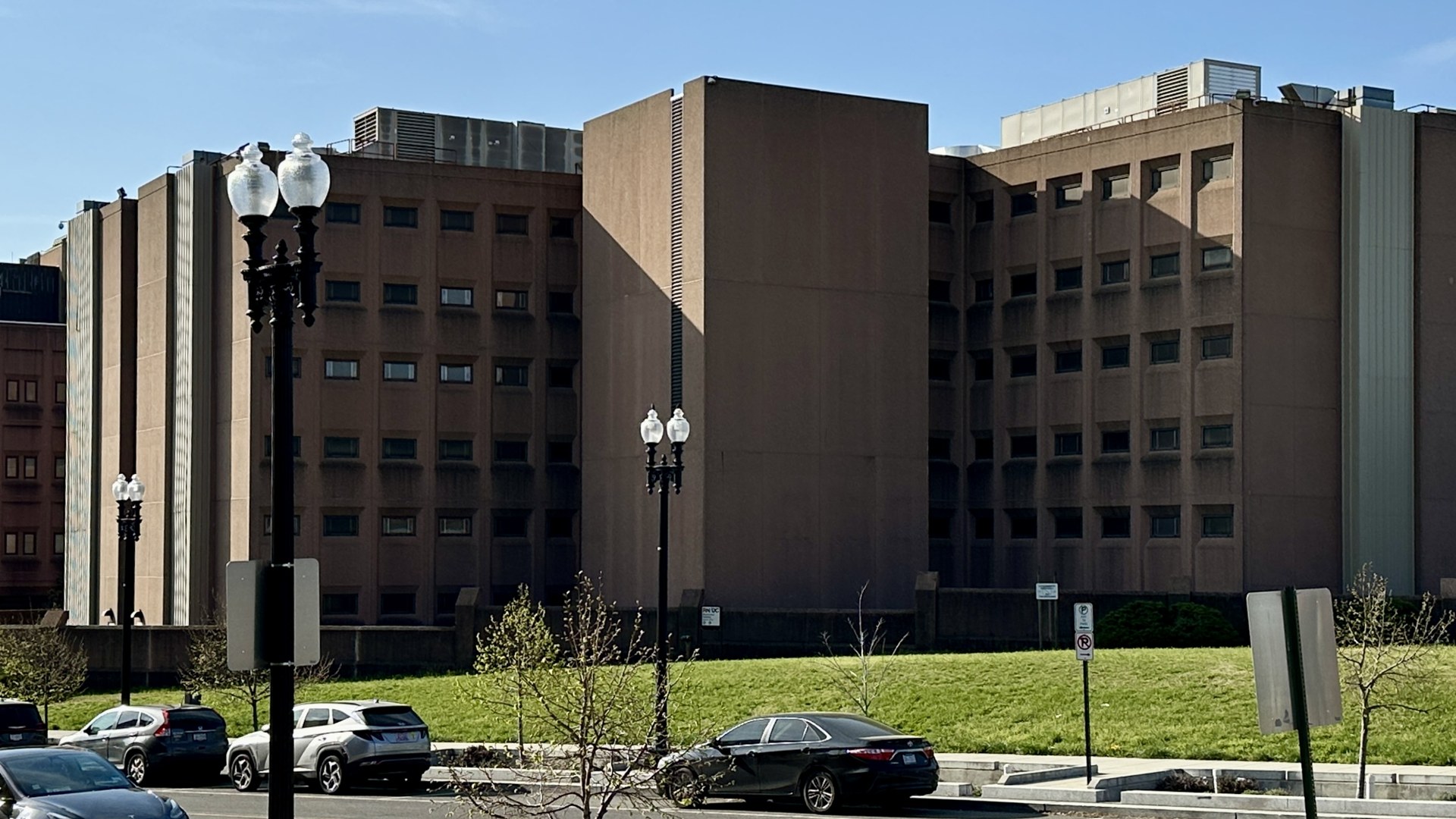
DC Jail Investigation Puts the Capital on Notice
The DC jail investigation began on Monday with a formal notice to Mayor Muriel Bowser.
The Justice Department will test whether the District of Columbia Department of Corrections engages in a pattern or practice of violating the constitutional rights of prisoners and detainees.
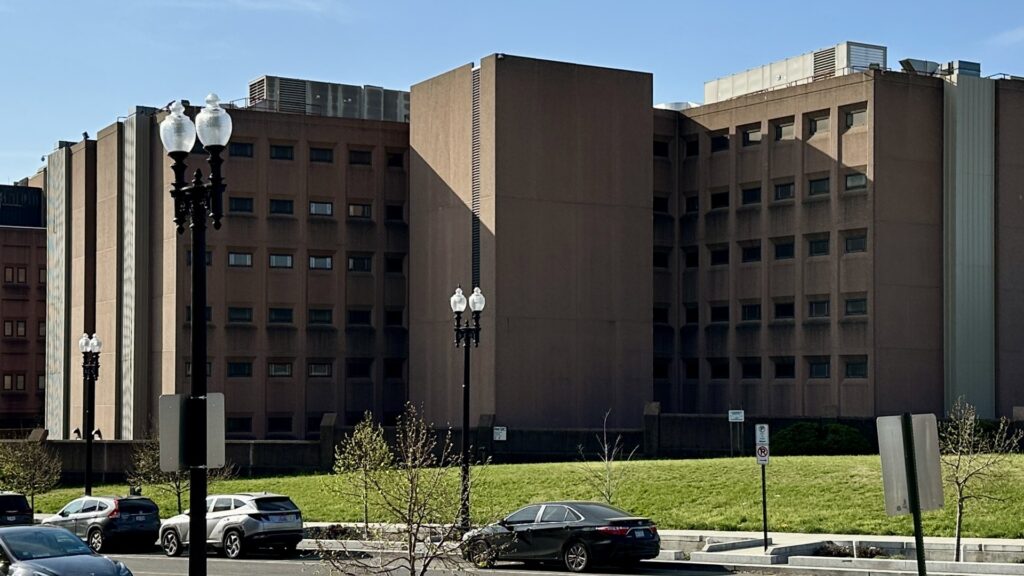
That question reaches every person held in the Central Detention Facility and the Correctional Treatment Facility.
Assistant Attorney General Harmeet K. Dhillon leads the Civil Rights Division that opened the probe.
“The Constitution protects the rights of every incarcerated American, including those held in custody in our nation’s capital,” Dhillon said.
“We are committed to upholding our federal civil rights laws so that no inmate is confined in unconstitutional conditions or subject to unconstitutional mistreatment at the District of Columbia Department of Corrections.”
Most men held at the Central Detention Facility are awaiting the outcome of their cases.
Many have not been convicted of the charges that put them there.
That fact raises the stakes. A person waiting for a court date still holds constitutional rights, and the city still owes that person safety, food and medical care.
What Federal Investigators Will Examine
The allegations before the department fall into four broad areas.
The first is a failure to protect people in custody from the use of excessive force.
The second is a failure to provide adequate medical care to people who cannot simply book a doctor visit on their own.
The third is a failure to provide safe and sanitary conditions inside the facilities.
The fourth is a failure to provide adequate nutrition, the most basic duty any jail carries.
The department says it has received numerous allegations about conditions in the facilities.
Those allegations include concerns documented in a report from the District’s own auditor.
The probe runs under the Civil Rights of Institutionalized Persons Act, the federal law that lets the department investigate whole institutions rather than single incidents.
A pattern or practice case asks whether harm runs through a system, through staffing, policy and habit, instead of resting on one guard or one bad night.
The department stressed that it has reached no conclusions about the allegations. It announced no deadline for finishing the work.
Federal power reaching into a local system is familiar ground in Washington politics. Our coverage of the federal voter list fight in California shows the same tension over who answers to whom.

Why This Lands Hardest in Black Washington
Numbers explain why this investigation is a Black Washington story before it is anything else.
As of April 2025, about 89.2 percent of residents in Department of Corrections custody were Black.
Black residents make up about 45 percent of the District population overall.
About 93 percent of the people in custody were men, and about 7 percent were women.
On a given day in September 2025, the department held 2,129 people across its facilities.
The main jail building dates to 1976. The city has now run it for 50 years.
Behind every count stands a family in neighborhoods like Anacostia, Deanwood and Ward 8, putting money on a commissary account and waiting on a phone call.
When food is unsafe or a clinic visit never comes, the pain travels home with every visit and every collect call.
District residents also live with a hard political truth. They elect no voting members of the Senate or the House.
A federal investigation can therefore feel like both protection and intrusion at once, and Black Washingtonians hold both feelings with good reason.
The Auditor Already Sounded the Alarm
None of this should surprise city leaders. The District auditor put the warnings in writing last year.
The report, released on May 28, 2025 and prepared with the Council for Court Excellence, covered the Central Detention Facility and the Correctional Treatment Facility.
It found the rate of deaths in custody during its one year audit period was more than 3.5 times the national average.
The rate of overdose deaths was 10 times the rate reported in jails across the United States.
The report carried 39 findings and 54 recommendations, and it called for the jail to be replaced right away.
It also cited reports of food contaminated with bugs, rodents and screws, along with potentially contaminated water.
Read those lines again. Screws in food. Water under suspicion. Deaths at several times the national rate.
That was the city’s own auditor speaking in 2025, not an outside critic arriving in 2026.
The question city leaders must now answer is plain. What changed after that report landed, and what proof can they show the families who read it?
A Lawsuit Over Food Shows the Human Stakes
A federal court complaint filed on Thursday gives the allegations a human face.
Six people who are now held at the Central Detention Facility, or were held there before, say the jail has served contaminated food since July 2023.
The complaint describes cockroaches in oatmeal, dead mice in a salad and milk containers covered in mouse droppings.
Pernell Jackson has been held before trial since August 2022, the complaint says.
In late August 2024, he bit into a salad and found at least one dead mouse inside it, the filing says.
Medical staff evaluated him and diagnosed gastroenteritis. He received medication for pain and nausea before returning to his cell.
The complaint says he now buys packaged commissary food to avoid the jail kitchen, a choice that costs money many families do not have.
The suit argues the District has been on notice of systemic failures through resident grievances, agency inspections, agency audits and legislative scrutiny, yet failed to carry out meaningful reforms.
Because many plaintiffs wait before trial, the suit claims a violation of the Fifth Amendment, which protects people held before any conviction.
When the suit was filed, the Department of Corrections had not immediately responded to a request for comment.
What Happens Next for the District
Investigations like this one can end in published findings, a negotiated agreement that forces reforms, or a fight in court.
The department is asking people with knowledge of conditions inside the facilities to share information through its civil rights complaint system.
Mayor Bowser and her corrections leadership now owe two audiences at once. They owe federal investigators documents and candor.
They owe Black Washington something simpler. A straight account of what is true inside those walls today.
Across the country, Black voters are showing up early and organized this fall, a story we told in our report on record midterm ad spending and Black turnout.
Political power, though, is measured in more than ballots. It is also measured in whether a grandmother can trust that her grandson will eat safe food while he waits for a judge.
The investigation has started. Findings alone will not fix a single meal, a single clinic or a single cell.
The standard now is change that people inside can feel, verified in public, until the capital treats every person in its custody as a rights holder and a neighbor.