
Major Takeaways
Democrats face structural disadvantages in Texas, where no Democrat has won statewide since the nineties, making a Texas Senate flip a steep uphill climb regardless of candidate.
Crockett brings high energy but high negatives, while Talarico offers broader appeal but low recognition, leaving Democrats split between enthusiasm and electability.
Flipping the seat requires perfect conditions including massive urban turnout, strong Latino support, and Republican division — none of which are guaranteed in the current political climate.
Hard Truths About the GOP Texas Senate Seat and Why Flipping It Is Still a Long Shot
Texas politics has always carried a larger than life reputation. Big personalities, big clashes, and big stakes. The 2026 race for the United States Senate seat is shaping up to be no different. But if you are looking at the numbers with a clear eye, the race remains an uphill climb for any Democrat hoping to pull off what many have dreamed of for years as Senate flip.
For the Democratic Party, the question is simple. Which candidate gives them the closest shot at cracking the Republican firewall that has held firm since the nineties. For voters, the question is whether the state is genuinely changing or simply teasing political commentators every few years with signs of purple that never fully materialize.
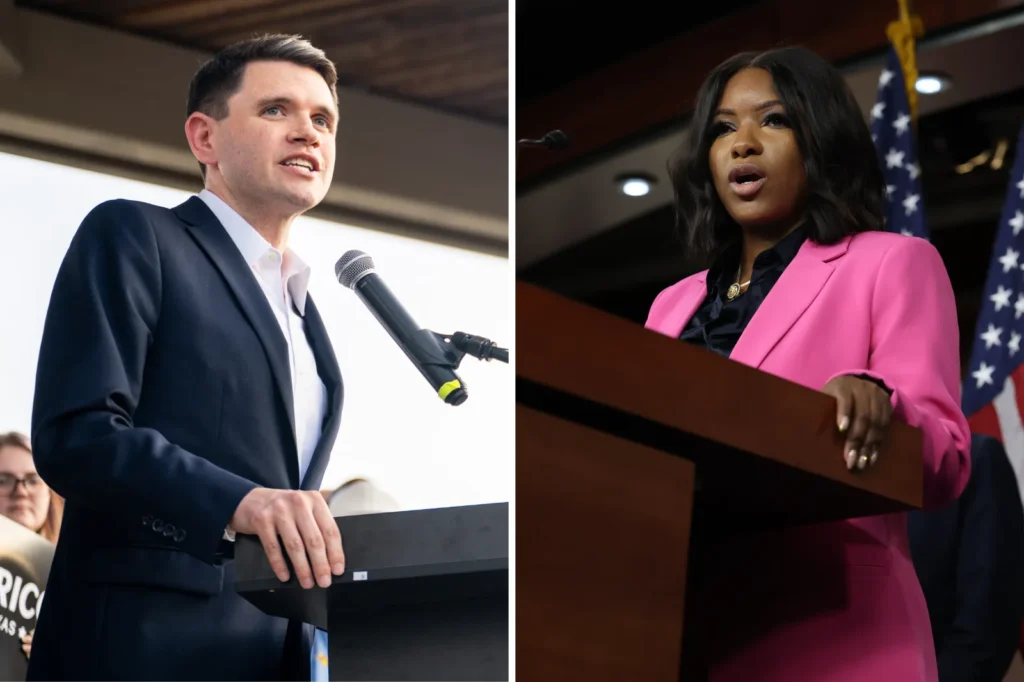
Right now, two names dominate the Democratic conversation. Jasmine Crockett and James Talarico. And both bring very different energy, strengths, and liabilities to the fight.
The latest statewide polling offers a very grounded assessment of where things stand. For starters, Democrats do not enter this race on level ground. The Republican brand still holds a several point advantage in the generic 2026 Senate ballot, and that advantage has been consistent for years. Texans lean conservative, and until proven otherwise, the GOP remains the default choice for most statewide voters.
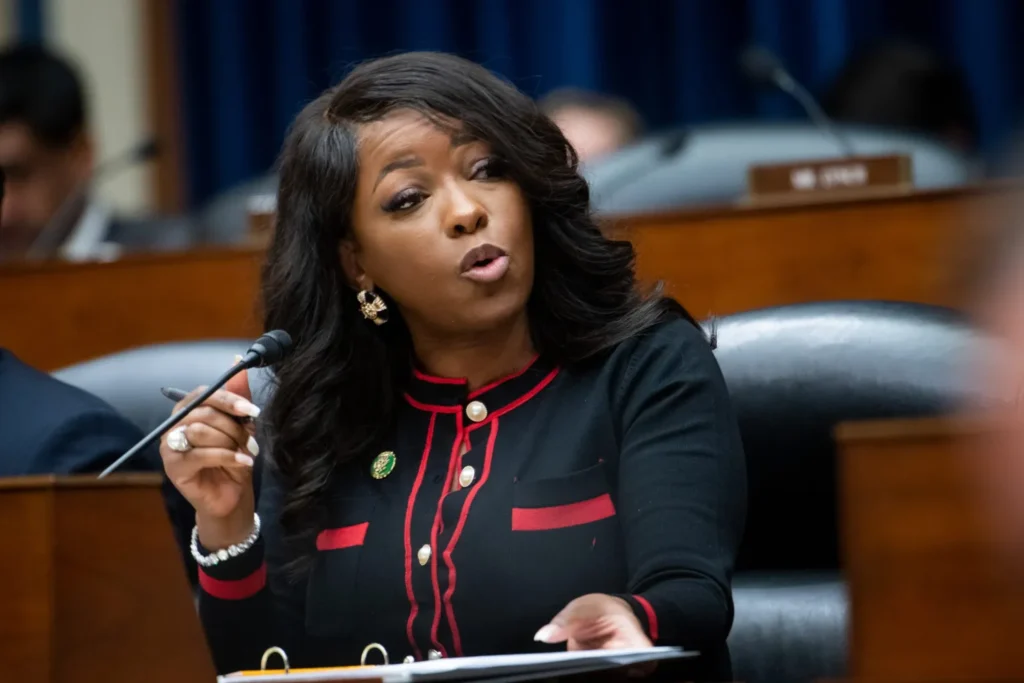
Jasmine Crockett enters the race with the strongest name recognition among Democratic voters and a loyal base that responds to her bold direct style. But name recognition cuts both ways. While more people know her, more people also say they have made up their minds about her, and not always in the way her party needs. Her statewide unfavorable rating sits well above thirty percent, and among voters familiar with her, she has more unfavorable impressions than favorable ones. Nearly half of surveyed Texans say they definitely would not vote for her. That kind of number is not a soft no. It is a hard brick wall.
James Talarico sits in a very different spot. His name recognition statewide is lower. In Texas, that is not necessarily a bad thing. Low recognition means low negatives. Among voters who do know him, he maintains a solid positive image, with a strong favorable margin and very little baggage dragging him down. He appeals more to centrist Democrats, suburban moderates, and Latino voters who prefer a calmer political tone. That makes him look more electable on paper, but it also creates a challenge. A candidate with low recognition has to spend more money, more time, and more energy just introducing themselves to the state before they can even begin persuading undecided voters.
In hypothetical matchups, both candidates trail likely Republican opponents by margins ranging from three to eight points. That margin narrows slightly with Talarico and widens with Crockett. Still, in a state the size of Texas, any deficit is a heavy lift.
To pull off a Texas Senate flip, Democrats need three things to happen at the same time.
First, they need massive urban turnout in Houston, Dallas, Austin, and San Antonio. That has been improving, but it has not yet reached the level seen in other swing states. Urban turnout rises only when the candidate inspires excitement, and that is where Crockett has an edge. Her energy ignites certain communities, especially younger voters and Black voters in major cities. But excitement alone does not always translate into statewide victory. If her enthusiasm turns off suburban moderates, the math collapses before it starts.
Second, Democrats need meaningful movement among Latino voters. This is where Talarico has strength. He connects better with Latino families on education, wages, and cost of living. He also keeps a calmer public profile that reassures moderate voters rather than provoking them. But again, low recognition means he may not have the time or resources to make that appeal statewide if the primary becomes long and draining.
Third, Democrats need Republican division or fatigue. Texas Republicans are not as unified as they once were. Internal battles between traditional conservatives and more hard edged voices have fractured parts of the party. When the GOP is divided, opportunities open. But those cracks are not yet wide enough for Democrats to walk through with confidence.
The simple reality is that Texas has not elected a Democrat to statewide office since the mid nineties. That means an entire generation of Texans has grown up without ever seeing the state turn blue at the top of the ticket. The political culture, voting habits, and long standing alliances lean conservative. That does not change because of one cycle or one candidate.
A Texas Senate flip requires more than a strong Democrat. It requires a weak Republican opponent, a national mood that favors Democrats, a unified base, and a disciplined strategy that reaches beyond safe territory into suburban families and rural pockets that still overwhelmingly vote red.
At this moment, Texas is not sending clear signals that it is ready to break from its long standing political history. It might be inching in that direction. It might be drifting slowly. But drifting and flipping are two very different things.
The Democratic primary will tell us a lot. If Talarico emerges, Democrats will bet on a candidate who can build outward into the middle. If Crockett wins, Democrats will ride enthusiasm and hope turnout creates a shock scenario. Either way, whoever wins needs the backing of the entire party quickly, because the general election battlefield is far tougher than the primary.
The GOP advantage remains real. The structural barriers remain strong. The dream of a Texas Senate flip is alive, but it is a dream that requires perfect conditions, flawless strategy, and a political climate that has not yet arrived.
For now, the race is worth watching, worth studying, and worth preparing for. But anyone looking for an easy upset is not looking at the numbers honestly.