4 minute read
Jackson State University is mourning one of the giants of its history. Dr. John A. Peoples Jr., the first alumnus to serve as president of Jackson State and the man who led the school from 1967 to 1984, has died, the university and his family announced on Thursday. He was 100 years old.
Peoples was the sixth president of Jackson State. By the time he stepped down in 1984, he had transformed a small teachers college into a full university, nearly quadrupled enrollment, and carried the campus through one of the darkest nights in its history with a steady hand.
Major Takeaways
- Dr. John A. Peoples Jr. served as president of Jackson State University from 1967 to 1984 and was the first alumnus to hold the job.
- Enrollment grew from 2,200 students to 7,800 on his watch, and the school won university status in 1974.
- Jackson State granted its first doctoral degrees in 1982, becoming the first historically Black institution in Mississippi to do so.
- He led the campus through the May 1970 shootings that killed students Phillip Gibbs and James Green.
A Son Of Starkville Who Came Home
Peoples was born in Starkville, Mississippi, on August 26, 1926. After high school he was drafted into the United States Marine Corps during World War II and trained at Montford Point, the segregated North Carolina camp where Black Marines were sent. In July 2012, he received the Congressional Gold Medal for that service.
He entered Jackson State in September 1947 and graduated at the top of his class in 1950 with a degree in mathematics. He lettered in football and track as a student, and he was later inducted into the Jackson State Sports Hall of Fame in 1977. He went on to earn a master’s degree in 1951 and a doctorate in 1961, both from the University of Chicago.
After 13 years as a teacher and principal in the public schools of Gary, Indiana, Peoples returned to his alma mater in 1964 as a professor of mathematics and vice president. On March 2, 1967, he was named president, the first graduate of the school ever chosen to lead it.
The Builder
The growth that followed remains unmatched in the history of the university. Enrollment climbed from 2,200 students to 7,800. Classroom space, administrative space, and land all grew fivefold. Five schools were established, national accreditations multiplied, and in 1974 Jackson State College became Jackson State University.
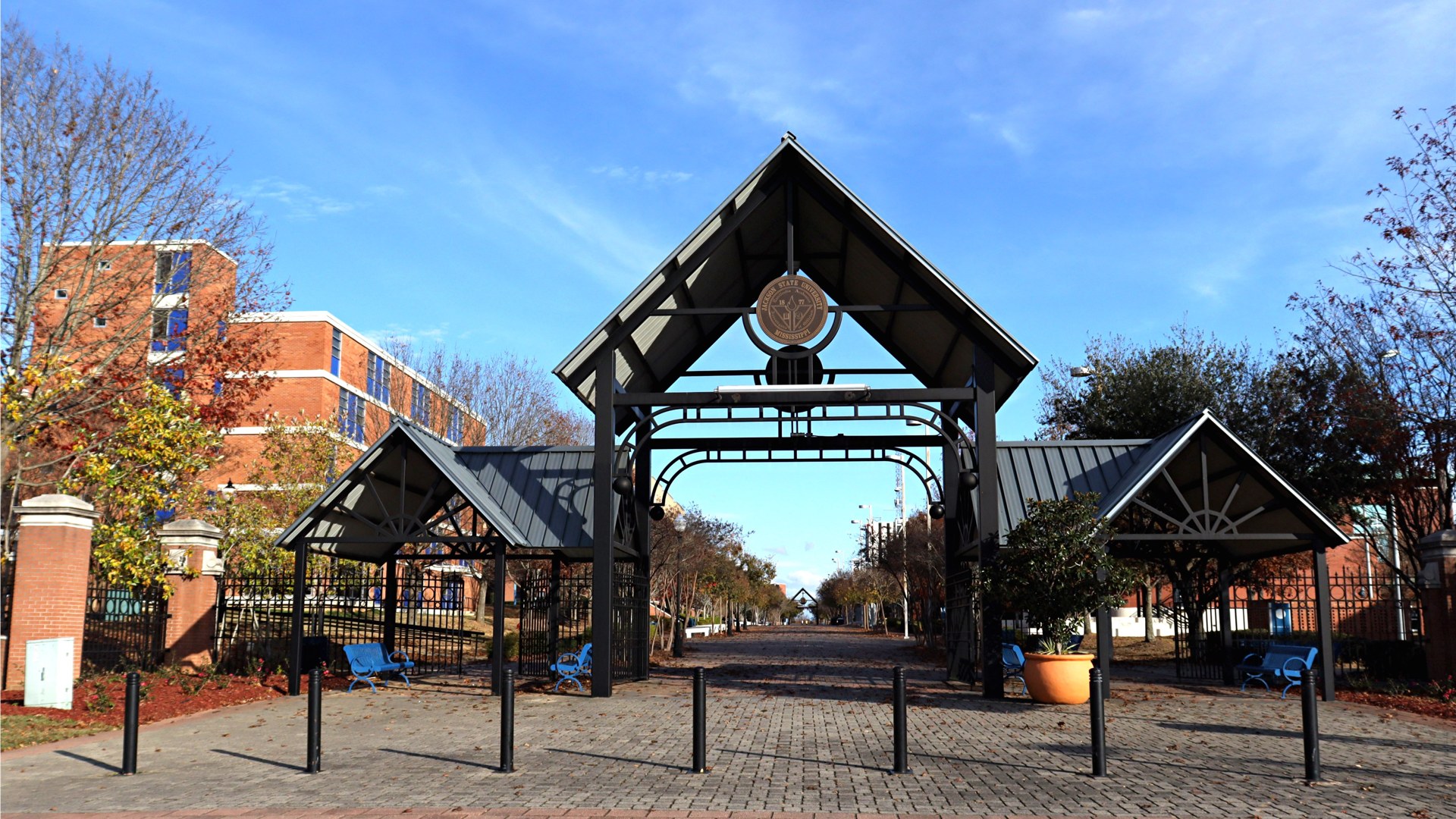
In 1982, the university granted its first doctoral degrees, the first historically Black institution in Mississippi to reach that level. New buildings rose across the campus, including the athletics and assembly center that still hosts Tiger basketball today. Peoples also founded the Army ROTC unit at Jackson State.
Athletics thrived on his watch as well. Tiger teams won six conference titles in football, seven in baseball, thirteen in men’s track, five in women’s track, and six in men’s basketball. That championship tradition still runs through the SWAC today, the same conference family on display in the Turkey Day Classic this week.

The Night That Tested Him
His presidency is also remembered for how he led through tragedy. On May 14, 1970, city and state police fired into a women’s dormitory on campus during a night of unrest, killing two students, Phillip Lafayette Gibbs, 21, and James Earl Green, 17, and wounding others.
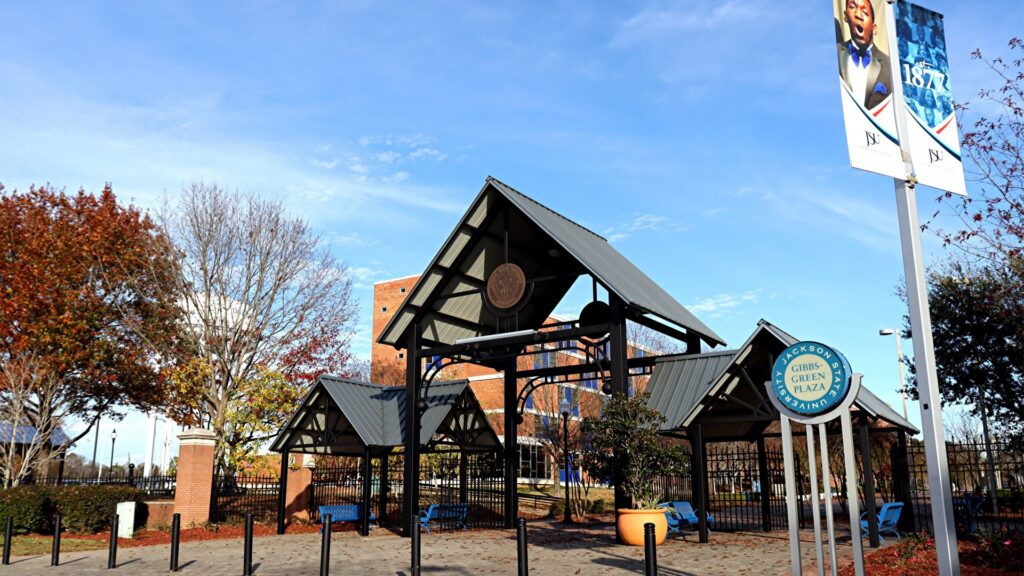
Peoples worked to calm the campus and prevent further bloodshed in the days that followed, and he carried the weight of that night for the rest of his life. More than fifty years later, in May 2021, he returned to speak at a long delayed commencement ceremony for the class of 1970, held on the memorial plaza that now honors Gibbs and Green.
A National Voice For Black Colleges
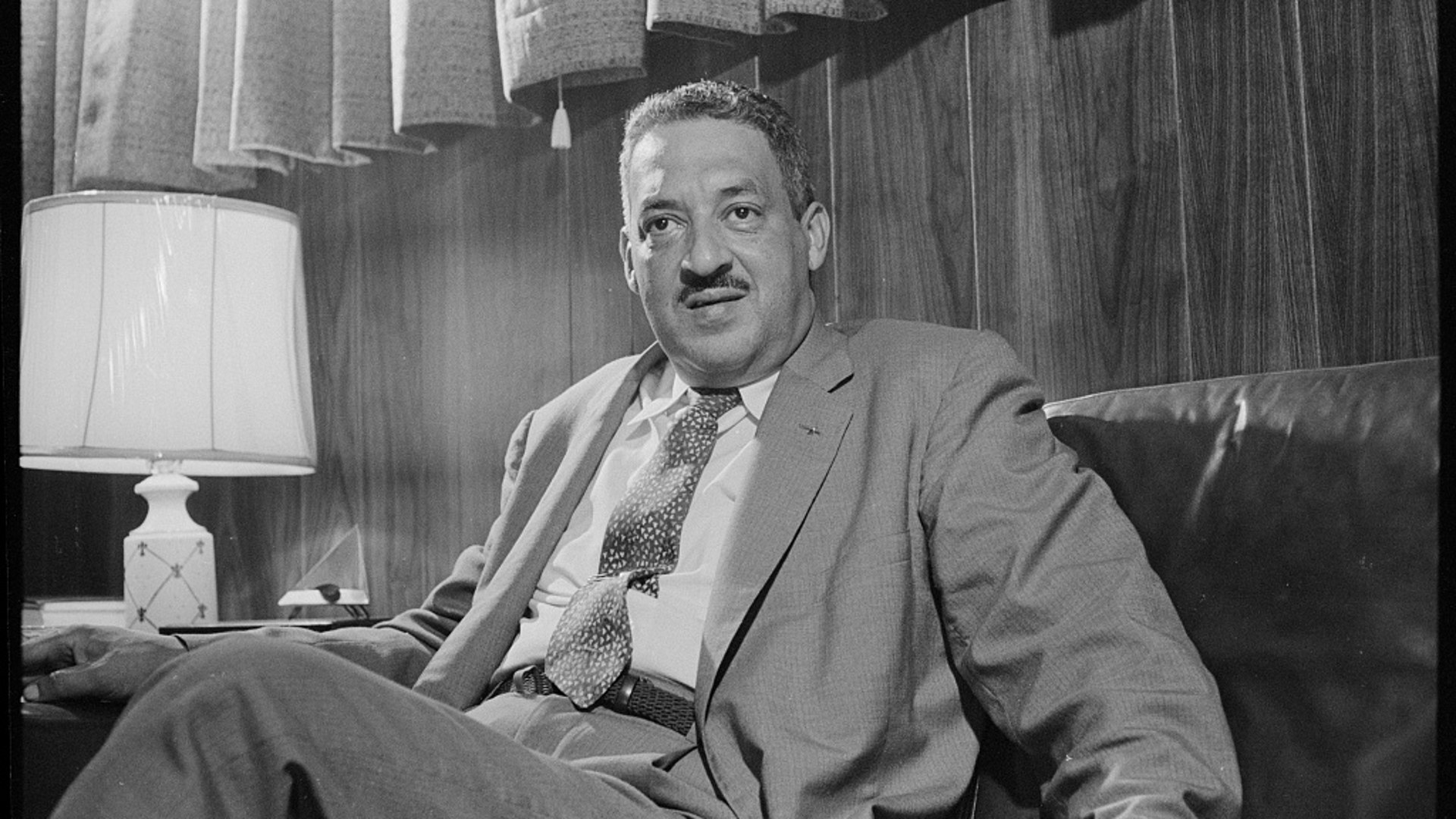
His influence reached far beyond Jackson. When the Ayers desegregation lawsuit was filed in 1974, challenging the dual system of higher education in Mississippi, Peoples played a strategic role in support of the plaintiffs. The fight he backed belonged to the same long legal struggle against segregated education that Thurgood Marshall had waged a generation earlier.
He helped pioneer the National Association for Equal Opportunity in Higher Education and became the first African American to chair the board of the American Council on Education. He was inducted into the National Black College Hall of Fame and told his own story in two books, To Survive and Thrive and How We Got Over.
A Century Of Life
This year, the Mississippi Legislature honored Peoples as the oldest living HBCU president in the nation as he neared his one hundredth birthday. He turned 100 in August, a living bridge between the Jackson State of the civil rights era and the university it is today.
He and his wife, Mary, raised two children, Kathleen and Mark. Urban City Podcast joins the Jackson State family, the city of Jackson, and HBCU alumni everywhere in honoring a life that proved what Black leadership could build. This story will be updated as the university announces service arrangements and tributes.