6 min read
Major Takeaways
More than 350,000 homes and businesses woke up without power on Thanksgiving morning.
Missouri, Virginia and North Carolina took the hardest hits as outages climbed by the hour.
St. Louis recorded 7.3 inches of snow, its second snowiest Thanksgiving event on record.
Major coastal flooding threatens the East Coast from the Outer Banks to Long Island today.
Families should keep refrigerator doors closed and check on elders until crews restore power.
Thanksgiving morning arrived in the dark for hundreds of thousands of families.
A powerful Thanksgiving storm rolled across the country overnight and kept building through Thursday morning.
Heavy wet snow buried parts of Missouri while fierce winds tore through Virginia and North Carolina.
Along the coast, high water pushed into streets from the Carolinas to New Jersey.
For Black families gathered around kitchen tables today, the storm is not just a forecast.
It is a cold house, a silent stove and a long wait for the lights to return.
Follow our latest news coverage as the storm moves through the Northeast today.
Power Outages Climb Past 350,000
The outage count rose fast in the early hours of Thursday.
By about 7 a.m. Eastern, tracking reports counted 358,007 customers without power nationwide.
That number had jumped from 324,054 only about an hour earlier.
Missouri carried the heaviest load with 125,718 customers in the dark.
Virginia followed close behind with 123,965 customers out.
North Carolina reported 55,833 customers without service.
Illinois and Maryland rounded out the five hardest hit states.
In southeastern Virginia, more than 24,000 Dominion Energy customers lost power early Thursday.
Norfolk alone counted more than 5,500 customers in the dark before dawn.
Suffolk and western Portsmouth reported more than 4,700 customers out.
Newport News added nearly 4,000 more.
Those numbers land hard in Hampton Roads, where Black families anchor neighborhoods across Norfolk and Portsmouth.
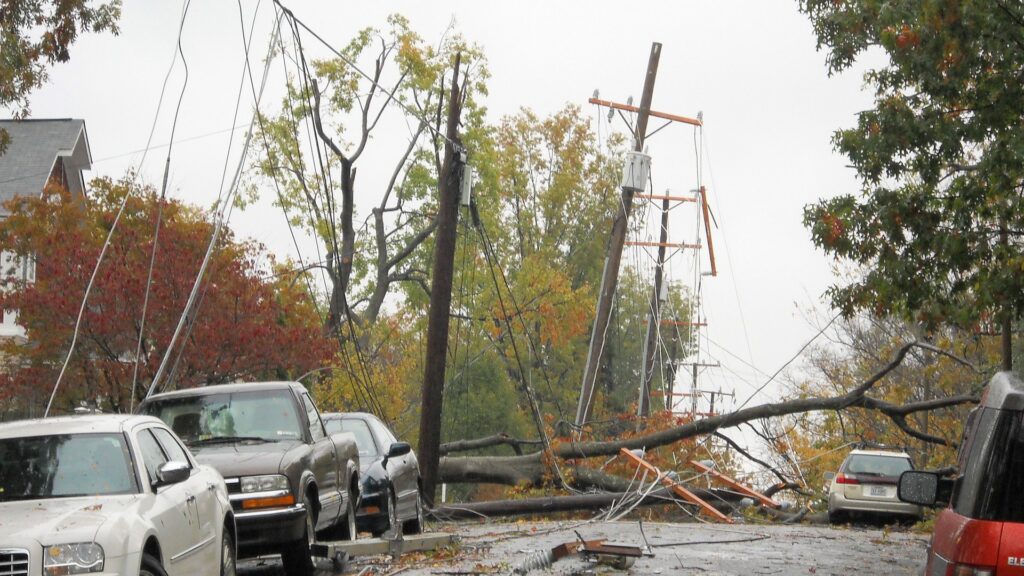
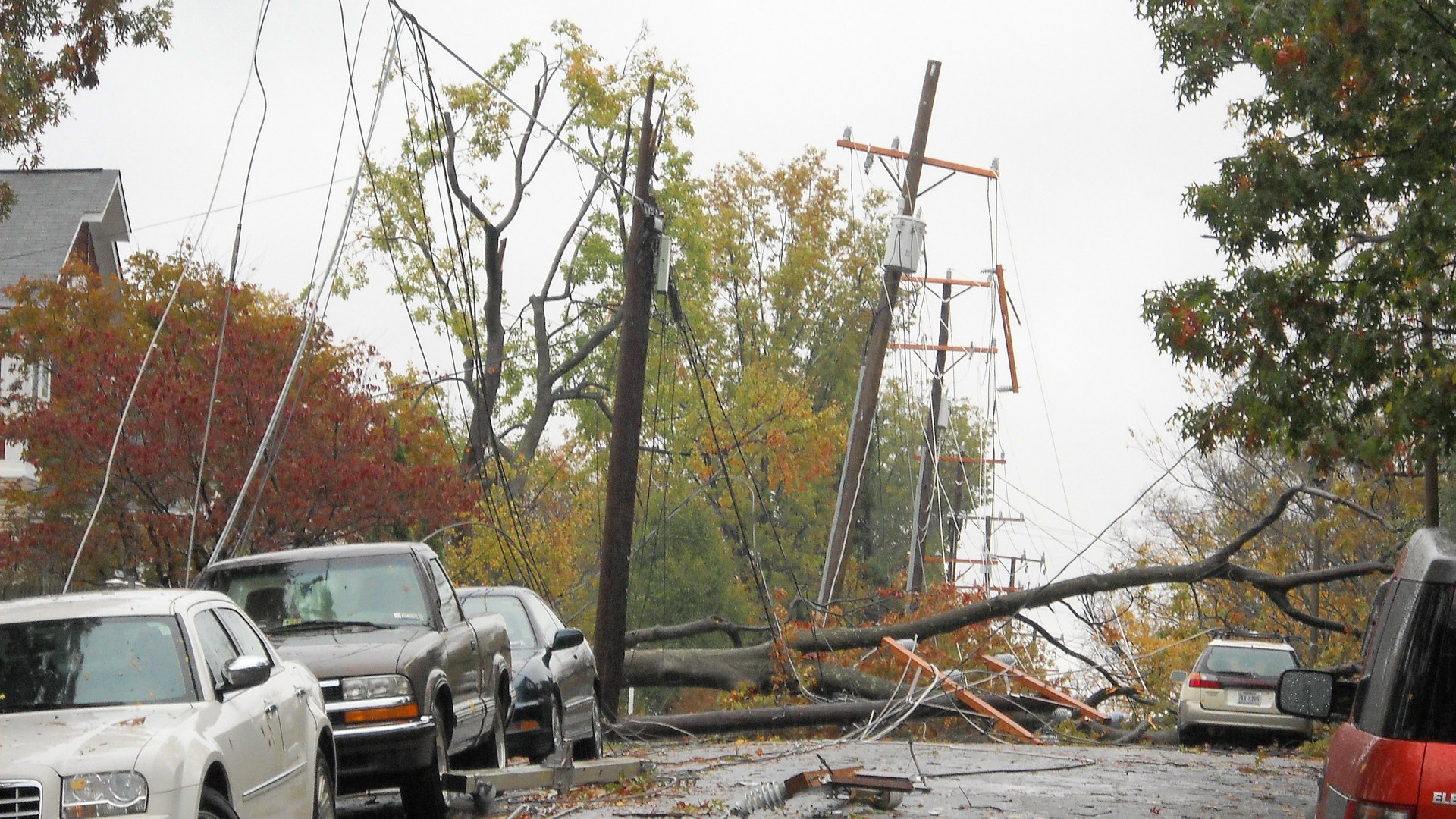
Wind gusts above 60 miles per hour did much of the damage.
Gusts reached 62 miles per hour in Lynchburg, Virginia and in Elizabeth City, North Carolina.
Snowshoe, West Virginia recorded a gust of 65 miles per hour.
Trees fell across the Appalachians from western North Carolina into western Virginia and Maryland.
Crews will need hours, and in some places far longer, to clear lines and restore service.
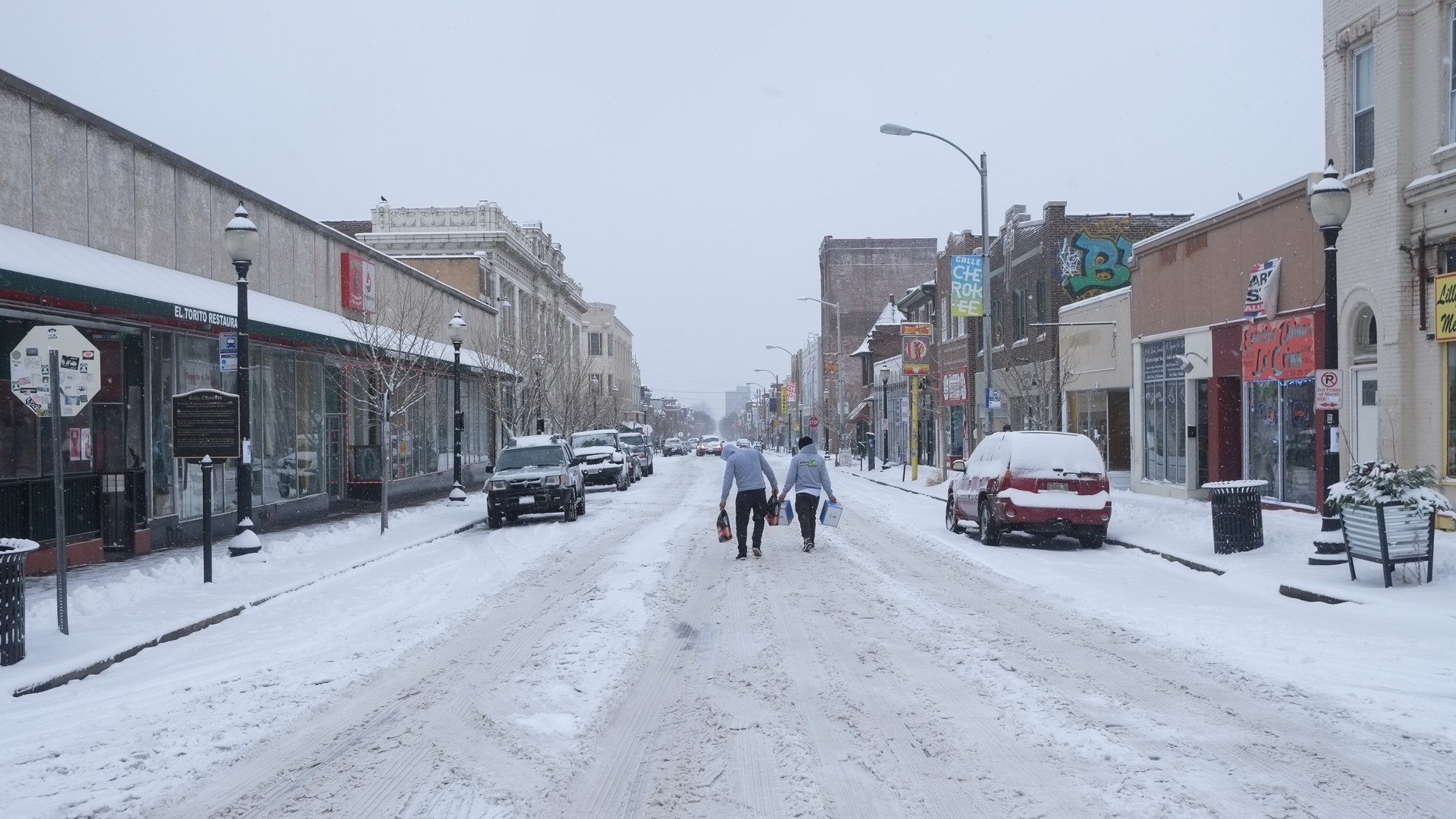
Heavy Snow Buries St. Louis
The same storm wore a different face in the Midwest.
Heavy wet snow piled up across Missouri through the night.
High Ridge, in Jefferson County, measured 9 inches of snow by early morning.
Perryville reported as much as 10 inches.
St. Louis officially tallied 7.3 inches of snow into early Thursday.
That makes this the second snowiest Thanksgiving holiday event in city records.
Only the 1980 storm, with 7.7 inches, ranks higher.
St. Louis County accounted for 69,804 of the Missouri outages.
Jefferson County added 14,670 and St. Charles County added 14,052.
A Winter Storm Warning stayed in effect until noon Central for the St. Louis metro.
Forecasters warned that rapid accumulation would make travel extremely difficult, if not impossible.
The weight of wet snow on trees and lines kept pulling power down as fast as crews could respond.
Vehicles and semitrucks sat stranded on Missouri roads late Wednesday night.
Memphis even saw its first Thanksgiving snow in at least 76 years.
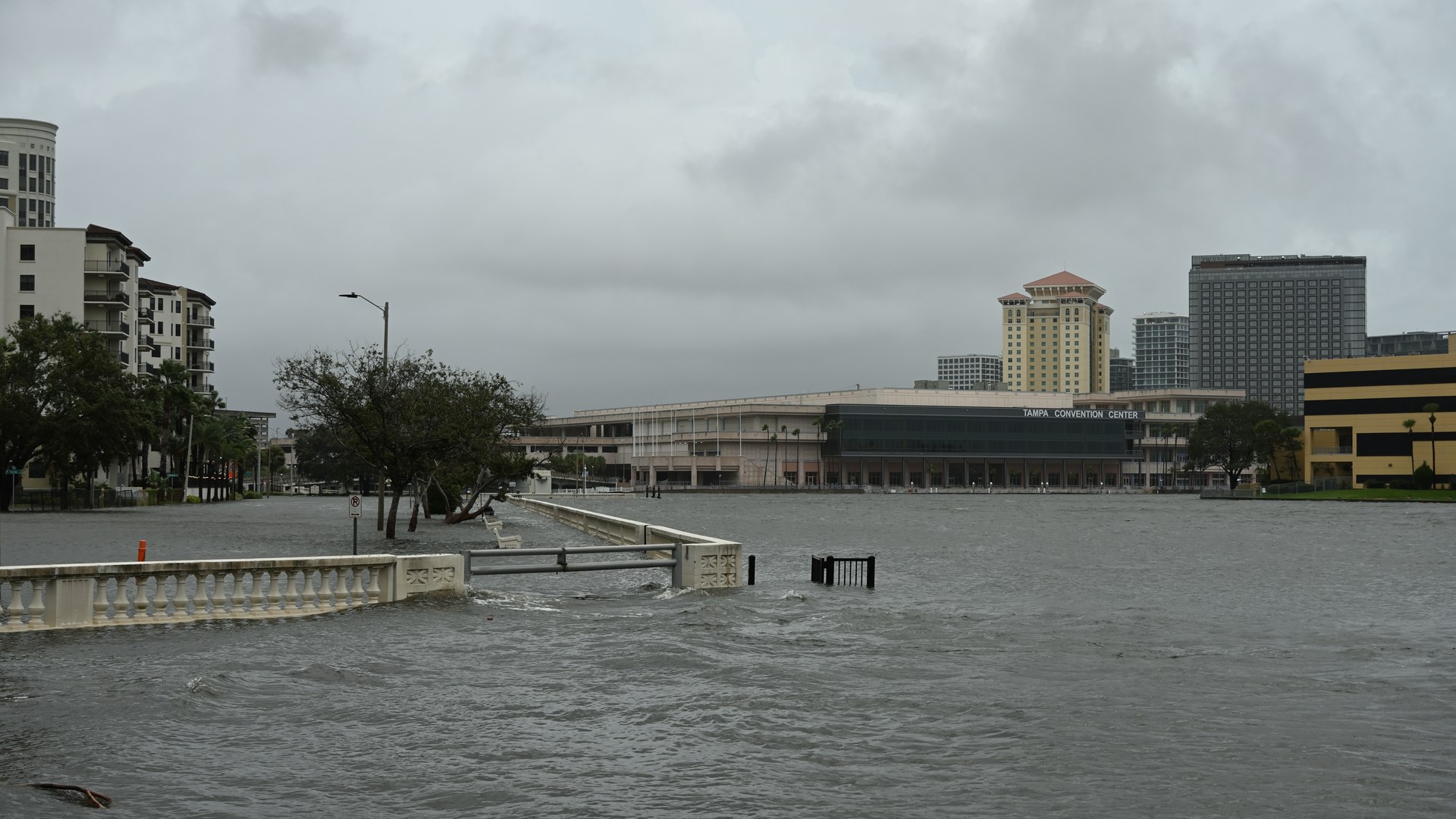

Coastal Flooding Swamps East Coast Streets
Water is the other threat, and it is rising today.
Forecasters expect moderate to major coastal flooding from the Outer Banks of North Carolina to Long Island.
Onshore winds and king tides tied to the full moon are pushing the water higher.
Parts of Delaware and Cape May, New Jersey could see record coastal flooding.
Water more than 3 feet deep could inundate some coastal areas near high tide.
Up to 7 inches of rain has already drenched parts of eastern North Carolina.
Flash flood warnings fired in the Raleigh and Durham metro early Thursday.
A vehicle sat stranded in floodwaters in Goldsboro.
Stream gauges showed minor flooding in and around Cary.
In Charleston, the tide peaked above 8 feet on Wednesday and held at major flood stage for almost 2 hours.
Roads flooded in downtown Morehead City, North Carolina.
Highway 80 and the entrance to Fort Pulaski flooded west of Tybee Island, Georgia.
On the West Coast, king tides flooded streets along California shorelines.
The high water knocked off part of Pacifica Pier and prompted evacuation warnings.
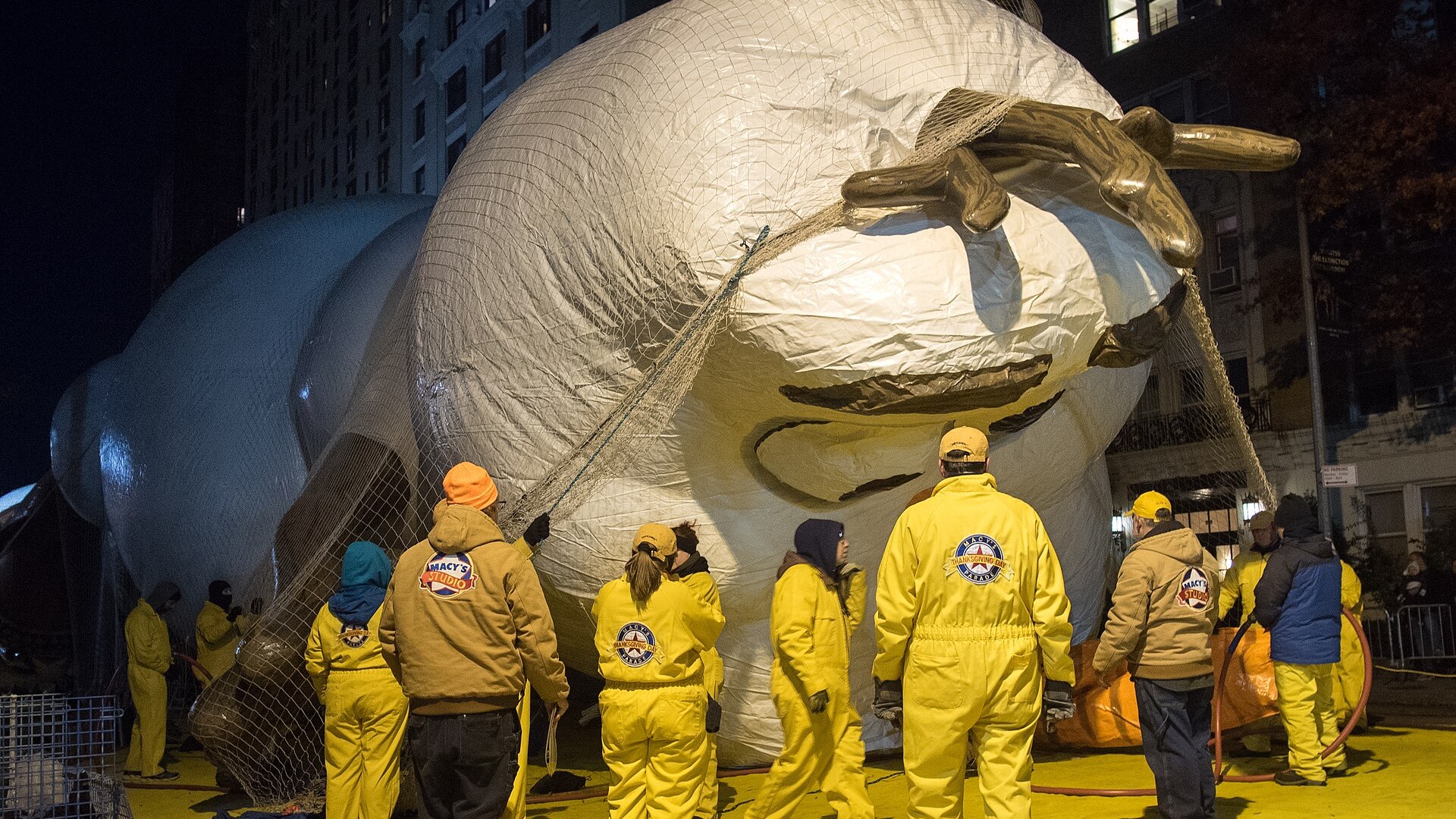
Our earlier coverage explained how this storm moved the Macy’s parade to Saturday for the first time in its history.
Travel Trouble At Airports And On Highways
The storm chose one of the busiest travel stretches of the year.
Some 81.5 million people are expected to travel between Thursday and Monday.
Hundreds of flights were cancelled or delayed by early Thursday, with the East Coast hit hardest.
Delta, United and American waived change fees for Thanksgiving Day flights at Northeast airports.
New York City banned empty tractor trailers and tandem trailers from all its bridges starting at 10 a.m.
The high wind warning made tall trucks a danger on open spans.
Most holiday travelers drive, and officials urged them to slow down or stay home.
The good news is that this storm moves fast instead of stalling.
Forecasters expect the East Coast storm to mostly clear out by Saturday.
That should ease the trip home for families returning from Thanksgiving gatherings.
Wind and showers will linger in the Northeast and Ohio Valley on Friday before conditions improve.
Check flights before leaving home and keep phones charged while power remains uncertain.

How To Keep Your Family And Your Food Safe
For families in the dark, the dinner in the refrigerator matters too.
Federal food safety guidance is simple: keep refrigerator and freezer doors closed during an outage.
A closed refrigerator keeps food safe for up to 4 hours.
A full freezer holds its temperature for about 48 hours.
A half full freezer holds for about 24 hours.
If the outage runs longer, move food to a cooler with ice or frozen gel packs.
Keep that food at 40 degrees or below.
Check on elders and neighbors who rely on powered medical equipment.
A short visit or a phone call can prevent a quiet emergency.
Black churches and community groups across the region are already opening doors and sharing updates.
That instinct to look out for one another is the oldest Thanksgiving tradition we have.
Stay with Urban City Podcast through the day for updates on outages, flooding and travel as this storm moves out.