6 min read
Major Takeaways
Tidal will remove songs made entirely by AI starting December 9, 2026.
About 29 million tracks will be deleted by the start of the new year.
A full 43 percent of recent uploads to the service were flagged as AI made.
Music made with AI help and real human work inside it will still be welcome.
Tidal just drew the hardest line yet in the fight over AI music.
Starting December 9, 2026, the streaming service will reject every new song made entirely by AI.
Songs like that already sitting in its catalog will be removed as well.
The company expects about 29 million tracks to come down by the start of the new year.
It also expects to turn away 80,000 to 85,000 new uploads every single day.
For Black artists who have watched fake versions of real voices flood the internet, this moment matters.
Our music has always led the culture. It should not have to compete with machines copying it at scale.
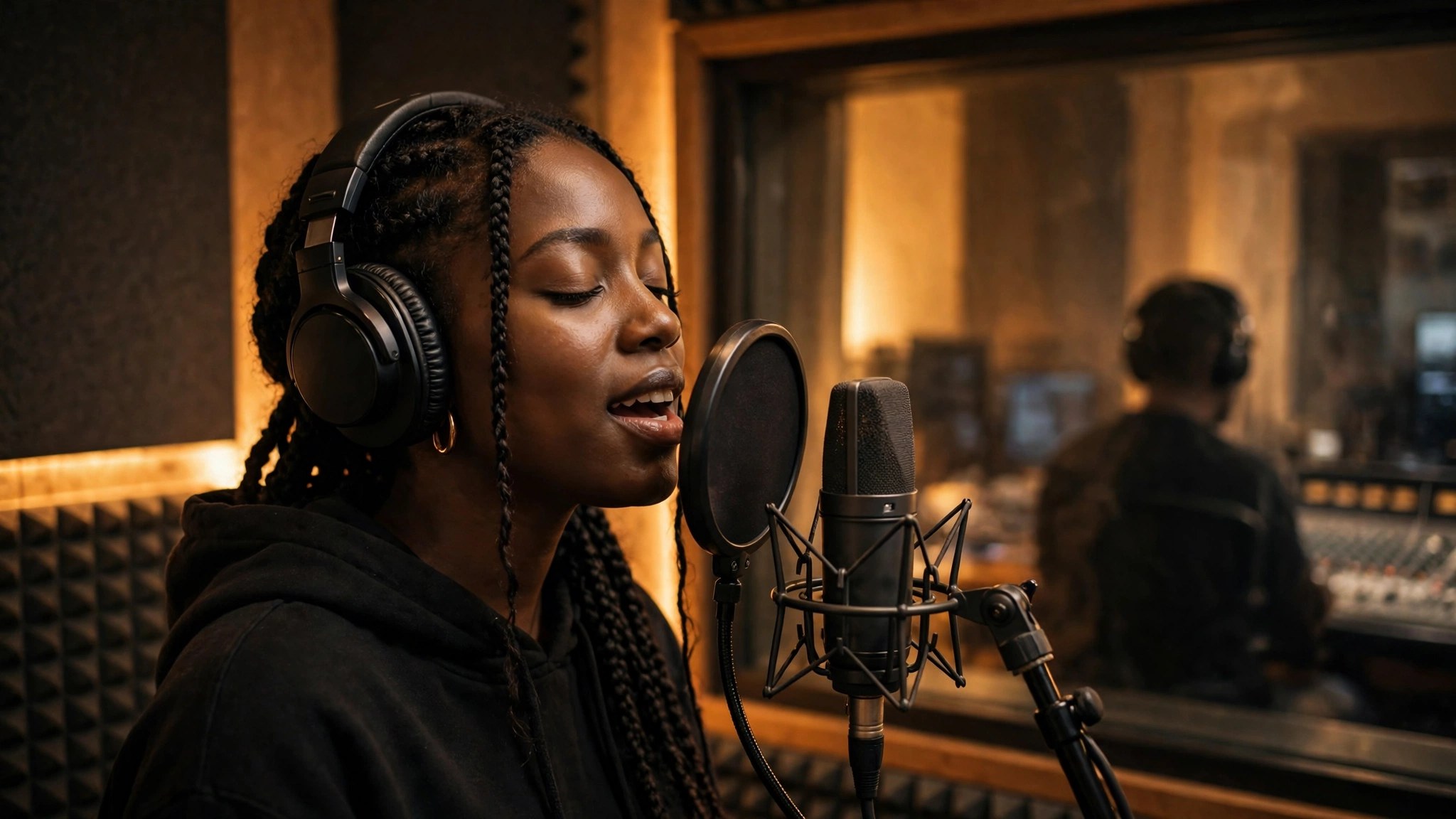
1. The Numbers Show A Flood, Not A Trickle
Tidal says 43 percent of the tracks sent to the service in the last 90 days were flagged as AI made.
That is nearly one out of every two uploads arriving at its door.
About 27 million songs, or 6.3 percent of the whole catalog, carry that flag today.
Even more telling, 96 percent of those songs drew zero plays at all.
They were not building fan bases. They were taking up space.
Tidal music lead Robert Anderson put the problem plainly this week.
At this scale, he said, the real music people came to find gets buried.
Discovery is everything for a new singer or rapper trying to be heard.
When the shelves are stacked with machine output, real voices get lost in the pile.
2. What Goes, And What Stays, Under The New Rule
The ban targets recordings made wholly by generative AI, from start to finish.
Distributors will be blocked from delivering tracks like that to the service at all.
A song will also be rejected when its own delivery details say it was fully AI made.
Music made with AI tools but shaped by real human creativity stays eligible.
A producer using a tool inside a real session is not the target here.
The target is the song nobody actually performed, wrote, or lived.
Tidal says it will act only on wholly AI made recordings for now.
The company admits detection tools have limits and says it wants to avoid false flags.
As detection gets more reliable, it plans to widen its action over time.
Songs flagged in error are not the end of the road for an artist.
Artists who believe a real recording was tagged by mistake can file an appeal for a review.

3. Why This Fight Hits Black Artists First
Black voices are the most copied voices in popular music. That is not new.
What is new is how cheap and fast the copying has become.
Tidal policy already treats impersonation as fraud worth removing.
That covers music built to deceive listeners or to exploit the name or likeness of a real artist.
A fake song trading on a beloved voice steals more than streams.
It steals trust. Fans cannot always tell what is real anymore.
It also steals the moment. A real artist plans a release for months.
A flood of copycat tracks can crowd that moment out in a single week.
Independent Black artists feel this squeeze first and hardest.
Most have no big label machine to push their real work above the noise.
Every buried song is a missed booking, a missed fan, and a missed check.
4. Labels And Lost Royalties Were Not Enough
Tidal did not start with a ban. It started with labels.
Back in June, the service tagged every wholly AI made track it found.
It also cut those tracks off from royalty payments entirely.
The uploads kept coming anyway, and the share kept climbing.
Anderson said the tagging step was meant to protect the authenticity of real artists.
His verdict this week was blunt. Something more drastic needs to be done.
So the labels are giving way to removal, and removal gives way to rejection at the door.

5. The Rest Of Streaming Now Has To Answer
Other big services have chosen softer paths so far.
Some label AI songs and leave them up. Some let listeners hide them.
Bandcamp stands as the other major name to ban this music outright.
Tidal calls itself the first streaming service of its kind to take this step.
Anderson urged rival services to follow suit, and that challenge now hangs over the whole industry.
Labels, meanwhile, are busy cutting deals with AI companies over catalog rights.
That split tells the story. The business sees money in the tools.
Working artists see risk in the flood those tools can unleash.
Black music has been mined without fair pay before, from covers to sampling fights.
Fans who want more of this conversation can browse our Entertainment coverage and our recent Grammy nominations story.
What Artists Should Do Before December 9
If you release music, check your delivery details before the deadline lands.
Make sure nothing about your real recording reads as fully AI made.
If a track of yours gets flagged and you made it yourself, appeal right away.
Keep your session files, drafts, and notes. Proof of human work is power now.
And if you listen, know that one service just chose people over volume.
Where the rest of streaming lands next will shape what our culture hears for years.