8 min read
The Negro Leagues began in a small room in Kansas City.
What grew from that room became a national Black institution.
It employed thousands of players, owners, umpires, and writers.
It filled ballparks in Black neighborhoods across the country.
And it produced some of the greatest players who ever lived.
Segregation locked those players out of the major leagues.
So Black America built a major league of its own.
Major Takeaways
- Rube Foster founded the Negro National League on February 13, 1920, in Kansas City.
- Eight Black owned teams joined a league with a constitution and steady schedules.
- Josh Gibson and Satchel Paige became legends without one major league at bat or pitch for years.
- The East West Classic drew crowds of more than fifty thousand fans in Chicago.
- Integration ended the color line but slowly drained the leagues of stars and fans.
- In May 2024 the official record books finally placed Gibson atop the career batting lists.
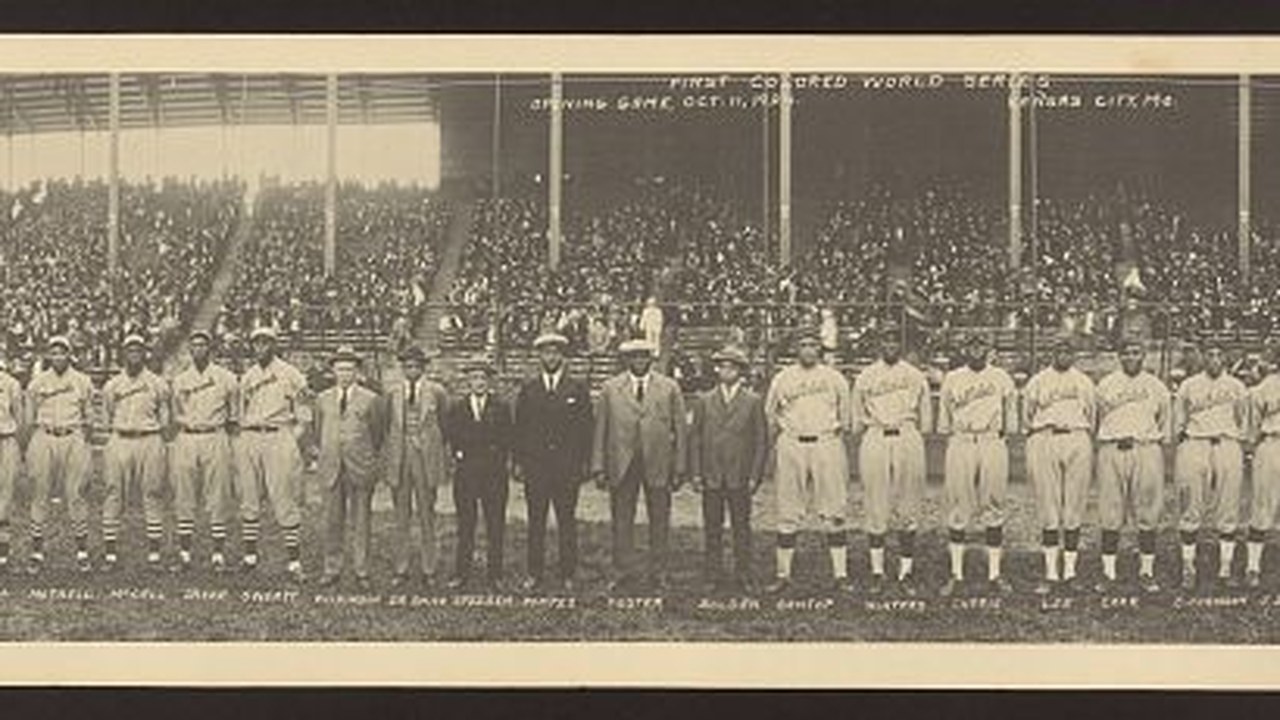
Photo by J. E. Miller, Library of Congress, public domain via the Library of Congress
Rube Foster Called the Owners to Kansas City
Andrew Rube Foster was born in Texas and headed north in 1902.
He became the finest Black pitcher of his generation.
Then he became owner and manager of the Chicago American Giants.
That chair gave him a clear view of a broken business.
Black teams barnstormed from town to town chasing single games.
Owners raided each other for players without mercy or order.
Schedules collapsed, and steady pay stayed out of reach.
Foster argued for change in a newspaper column in late 1919.
His Pitfalls of Baseball series ran in a leading Black newspaper.
He called owners to build something firm, and quickly.
On February 13, 1920, the owners met in Kansas City.
They gathered at the Paseo YMCA on Eighth Street.
Each club paid five hundred dollars to join the new league.
The owners adopted a written constitution for the Negro National League.
Foster became its first president and its guiding hand.
The league motto declared, We are the ship, all else the sea.
Eight Teams Built a League Black Fans Could Trust
The first league fielded eight teams across the Midwest.
Chicago sent the American Giants and the Chicago Giants.
Kansas City sent the Monarchs, and Detroit sent the Stars.
Indianapolis, St. Louis, Dayton, and the Cuban Stars completed the circuit.
These clubs played real schedules for real pennants.
Players signed contracts and knew where work would be.
Black newspapers covered the standings like a national beat.
The timing met a people on the move northward.
The Great Migration was filling northern and midwestern cities fast.
New arrivals wanted heroes who looked like them on the field.
Foster and his Giants won the first three pennants.
His club took the flag in 1920, 1921, and 1922.
An eastern league formed in 1923, and champions finally met.
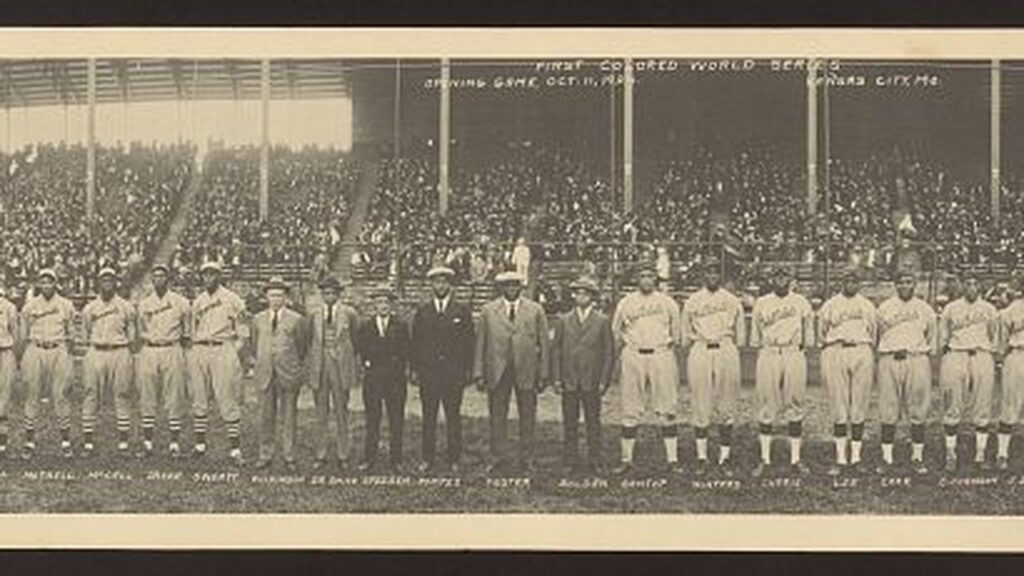
The first Colored World Series arrived in October 1924.
Kansas City beat Hilldale five games to four, with one tie.
Black baseball now had a crown of its own to chase.
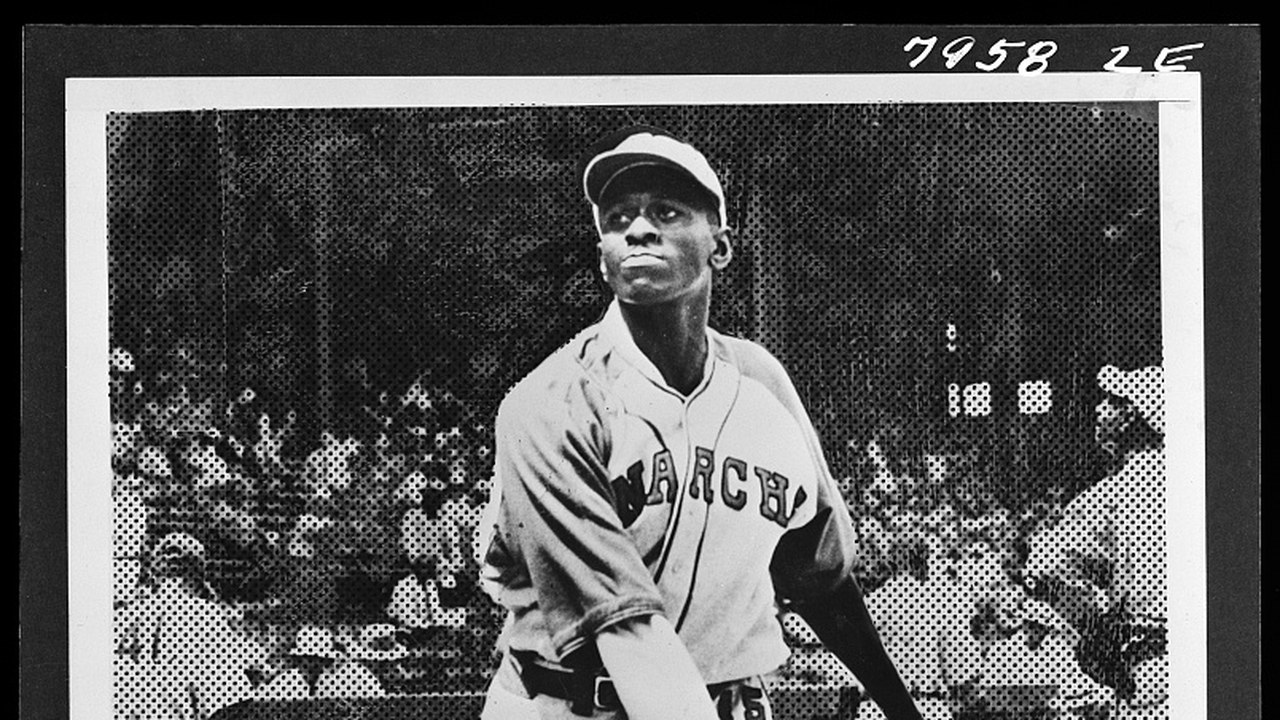
Photo courtesy of the Library of Congress, public domain

Stars Too Great for Any Record Book to Ignore
Josh Gibson caught for the Homestead Grays and Pittsburgh Crawfords.
People who watched him called him the greatest slugger alive.
His documented career holds one hundred seventy four home runs.
His power drew crowds the way gospel choirs draw a congregation.
Satchel Paige turned pitching into theater and command into art.
His fastball and his showmanship made him the biggest draw in Black baseball.
Fans in small towns lined up just to watch him warm up.
Oscar Charleston patrolled center field with grace, speed, and power.
Cool Papa Bell ran so fast that legend grew around his spikes.
Buck Leonard gave the Grays a sweet and steady first baseman.
These men starred while the white majors pretended not to see.
Gibson never played one game in the white major leagues.
He died in January 1947, only months before the line broke.
This series honors another barrier breaker in Althea Gibson, who broke the tennis color line.
The East West Classic Became a Black National Holiday
In 1933 a second Negro National League rose in the East.
That same year Pittsburgh owner Gus Greenlee staged a new classic.
The East West All Star Game matched the best against the best.
Fans voted for the rosters through Black newspapers nationwide.
The game settled into Comiskey Park in Chicago each summer.
Crowds passed fifty thousand fans at its glorious peak.
For one weekend, Black baseball owned the national stage.
Trains and buses carried fans in from across the country.
The classic paid bills and kept proud franchises alive.
A second great circuit, the Negro American League, formed in 1937.
Together the leagues carried Black baseball through war years.
Their ballparks doubled as banks, social halls, and civic pride.
Game day money moved through Black hands in Black neighborhoods.
That economy mattered as much as the scores in the paper.
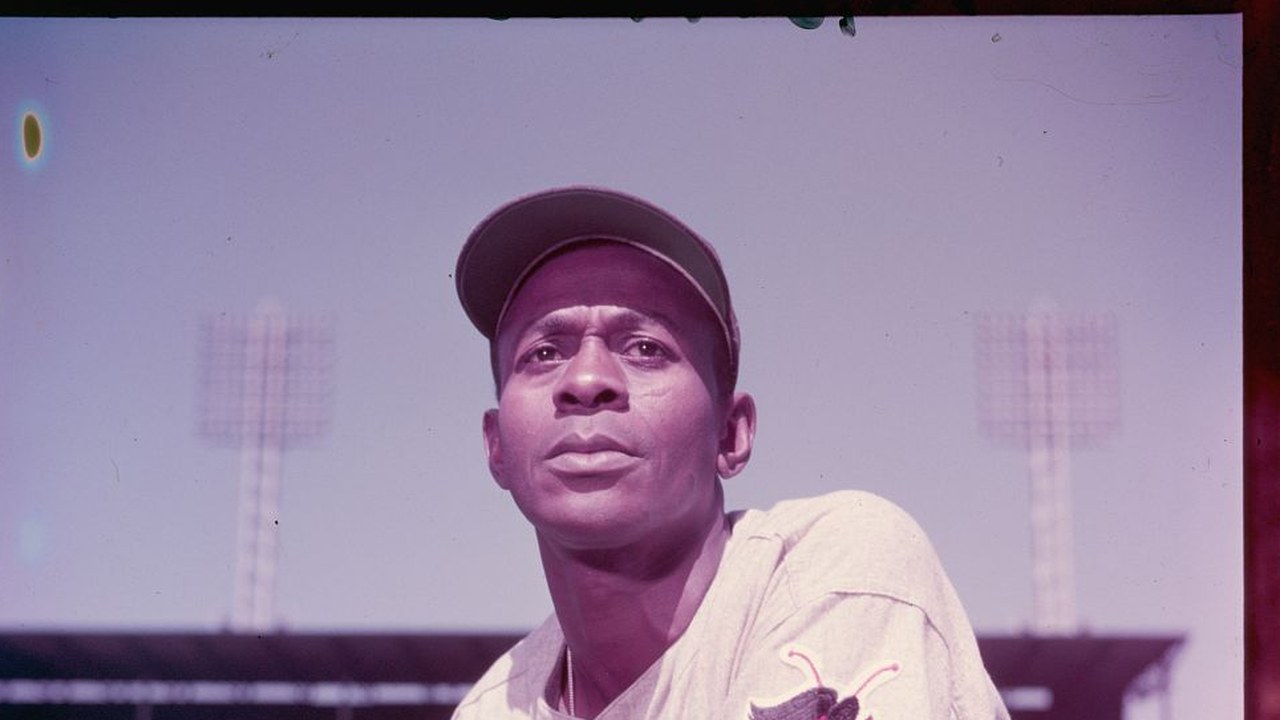
Photo courtesy of the Library of Congress, public domain
Integration Opened One Door and Closed Another
Jackie Robinson played shortstop for the Kansas City Monarchs in 1945.
Brooklyn signed him, and in 1947 he broke the modern color line.
Larry Doby integrated the American League with Cleveland that same year.
Satchel Paige finally reached the majors in July 1948.
He debuted at age forty two, the oldest debut in history.
He became the first Black pitcher in the American League.
That fall he pitched in a World Series that Cleveland won.
Paige kept pitching for years, even one game in 1965.
He took that final mound at age fifty nine.
Every Black fan celebrated each of those hard won firsts.
Yet each signing pulled another star out of Black ballparks.
Fans followed the stars to the newly opened major league gates.
Black owners lost their best players without fair payment.
The leagues faded through the nineteen fifties season by season.
The last Negro Leagues teams folded in the early nineteen sixties.
America gained integrated rosters and lost a Black owned institution.
The Record Books Finally Caught Up in 2024
Foster paid the highest price for building all of this.
Illness forced him to step away late in 1926.
He died in 1930 at only fifty one years old.
His first league folded in 1931 under Depression strain.
The Hall of Fame finally elected him in 1981.
Kansas City kept the flame with a museum founded in 1990.
The Negro Leagues Baseball Museum stands at Eighteenth and Vine.
It sits blocks from the room where Foster changed history.
Congress named it America’s National Negro Leagues Baseball Museum in 2006.
Then the official record keepers moved at long last.
In December 2020 the majors recognized seven Negro Leagues as major leagues.
Those leagues covered the seasons from 1920 through 1948.
On May 29, 2024, their statistics entered the official record.
More than two thousand three hundred players took their rightful places.
Josh Gibson now leads all of baseball in career batting average.
His mark of .372 stands above the long standing record it replaced.
His .466 season in 1943 is now the finest ever recorded.
His career slugging mark of .718 also leads the sport.
Satchel Paige now owns one hundred twenty five career wins.
Researchers say the surviving records capture only about three quarters.
The true numbers were likely even greater than the printed ones.
Why the Negro Leagues Still Matter Today
The leagues teach a lesson bigger than any box score.
Locked doors did not stop Black excellence from organizing itself.
Owners built schedules, constitutions, rivalries, and a World Series.
Players built legends that outlasted the men who excluded them.
The museum in Kansas City keeps those stories alive daily.
Young players now grow up seeing Gibson atop the lists.
That sight rewrites what greatness looks like in young minds.
Ownership remains the other half of the Foster lesson.
He wanted Black talent earning inside Black controlled institutions.
That hunger still drives Black builders in sports and media today.
This series told a kindred story in Oscar Micheaux, who built Black cinema with his own hands.
Foster proved a league could be a business and a banner.
His ship still sails every time a child learns these names.
Gibson, Paige, Charleston, and Bell belong in every baseball conversation.
Start with the full story of Black history at Urban City Podcast and say their names out loud.