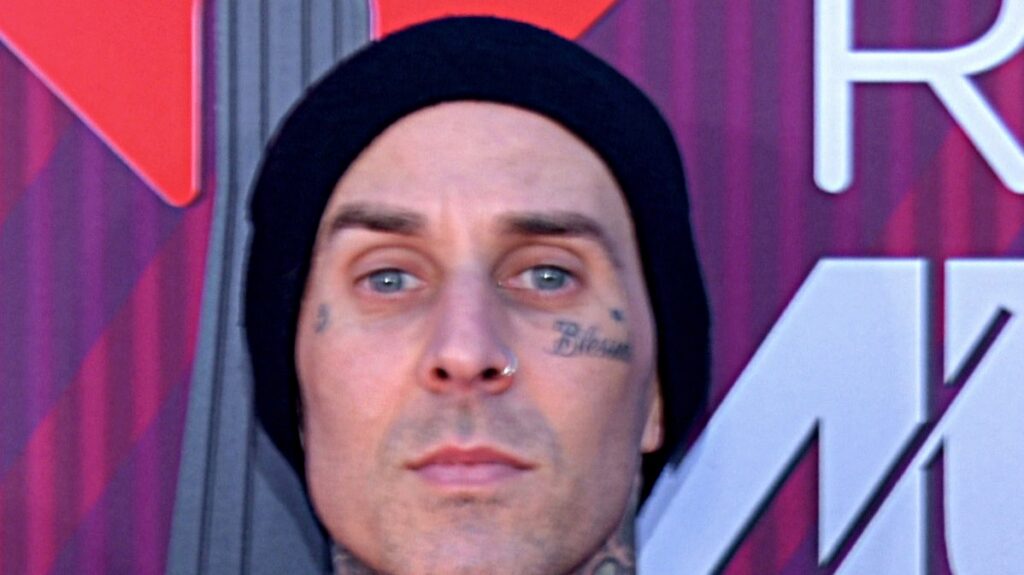
4 min read
Major Takeaways
- Travis Barker told Kid Cudi he once smoked 10 to 15 blunts every single day at his peak.
- A precancer diagnosis in his esophagus forced him to quit years ago, and he says he never would have stopped on his own.
- He survived the 2008 plane crash and spent six months in a burn center, the stretch that first pushed him toward sobriety.
- Running replaced smoking, and he credits a few miles a day with keeping him clear of pills, opioids and weed.
Some conversations feel bigger than the microphones in front of them. That is what happened when Travis Barker sat down with Kid Cudi on the newest episode of Big Bro with Kid Cudi, released Wednesday, November 11.
The blink-182 drummer opened up about addiction, survival and the health scare that forced him to put weed down for good.
It was not a new decision. Barker quit years ago. What felt new was how plainly he explained it, and who he explained it to.
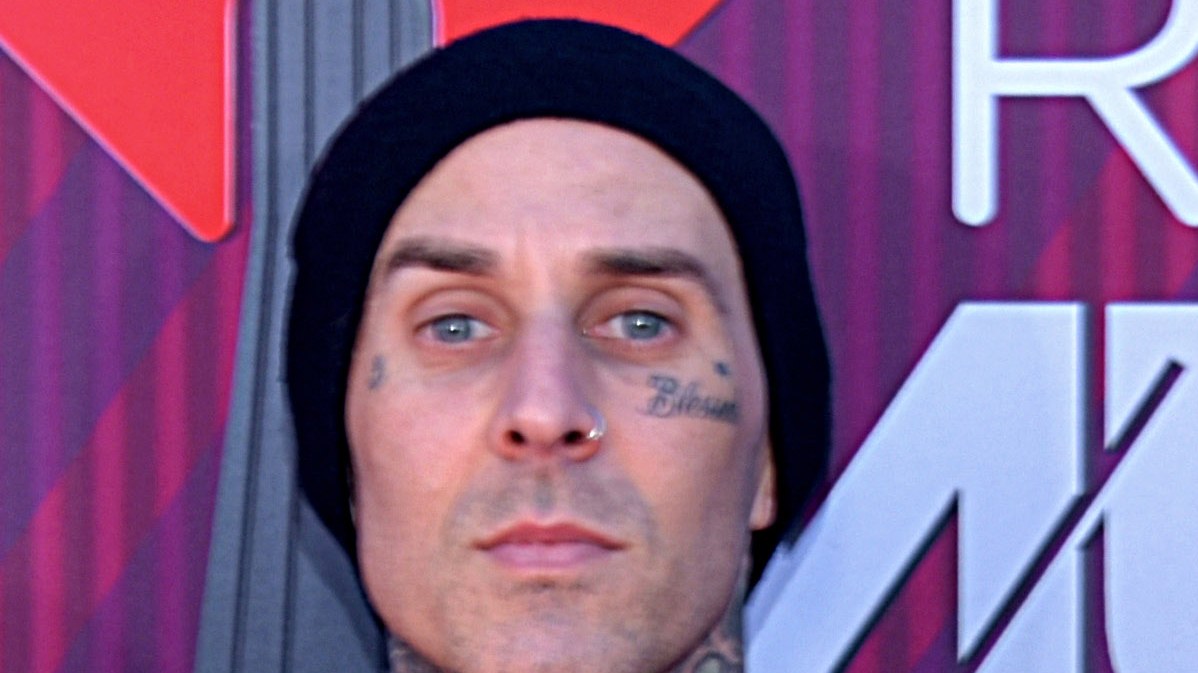
Ten to Fifteen Blunts a Day
Barker did not dress it up. At his peak he smoked 10 to 15 blunts a day.
Weed was not a weekend habit for him. It was stitched into daily life, the way he relaxed, the way he coped and the way he got through the road.
He fully expected it to stay that way forever. In his mind he was going to be like Willie Nelson, smoking until the day he died.
Travis Barker and the Warning Shot
“I only quit because I got diagnosed with precancer of the esophagus,” Barker said. “I loved blunts and I would smoke too much.”
Precancer is the warning stage before cancer. The cells have started to change, and the body is sending a signal that serious damage is on the way.
The warning itself came from a friend who is also a physician. Barker asked if the diagnosis was serious, and the doctor told him plainly: “This is your warning shot. Don’t mess around. You’ve got to stop smoking.”
Barker is honest about what that means. Without the diagnosis, he says he never would have quit at all. The scare did what willpower alone had not.


Sobriety Started in a Burn Center
Weed was not his first fight. Barker has long tied his sobriety to the 2008 plane crash that killed four people and left him with severe burns.
He spent six months in a burn center. He calls that stretch his wake up call, the place where life forced him to let go of prescription painkillers and opioids.
Getting clean under those circumstances would break most people. For Barker, surviving became the reason to stay clean.
Running Took the Place of Smoking
Ask him what replaced the blunts and the answer is simple. Running.
He says a couple miles a day keeps the demons away, and the habit grew bigger in his life than smoking ever was.
Running also helped him stay off painkillers. The miles gave his mind somewhere to go when the cravings showed up.
He does not pretend the urge vanished. He admits he still misses smoking and thinks about it all the time. He just refuses to go back.

Why This Conversation Matters
There is a reason guests open up around Cudi. He has spoken openly for years about addiction and depression in his own life, and he checked himself into rehab in 2016 rather than keep suffering in silence.
His music has always made room for loneliness and the work of staying alive, and Black fans have leaned on it through their own hard seasons.
That is why this exchange lands. Two famous men talked about addiction without shame, without a punchline and without pretending recovery is easy.
In our community, addiction is too often carried quietly. Conversations like this one give people language for what they are facing, at kitchen tables, in barbershops and in group chats.
The culture keeps making room for survival stories in public, from the Ebony Power 100 Gala honoring the biggest names in entertainment to Lil Kim marking thirty years of Hard Core. Endurance is part of the legacy now.
Barker, 50, is still behind the drums and still running. His story is not really about weed. It is about what it takes for a man to finally hear a warning and change before the warning runs out.