5 min read
Illinois has a new senator, and the United States Senate has a new majority.
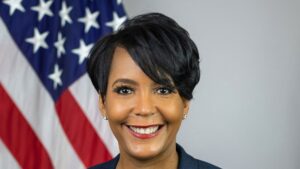
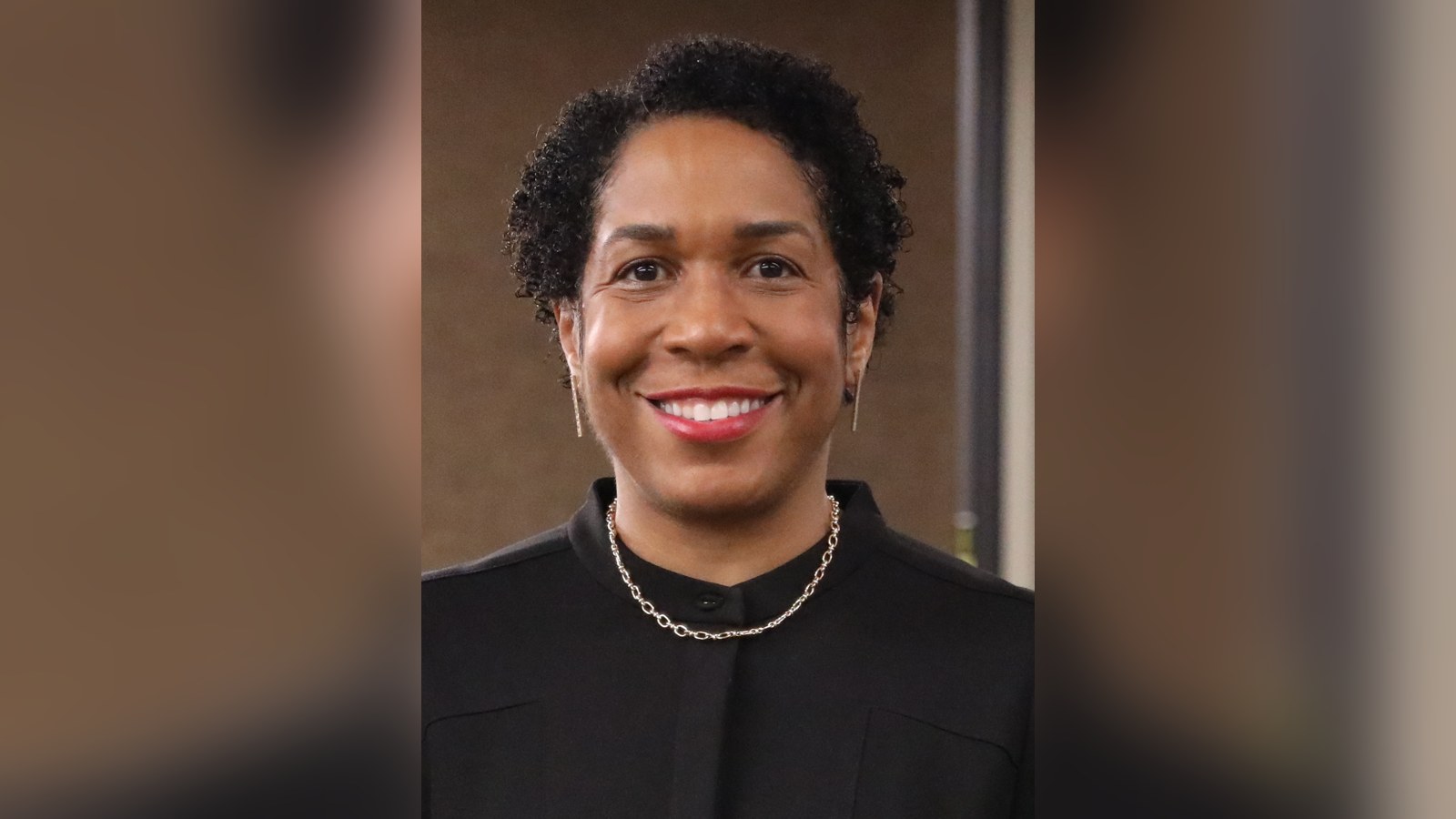
Juliana Stratton won the open United States Senate seat in Illinois on Tuesday night, defeating Republican Don Tracy in a race that was called as soon as the polls closed.
In the freshest count available on Wednesday morning, Stratton had 2,418,659 votes and about 61 percent of the vote.
Tracy had 1,487,039 votes, which left Stratton ahead by more than 900,000 votes with about 93 percent of the expected vote counted.
Major Takeaways
- Stratton succeeds Dick Durbin and becomes the sixth Black woman to serve in the United States Senate.
- Democratic winners flipped seven Senate seats that Republicans had held.
- Roy Cooper flipped North Carolina, and Sherrod Brown and James Talarico added flips in Ohio and Texas.
- Jon Ossoff, Chris Pappas, and Mark Warner protected seats that Democrats needed to hold.
- Senate control has been decided, with Democrats at 54 seats and Republicans at 44 and two races still counting.
A Win Years in the Making in Illinois
Stratton has served as lieutenant governor of Illinois since 2019.
She was elected alongside Governor JB Pritzker in 2018 and again in 2022.
Stratton defeated US Representatives Raja Krishnamoorthi and Robin Kelly for the Democratic nomination, with Pritzker backing her run after she had lagged in fundraising earlier in the contest.
She succeeds Senator Dick Durbin, who is retiring after holding the seat since 1997.
On election night, Stratton greeted supporters at a watch party on the South Side of Chicago, in the heart of Black Chicago.
The History Stratton Carries to Washington
When the new Senate term begins on January 3, 2027, Stratton becomes just the sixth Black woman to serve in the United States Senate.
She will be the second Black woman to represent Illinois in the chamber, following Carol Moseley Braun, who was elected in 1992.
Her arrival also sets a first for the institution itself.
For the first time in history, three Black women will serve in the Senate at the same time, with Stratton joining Lisa Blunt Rochester of Delaware and Angela Alsobrooks of Maryland.
For Black voters in Chicago and Cook County, the win places a Black woman from Illinois in rooms where judges are confirmed and funding for housing, health care, and public safety is decided.
The Flips That Moved the Senate
The biggest flip of the night for Democrats came in North Carolina.
Roy Cooper, who served two terms as governor, defeated Republican Michael Whatley and took the seat that retiring Republican Senator Thom Tillis is leaving behind.
It is the first time a Democrat has won a Senate seat in North Carolina since 2008, and it was the first flip called on election night.
In Texas, state Representative James Talarico defeated Attorney General Ken Paxton.
Talarico becomes the first Democrat elected to the Senate from Texas since 1988, and Black voters in Houston and Dallas are a central part of the coalition that carried him.
In Ohio, Sherrod Brown defeated Senator Jon Husted in a special election and returns to the chamber two years after losing his seat in the 2024 election.
In South Carolina, Annie Andrews defeated Darline Graham and flipped a seat in a state where Black voters are a large share of the electorate.
In Kansas, pastor Adam Hamilton defeated incumbent Senator Roger Marshall.
Kansas had not elected a Democrat to the Senate since 1932.
In Iowa, state Representative Josh Turek, a Paralympic basketball gold medalist, defeated Representative Ashley Hinson in the open seat left by retiring Senator Joni Ernst.
Democrats had not won a Senate seat in Iowa in 18 years, and the Iowa call is the one that pushed the party past 51 seats and into the majority.
In Maine, Troy Jackson defeated Senator Susan Collins, who had served nearly 30 years in the chamber.
Holds That Protected the Majority
In Georgia, Senator Jon Ossoff defeated Representative Mike Collins on a night when Black turnout in Georgia surged toward record levels.
In New Hampshire, Representative Chris Pappas defeated former Senator John E. Sununu and kept the seat in Democratic hands as Senator Jeanne Shaheen retires.
In Virginia, Senator Mark Warner won another term and held a seat that Republicans had targeted early in the cycle.
In Michigan, Abdul El-Sayed defeated Mike Rogers by about six points and held an open seat that both parties fought over all fall.
In Minnesota, Lieutenant Governor Peggy Flanagan defeated Michele Tafoya and succeeds retiring Senator Tina Smith.
Flanagan will be the first Native American woman to serve in the Senate.
The remaining called Democratic winners were John Hickenlooper in Colorado, Chris Coons in Delaware, Edward Markey in Massachusetts, Cory Booker in New Jersey, Ben Ray Luján in New Mexico, Jeff Merkley in Oregon, and Jack Reed in Rhode Island.
The Balance on Wednesday Morning
Two Senate races were still counting on Wednesday morning and are not wins for anyone yet.
In Mississippi, fewer than 50 votes separated Democrat Scott Colom and Republican Senator Cindy Hyde Smith with about 96 percent of the expected vote counted.
In Alaska, about 1,600 votes separated Republican Senator Dan Sullivan and Democratic challenger Mary Peltola with about 72 percent of the expected vote counted, and counting there will take more time.
Full results are posted on the UCP Election Tracker.
The balance of the chamber, though, is no longer in doubt.
Democrats hold 54 seats and Republicans hold 44 seats, with the final two seats still open.
Republicans entered the night holding the Senate by 53 seats to 47, so control of the chamber has changed hands and Senate control has been decided.
A Senate majority controls committee chairs, the floor schedule, and confirmation votes for judges and for officials across the executive branch.
For the communities Urban City Podcast covers, the work now turns to health care costs, housing, voting access, and public safety, and to whether the new Senate acts on the issues that brought Black voters to the polls.
Stratton takes her seat on January 3, and the first test of this new Senate will be how it uses the majority that voters built on Tuesday night.