7 min read
Major Takeaways
- Keisha Lance Bottoms became the first Black woman elected governor of a state, winning Georgia on Tuesday night.
- Aaron Ford unseated an incumbent in Nevada and will become the first Black governor west of the Mississippi River.
- Juliana Stratton won in Illinois, and three Black women will serve in the Senate at the same time for the first time.
- Democrats won both chambers of Congress, putting Hakeem Jeffries in line to become the first Black Speaker of the House.
Black candidates made history across the map on Tuesday night, winning races that had never been won by Black leaders before.
Governors offices, a Senate seat and control of Congress all turned on the same night.
By early Wednesday, Democrats had won both chambers of Congress. The final governor call of the night landed in Nevada shortly before dawn.
Bottoms Becomes the First Black Woman Governor in America
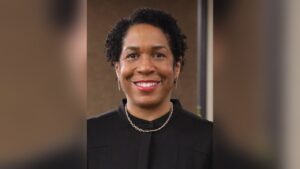
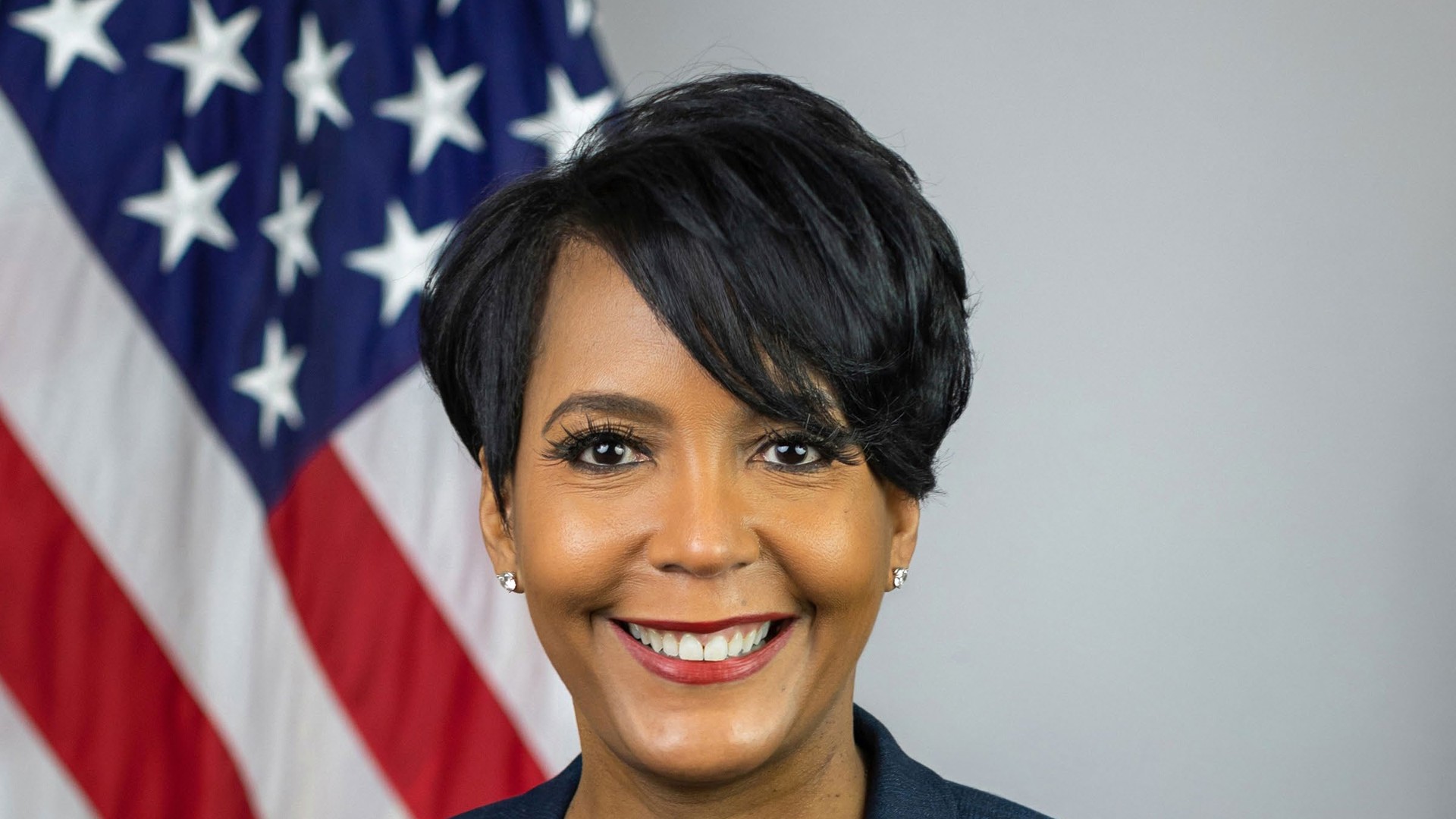
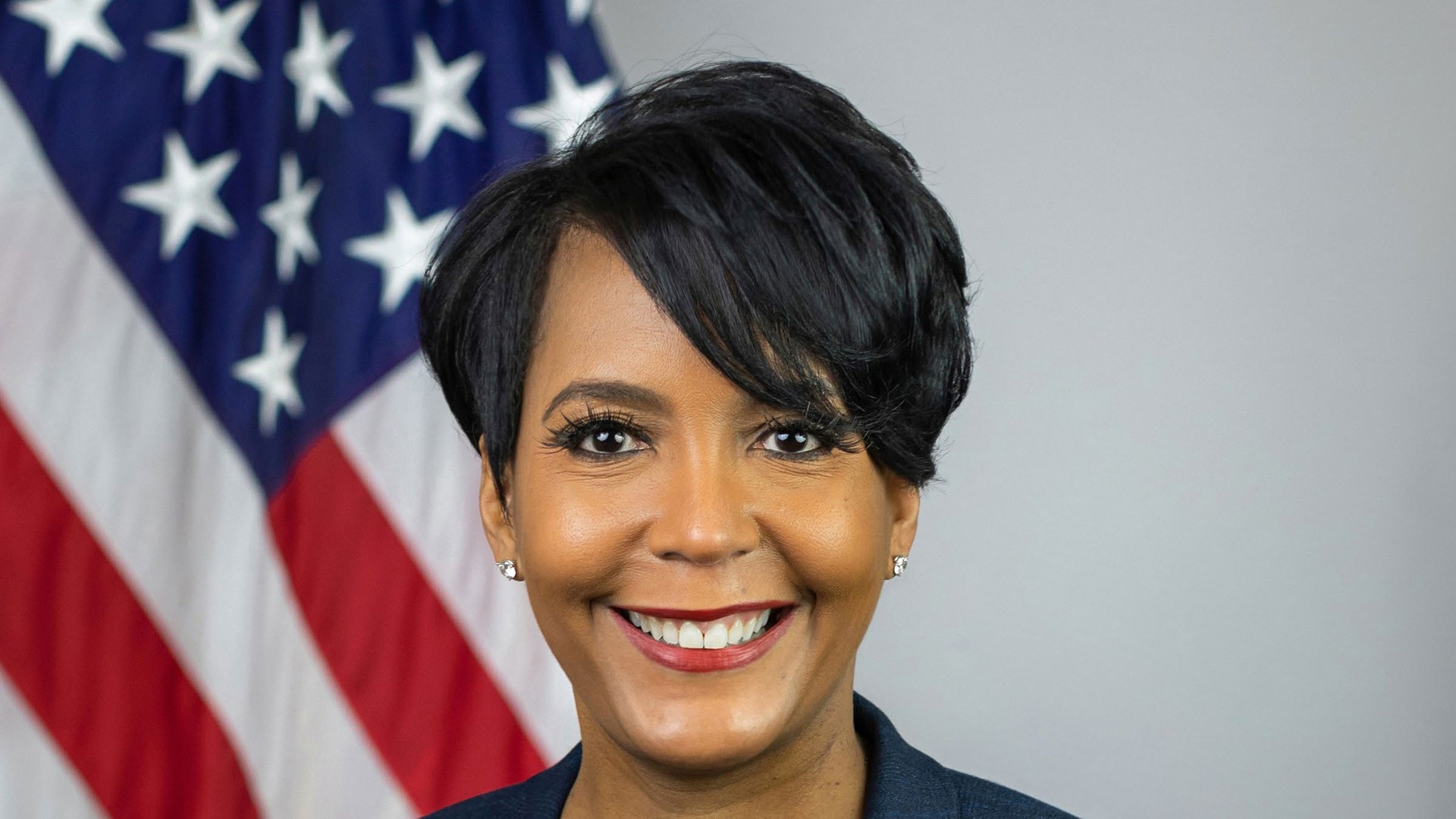
Keisha Lance Bottoms defeated Republican businessman Rick Jackson in Georgia.
She will be the first Black governor of Georgia and the first woman governor of Georgia.
Her win also makes her the first Black woman elected governor of any state in the nation.
Bottoms, 56, served as mayor of Atlanta from 2018 to 2022. She later served as a senior adviser in the Biden White House.
She won with about 54 percent of the vote. The result ended a Republican hold on the office that stretched back more than two decades.
Her campaign focused on affordability, Medicaid expansion, health care access and housing.
Her plan included property tax relief for homeowners. It also called for cutting the gas tax and letting local governments waive sales taxes on groceries.
National Urban League President Marc Morial said Bottoms had broken the glass ceiling. He called her win the top story of a night full of firsts.
Georgia Democrats had nominated a Black woman for governor three elections in a row.
Stacey Abrams ran in 2018 and lost to Brian Kemp by one percentage point. She ran again in 2022 and lost by seven points.
Bottoms will succeed Kemp, who could not run again. She takes office in January.
Ford Flips Nevada in the Last Call of the Night
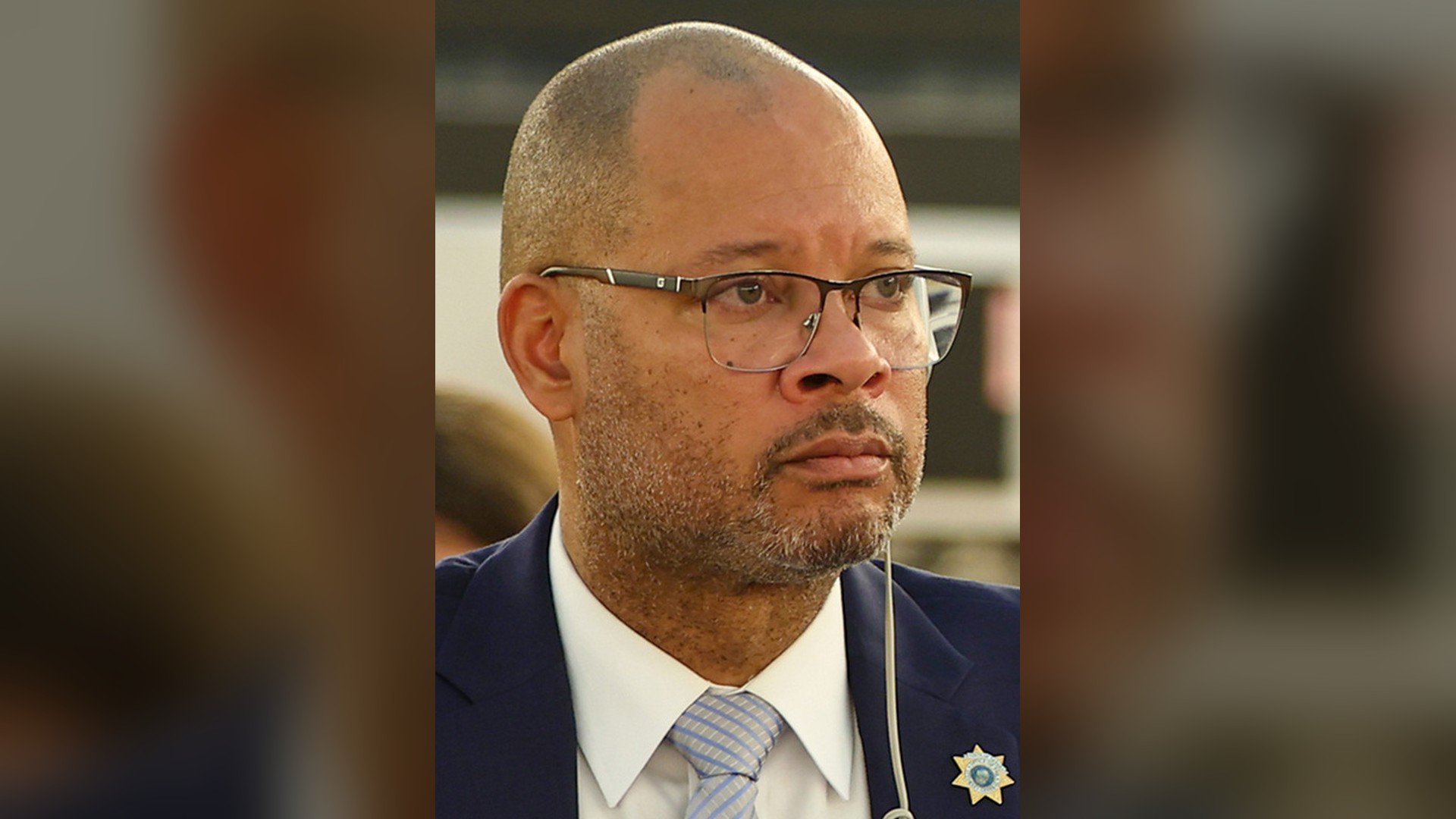
The last big call of the night came in Nevada, where Attorney General Aaron Ford unseated Republican Gov. Joe Lombardo.
The race was called early on Wednesday morning. With about 85 percent of the vote reported, Ford held 51.5 percent to 44.3 percent for Lombardo.
Ford, 54, has served as attorney general since 2019.
He will become the first Black governor of Nevada. He will also become the first Black governor of a state west of the Mississippi River.
Ford was previously the first Black Senate majority leader in Nevada. He was also the first Black attorney general in the state.
His campaign blamed Lombardo and President Donald Trump for high prices. Gas prices in Nevada stood at more than five dollars a gallon, and tourism had declined.
Ford pledged to revive bills that Lombardo vetoed. Those bills included limits on how many homes large corporations can buy.
Another bill would give the state power to adopt drug prices negotiated through Medicaid.
Stratton Sends Three Black Women to the Senate at Once
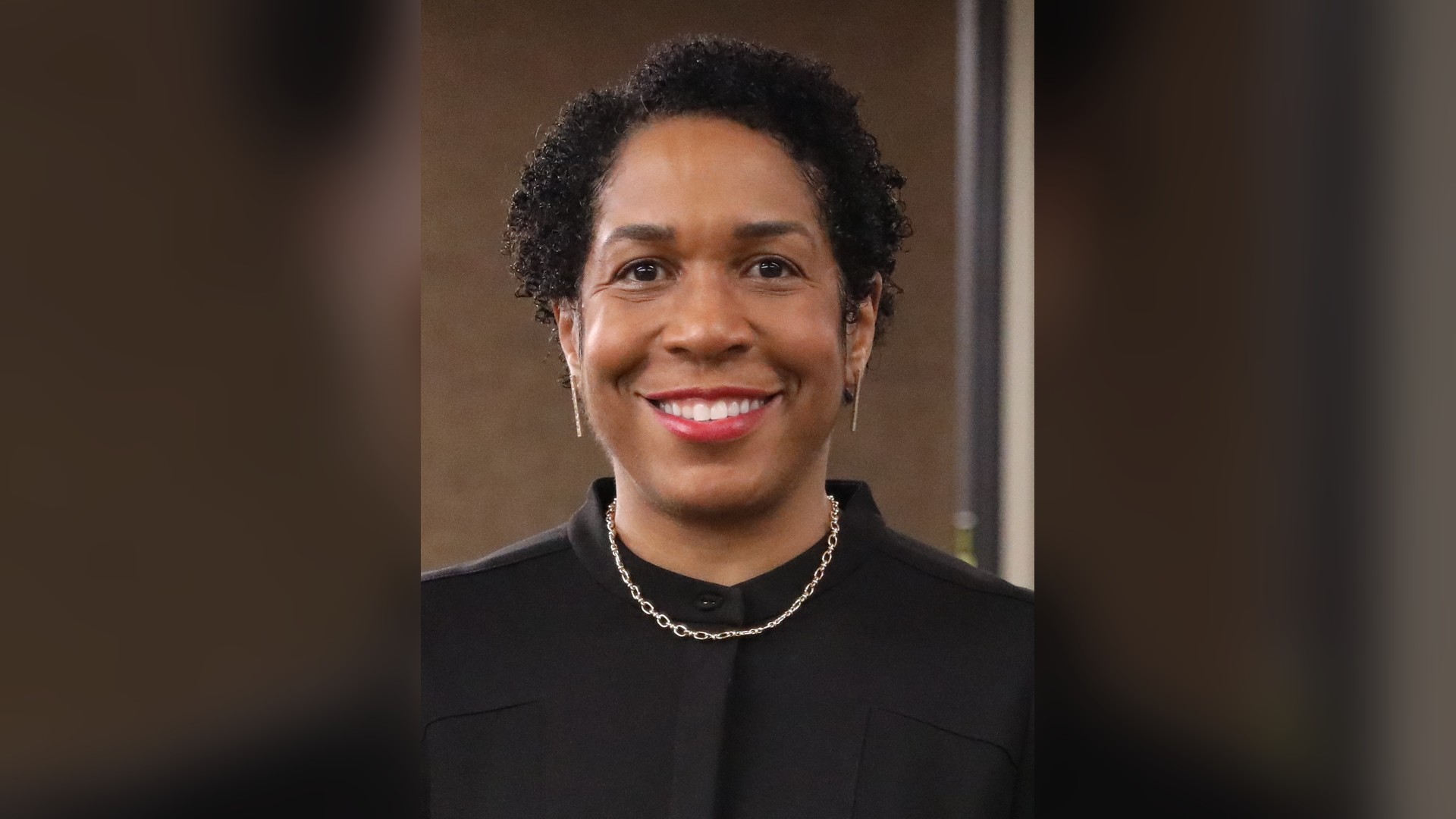
In Illinois, Lt. Gov. Juliana Stratton won the open Senate seat. She defeated Republican Don Tracy.
The race was called at 8 p.m. Eastern on Tuesday, soon after polls closed.
Stratton will succeed Sen. Dick Durbin, who is retiring after five terms in the chamber.
She has served eight years as lieutenant governor alongside Gov. JB Pritzker. Pritzker won a third term on Tuesday as well.
When Stratton is sworn in, three Black women will serve in the Senate at the same time. That has never happened before.
She will join Sen. Lisa Blunt Rochester of Delaware and Sen. Angela Alsobrooks of Maryland. Neither woman was on the ballot this year.
Stratton will be the sixth Black woman in Senate history. She will be only the second Black woman to represent Illinois there.
The first was Carol Moseley Braun, elected in 1992. Braun was the first Black woman ever to serve in the Senate.
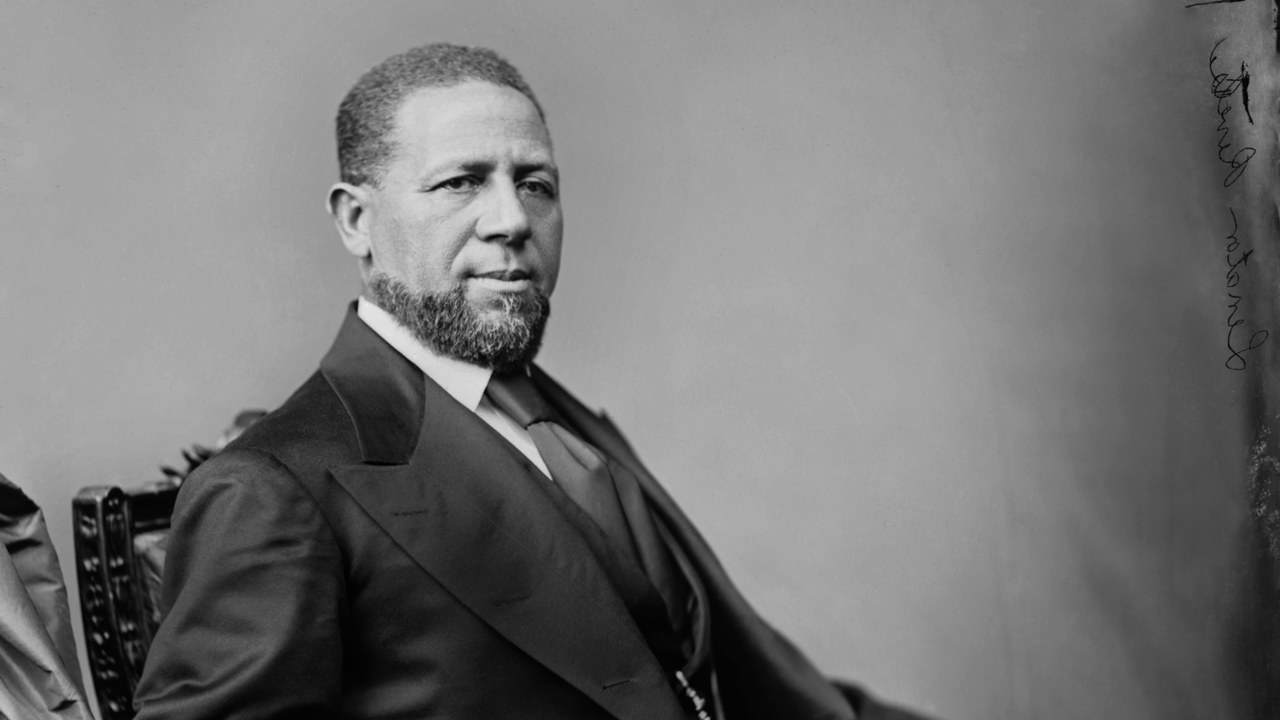
The Senate has seen this kind of first before. Hiram Revels of Mississippi became the first Black senator in 1870, and our Black History feature tells his story.
Stratton is set to take her seat on Jan. 3.
Jeffries Stands in Line to Lead the House
The Democratic wave also remade the House of Representatives.
Democrats won the House majority after four years of Republican control. That puts Rep. Hakeem Jeffries in line to become Speaker.
Jeffries would be the first Black Speaker in American history.
Jeffries, 56, represents a New York City district. He became House minority leader in 2022, the first Black lawmaker to lead either party in Congress.
As Speaker, he would stand second in line for the presidency, after Vice President JD Vance.
“Today begins the great American comeback,” Jeffries proclaimed in a victory speech late on Tuesday.
He pledged to push legislation reversing steep cuts to Medicaid. Those cuts were enacted into law on July 4, 2025.
The full House will vote for Speaker when the new Congress convenes on Jan. 3.
Black Candidates Make History on Both Sides of the Aisle
History also came from the Republican side in Florida.
Rep. Byron Donalds won the race for governor, defeating Democrat David Jolly.
Donalds will become the first Black governor of Florida. He is also the first Black Republican ever elected governor in the United States.
The race was close. With nearly all votes counted, Donalds held about 50 percent to about 49 percent for Jolly, a margin of roughly 112,000 votes.
Donalds, 48, will succeed Gov. Ron DeSantis, who could not run again.
Before Tuesday, only three Black governors had ever been elected in the United States, all of them Democratic men. Eight Black candidates stood as major party nominees for governor on this ballot.
In one night, voters in Georgia, Nevada and Florida each elected a Black governor for the first time.
Mississippi Still Counts as the Nation Watches
One race remained open on Wednesday morning, and it sits in the heart of the Black South.
In Mississippi, Democrat Scott Colom led Republican Sen. Cindy Hyde Smith by just 43 votes. The count stood at 462,821 votes to 462,778 with about 96 percent of ballots counted.
Independent Ty Pinkins held about two percent of the vote.
Thousands of affidavit ballots still must be reviewed across the state. Mississippi also allows five business days for absentee ballots to arrive.
There is no runoff in this race. The candidate with the most votes wins the seat, and the tiny margin makes a recount likely.
Colom, a district attorney, closed the gap late. Returns from Hinds County and majority Black counties in the Delta and Southwest Mississippi arrived late in the evening.
If his lead holds, Colom would be the first Democrat to win a Senate race in Mississippi since 1982.
Readers can follow every remaining count on our Election Tracker as Mississippi finishes its count.
What This Night Means for Black America
Black voters were called the backbone of one party for generations. On Tuesday, Black candidates did not just deliver votes for others. They won the offices themselves.
The Senate will seat three Black women at once. Three states will swear in a Black governor for the first time.
Georgia will swear in the first Black woman governor in American history. A Black lawmaker also stands ready to hold the Speaker gavel.
That gavel controls what the House votes on. It also decides what never reaches the floor.
Power like this shapes daily life. Governors sign or block laws on voting, health care, housing and schools.
Senators confirm judges who will rule for decades. Speakers decide which bills live and which ones die.
The counting is not finished everywhere, and January will test every promise made on the trail.
For more coverage of this historic week, visit our News section and follow the races still being counted.