8 min read
Major Takeaways
The State Board of Elections voted unanimously on Tuesday afternoon to extend North Carolina voting at five precincts in four counties.
The longest extension runs in Tabor City, where one precinct stays open 45 extra minutes, until 8:15 p.m.
No county anywhere in the state can post results until every extended precinct has closed, so the whole state waits until 8:15 p.m.
The delays began with morning computer problems, printer jams, a late opening and laptop trouble, mostly in the eastern part of the state.
North Carolina voting will run later than planned in parts of the east on Election Day. State officials stepped in on Tuesday afternoon to give voters in four counties the time that morning glitches took away.
The decision came out of an emergency meeting that began at 2 p.m. in Raleigh. Board members heard reports from seven counties before voting on each affected precinct.
For voters in Kinston, Wilson, Murfreesboro, Como and Tabor City, the ruling is simple. Your precinct stays open longer tonight, and your ballot still counts.
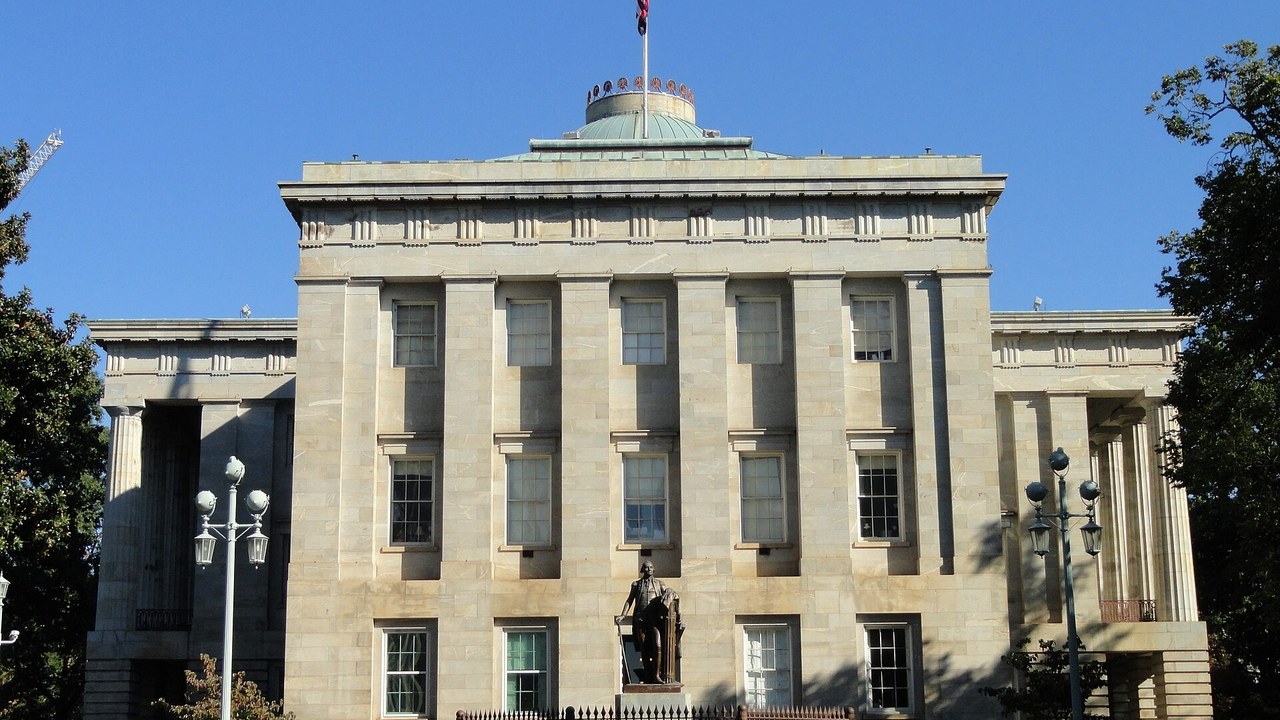
North Carolina voting hours extended at five precincts
In Columbus County, voting at one Tabor City precinct will run 45 minutes long, until 8:15 p.m. That is the latest close anywhere in the state tonight.
In Lenoir County, one Kinston precinct at the Holloway Recreation Center will stay open 30 extra minutes, until 8 p.m.
In Hertford County, a Murfreesboro precinct will stay open 30 extra minutes, until 8 p.m. A Como precinct will stay open 25 extra minutes, until 7:55 p.m.
In Wilson County, one precinct will stay open 15 extra minutes, until 7:45 p.m. Every one of the votes was unanimous.
The board considered three more counties and chose not to extend hours there. Those counties are Gates County, Watauga County and Wilkes County.
One rule matters for anyone who arrives late at an extended precinct. Voters in line by the normal 7:30 p.m. close cast a regular ballot.
Anyone who arrives after 7:30 p.m. at an extended precinct casts a provisional ballot. That ballot follows the provisional process before it is counted.
Morning glitches hit eastern North Carolina first
The trouble started early. Officials reported minor voting delays on Tuesday morning at polling sites in Hertford, Gates, Wilson and Lenoir counties.
Officials blamed computer problems and printer jams for those first delays. The problems were later resolved, but the lost time stayed lost.
As the day went on, the list of disruptions grew. Reports before the board ranged from a building being opened late to a disruptive voter and laptop problems.
In Lenoir County, the delay traced back to printers at the Kinston precinct. In Wilson County, equipment trouble hit at the start of voting.
In Hertford County, computer issues touched several sites. One site lost more than 15 minutes, which is the mark that lets the state board act.
State law lets the board extend voting at a precinct when voting is interrupted for at least 15 minutes. The extension is meant to match the time that voters lost.
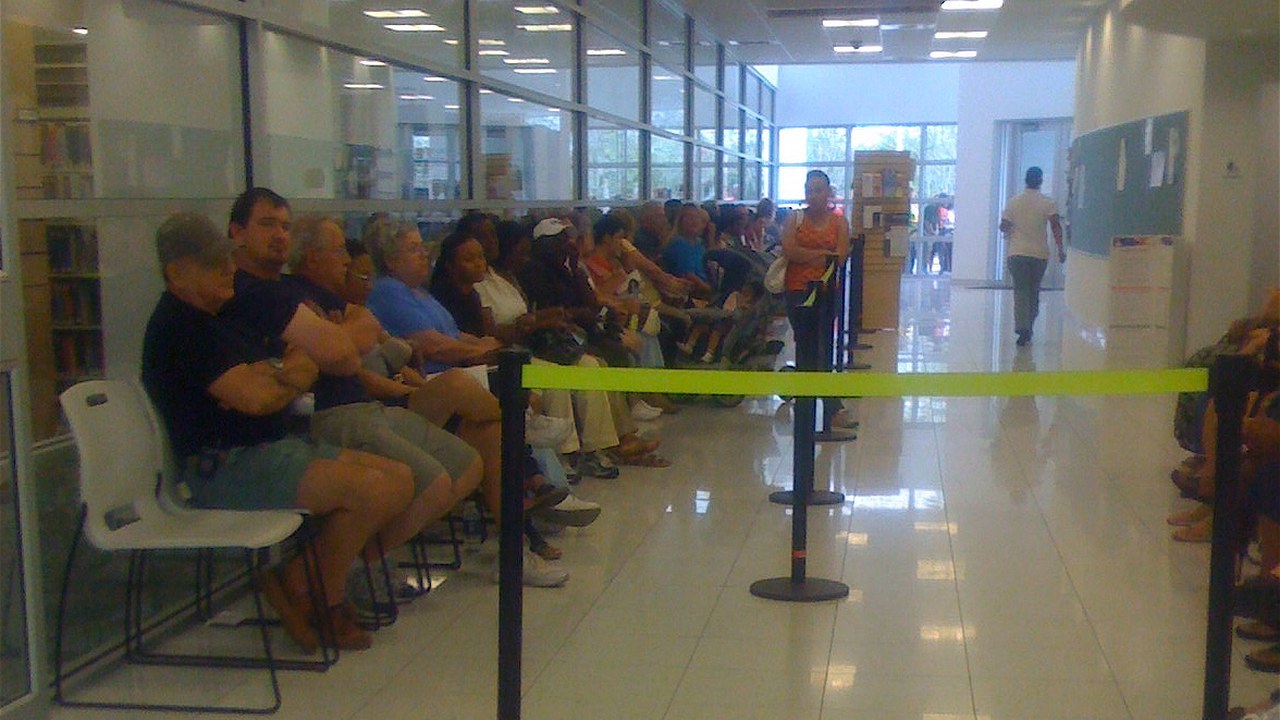
State Board of Elections Director Sam Hayes addressed the delays earlier in the day. He said, “We want every eligible voter to have the opportunity to participate, and we want every lawful vote to count.”
Hayes also addressed the federal election monitors posted outside polling sites in Wake, Mecklenburg and Alamance counties. He said two monitors are stationed in each county and are there only to observe.
Why this lands hard in the Black Belt of the east
The counties at the center of this story sit in eastern North Carolina. Black families have lived, worked, worshiped and organized in these communities for generations.
Kinston, Wilson, Murfreesboro and Como are not abstractions on a map. They are towns where the polling place might be a school gym or a recreation center that everybody knows.
A lost hour in the morning does not land the same on every voter. It lands hardest on the voter who votes before a shift, or between two jobs, or with a child in the car.
When a printer jams at opening time, that voter may have to leave and try again after work. The evening extension is the second chance that makes the first trip right.
Black churches and civic groups across the east have spent this season doing the quiet work of democracy. Rides were offered, doors were knocked on, and sample ballots were passed hand to hand.
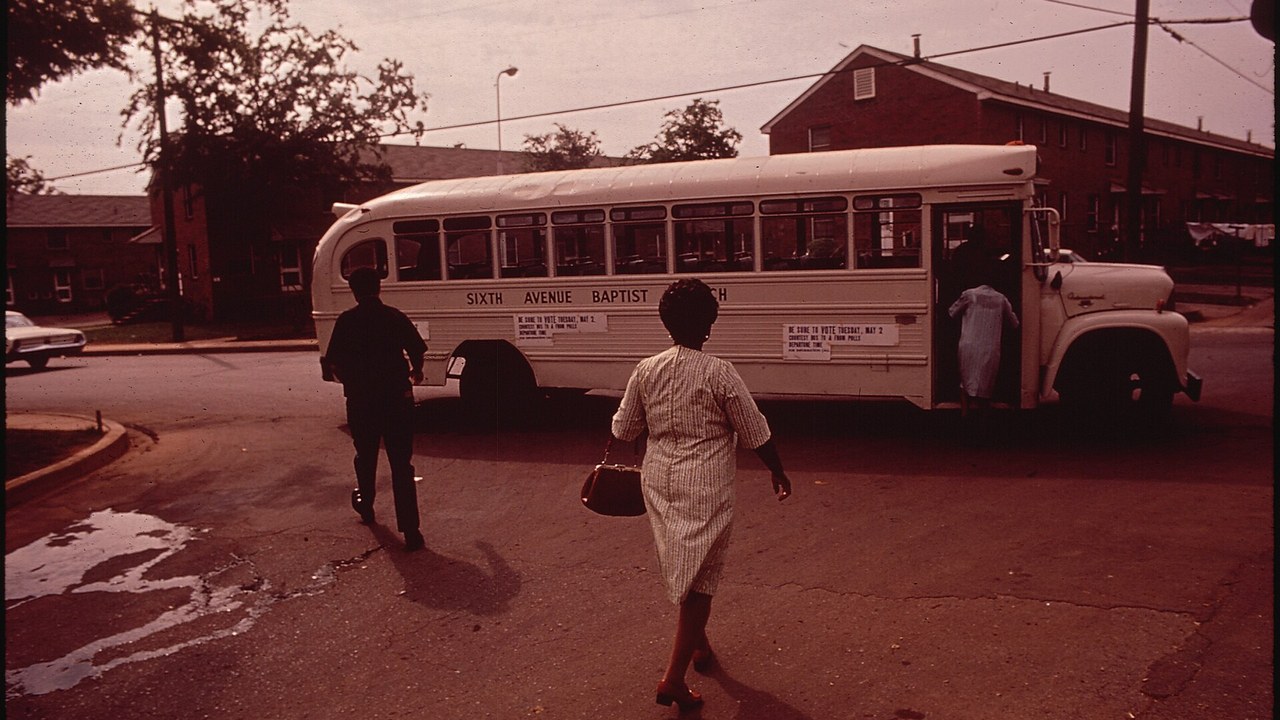
That history is why an extension ruling matters beyond its minutes. Every lawful vote counting is not a slogan in the east. It is the whole point of showing up.
It is also why voters should not leave a line tonight because a screen went dark this morning. The board has already ruled that the lost time gets given back.
No results anywhere in the state until 8:15 p.m.
The extensions ripple far beyond the five precincts. No North Carolina county can post any results until voting ends at every extended precinct.
Counties can keep counting ballots in the meantime. They simply cannot release numbers until the last extended precinct closes at 8:15 p.m.
Under the normal schedule, results would begin flowing soon after the 7:30 p.m. close. Ballots cast by mail and early voting totals usually post first, with Election Day precinct results following into the night.
Tonight that whole sequence shifts by 45 minutes. Anyone watching the statewide board should expect the first numbers at 8:15 p.m. at the earliest.
Our UCP Election Tracker is following the races that matter most tonight, including the Mississippi Senate contest. North Carolina numbers will join the board once the state begins posting.
A close Senate race waits on the count
North Carolina voters are deciding one of the most watched Senate races in the country. The seat is open because Senator Thom Tillis chose not to run again.
Democrat Roy Cooper and Republican Michael Whatley lead a ballot that also includes Green Party candidate Michael Dublin and Libertarian Shannon Bray.
A recent East Carolina University poll of the race, taken October 26 to 29, put Cooper ahead of Whatley 54 to 45. Forecasters have rated Cooper the favorite since the summer.
The race sits alongside state legislative seats, local offices and three proposed amendments to the state constitution. One amendment would require every voter, including voters who cast ballots by mail, to show photo identification.
Turnout was already running hot before Election Day. Nearly 2.82 million North Carolinians voted early this year, about 40 percent more than the 2,010,355 who voted early in 2022.
Of those early ballots, 38.4 percent came from registered Democrats and 26.1 percent from registered Republicans. Unaffiliated voters and voters in other parties cast 35.5 percent.
Black voters are a central part of that turnout story across the South this year. Read our Election Day look at the historic firsts for Black candidates on ballots nationwide.
What voters in the affected precincts should do tonight
If your precinct is one of the five extended sites, go and vote. Polls at those sites close at 7:45, 7:55, 8:00 or 8:15 p.m., depending on your precinct.
If you are in line by 7:30 p.m., stay in line and cast a regular ballot. If you arrive after 7:30 p.m., you will cast a provisional ballot, and poll workers can explain the steps that follow.
Voters who cast a provisional ballot can check its status about 10 days after the election with the state provisional search tool. A provisional ballot is not a wasted trip to the polls.
Everyone else in North Carolina votes on the normal schedule, with polls closing at 7:30 p.m. Anyone in line at that time anywhere in the state can still vote.
Follow the rest of our Election Day coverage in the UCP News section as results begin to post tonight. The east waited this morning, and tonight the east gets its full say.