

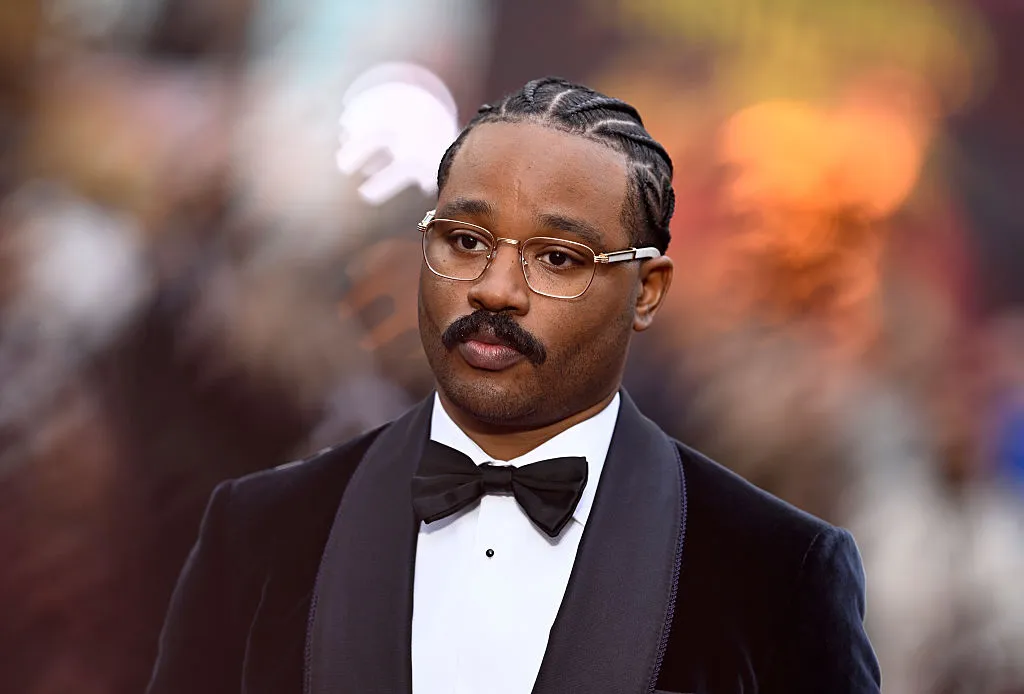
Major Takeaways
Ryan Coogler redefined how Black stories are told in Hollywood.
His films center Black culture with authenticity and pride.
He builds pipelines for future Black filmmakers.
From Oakland to Wakanda, Ryan Coogler Rewrote Hollywood
Thaddeus Myles here, family welcome back to Urban City’s Black Agenda, where we don’t just talk about Black history, we put respect on the people who are building it right now. Today is Day 12, and we’re stepping into modern Black greatness with a man who changed how the entire world sees Black storytelling.
We’re talking about Ryan Coogler.
Now listen… Hollywood has always loved our culture but struggled to respect our voices. They’ll borrow the music, steal the slang, copy the fashion, but when it comes to letting Black people tell Black stories at the highest level? Suddenly everybody gets nervous.
Ryan Coogler walked into that fear and flipped it upside down.
Born and raised in Oakland, California, Coogler didn’t grow up dreaming of red carpets and box office records. He grew up watching his community struggle violence, police brutality, systemic neglect and he knew those stories weren’t being told the right way. Not by Hollywood. Not by mainstream media. And definitely not with any kind of depth or dignity.
So he decided to tell them himself.
His first major film, Fruitvale Station, told the story of Oscar Grant, a young Black man killed by police in 2009. It wasn’t sensational. It wasn’t exploitative. It was human. It forced audiences to sit with the reality that behind every headline is a life, a family, and a community grieving.
Hollywood noticed.
Then came Creed a film that didn’t just revive the Rocky franchise, it passed the torch to a new generation of Black excellence. Michael B. Jordan’s Adonis Creed wasn’t a sidekick. He wasn’t a stereotype. He was a fully realized Black man carrying legacy, ambition, and vulnerability all at once.
And then…
Black Panther.
Let’s just be honest. Black Panther didn’t just break box office records it broke mental barriers. It gave us Wakanda. It gave us African excellence. It gave us Black scientists, Black warriors, Black kings, Black queens and not as side characters. As the center of the universe.
And Ryan Coogler made sure it was done with authenticity, respect, and cultural pride.
He hired Black designers. Black historians. African consultants. Black writers. He didn’t let Hollywood flatten African culture into something generic. He honored it.
And the result? A billion-dollar movie that made Black kids around the world look at themselves differently. That made elders tear up. That made entire communities feel seen.
That’s not entertainment that’s impact.
And what makes Ryan Coogler so powerful is that he didn’t let success change his mission. He didn’t become distant. He didn’t sell out. He used his platform to amplify other Black creators, to build pipelines, to make sure the next generation doesn’t have to beg for opportunity.
He produces films by and for Black voices. He mentors young filmmakers. He insists on ownership and creative control. And in an industry that loves to dilute Blackness, Ryan Coogler keeps it unapologetically centered.
He understands something important:
Representation without power is decoration.
But representation with ownership? That’s revolution.
Ryan Coogler isn’t just making movies.
He’s building a Black cinematic universe in real life.
So today, Day 12 of Urban City’s Black Agenda, we honor Ryan Coogler the Visionary Force who changed Black cinema and gave the culture a mirror that finally reflects us the right way.
I’m Thaddeus Myles, and you already know keep it locked to urbancitypodcast.com and the Urban City Podcast app all month long for Urban City Podcast’s Black Agenda, powered by 4AM Roastery at 4amroastery.com.