

Major Takeaways
Jay-Z transformed hip-hop into a business empire.
He prioritized ownership and intellectual property.
His influence extends across music, sports, and finance.
From Marcy Projects to Mogul, Jay-Z Built a Blueprint for Black Ownership.
Thaddeus Myles here, family welcome back to Urban City’s Black Agenda, where we don’t just talk about success, we talk about how it was built. Today is Day 13, and we’re stepping into a story that proves something Black folks have always known: talent gets you in the door, but ownership keeps you in the building.
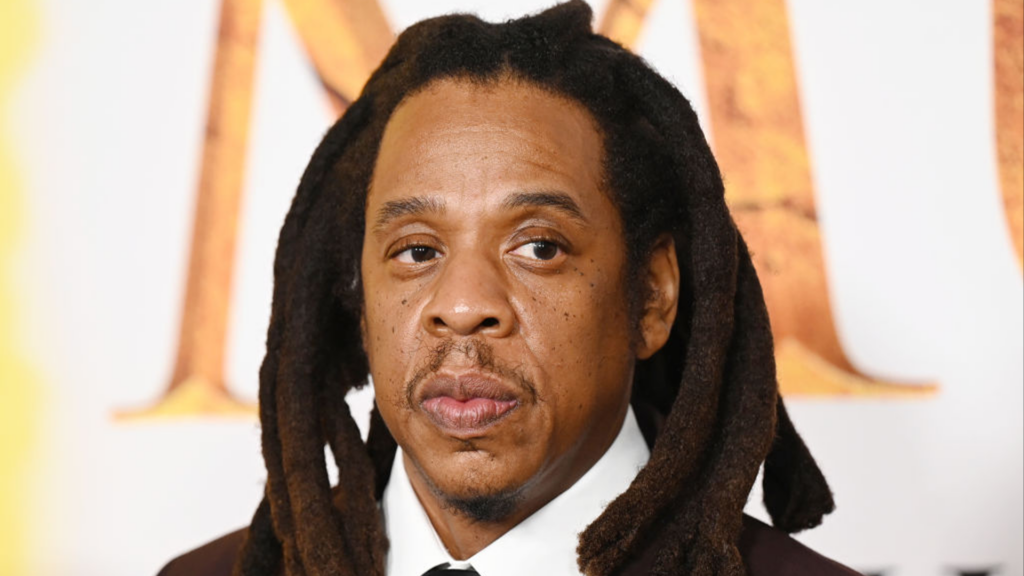
We’re talking about Jay-Z.
Before the billionaire headlines, before the art collections, before the Super Bowl deals and boardroom seats, Shawn Carter was a kid from the Marcy Projects in Brooklyn. Hustling to survive. Watching his environment. Learning the rules of a game that wasn’t designed for him to win.
And instead of letting that environment define him, he studied it. He observed it. And eventually, he flipped it.
Jay-Z came up in an era when record labels made money off Black artists while keeping them broke. They owned the masters. They controlled the marketing. They dictated the contracts. Jay saw that trap early and he refused to fall into it.
So he did something revolutionary.
He built his own label.
Roc-A-Fella Records wasn’t just a music company it was a declaration. Jay-Z, Damon Dash, and Kareem Biggs said, “If they won’t invest in us, we’ll invest in ourselves.” And that independence allowed Jay-Z to own his music, his image, and his future.
From there, his career exploded. Albums. Tours. Awards. Influence. But Jay never lost sight of the bigger picture: music was the engine, but ownership was the destination.
So he expanded.
Clothing line: Rocawear
Sports management: Roc Nation Sports
Streaming: Tidal
Alcohol brands. Art. Real estate. Tech investments. Film. Activism.
Every move was strategic.
Jay-Z wasn’t just stacking money he was stacking leverage.
And when he became hip-hop’s first billionaire, it wasn’t just about the number. It was about what that number represented: a Black man who owned his intellectual property, his companies, and his narrative.
He also used that power to speak truth.
He addressed mass incarceration. Police brutality. Economic inequality. And when the NFL tried to use Black culture without respecting Black people, Jay-Z stepped in not as a mascot, but as a partner forcing conversations about reform, equity, and representation at the highest levels of American sports.
Love him or criticize him, one thing is undeniable:
Jay-Z changed the rules.
He showed young Black artists that you don’t have to sign your soul for success.
He showed entrepreneurs that you don’t have to ask permission to build empires.
He showed the culture that hip-hop isn’t just music it’s an economic engine.
And that’s why Jay-Z matters beyond the charts.
Because he turned the mic into a master key.
So today, Day 13 of Urban City’s Black Agenda, we honor Jay-Z the Empire Builder who turned hip-hop into power and ownership into legacy.
I’m Thaddeus Myles, and you already know keep it locked to urbancitypodcast.com and the Urban City Podcast app all month long for Urban City Podcast’s Black Agenda, powered by 4AM Roastery at 4amroastery.com.