


Major Takeaways
McDonald’s is being sued over claims that the McRib name and shape misled consumers about the type of meat being sold.
The lawsuit argues that branding and visual design influenced purchasing decisions, not just ingredients.
If successful, this case could force changes in how fast food companies name and market their products.
How the McDonald’s McRib lawsuit is shaking up fast food, consumer trust, and what America really thinks it is buying
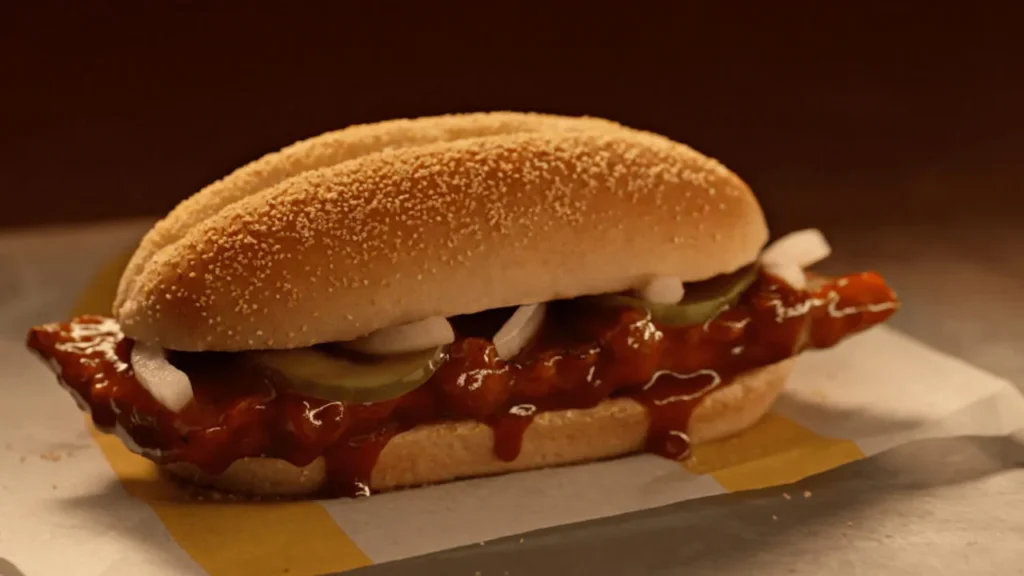
McDonald’s is facing a proposed class action lawsuit over one of its most iconic and controversial menu items, the McRib. The lawsuit argues that the sandwich’s name and its distinctive rib shaped pork patty mislead customers into believing they are buying rib meat, when in reality the product is made from boneless pork that is formed and molded to look like ribs. In plain terms, the people suing say McDonald’s used the power of suggestion to sell something that is not what many consumers thought it was.
The case was filed in federal court in Chicago and is seeking to be recognized as a class action, meaning it would represent not just a few individuals but potentially millions of people across the country who bought McRibs over the years. The plaintiffs come from several states, which is typical in consumer lawsuits that aim to challenge nationwide marketing practices.
At the heart of the lawsuit is a simple question that is more powerful than it sounds. When a customer sees the word McRib and looks at a patty shaped like ribs, are they being led to believe the sandwich is made from rib meat. The plaintiffs say yes. They argue that rib meat is widely understood as a specific and more desirable cut of pork, and that McDonald’s knowingly took advantage of that perception.
The lawsuit claims that the McRib is not made from pork ribs but instead from processed pork that is shaped and pressed into a rib like form. According to the complaint, this makes the marketing deceptive because customers are paying for what they believe is rib meat when they are actually getting a different type of pork product. The visual design of the patty is a major part of the argument. Those ridges that look like rib bones are not accidental, according to the plaintiffs, but are meant to reinforce the illusion that the meat comes from ribs.
McDonald’s, for its part, says the lawsuit twists reality. The company maintains that the McRib is made from one hundred percent pork and that it has never claimed the sandwich contains actual rib meat. McDonald’s points to its menu descriptions, which describe the McRib as seasoned boneless pork served with barbecue sauce, onions, and pickles on a bun. In their view, they have been clear about what the product is, and any assumptions customers made about ribs are not the company’s responsibility.
This legal battle is not really about whether the McRib tastes good or bad. It is about whether the branding crosses the line into misleading advertising. Consumer protection laws exist to stop companies from using names, images, and packaging that cause people to misunderstand what they are buying. The plaintiffs argue that McDonald’s crossed that line by using the word rib and by shaping the patty to look like a rack of ribs.
If the court agrees with the plaintiffs, the consequences could go far beyond a few refunds. The lawsuit is asking for financial damages for customers who feel they were misled, but it is also asking for changes in how McDonald’s markets and labels the McRib going forward. That could mean new wording, new images, or even a different name for the sandwich.
This case also fits into a much bigger trend. Across the food industry, companies are being sued over everything from the size of shrimp in shrimp dishes to how much fruit is really in fruit flavored products. Courts are increasingly being asked to decide whether everyday marketing language is fair game or a form of deception.
Big corporations have long relied on flashy branding to move massive amounts of product, especially in communities where fast food is a staple. The McRib has been marketed for decades as a special, almost legendary item that comes and goes, creating hype every time it returns. Now that hype is being tested in court.
Right now, the case is still in its early stages. A judge will first decide whether it can move forward and whether it can be treated as a class action. McDonald’s is expected to try to have the case dismissed, arguing that no reasonable customer would think the McRib is made from actual rib meat. If the case survives, it could drag on for months or even years, or it could end in a settlement.
The bottom line is simple. This lawsuit is not about a sandwich. It is about whether one of the most powerful fast food brands in the world used a name and a shape to sell a story that was not fully true. And if the court says that story crossed the line, it could force changes not just at McDonald’s, but across the entire fast food industry.