


Major Takeaways
The 12 billion dollar farm bailout offers short term relief but fails to address long term problems like unstable crop prices, shrinking export markets, and rising operating costs.
Small and midsize farmers remain at risk, as the structure of federal aid often favors large corporate operations and accelerates consolidation in American agriculture.
Without stable trade policies and sustained international demand, the bailout serves as a temporary bridge rather than a lasting fix for the ongoing rural crisis.
Bold Realities Behind Trump’s $12 Billion Farm Bailout and the Crisis in American Agriculture
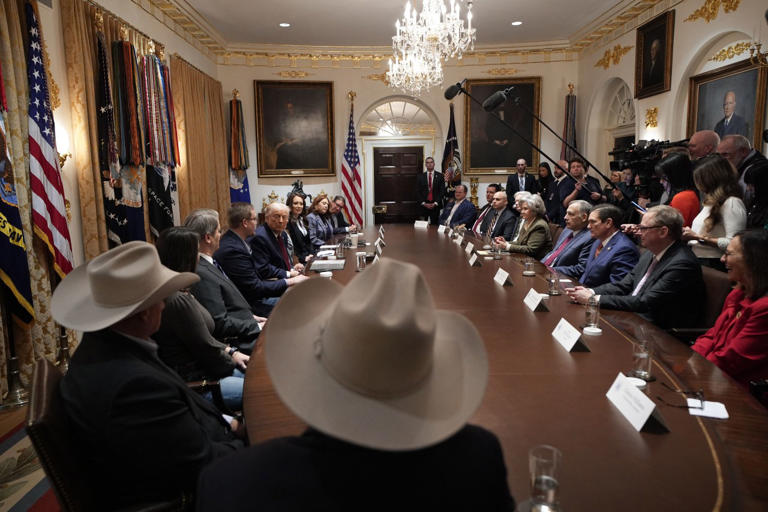
President Donald Trump has unveiled a 12 billion dollar bailout package aimed at rescuing American farmers who have been hit hard by falling crop prices, higher production costs, and shrinking export markets. The administration is calling it a bridge payment, designed to carry farmers through an economic storm created by unstable markets and intensifying trade pressures. The plan brings together federal officials and key voices in the agricultural world, signaling just how urgent the situation has become.
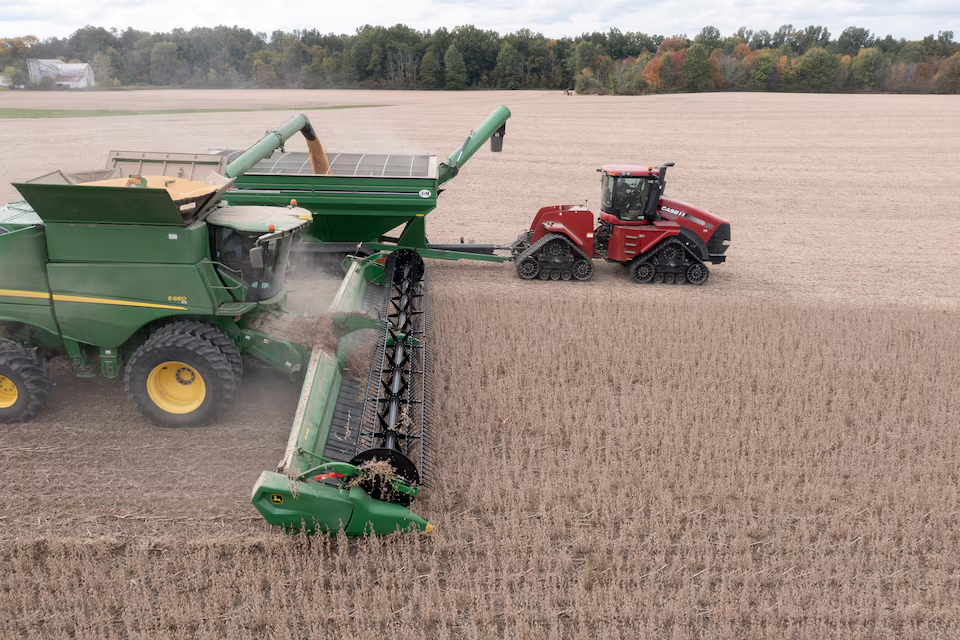
The bailout includes 11 billion dollars targeted toward row crop farmers, meaning those who produce major crops such as soybeans, corn, wheat, cotton, and rice. These are the farmers most affected by price drops and export declines. The final billion dollars is set aside for fruit and vegetable growers and those in the specialty crop sector. While this sounds inclusive on paper, the details of eligibility and what specialty growers will actually receive have not been clearly spelled out.
The administration says these payments will be one time assistance and that farmers will need to meet certain income requirements to qualify. Payment size will depend on acreage, recent production numbers, and verified losses connected to the current economic challenges. Officials say the funds will come from tariff revenues and other federal programs already available through the agriculture department.
So why are farmers hurting so badly that the federal government is stepping in with billions of dollars Rather than one single issue, it is a combination of forces hitting at the same time. Many farmers have been dealing with declining crop prices for several seasons as global oversupply meets weaker international demand. On top of that, key export markets have cooled dramatically, especially countries that once purchased massive amounts of American soybeans and grain. These slowed exports mean an already crowded domestic market becomes even more packed, pushing prices down further.
Farmers also face rising costs that eat into already thin margins. Equipment, irrigation systems, fuel, fertilizer, seed, and repairs have all become more expensive. When your selling prices are low but everything you need to grow the product keeps going up, the math stops working. Agriculture is not a business where you can simply pivot overnight, and many growers are carrying debt from previous seasons where weather or prices worked against them.
Supporters of the bailout argue the money is necessary and overdue. Several farmer organizations say their members cannot continue operating without immediate relief. They argue that the package is a sign that Washington finally acknowledges the severity of the crisis. Some groups have called the aid a lifeline, especially for soybean growers who have been hit from every direction with price drops, export losses, and cost increases. Others describe the bailout as a step toward restoring stability in a sector that feeds the entire nation.
But not everyone is celebrating. Critics point to a long history of federal aid flowing overwhelmingly to very large operations while small and midsize farms receive far less support. They warn that this new round of assistance will likely follow the same pattern, strengthening mega farms while doing little to keep small family operations alive. This trend has been happening for decades as agriculture becomes more consolidated and less accessible for smaller growers and first generation farmers.
Another concern is that the bailout does nothing to fix the deeper problems. Many farmers say they do not want government checks, they want stable markets where they can sell their crops at a fair price. One time payments may keep farms operating for a few months, but they do not help farmers plan for next year or the years after. The underlying issues such as global market instability, competition from overseas producers, expensive equipment, and unpredictable trade actions remain completely unchanged.
There is also growing skepticism about funding these bailouts through tariff money. Many analysts argue that the same tariff policies that disrupted export markets are now being used to justify payments meant to repair the damage. In other words, the government is using one tool to create a problem and another to temporarily soften the problem it created. If the trade environment continues to shift abruptly, farmers may find themselves on a repeating cycle of tariff pain followed by federal bailout relief with no long term solution in sight.
Smaller farmers in particular worry that this aid will not reach them in time or in sufficient amounts. Many of them lease land, operate without large reserves of cash, and cannot compete with the scale of massive corporate operations. If these farmers fall behind or collapse financially, the land often ends up being purchased by larger companies, accelerating consolidation in the industry. Once farmland becomes part of a large corporate system, it rarely returns to small independent ownership.
Looking ahead, several questions remain. One is how the one billion dollars allocated for specialty crops will be divided. Fruit and vegetable growers tend to operate smaller, more labor intense farms. If the majority of this money flows to the same large operations that typically receive subsidies, small producers could get left behind yet again.
Another major issue is export recovery. Even with a bailout, American farmers need strong international markets to survive long term. If other countries continue purchasing their crops elsewhere or if trade disputes continue disrupting global supply chains, the United States farm economy will remain shaky.
There is also a conversation happening around environmental rules and farm equipment standards. Administration officials have suggested loosening certain restrictions to lower the cost of machinery and farming operations. Some farmers welcome the idea, but environmental groups warn it could come with long term risks to soil health, water quality, and the sustainability of farm communities. Any savings gained today could lead to environmental problems down the road.
For city readers, the question is why any of this matters. Agriculture may seem distant, but the food supply chain is deeply connected to everyday life. When crop prices swing, when exports stall, or when farms fail, it all flows down to distribution centers, grocery shelves, restaurant costs, and even the stability of food banks. If small farms disappear and large corporations tighten their grip on food production, consumer choices shrink and prices can rise. Agriculture may happen in rural fields, but the consequences land in every kitchen.
The bottom line is that this 12 billion dollar bailout is a major intervention at a moment when the American farm system is under enormous pressure. It may help many growers survive another season, but it will not fix the weaknesses built into the system. Without more stable markets, consistent trade policy, and affordable operating costs, farmers will be right back in trouble. The nation depends on them, and what they grow determines what everyone eats. A one time bridge may help people cross the river, but it cannot replace a solid road.