4 min read
Major Takeaways
The State Department is preparing an ordered departure of some staff and family members from U.S. embassies across the Gulf.
Saudi Arabia could see its entire U.S. mission leave, and families in four more countries have also been told to go.
The move follows a deadly October 10 strike on the Riyadh airport and a fresh embassy alert warning of more attacks.
No new fighting has been announced, and an ordered departure does not by itself mean American strikes are coming.
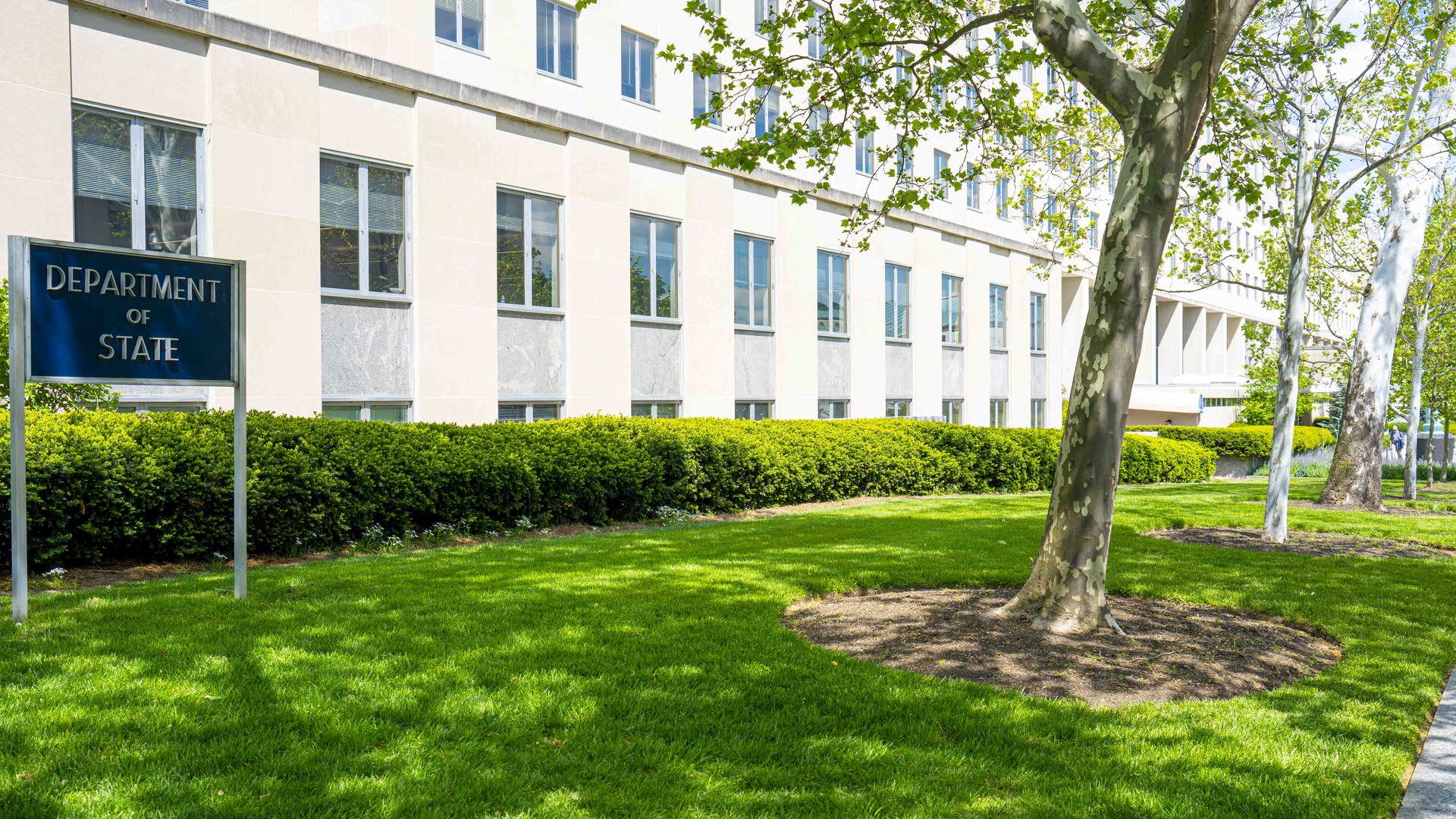
U.S. officials said Wednesday that the State Department is preparing an ordered departure from Gulf embassies, a step Washington takes when it expects real danger for its people overseas.
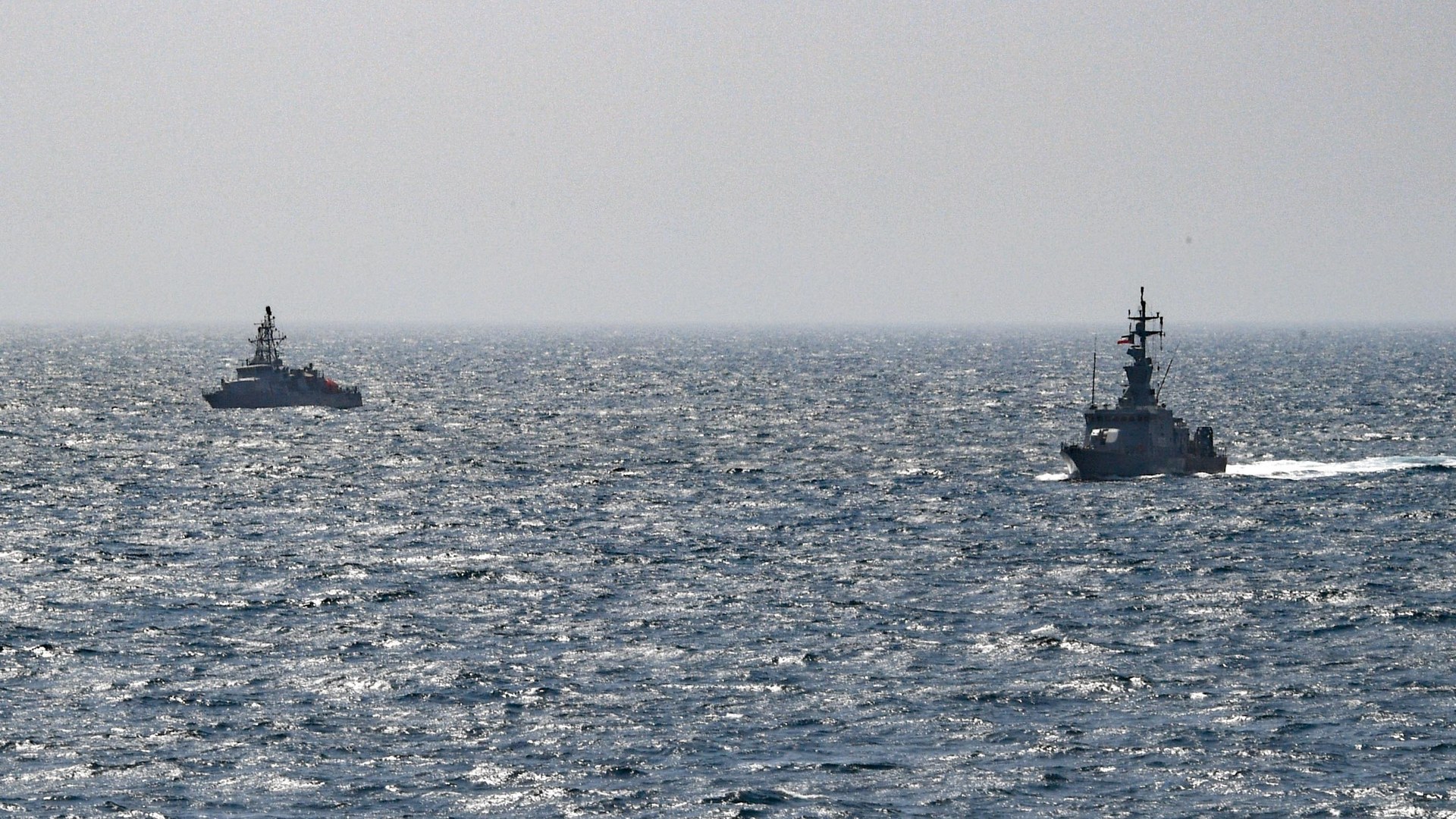
The reason is a possible return to open hostilities, above all with the Houthi militia in Yemen, a force aligned with Iran that has hit Saudi Arabia again and again.

Saudi Arabia Faces the Biggest Pullout
Two officials said the departures could reach every corner of the U.S. mission in Saudi Arabia, taking out all personnel and their families.
A diplomatic source says all American staff and their families in Saudi Arabia have been ordered to depart the country.
Families of embassy personnel in the United Arab Emirates, Jordan, Qatar and Bahrain have also been told to leave, the source said.
Across the region, U.S. missions are urging American citizens to stay alert, warning that hostilities could spread fast and without notice.
Why Washington Is Moving Now
The U.S. Embassy in Riyadh issued a security alert on Wednesday warning that more Houthi attacks on Saudi Arabia may be coming.
The alert followed weeks of strikes, including the October 10 attack on King Khalid International Airport in Riyadh.
Saudi authorities said that strike killed 17 people and wounded more than 300, the deadliest hit on the kingdom in more than a decade.
The Houthis have also fired missiles toward Israel and targeted merchant ships on the sea lanes that carry world trade.
What an Ordered Departure Really Means
An ordered departure is not a suggestion. Designated staff and family members must leave post, and Washington covers the cost of getting them out.
It is one of the strongest safety signals the State Department can send without closing an embassy outright.
It is not, by itself, proof that American strikes are about to begin, and no new round of fighting has been announced.
The department has not yet put a public statement on the record, and the final list of posts covered could still grow or shrink.
Markets heard the signal fast. Oil prices climbed in after hours trading as traders weighed the risk to Gulf energy supplies and shipping.
Black Families Feel This First
Black Americans are not watching this story from the sidelines.
Black service members serve on the bases and ships across the Gulf, and they serve in the armed forces at rates above their share of the national population.
Black diplomats and Foreign Service officers staff these same missions, and their spouses and children are among the families now packing bags.
At home, the pain lands in a familiar place. Gulf shocks move gas prices fast, and Black households already carry heavy costs for fuel and basics.
All of this is unfolding weeks before Americans vote, while Black voter mobilization is in full swing and the courts fight over voter rolls and ballots.
What to Watch Next
Watch for a formal State Department statement and updated travel advisories naming each post the order covers.
Watch whether the departures stop with families or grow into full mission closures, and watch how the Houthis answer.
And watch the price of oil, because families from Riyadh to Mississippi will feel this story at the pump long before they feel it anywhere else.
The pullout lands on a packed day in Washington, where a judge ordered Meta to pay 25 billion dollars over Facebook deception, another sign of how fast the ground is shifting in this election season.