11 min read
Major Takeaways
Republicans have made the Muslim faith of Abdul El Sayed a closing argument in Michigan.
El Sayed disavowed the Muslim Brotherhood at a town hall and called the attacks a loyalty smear.
Black voters want Democratic control of the Senate far more than they back El Sayed himself.
Barack Obama rallies in Detroit on Saturday as in person early voting opens across Michigan.
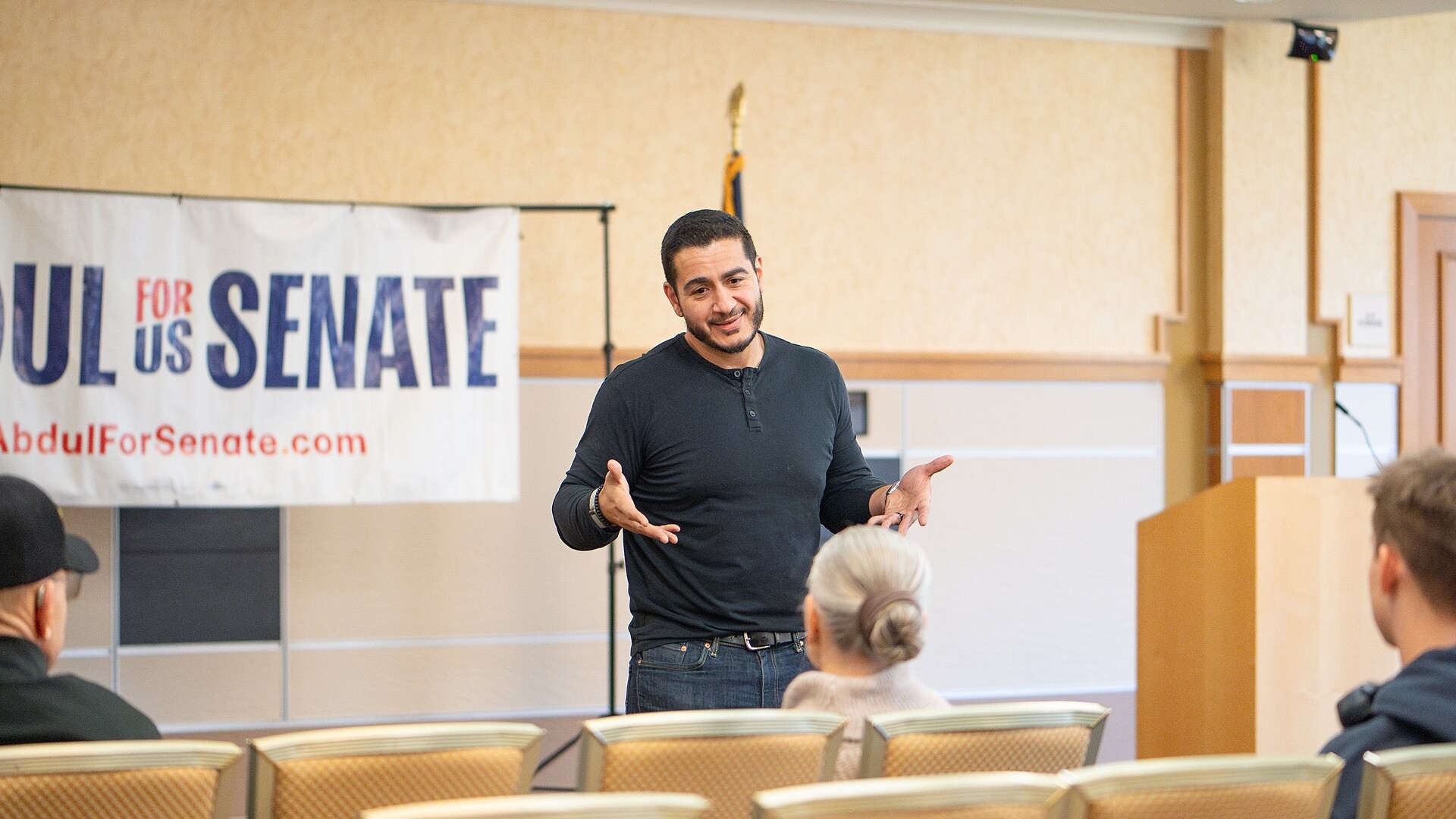
The Michigan Senate race has turned into a fight over faith, loyalty and trust.
With two weeks left before Election Day on Nov. 3, that fight now runs through Detroit.
Black voters there hold the margin in one of the closest Senate races in America.
The Michigan Senate Race Enters Its Final Stretch
The seat is open because Senator Gary Peters is retiring after two terms in Washington.
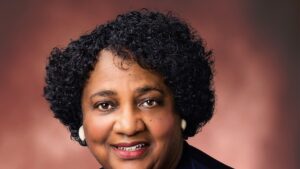
Democrat Abdul El Sayed is a doctor and a former Wayne County and Detroit health director.
Republican Mike Rogers is a former member of the United States House of Representatives.
The winner could help decide which party controls the Senate for the next two years.
A survey taken on Oct. 9 and 10 put El Sayed at 48 percent and Rogers at 46 percent.
That InsiderAdvantage survey spoke with 1200 likely voters across the state of Michigan.
Its margin of error was 2.83 points, which means the race remains well within reach for both men.
Faith Becomes a Closing Argument
Republicans have increasingly drawn attention to the Muslim faith of El Sayed in recent weeks.
President Donald Trump spoke at a campaign rally on Friday night in Michigan.
Trump referred to El Sayed as Mohammed and falsely declared that he is a jihadist.
Those comments have become staples of recent Trump rallies and social media posts.
Rogers addressed the attacks on Sunday and said he has never called El Sayed a terrorist.
Rogers also said that he does not speak for the president on this race.
But Rogers accused El Sayed of aligning with the Muslim Brotherhood in his thinking.
Rogers said this is about ideology and how dangerous that ideology is.
He said it is about the way El Sayed thinks, not the way he prays.
The Muslim Brotherhood is an Islamist movement founded in Egypt in 1928.
The movement officially rejects the use of violent means to secure its goals.
Offshoots of the group have been linked to attacks in the past, however.
Trump signed an executive order in November that began a formal review process.
That process could designate certain chapters of the movement as Foreign Terrorist Organizations.
A Town Hall Moment in Caro
The effort to tie El Sayed to extremism burst into the open this weekend in Caro.
An attendee at a town hall repeatedly pressed El Sayed about the Muslim Brotherhood.
The man shouted from the crowd and asked if El Sayed would disavow the movement.
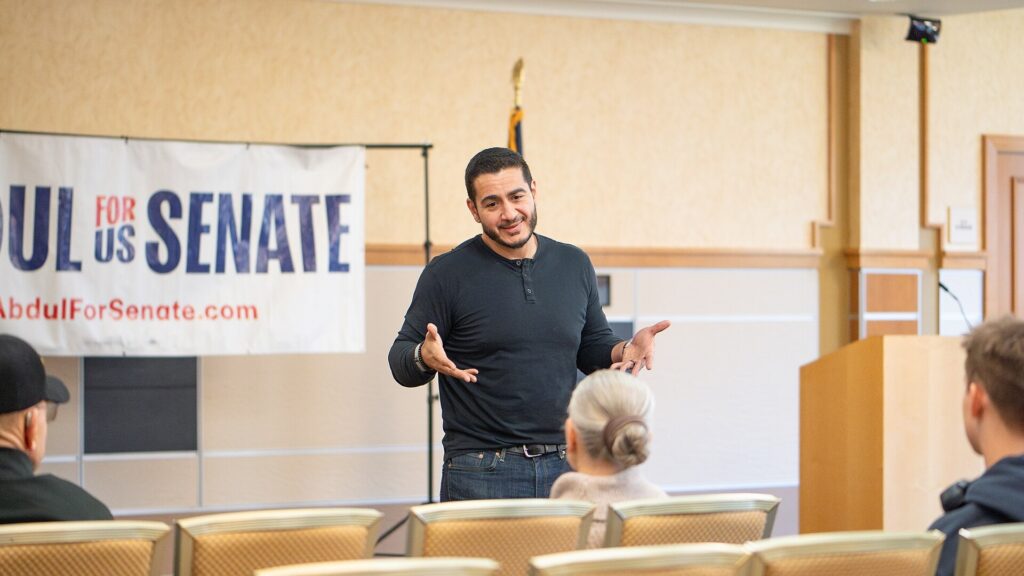
El Sayed disavowed the movement in front of the crowd gathered at the town hall.
He then blasted the man for assuming a dual loyalty based only on his faith.
El Sayed said the man assumed that because he is Muslim, he holds another allegiance.
He said that allegiance would be to something other than the Constitution of this nation.
For me, that Constitution is the guiding light, El Sayed told the crowd in Caro.
The audience member walked out after the exchange as the crowd cheered for El Sayed.
El Sayed spoke with reporters after a rally on Sunday in the city of Flint.
He said Republicans want to make faith their closing argument in this Senate race.
He said they want to speak to a certain implicit idea of dual loyalty.
He said that idea has a long and painful history in American political life.
He pointed to attacks on John F. Kennedy because Kennedy was a Catholic candidate.
He pointed to attacks on Barack Obama because his father was of Muslim origin.
This is what they do when they have no message, El Sayed told reporters.
He said they lack a message about the real issues in the lives of people.
Family History Pulled Into the Race
The attacks have also pulled the family history of El Sayed into public view.
Old posts from his half sister resurfaced online during the closing weeks of the race.
One post from 2012 described a talk with her mother about activism in Egypt.
That post said her mother was active in the Muslim Brotherhood in the early 1970s.
She said that activism took place while her mother was in college in Egypt.
El Sayed said he does not know what his mother was doing during those years.
He said his parents divorced when he was only three years old in Michigan.
He said he did not see his mother for years after that divorce took place.
He was raised in Michigan primarily by his father and by his stepmother.
El Sayed also signed an open letter in 2012 supporting Egyptian President Mohamed Morsi.
Morsi had been elected that year with support from the Muslim Brotherhood movement.
During a recent debate, Rogers raised the work history of the mother of El Sayed.
Rogers said she worked for the Islamic American Relief Agency years ago in America.
The Treasury Department designated that group in 2004 as an organization supporting terrorism.
Are you going after my mom, El Sayed asked Rogers during that debate exchange.
Rogers said he was going after an organization indicted for funneling money to Al Qaeda.
El Sayed has also addressed the case of his sister in law, Mariam Jukaku.
Jukaku was placed on the federal Terrorism Screening Database without a clear public reason.
She challenged that placement as part of a class action lawsuit filed in 2016.
She did nothing wrong and sued and got off the list, El Sayed explained.
He said people are treated as guilty until proven innocent because of their names.
He blamed infrastructure that people like Mike Rogers helped to set up years ago.
The Gap Among Black Voters
Faith is only one part of the political problem facing El Sayed in Michigan.
A September survey found a striking gap among likely Black voters in the state.
In that survey, 83 percent of Black voters wanted Democrats to control the Senate.
Only 67 percent of those same Black voters said they backed El Sayed himself.
That sixteen point gap sits at the center of the final stretch of this race.
The primary results told a similar story in the places Democrats need most.
His primary opponent, Representative Haley Stevens, won Wayne County with 51 percent of the vote.
El Sayed took 45 percent of the Democratic primary vote in Wayne County.
In Detroit itself, Stevens beat El Sayed by a full 28 points in the primary.
Detroit residents interviewed after the primary said they simply did not know El Sayed well.
Some said they did not understand his connection to their community or their neighborhoods.
Others asked the most basic question any voter can ask of any candidate anywhere.
What are you going to do for us, those Detroit voters wanted to know.
Michigan resident Linda Lee Tarver weighed in on the challenge on Tuesday morning.
Tarver serves as an ambassador for the Project 21 Black Leadership Network in Michigan.
She said the Obama appearance signals that El Sayed is in trouble with Black voters.
She said Kamala Harris already campaigned for El Sayed and that it did not resonate.
She described a disconnect between nationally elected Black Democratic leaders and real Black people.
Her words reflect a wider demand that surrogates cannot answer on behalf of a candidate.
Our coverage of record midterm ad spending showed money flooding this cycle.
Money and famous surrogates still cannot substitute for trust built inside a community over time.
That lesson echoes in record early voting in Georgia this month.
It also echoes in the court fight over California ballots this week.
Detroit Numbers Behind the Questions
Detroit is one of the most important Black cities in American political life today.
More than three quarters of Detroit residents are Black, according to census figures.
The poverty rate in Detroit was about 34.5 percent in the 2024 federal survey.
The unemployment picture in the city has moved in the wrong direction since 2023.
Detroit unemployment averaged 10.6 percent during the first quarter of this year, 2026.
That average stood at 7.2 percent in 2023 and 9.1 percent in 2024.
It then rose to 10 percent during the full calendar year of 2025.
Those numbers shape what Black families ask about jobs, housing, schools and wealth.
Flint also sits inside the memory that Michigan voters bring to this election season.
The Flint water crisis began in April 2014 under state appointed emergency management.
Federal investigators later found the environmental agency had key information in June 2015.
They found it had authority to issue an emergency order to protect Flint residents.
That emergency order did not arrive until Jan. 21, 2016, seven months later.
Obama later declared a federal emergency and his administration arranged major aid for Flint.
Both facts live in the record, and Black Michigan has not forgotten either one.
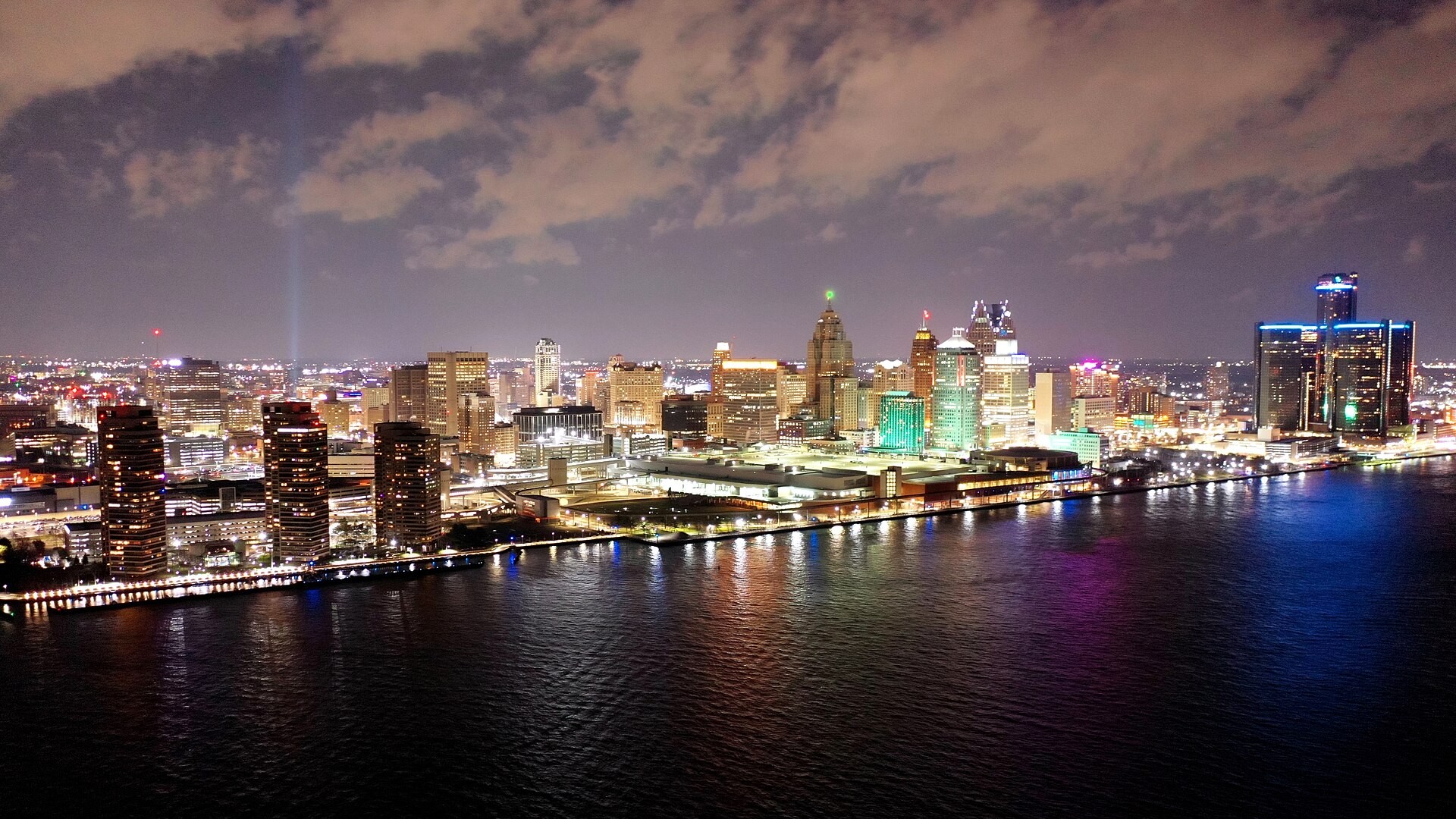
Obama Comes to Detroit on Saturday
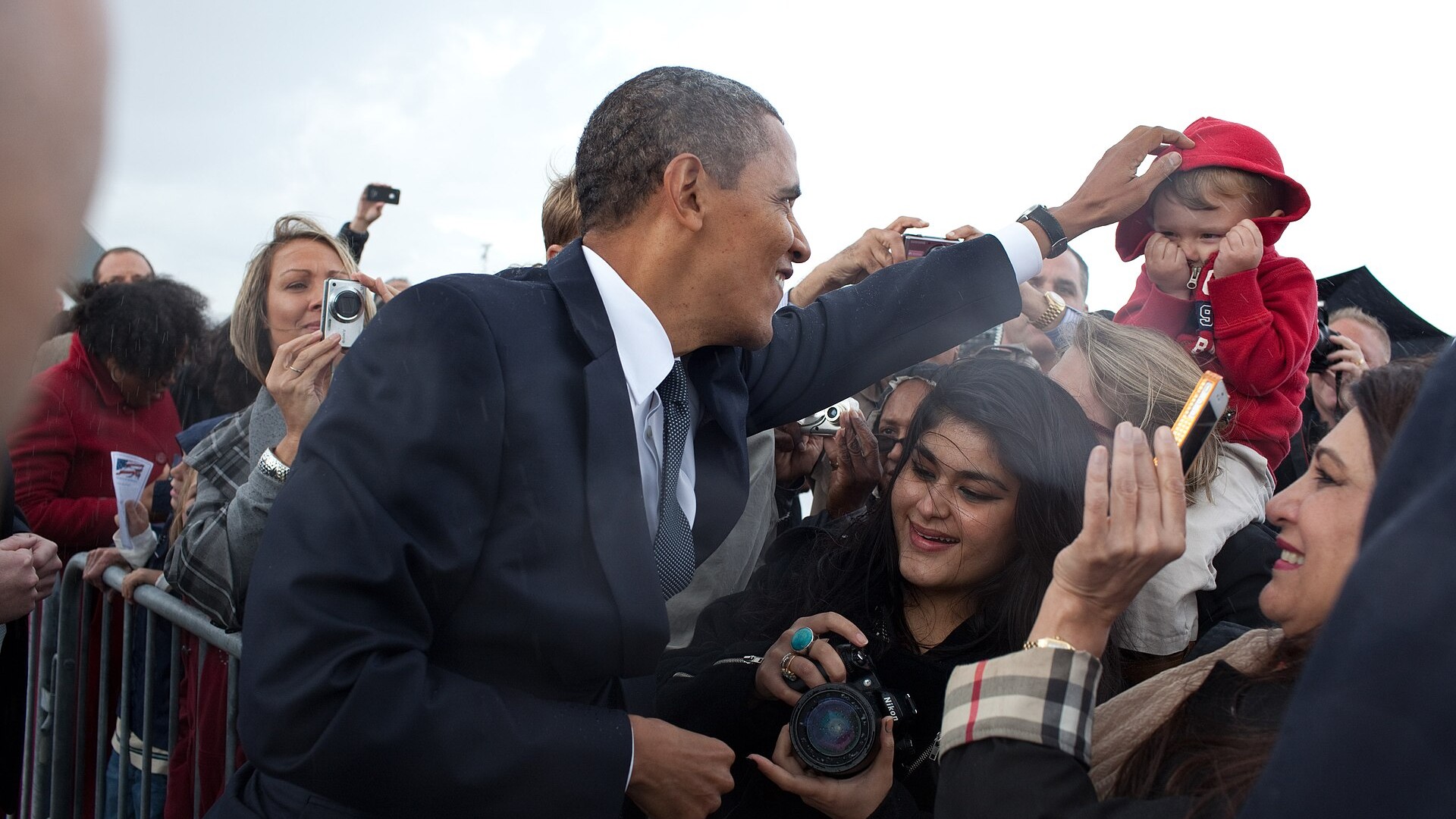
Barack Obama will campaign in Detroit on Saturday, Oct. 24, for Michigan Democrats.
He will appear with El Sayed and with gubernatorial nominee Jocelyn Benson that evening.
The rally is expected to run from 5 p.m. until 7:30 p.m. on Saturday.
The exact location will be shared with attendees only on the day before the event.
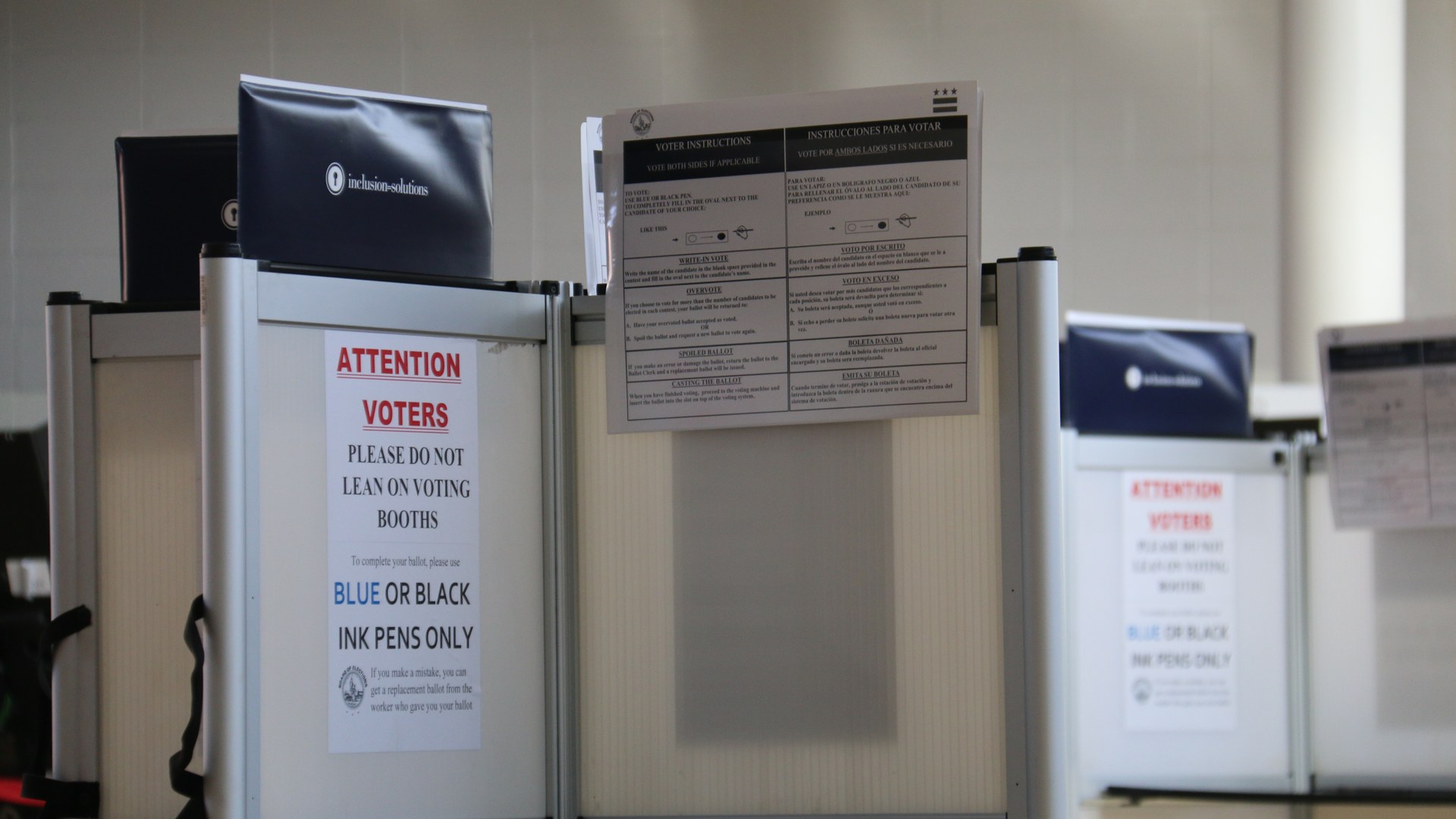
Saturday is also the first day of mandatory in person early voting in Michigan.
The state party said Obama will rally voters and urge them to vote early.
He will urge support for Democrats up and down the ballot across the state.
Obama won Michigan in both of his presidential campaigns, in 2008 and in 2012.
His involvement could help turn out Democratic voters, especially Black voters in Detroit.
Benson is the Michigan secretary of state and she faces Representative John James.
James is running to succeed Governor Gretchen Whitmer, who cannot seek another term.
Former Vice President Kamala Harris already campaigned with El Sayed in late September.
Now the first Black president will make the same case in the same city.
El Sayed keeps returning to his own biography when he answers his Republican opponent.
He says he is a dad and a doctor who wants money out of politics.
He says he wants money in the pockets of working people across Michigan instead.
He says he wants to pass Medicare for All as a United States senator.
He says Rogers wants this race to be about anything but his own record.
What Black Detroit Decides Next
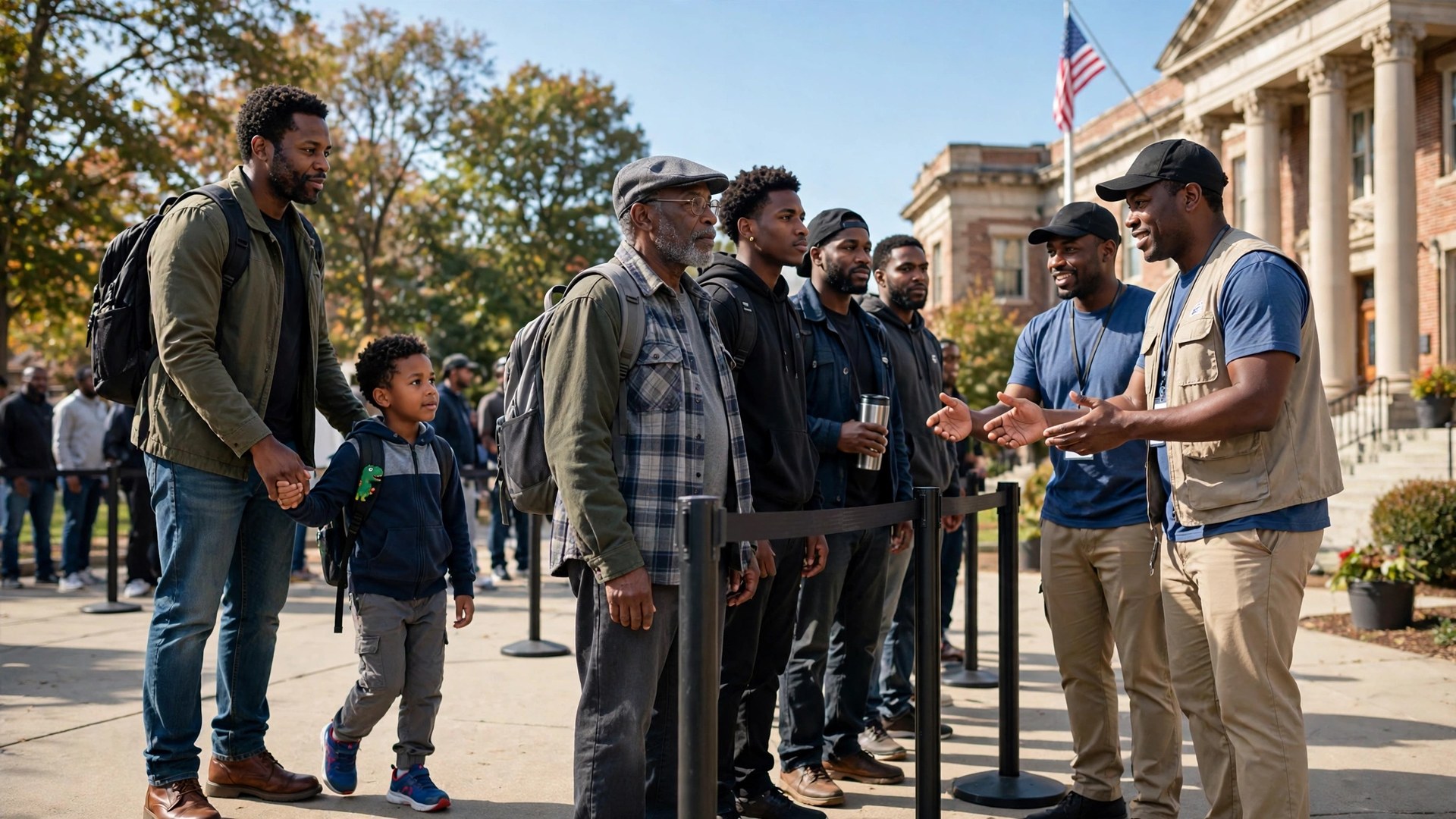
Black voters in Michigan are not a switch that any campaign can simply flip.
Their votes come with expectations about jobs, homeownership, schools, safety and clean water.
They have heard the speeches and seen the famous faces arrive each election season.
This time the attacks on faith have raised the stakes in a new way.
A candidate is being asked to prove his loyalty to the Constitution on stage.
That demand lands differently in a community that knows loyalty tests all too well.
Black Americans have faced such tests at the ballot box for generations in America.
The answer in Detroit will not come from a rally stage alone this Saturday.
It will come from whether El Sayed answers the questions Black voters are asking.
Early voting opens statewide on Saturday and Election Day follows on Nov. 3.
Fourteen days remain for both campaigns to earn trust they have not yet earned.
The Michigan Senate race may well be decided by who earns it in Detroit.