7 min read
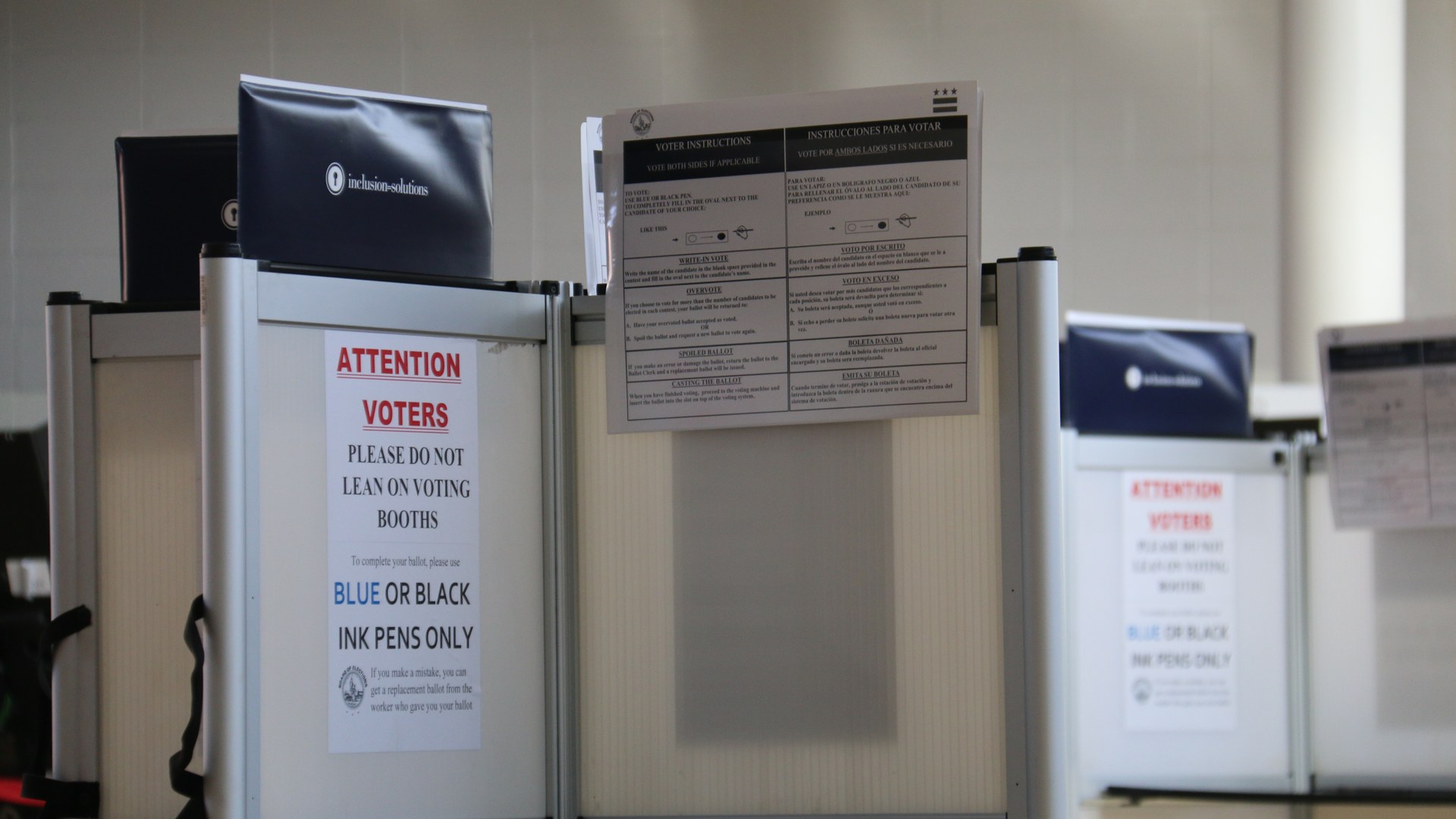
California voting charges from the Justice Department landed Monday in the middle of an election that is already underway across the country.
Federal officials charged 28 people with voting and registration crimes and asked a court to hold back ballots tied to 20000 names.
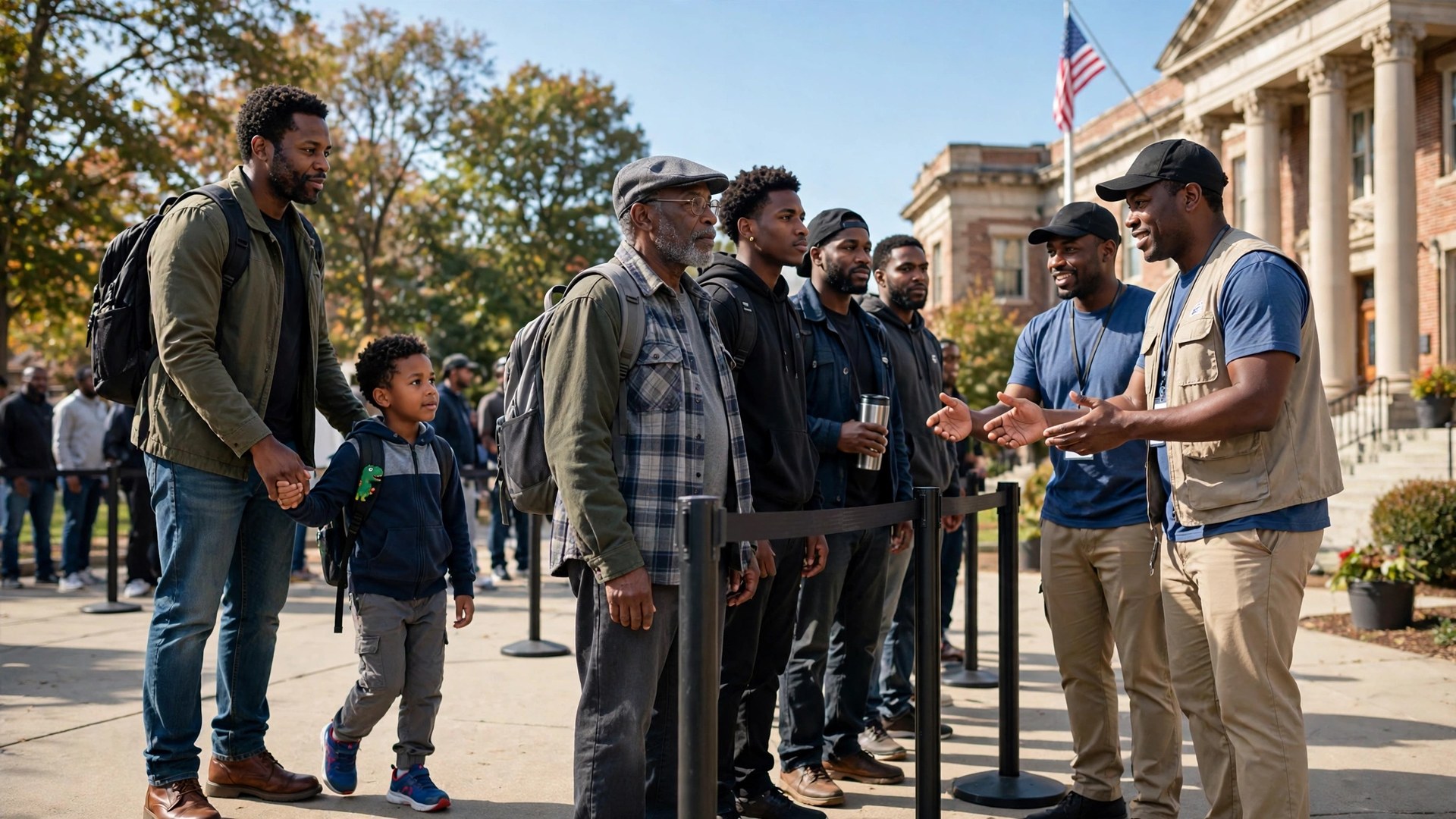
For Black voters watching another fight over who gets counted, the stakes reach far beyond one state and one courtroom this fall.
Major Takeaways
- The Justice Department charged 28 green card holders in California on Monday with voting and registration crimes.
- Federal officials also asked a court to stop the state from processing ballots tied to a list of 20000 people they call likely noncitizens.
- California leaders say the list is unverified and that setting ballots aside this close to the election would disenfranchise eligible voters.
- Civil rights lawyers urge voters to check their registration, vote early where possible, and refuse to let fear keep them home.
1. Charges Announced As Ballots Are Already Moving
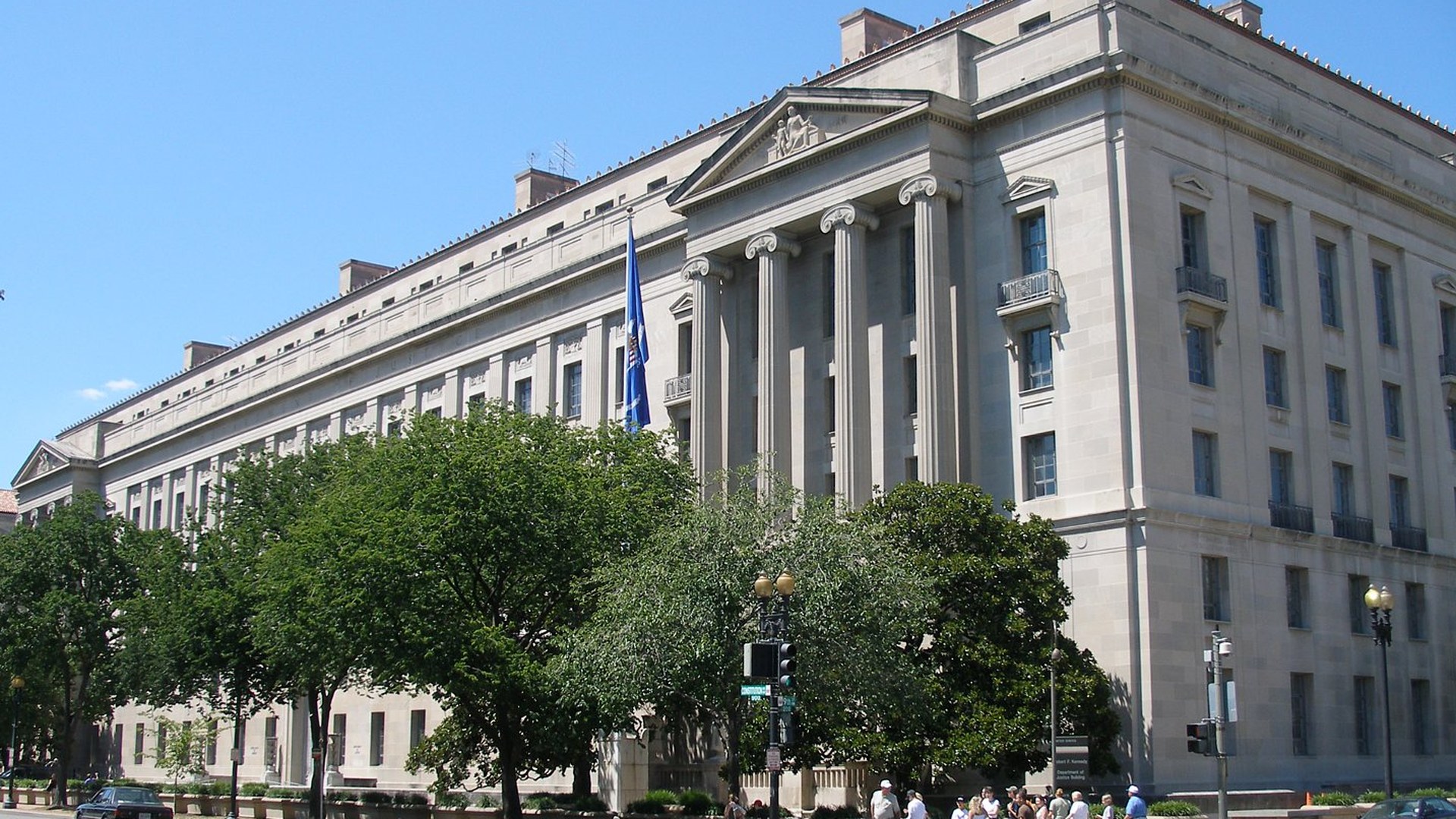
Acting Deputy Attorney General Trent McCotter announced the charges at a Monday press conference as early voting moved forward in California.
This Department of Justice will not look the other way while noncitizens vote in federal elections, McCotter said at the announcement.
Unfortunately the same cannot be said for California and Los Angeles County, he added in remarks aimed directly at state and local officials.
All 28 people charged are green card holders, and 11 of them were already in custody when officials spoke on Monday.
The rest are expected to be taken into custody in the near future, and some of those arrested faced felony charges.
The cases grew out of an effort called Operation Protect the Vote, coordinated by the four federal prosecutor offices serving California.
Some of those charged are accused of voting in the 2024 general election, with cases tied to Long Beach, Rancho Palos Verdes, Sacramento and San Jose.
Across the country, officials said the department has charged 113 people with illegal voting and registration offenses in 20 states in seven weeks.
2. A List Of 20000 Names At The Center
Every person charged Monday appeared on a much larger list that federal officials delivered to California last week on a flash drive.
That list held 20000 names of people the department says are likely noncitizens who are registered to vote in the state.
Los Angeles County received the list with a deadline of 48 hours to investigate the names, and local officials declined to do so.
The department then sued California and filed an emergency request asking a judge to stop officials from processing ballots from everyone on the list.
McCotter warned California officials on Friday that they could face criminal prosecution for knowingly processing ballots cast by people identified as noncitizens.
President Donald Trump added his own warning that evening in a social media post saying officials would go to jail for a long time.
3. California Pushes Back For Eligible Voters
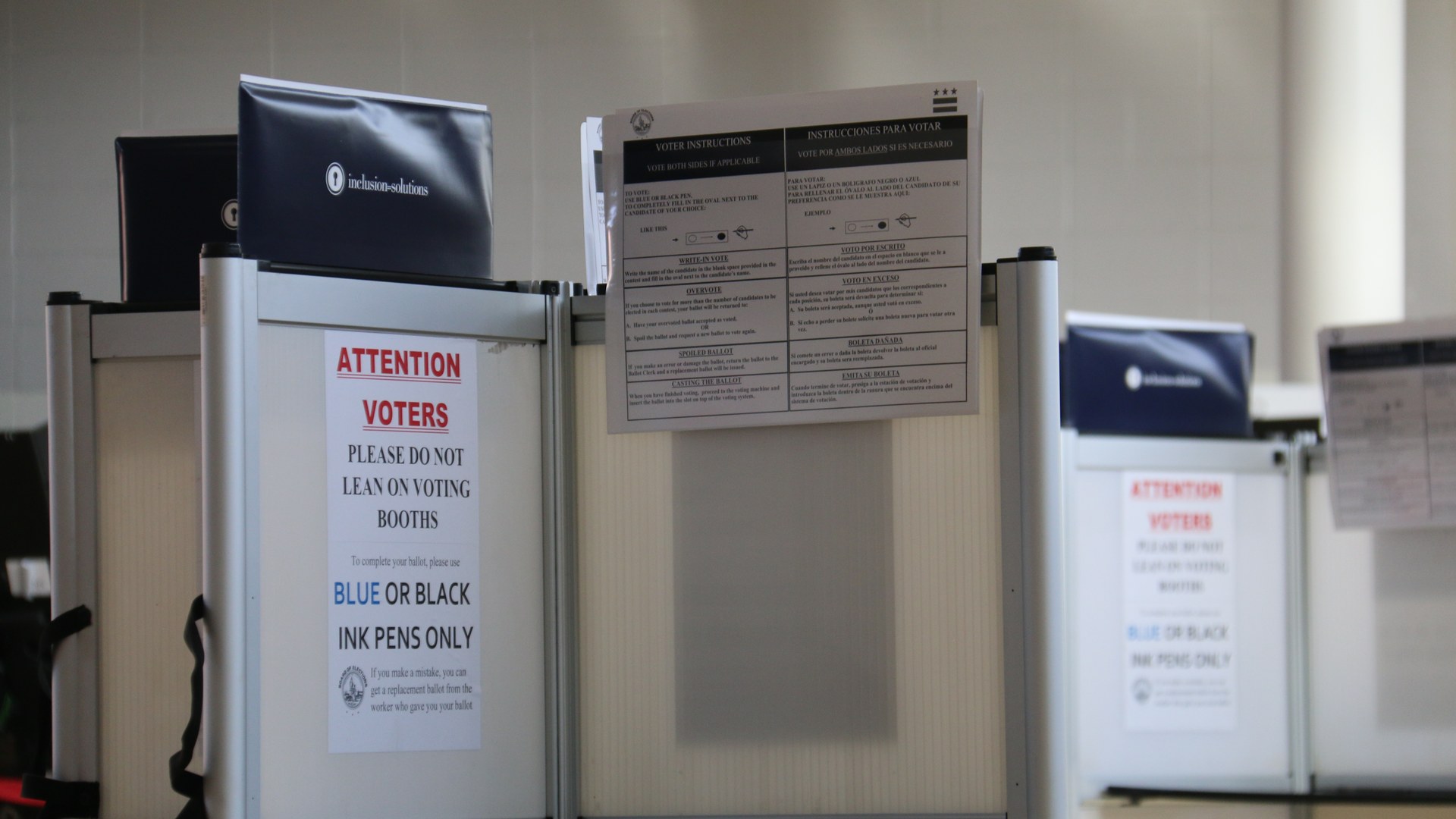
California Secretary of State Shirley Weber is the first African American to hold that office, and she now leads the state response.
Weber wrote on October 13 that the extraordinary measures demanded by the department are contrary to both federal and state law.
She also said she will not disenfranchise thousands of Californians based on an unsupported and likely inaccurate belief about their citizenship status.
Los Angeles County voting chief Dean Logan said his office cannot withhold or refuse to count ballots based solely on unverified allegations.
Logan also noted that the federal list included voters from outside Los Angeles County, whose records his office does not even keep.
Both offices pointed to the National Voter Registration Act, which bars systematic removal of voters from the rolls in the 90 days before an election.
That safeguard exists to stop mistakes that could purge eligible voters right before an election with no time left to fix errors.
4. Why Black Voters Hear A Familiar Warning
Civil rights lawyers warned in a recent briefing that voters of color face sharp risks as voting begins across the country.
The civil rights community is not going to sit silently while voting rights are threatened, said Sam Spital of the Legal Defense Fund.
He said his organization has stepped up to confront executive actions aimed at the voting rights of Americans, especially Black people and other people of color.
Make a plan and vote early if you can, said Sean Morales Doyle of the Brennan Center for Justice at the same briefing.
The way these attacks succeed is if voters stay home this fall, he told voters who are weighing fear against participation.
Recent polling suggests voters of color are more likely than white voters to fear that voting could bring questions from immigration authorities despite being citizens.
That fear lands in communities with a long memory of poll taxes and literacy tests and purges presented as routine administration.
Logan urged voters this fall to bring their questions to his office and to keep participating no matter how loud the litigation gets.
But do not let this keep you from voting, Logan said, because none of the rest matters if eligible voters stay home.
5. Experts Say The Numbers Tell A Smaller Story
California has more than 23 million registered voters, which puts 28 charged cases and even 20000 flagged names in a very different light.
Election law expert Rick Hasen of the University of California Los Angeles named three risks in the federal push this week.
One is the risk of disenfranchising eligible voters, and another is the risk of undermining voter confidence by making a rare problem look huge.
The third risk, he said, is that the fight becomes a pretext to seize ballots or interfere after the election is over.
Given that there are over 20 million registered voters in California, this is quite a small number of allegations, Hasen said.
Noncitizen voting has never been found to be a widespread problem in American elections, despite the resources now devoted to finding it.
Some of the people charged Monday do not appear to have actually voted, and some registered to vote more than 20 years ago.
Many are accused of making false statements on naturalization applications that ask whether applicants ever registered to vote or claimed citizenship.
Research has also shown that noncitizen registration often results from bureaucratic error rather than intentional fraud by the person who was registered.
New Jersey revealed this summer that a software glitch at its motor vehicle offices registered more than 6000 people who had said they were noncitizens.
Federal prosecutor Bill Essayli pushed back on that point Monday, saying registration is not something that just happens to a person.
They either attested to it when they got a driver license, or they went out of their way to file a voter registration form, Essayli said.
Local election officials nationwide are watching California closely, said Dana Lewis, the Republican county recorder for Pinal County in Arizona.
If it is happening in Georgia, if it is happening in Colorado or California, we are all watching, Lewis said of her fellow officials.
A half dozen voting and civil rights organizations have filed to intervene in the California case to argue the federal demands are unlawful.
So far, 26 federal judges have dismissed Justice Department demands for full voter roll data, including partial Social Security numbers, across the country.
6. What Every Voter Should Do Right Now
The practical message from election officials and civil rights lawyers alike is simple, and it starts with checking your own registration today.
Vote early if your state allows it, keep your confirmation and ballot tracking information, and report intimidation or confusion to local election officials.
Election Day is November 3, and control of Congress for the final two years of this presidency rides on ballots being cast right now.
California will keep counting while courts argue, and the strongest answer to a fight over the rolls is a vote cast and counted.
Read more in our News coverage, see our report on the NAACP poll monitors lawsuit and our coverage of Black Man Voter Day, and visit Urban City Podcast for more stories.