
Major Takeaways
Federal immigration enforcement in Minneapolis has led to multiple fatal shootings, sparking public outrage and demands for accountability
Community trust and state-federal relations are deteriorating due to aggressive enforcement tactics and limited transparency
The incidents have intensified the national debate over immigration policy, use of force, and civil rights protections
How two fatal federal shootings in Minneapolis ignited national outrage, intensified immigration enforcement debates, and raised urgent questions about accountability, law enforcement power, and civil rights protections.
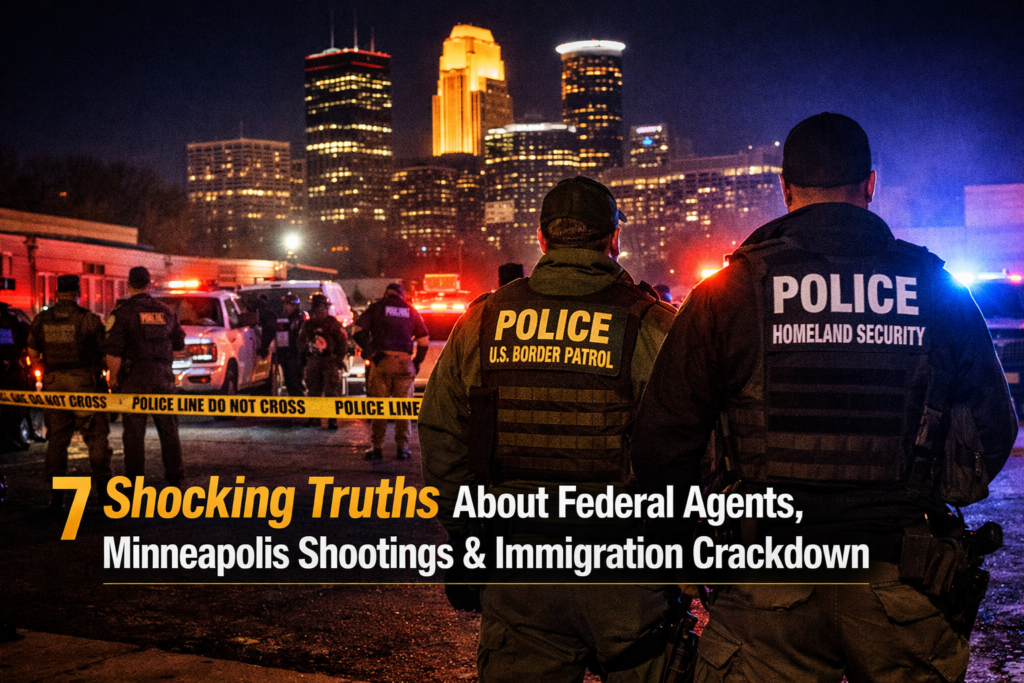
Minneapolis is once again at the center of national attention after federal immigration agents fatally shot a second person this month during an expanded immigration enforcement operation. The shooting has intensified public concern, deepened political tensions, and reignited debate over the growing presence of federal immigration officers in local communities.
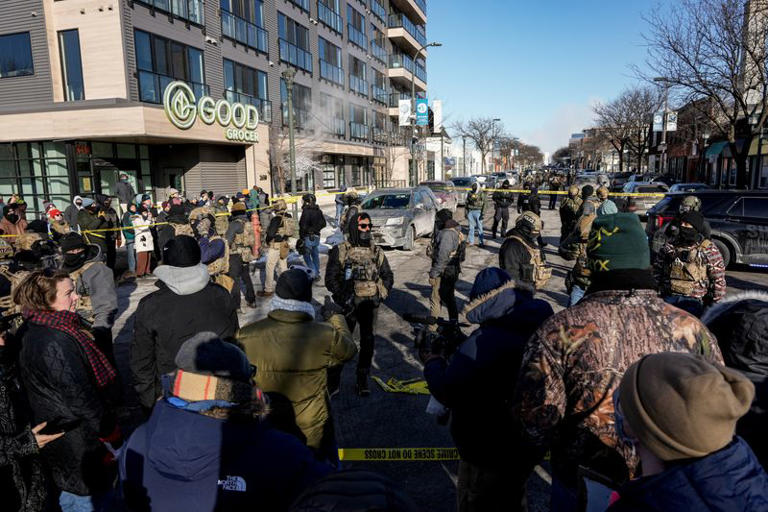
The incident occurred in south Minneapolis during a federal enforcement action involving Border Patrol and immigration authorities. Officials stated that agents encountered a man who was reportedly armed and that the situation escalated rapidly. According to preliminary accounts, officers attempted to detain the individual when he allegedly resisted and raised a firearm, prompting an agent to discharge their weapon. The man later died from his injuries at a local hospital.
Authorities have not yet released full details about the individual’s identity or immigration status, citing an ongoing investigation. What is known is that this marks the second fatal shooting by federal immigration agents in Minneapolis in a matter of weeks, fueling outrage among residents, civil rights groups, and state leaders who say the pattern signals a dangerous escalation in federal enforcement tactics.
The latest shooting follows an earlier fatal encounter this month involving a Minneapolis woman who was shot during a separate immigration operation. That case sparked protests, emotional public outcry, and demands for accountability, with critics questioning whether lethal force was necessary. The second fatal incident has only intensified concerns that federal agents are operating with insufficient oversight, transparency, and coordination with local authorities.
Minnesota state officials responded swiftly to the most recent shooting, condemning the violence and calling for federal agencies to scale back or suspend their operations in the state. Leaders argued that immigration enforcement should not result in deadly confrontations in residential neighborhoods and warned that continued aggressive tactics could further destabilize community trust.
The Minneapolis mayor echoed similar concerns, describing the repeated shootings as deeply troubling and urging residents to remain calm amid rising anger. City officials also worked to manage crowds and demonstrations that formed shortly after the incident, as activists and community members gathered to protest what they described as an alarming pattern of excessive force by federal authorities.
Protests erupted across multiple parts of Minneapolis following the shooting, with demonstrators demanding an end to federal immigration raids and chanting for greater accountability. Community organizations organized rallies calling for the removal of immigration agents from local neighborhoods, arguing that heavily armed operations create fear and increase the risk of unnecessary violence.
For many residents, the shooting has become part of a broader conversation about law enforcement power, federal authority, and the emotional toll of aggressive immigration policy. Minneapolis, a city still shaped by past police accountability battles, now finds itself grappling with another wave of public scrutiny over the use of force and the role of law enforcement in vulnerable communities.
Civil rights advocates argue that the repeated fatal incidents suggest deeper systemic issues, including inadequate training, unclear rules of engagement, and insufficient external oversight. They have called for an independent investigation into both shootings, stressing that federal agencies should not be solely responsible for reviewing their own conduct in cases involving lethal force.
Supporters of strong immigration enforcement counter that federal officers operate in unpredictable and high risk environments, often confronting individuals who may be armed or attempting to evade arrest. They argue that agents must make split second decisions to protect themselves and others and maintain that the officers involved acted within legal and procedural boundaries.
Still, critics warn that expanding immigration enforcement into street level operations increases the likelihood of violent encounters and places both undocumented immigrants and U.S. citizens at risk. They contend that aggressive tactics may deter people from reporting crimes, seeking medical help, or cooperating with law enforcement due to fear of deportation or retaliation.
The shooting also highlights growing friction between state and federal governments over immigration policy. Minnesota leaders have expressed frustration over what they describe as a lack of communication and coordination from federal agencies operating within the state. Some lawmakers are now pushing for stronger legal protections for residents and more restrictive policies limiting cooperation with federal immigration enforcement.
Meanwhile, federal officials continue to defend their mission, stating that they are enforcing existing immigration laws and targeting individuals they believe pose safety or legal concerns. They argue that their operations are lawful and necessary to uphold national immigration standards, even as local officials call for reform or restraint.
As investigations into the shooting continue, questions remain about the precise sequence of events, the decisions made by officers at the scene, and whether alternative de escalation tactics could have been employed. Legal experts emphasize that clarity and transparency will be essential to maintaining public trust and preventing misinformation from fueling further unrest.
Beyond the immediate case, the broader impact of these incidents is already being felt across Minneapolis. Families in immigrant communities report heightened fear and anxiety, while advocacy groups warn that ongoing enforcement actions may traumatize children, disrupt households, and strain social services.
At the same time, some residents express concern about public safety and argue that law enforcement should not be restricted from carrying out legitimate duties. The divide reflects a national conversation over how immigration laws should be enforced, what limits should be placed on federal power, and how to balance security with human rights.
For Minneapolis, the second fatal shooting represents more than an isolated event. It is a flashpoint in an ongoing struggle over trust in law enforcement, the consequences of political decisions, and the human cost of policy driven enforcement.
As the city waits for investigative findings and potential legal outcomes, the community remains on edge. What happens next could shape not only local immigration policy but also national attitudes toward federal enforcement practices in American cities.