7 min read
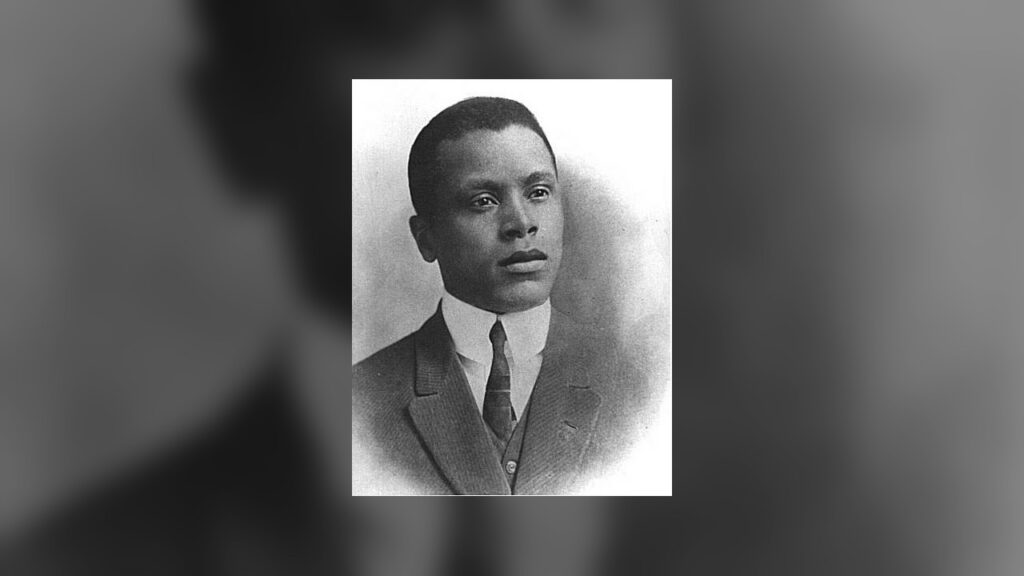
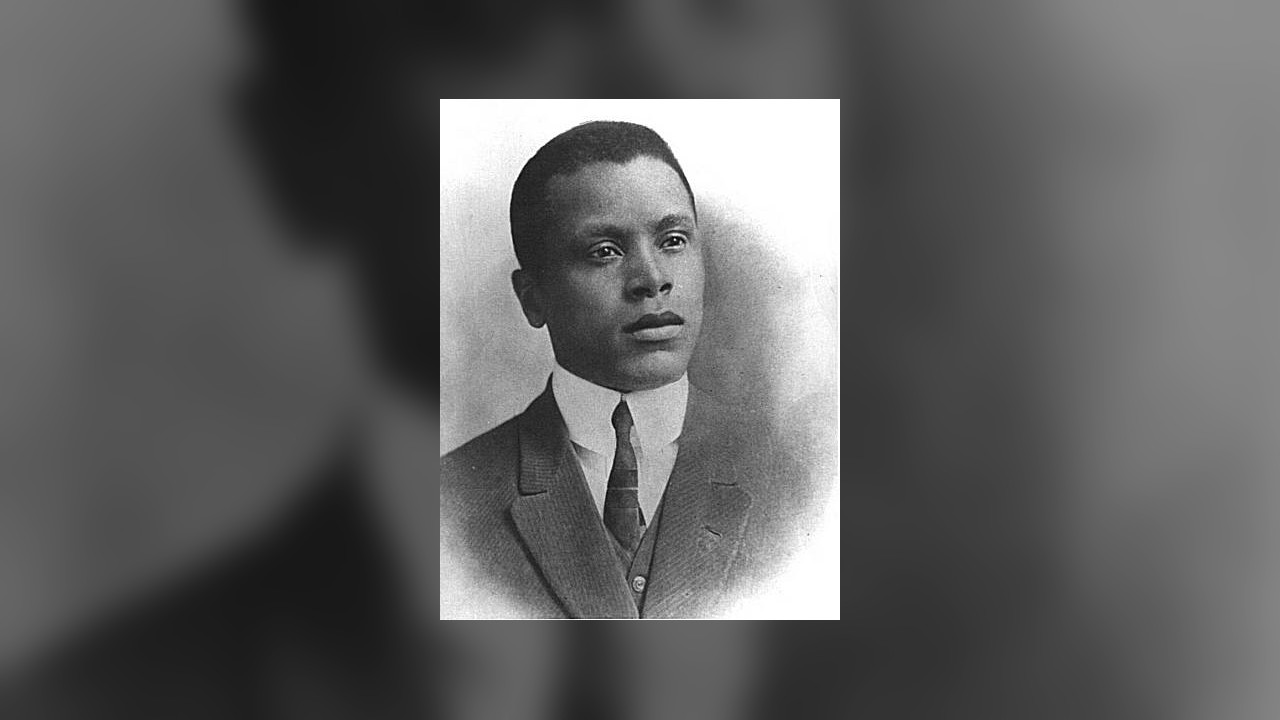
Oscar Micheaux built a film career at a time when American movies had almost no room for Black life told by Black people.
Born to parents who had been enslaved, he farmed prairie land, wrote novels, raised his own money and made more than forty films.
His story is the founding story of independent Black cinema, and its lessons on ownership still land with force today.
Major Takeaways
- Oscar Micheaux became the first major Black feature filmmaker in America with The Homesteader in 1919.
- He answered racist screen images with Black doctors, teachers, detectives and landowners shown in full humanity.
- He raised money from Black communities, sold company shares and carried his films from town to town himself.
- Only a share of his films survive, yet the nation now preserves his best work as cultural treasure.
A Son of Enslaved Parents in Southern Illinois
Oscar Devereaux Micheaux was born on January 2, 1884 in Metropolis, Illinois.
He was the fifth of thirteen children born to Calvin and Belle Micheaux.
Both of his parents had been born into slavery in Kentucky.
The family farmed eighty acres of land and grew wheat and corn.
His parents moved the family to town so the children could gain a stronger education.
Money troubles later sent the family back to the farm.
Young Oscar chafed at farm life and often clashed with his father.
At seventeen he moved to Chicago to live with an older brother.
He worked in the stockyards and the steel mills and took whatever jobs he could find.
He ran his own shoeshine stand at a Black barbershop, an early taste of working for himself.
He then became a Pullman porter, a respected job with steady pay that let him travel the nation.
That railroad world shaped many Black strivers of his era, as our feature on the Pullman Porters makes clear.
The road gave Micheaux savings, contacts and a firsthand view of Black life across America.
Prairie Lessons in Land and Ownership
In 1904 Micheaux traveled to South Dakota to claim homestead land on the Rosebud Reservation.
More than 100,000 people chased only 2,400 homesteads in the land lottery drawing.
He missed out in the drawing, so he hired a land locator for eighty dollars.
With that help he bought a relinquished claim and set to work.
He broke 120 acres of prairie in his first year on the land.
Neighbors who first laughed at the lone Black farmer came to respect his labor.
Respect grew into acceptance, and then into open admiration for his work.
A drought lasting three years then destroyed his crops.
By 1911 the homestead had failed and he was forced to sell the land.
He had married Orlean McCracken, a Chicago schoolteacher, in 1910.
The marriage strained under distance and loss, and the couple divorced in 1917.
The prairie had taken much from him, but it had also given him his great subject.
Oscar Micheaux Refused to Hand Over His Story
Micheaux began writing down his prairie years as a way to cope with hardship.
His first book, The Conquest, appeared in 1913 in one thousand printed copies.
He traveled the region himself and sold the book to friends and neighbors.
In time he wrote seven novels, each drawn from Black striving and ambition.
His novel The Homesteader, dedicated to his mother, carried his South Dakota story further.
The book caught the attention of the Lincoln Motion Picture Company, an early Black film company.
The company wanted to adapt the novel for the screen.
Micheaux insisted on a direct hand in shaping his own story as a film.
When talks collapsed over that control, he made a decision that defined his life.
He chose ownership instead of permission, and he never looked back.
The Homesteader Made Film History in 1919
Micheaux founded the Micheaux Book and Film Company to make the picture himself.
He sold company shares priced from seventy five to one hundred dollars each.
He drew support from contacts he had made during his years as a porter.
In 1919 he released The Homesteader, a feature film with a Black cast led by actress Evelyn Preer.
With that release he became the first major Black feature filmmaker in America.
One review praised the film as a historic breakthrough and a dignified achievement.
Some clergy attacked the film for its honest look at church life and human failing.
Audiences still came, and the picture launched a career that ran for three decades.
The Homesteader is now a lost film, known through records, reviews and the novel behind it.
Its success proved a Black filmmaker could write, direct, produce and sell a feature on his own terms.
Within Our Gates Answered a Racist Screen
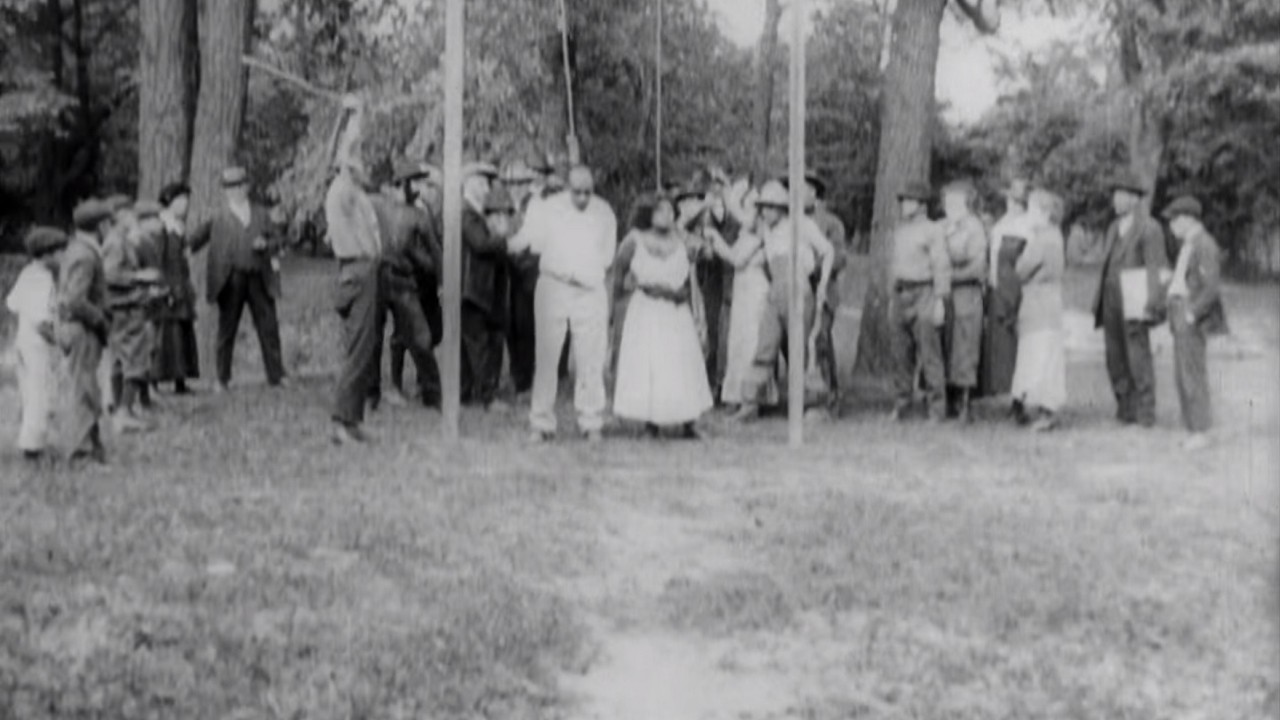
His second film, Within Our Gates, arrived in 1920.
Evelyn Preer starred as Sylvia Landry, a teacher raising money for a school serving Black children.
The story confronted lynching, mob violence and economic exploitation without flinching.
Micheaux said he made the film in response to the unrest that followed World War I.
Audiences have long read it as an answer to The Birth of a Nation, the 1915 film that glorified the Ku Klux Klan.
Some theaters banned the film, and protests followed it until the day it opened.
It stands today as the oldest surviving film known to be made by a Black director.
In 1992 the Library of Congress placed the film in the National Film Registry.
Restorers later rebuilt the film from a surviving print held in Spain.
A work once pushed out of theaters is now guarded as a national treasure.
Body and Soul Gave Paul Robeson the Screen
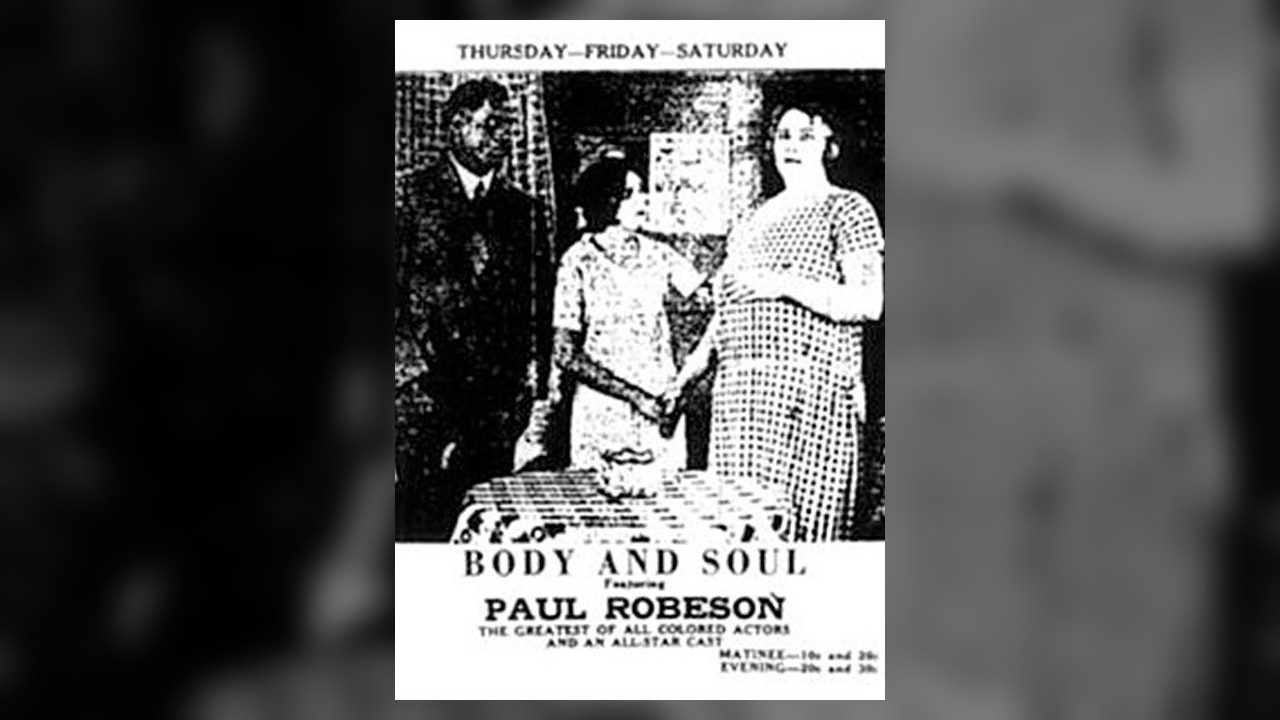
In 1925 Micheaux released Body and Soul and gave Paul Robeson his first screen role.
Robeson played a thief posing as a preacher in a small Southern town.
Censors objected to that portrait, and many viewers saw the film only in cut form.
Micheaux filled his screen with Black life in full range.
His characters were doctors and teachers, detectives and landowners, strivers and scoundrels.
His casts gave Black actors the complex roles that mainstream studios refused to offer.
He opened a corporate office in Roanoke, Virginia in 1922 and made at least six films there over three years.
He moved on to New York City in 1925 and worked within the energy of the Harlem Renaissance.
In 1931 he crossed into sound with The Exile, his first sound feature film.
In 2019 Body and Soul joined Within Our Gates in the National Film Registry.
A Man Ahead of His Time Still Speaks
Micheaux married actress Alice B. Russell in 1926, and she appeared in six of his films.
He kept making films until 1948, when The Betrayal closed a run of more than forty features.
He died of heart failure on March 25, 1951 in Charlotte, North Carolina, while on a business trip.
He was sixty seven years old.
He rests in Great Bend, Kansas, and his gravestone calls him a man ahead of his time.
Only fifteen of his films are known to survive, a loss that still stings students of cinema.
Honors arrived late, among them a star on the Hollywood Walk of Fame in 1987.
In 2010 the United States Postal Service issued a stamp in his honor in its Black Heritage series.
The Academy Museum of Motion Pictures now devotes exhibition space to his work.
A film festival founded in 2018 carries his name and his mission for new storytellers.
His New York years placed him inside the wider Harlem Renaissance, when Black artists seized control of their own image.
Every Black filmmaker who raises money outside the studio gate walks a road Micheaux cut.
Every creator who owns the company, controls the story and speaks straight to a Black audience stands in his line.
He once wrote that showing Black life in its true state could raise our people to greater heights.
A century later, that charge still belongs to Black storytellers, and it still begins with ownership.
Follow the full Black in the Day series and more Black history at urbancitypodcast.com.