7 min read
African born lawmakers just had the biggest election night in American history.
A record 23 immigrants born in Africa won seats in Congress and in state legislatures across the country.
The winners come from at least ten African countries and will serve in thirteen states.
Their victories stretch from a Denver congressional district to a Texas statehouse seat and a council chamber in the capital.
Major Takeaways
A record 23 African born immigrants won legislative races in the 2026 midterms, the largest class ever counted.
Nigeria sent the biggest group, with 14 winners who all ran as Democrats.
Melat Kiros of Colorado became the first Gen Z woman elected to Congress and the first Black woman Colorado has sent there.
Organizers say the wins must now turn into policy, and they are already building toward 2028.
African Born Lawmakers Reach Congress in Record Numbers
The congressional class carries some of the most striking stories of the cycle.
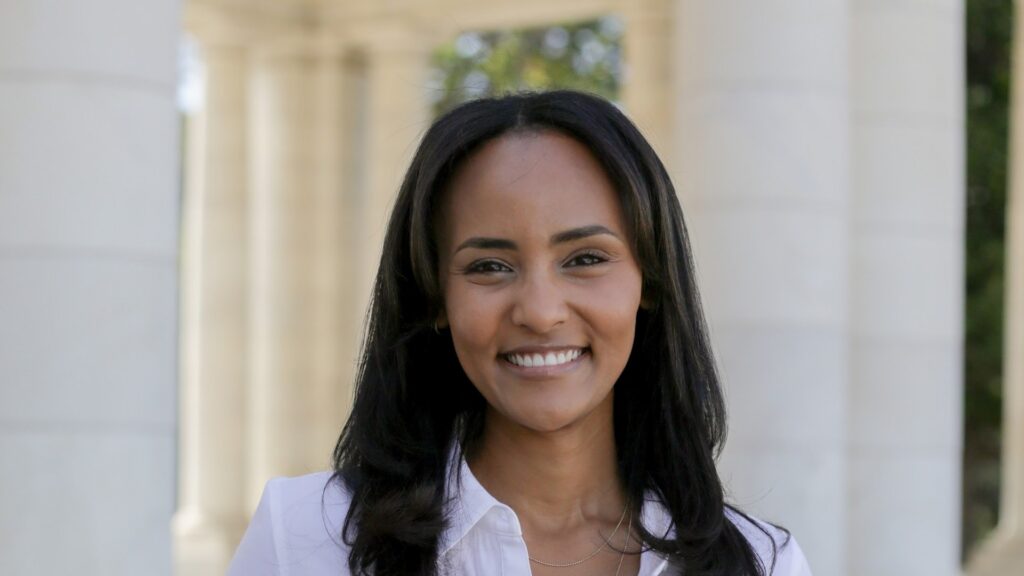
Melat Kiros, 29, was born in Addis Ababa, Ethiopia, and arrived in the United States as a baby.
She grew up in Denver, became a lawyer, and had never held elected office before this run.
She beat a 15 term incumbent in the Democratic primary, then won the general election in Colorado First District.
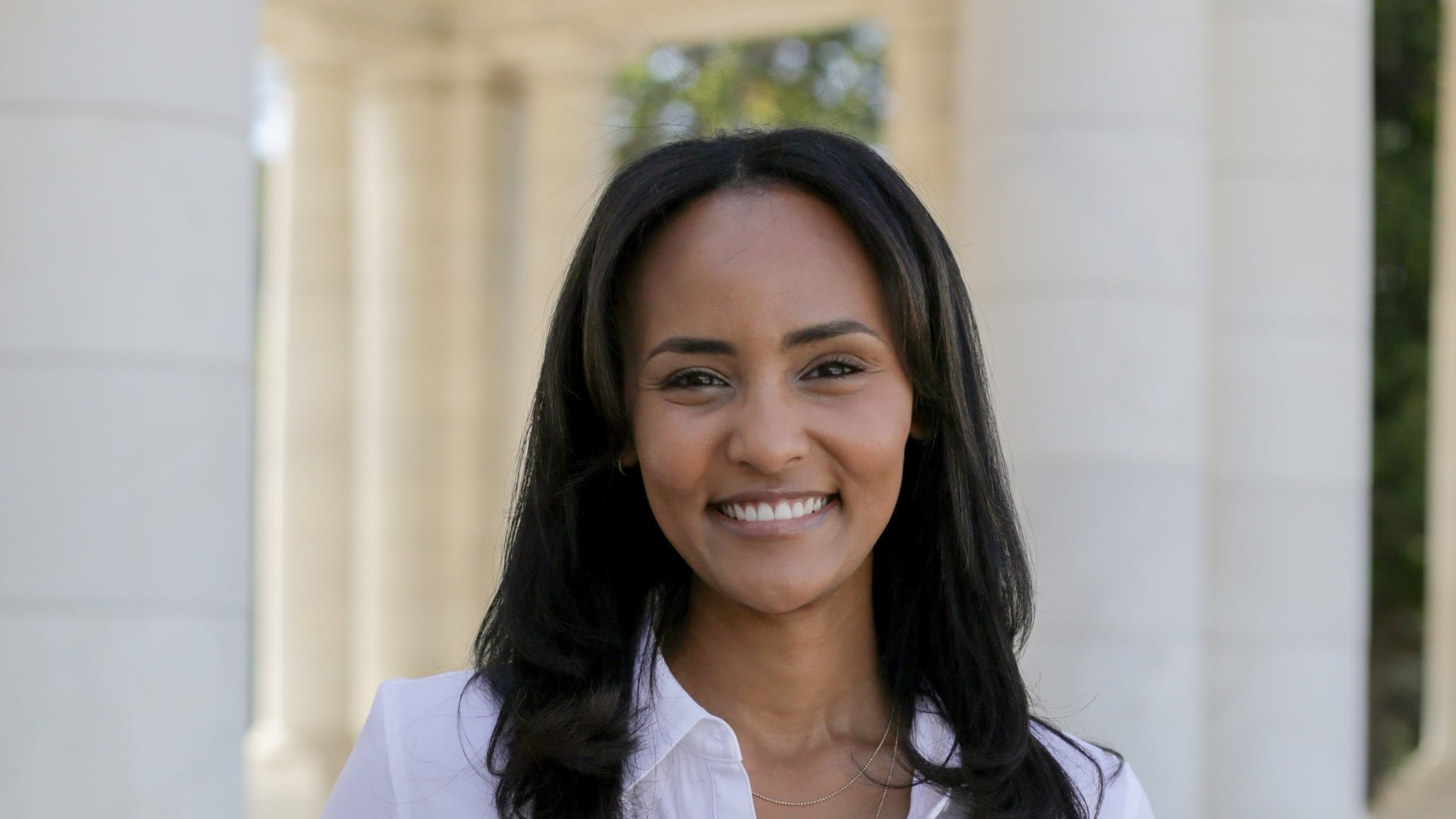
Melat Kiros, elected to Congress from Colorado. Photo by Andra Turner via Wikimedia Commons, CC BY SA 4.0.
Kiros is the first woman from Generation Z elected to Congress.
She is also the first Black woman Colorado voters have ever sent to the House.
In Minnesota, Ilhan Omar won a fifth term in the House.
Omar was born in Mogadishu, Somalia, and took about 76 percent of the vote.
That was her strongest showing since 2018, in a year when federal agents searched her home weeks before the election.
Adam Hamawy, born in Egypt, won in New Jersey Twelfth District.
He becomes the first Muslim member of Congress from New Jersey.
Adrian Boafo, the son of Ghanaian immigrants, won Maryland Fifth District.
Boafo succeeds Steny Hoyer, who held that seat since 1981 and retired this year.
Gabe Amo won reelection in Rhode Island with about 68 percent of the vote.
His father came from Ghana and his mother from Liberia.
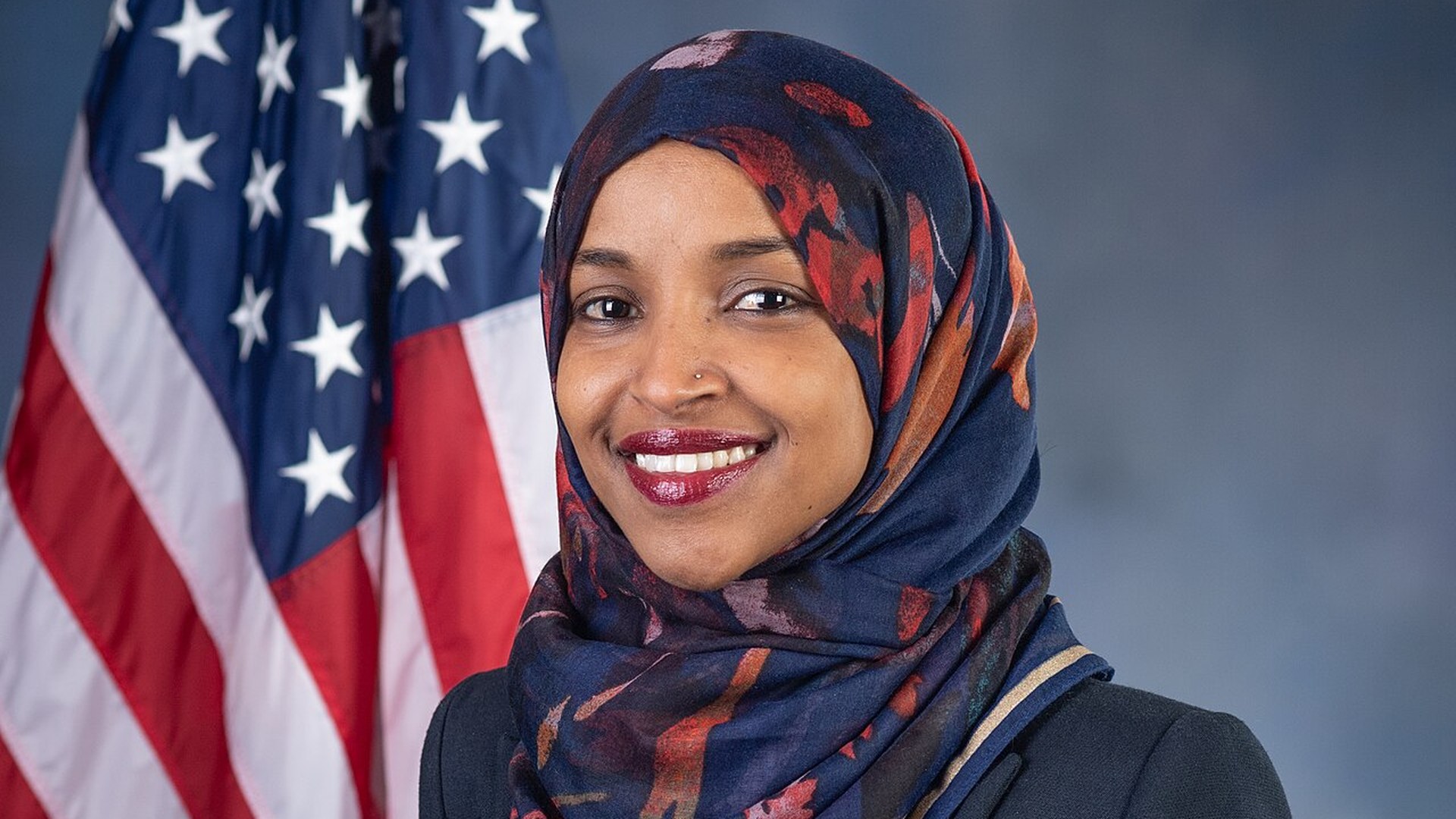
Ilhan Omar, reelected to Congress from Minnesota. Photo: U.S. House Office of Photography via Wikimedia Commons, public domain.
Nigeria Sends the Largest Class of Winners
Nigeria stands at the center of the story, with 14 winners in one night.
The Nigerians in Diaspora Commission counted the victories and its chair, Abike Dabiri Erewa, congratulated the full class.
Every one of the 14 ran on the Democratic ticket.
Will Jawando won the race for Montgomery County executive in Maryland with about 78 percent of the vote.
He defeated Republican Esther Wells by a wide margin in one of the largest counties in the state.
In Texas, Junior Ezeonu won House District 101 at age 27.
Ezeonu was born in Onitsha, Nigeria, and moved to Grand Prairie at age two.
He served as the youngest city council member in that city, then beat an incumbent in the Democratic primary.
He collected 37,278 votes in November with no Republican opponent on the ballot.
Oye Owolewa, a pharmacist whose parents came from Kwara and Osun states, won an at large seat on the Council of the District of Columbia.
He took about 69 percent of the vote after serving as the District shadow representative.
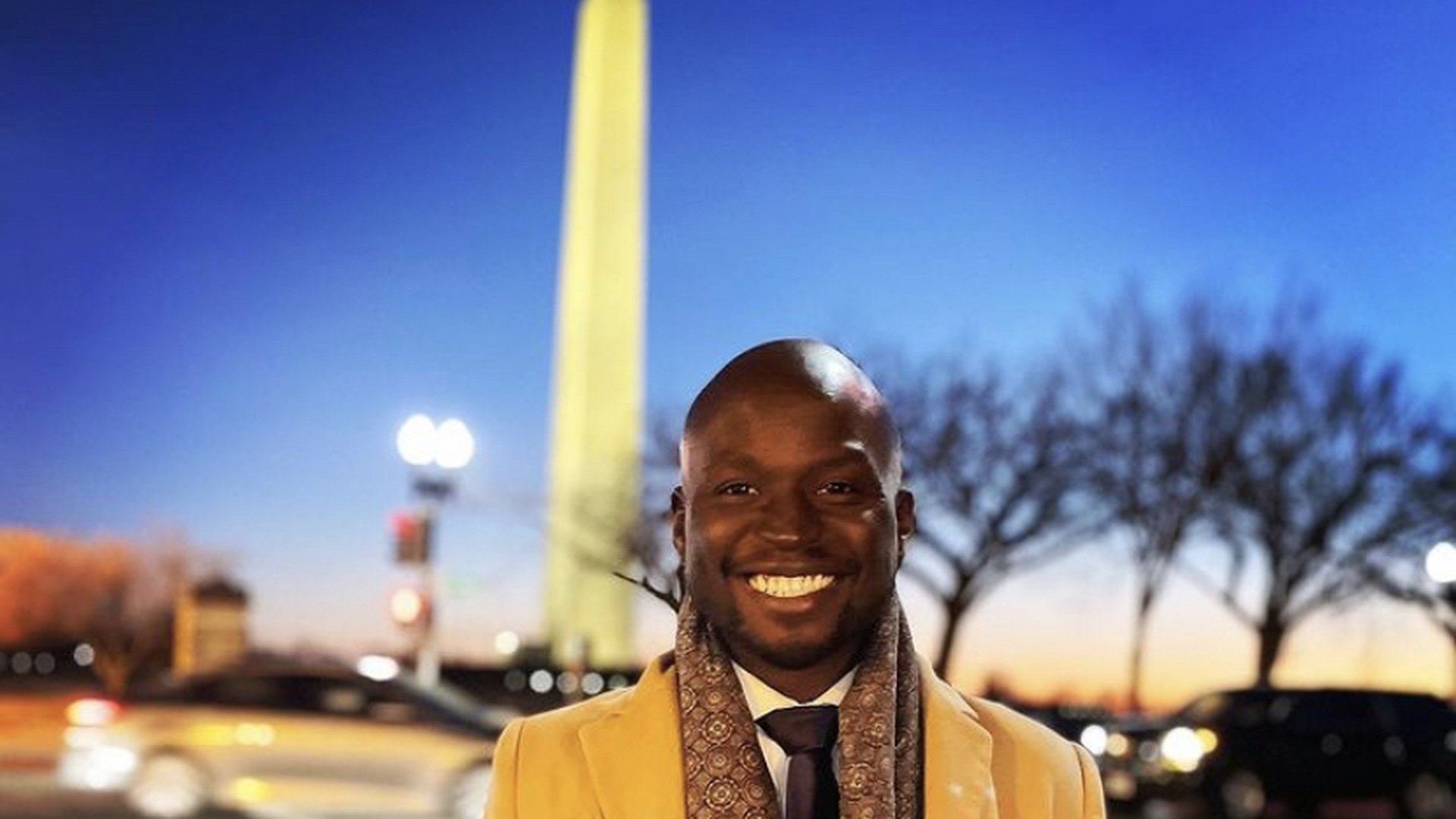
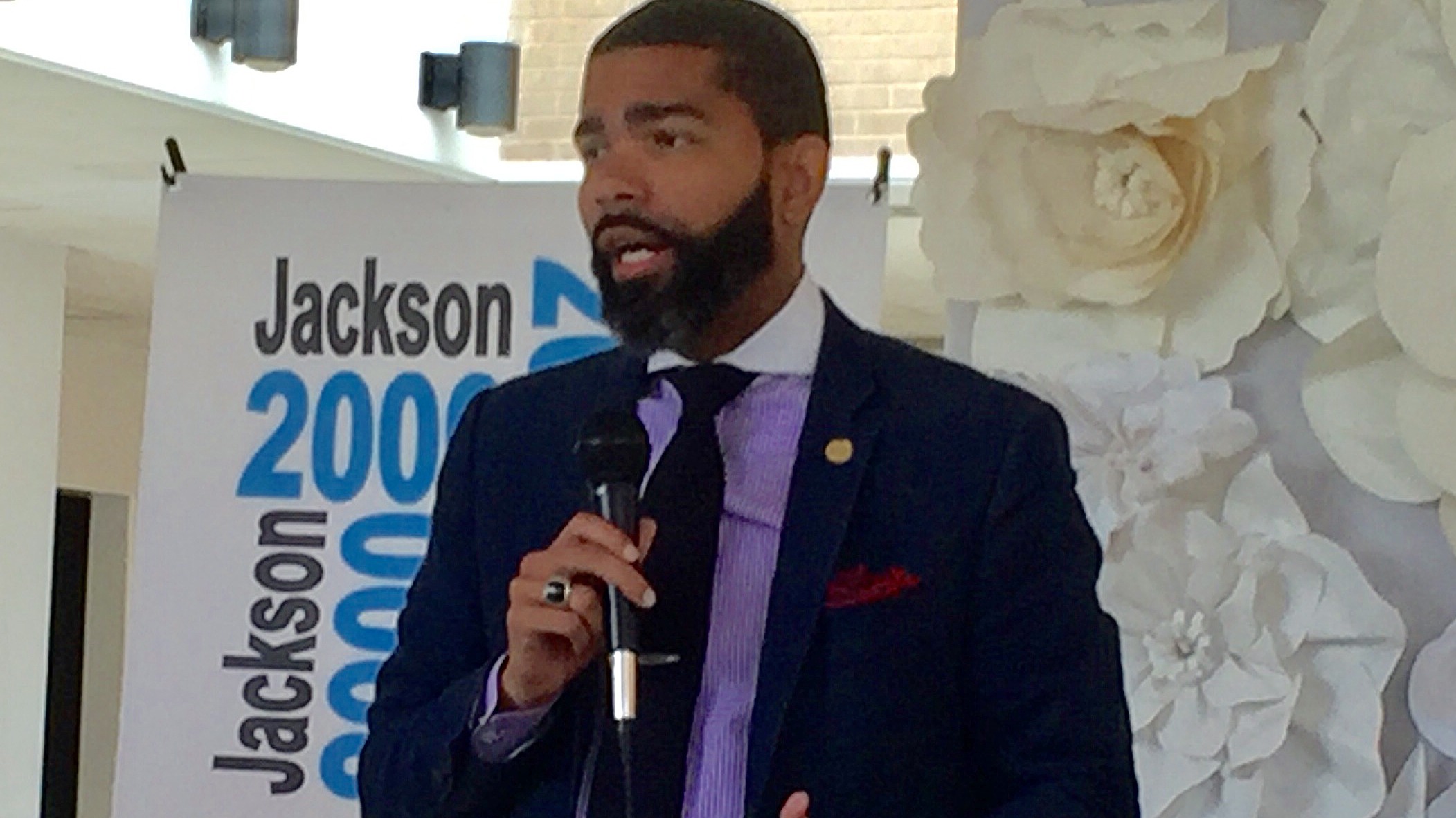
Oye Owolewa, elected to the Council of the District of Columbia. Photo via Wikimedia Commons, CC BY SA 4.0.
Georgia voters reelected Segun Adeyina to a third term in House District 110 with about 76 percent of the vote.
Fellow Georgia winners Gabe Okoye, Phil Olaleye and Solomon Adesanya also claimed state House seats.
Carol Kazeem kept her seat in Pennsylvania House District 159.
Justin Onwenu won in Michigan, and Odus Evbagharha claimed Texas House District 135.
The Bench Keeps Growing in the States
The record class extends well beyond the names at the top of the ballot.
In Maryland, Bernice Mireku North won reelection to the House of Delegates in District 14 with more than 30,000 votes.
Abena Affum McAllister won a seat in District 28 on the same night.
Both women add Ghanaian American voices to a statehouse already shaped by African immigrant communities.
The wave follows a milestone from January, when Ugandan born Zohran Mamdani took office as mayor of New York City.
Mamdani became the youngest mayor of that city in more than a century.
Education helps explain the pipeline behind these campaigns.
About 61 percent of Nigerian born immigrants hold at least a bachelor degree.
That rate stands far above the 31 percent for immigrants overall and 32 percent for people born in the United States.
That depth of education has filled American medicine, technology, higher education and now its legislatures.
The success of these lawmakers also answers a claim Black communities hear too often.
Their wins stand as a public rebuke to anyone who ties Black identity to failure.
Pride, and a Warning From Maine
Celebration is not the whole story, and one name from Maine keeps the class honest.
Deqa Dhalac was the first African born woman to serve as a mayor in the United States, leading South Portland.
Earlier this year she announced she would not seek reelection.
“Throughout my tenure, I have experienced persistent racism, harassment, and threats that reflect a broader national pattern targeting Black and Brown elected officials,” Dhalac said.
Her warning matters for every new lawmaker in this record class.
Visibility brings danger as well as honor, and the threats aimed at Black officials remain real.
The new Congress will also take up voting rights, as Black faith leaders demanded in our report on the post election agenda.
African born lawmakers will sit inside that fight, not outside it.
Winning Is Only the Beginning
The Nigerian American Public Affairs Committee marked the results in a statement on Tuesday.
The group spent the season educating and mobilizing voters in African immigrant communities across the country.
“The 2026 midterm elections have demonstrated what is possible when communities recognize the power of their collective voices and actively participate in the democratic process,” said Prince Maduka Nkuku, the group national president.
“But winning elections is only the beginning,” Nkuku said.
“We must now work even harder to consolidate the gains of these midterms and translate electoral success into meaningful political representation, responsive public policies, and lasting protections for our community.”
The organization is preparing a proposed action fund for the 2028 presidential cycle.
It plans to keep running voter education, leadership development and public policy work between elections.
The organizing joins a wider Black political surge we tracked in our Divine Nine report on the networks behind the midterm wave.
For Black America, the stakes are concrete, not symbolic.
These lawmakers will vote on immigration, health care, housing and the cost of living.
Their districts include immigrant families and families whose roots in this soil run centuries deep.
A record class now carries both stories into the rooms where decisions get made.
Follow the full story of this political season at Urban City Podcast.